
Discover 10 amazing photography spots in Nebraska, from vast prairies to quirky roadside attractions, perfect for capturing stunning memories on your next trip.
Nebraska might not be the first place that comes to mind for breathtaking scenery, but it’s full of hidden gems waiting to be discovered by your camera. Planning a trip can feel overwhelming, especially when you’re not sure where to find the most photogenic places.
Check the latest prices and available rooms before they sell out.
You want to capture incredible shots without spending hours searching for the perfect location. This guide will make it super simple!
We’ll explore ten amazing photography spots in Nebraska, from natural wonders to unique man-made marvels. Get ready to fill your camera roll with unforgettable images!
Unlocking Nebraska’s Photographic Potential: A Beginner’s Guide
Nebraska, often called the “Cornhusker State,” offers a surprising variety of landscapes that are perfect for photographers of all levels. Forget crowded tourist traps; here, you can find wide-open spaces and unique vistas that feel like your own private discovery.
This guide is designed to be your easy-to-follow roadmap. We’ll cover everything from dramatic natural formations to charming small-town scenes, ensuring you know exactly where to point your lens for stunning results.
We’ll break down each spot with practical tips and highlight what makes it special. So, grab your camera, and let’s embark on a visual adventure across Nebraska!
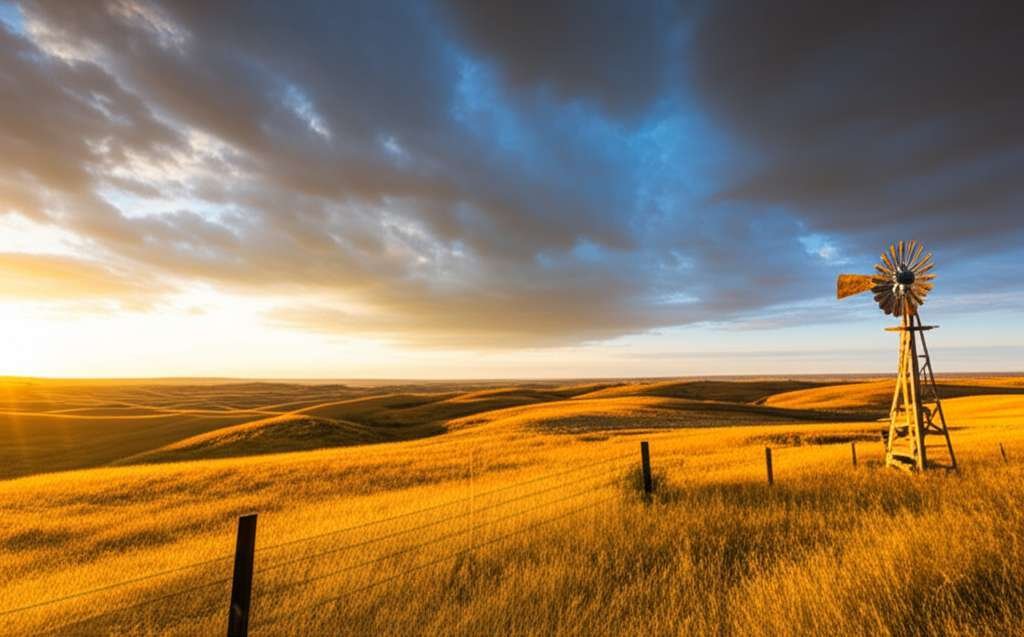
1. Scotts Bluff National Monument: A Pioneer’s Perspective
Imagine standing where pioneers once gazed, marveling at towering sandstone formations carved by wind and water over millions of years. Scotts Bluff is an iconic landmark on the Oregon Trail, offering dramatic backdrops for any photograph.
Find the Best Accommodation Deals
Compare prices from multiple booking platforms and find the best option for your stay.
Compare Hotel PricesThe scale of the bluffs is impressive, especially during sunrise or sunset when the light paints the rock faces in warm, vibrant hues. Hiking trails lead to various viewpoints, allowing you to capture the grandeur from different angles. Don’t miss the chance to photograph the sweeping prairie landscape stretching out below.
Best Time to Shoot: Sunrise and sunset for dramatic lighting.
Key Features: Eroded sandstone bluffs, historical pioneer trails, expansive prairie views.
Beginner Tip: Drive to the summit for panoramic views, then explore the trails for closer perspectives.
Find the Best Accommodation Deals
Compare prices from multiple booking platforms and discover the best stay options available.
⭐ Trusted by thousands of travelers
💰 Budget to luxury options available
2. Chimney Rock National Historic Site: A Beacon on the Plains
Chimney Rock is another unmistakable silhouette on the Nebraska landscape, a prominent geological spire that served as a vital landmark for travelers heading west. Its unique shape makes it instantly recognizable and a fantastic subject for photography.
The site provides a visitor center with exhibits about its history, but the real magic happens outside. You can photograph Chimney Rock from various distances, playing with the vastness of the prairie around it. Golden hour light makes the rock glow, creating a truly captivating scene.
Best Time to Shoot: Late afternoon or early morning for softer light and fewer shadows.
Key Features: Distinctive rock spire, open prairie, historical significance.
Beginner Tip: Use the surrounding grass and wildflowers as foreground elements to add depth to your shots.
Best Stay Deals Available
Compare prices across top booking platforms and find the best deal for your stay.
Check Available Rooms3. Niobrara River Valley: A Natural Wonderland
For those who love nature and water, the Niobrara River Valley is a must-visit. This area boasts stunning waterfalls, clear rivers, and diverse wildlife, offering a refreshing change from the typical plains scenery. It’s a photographer’s playground for landscapes and action shots.
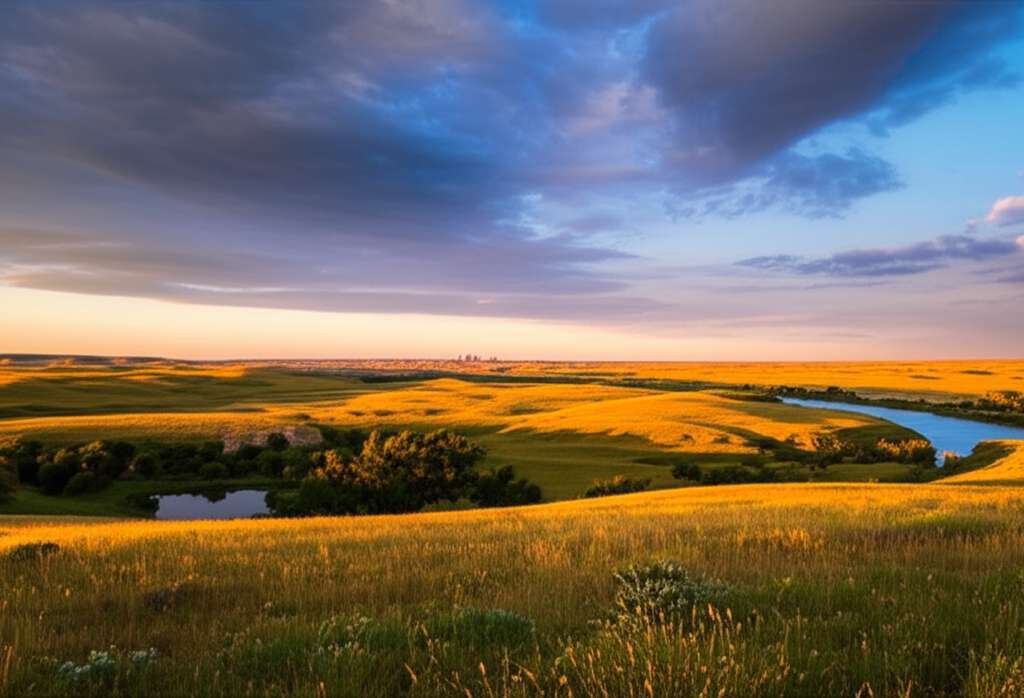
Smith Falls State Park is home to Nebraska’s tallest waterfall, a delicate cascade surrounded by lush greenery. Nearby, explore the unique formations at Agate Fossil Beds National Monument, where ancient creatures once roamed. The river itself is perfect for capturing reflections and the movement of water.
Best Time to Shoot: Mid-morning for good light on the falls, or late afternoon for a softer glow.
Key Features: Waterfalls, clear rivers, canyons, fossils, diverse flora and fauna.
Beginner Tip: Bring a polarizing filter to reduce glare on the water and enhance the colors of the sky and foliage.
4. Strategic Air Command & Aerospace Museum: A Glimpse into Aviation History
Step back in time and capture the impressive might of aviation at the Strategic Air Command & Aerospace Museum near Ashland. This museum houses a remarkable collection of aircraft, from historic bombers to modern jets, providing unique photographic opportunities.
The sheer scale of these machines is awe-inspiring. You can photograph them both inside the hangars, often with dramatic lighting, and outside on the tarmac. The contrast between these powerful machines and the open Nebraska sky is a compelling visual theme.
Best Time to Shoot: Anytime, but consider how indoor lighting will affect your shots.
Key Features: Large collection of aircraft, historical exhibits, indoor and outdoor displays.
Beginner Tip: Look for interesting angles and details on the aircraft, like rivets, engines, or cockpit windows.
5. The Archway Monument: A Gateway to History
Spanning Interstate 80, The Great Platte River Road Archway Monument in Kearney is an architectural marvel and a symbol of Nebraska’s role in westward expansion. Its unique design offers intriguing photographic possibilities, both from afar and up close.
The structure itself is a modern icon against the prairie sky. You can capture its sweeping lines from the ground or from viewpoints along the interstate. Inside, exhibits offer a chance to photograph historical dioramas and artifacts, telling the story of the pioneers.
Best Time to Shoot: Late afternoon for the golden light on the structure.
Key Features: Iconic arch structure, historical exhibits, views of the Platte River Valley.
Beginner Tip: Experiment with wide-angle lenses to capture the full scale of the arch.
6. Omaha’s Old Market: Urban Charm and Character
For a taste of urban photography, Omaha’s Old Market district is a vibrant hub of activity. Its cobblestone streets, historic brick buildings, horse-drawn carriages, and bustling shops create a picturesque setting that’s rich in character.
This area is perfect for street photography, capturing the energy of the city. Look for interesting architectural details, lively street performers, or the warm glow of restaurant lights in the evening. The blend of old-world charm and modern life makes for dynamic shots.
Best Time to Shoot: Early morning for quiet streets and soft light, or evenings for vibrant city life.
Key Features: Cobblestone streets, historic architecture, unique shops, restaurants, and nightlife.
Beginner Tip: Focus on capturing candid moments and the interplay of light and shadow on the historic buildings.
7. Toadstool Geologic Park: A Martian Landscape on Earth
Venture into the badlands of northwestern Nebraska to discover Toadstool Geologic Park. This unique area features bizarre, wind-sculpted sandstone formations that look like something from another planet. It’s a photographer’s dream for abstract and dramatic landscape shots.
The “toadstools” themselves are fascinating subjects, with their distinctive caps and eroded bases. Exploring the park reveals a variety of shapes and textures. The stark beauty of the badlands is amplified by the wide-open sky, making for incredible panoramic views.
Best Time to Shoot: Mid-day can create harsh shadows, so aim for early morning or late afternoon for softer light.
Key Features: Hoodoos, eroded sandstone formations, badlands topography, unique desert-like scenery.
Beginner Tip: Wear sturdy shoes and bring plenty of water, as you’ll be hiking through rugged terrain.
8. Platte River State Park: Nature’s Amphitheater
Nestled in the Loess Hills, Platte River State Park offers a different kind of natural beauty with its wooded canyons, waterfalls, and scenic overlooks. It’s a fantastic spot for capturing the lush, rolling landscapes of eastern Nebraska.
The park features several hiking trails that lead to picturesque viewpoints. You can photograph the cascading waterfalls, the dense forests, and the expansive views from the bluffs. The contrast between the water, trees, and sky provides ample opportunities for beautiful nature photography.
Best Time to Shoot: Spring for wildflowers and lush greenery, or fall for vibrant foliage.
Key Features: Waterfalls, wooded canyons, hiking trails, observation decks, diverse plant life.
Beginner Tip: Look for reflections in the water or use the trees to frame your shots of the landscape.
9. Carhenge: A Quirky Nebraska Icon
No list of Nebraska photography spots would be complete without mentioning Carhenge near Alliance. This eccentric art installation replicates Stonehenge using vintage American cars, creating a truly unique and memorable subject for your lens.
Carhenge is a place where art, history, and quirkiness collide. You can photograph the cars from various angles, playing with the scale and the way they are arranged. Sunrise and sunset offer particularly dramatic lighting that highlights the weathered metal and the surrounding plains.
Best Time to Shoot: Sunrise or sunset for dramatic light and fewer crowds.
Key Features: Stonehenge replica made of cars, unique roadside attraction, open prairie setting.
Beginner Tip: Try different perspectives, including low angles to make the cars look monumental.
10. Pawnee National Grassland: The Unspoiled Prairie
For an authentic experience of the Great Plains, head to Pawnee National Grassland in the southeastern corner of Nebraska. This vast expanse of native prairie offers a sense of solitude and immense natural beauty, untouched by development.
Photographing the prairie means capturing the subtle beauty of grasses, wildflowers, and the endless horizon. It’s an ideal location for wide-angle shots that convey a feeling of space and tranquility. Look for interesting cloud formations and the changing colors of the landscape throughout the day.
Best Time to Shoot: Early morning or late afternoon for the best light on the grasses and sky.
Key Features: Native prairie landscape, rolling hills, open sky, wildflowers, solitude.
Beginner Tip: Focus on the textures of the grasses and the vastness of the sky to create a sense of place.
Planning Your Photography Adventure: What to Pack and When to Go
Nebraska’s weather can be as varied as its landscapes, so smart planning is key to a successful photography trip. Understanding the best times to visit and what gear to bring will make your experience smoother and more rewarding.
Here’s a quick guide to help you prepare:
Best Seasons for Photography in Nebraska
Spring (April-May): Wildflowers bloom, especially in areas like the Niobrara Valley and Pawnee National Grassland. The landscape is lush and green.
Summer (June-August): Warm weather is ideal for exploring parks and open spaces. Sunsets and sunrises are spectacular. Be prepared for heat and humidity.
Fall (September-October): Beautiful foliage in the eastern parts of the state, and the golden light of autumn is perfect for prairie shots. Temperatures are generally pleasant.
Winter (November-March): While cold, winter can offer unique photographic opportunities with snow-covered landscapes and dramatic, crisp light. Many outdoor sites are less crowded.
Essential Photography Gear for Beginners
Camera: A DSLR or mirrorless camera is great, but even a good smartphone camera can capture stunning images.
Lenses: A versatile zoom lens (like an 18-55mm or 24-70mm) is perfect for most situations. A wide-angle lens is excellent for landscapes.
Tripod: Essential for low-light conditions (sunrise/sunset) and for sharper images.
Extra Batteries & Memory Cards: You don’t want to miss a shot because of dead batteries or full cards.
Camera Bag: To protect your gear and keep it organized.
Comfortable Shoes: You’ll be doing a lot of walking and exploring.
Water and Snacks: Especially important when visiting remote locations like Toadstool Geologic Park or Pawnee National Grassland.
Sunscreen and Hat: The sun can be intense, even on cooler days.
Photography Tips for Beginners at Nebraska’s Hotspots
Capturing amazing photos is all about understanding your subject and using your gear effectively. Here are some practical tips tailored for these Nebraska locations:
Embrace the Light: Sunrise and sunset (the “golden hours”) provide the most beautiful, soft light. The changing light can dramatically alter the mood of a landscape.
Find Your Foreground: A strong foreground element (like a wildflower, a rock, or even the texture of the ground) can add depth and interest to your landscape photos.
Look for Leading Lines: Roads, trails, rivers, or even fences can lead the viewer’s eye into your photograph, creating a sense of depth and direction.
Experiment with Angles: Don’t just shoot from eye level. Get low to the ground for a different perspective or find a higher vantage point for a sweeping panorama.
Focus on Details: While grand landscapes are impressive, don’t forget to capture the smaller details – the texture of a rock formation, the pattern of prairie grass, or the intricate design of an aircraft.
Tell a Story: Think about what you want your photo to convey. Are you capturing the vastness of the prairie, the history of a landmark, or the beauty of a waterfall?
Use the Rule of Thirds: Imagine your frame divided into nine equal parts by two horizontal and two vertical lines. Place your key subjects along these lines or at their intersections for a more balanced and engaging composition.
Check Your Background: Ensure there are no distracting elements in your background that take away from your main subject.
Nebraska Photography Spots: A Quick Reference Table
To make your planning even easier, here’s a table summarizing the key features and best times to visit some of these incredible Nebraska photography spots.
| Photography Spot | Key Features | Best Time to Shoot | Best For |
|---|---|---|---|
| Scotts Bluff National Monument | Sandstone bluffs, pioneer trails, prairie | Sunrise/Sunset | Dramatic landscapes, historical context |
| Chimney Rock National Historic Site | Iconic rock spire, vast prairie | Late Afternoon/Early Morning | Landmark photography, wide-open spaces |
| Niobrara River Valley | Waterfalls, rivers, canyons, wildlife | Mid-Morning/Late Afternoon | Nature, water features, lush scenery |
| Strategic Air Command & Aerospace Museum | Aircraft, aviation history | Anytime (consider lighting) | Industrial, historical, scale |
| The Archway Monument | Arch structure, historical exhibits | Late Afternoon | Architecture, historical narrative |
| Omaha’s Old Market | Cobblestone streets, historic buildings | Morning/Evening | Urban street photography, architecture |
| Toadstool Geologic Park | Badlands, hoodoos, unique formations | Early Morning/Late Afternoon | Abstract landscapes, dramatic geology |
| Platte River State Park | Waterfalls, wooded canyons, overlooks | Spring/Fall | Nature, forests, water |
| Carhenge | Car Stonehenge replica | Sunrise/Sunset | Quirky, unique art installation |
| Pawnee National Grassland | Native prairie, open sky | Early Morning/Late Afternoon | Vast landscapes, solitude, natural textures |
Frequently Asked Questions About Nebraska Photography
Here are answers to some common questions beginner photographers might have when planning a trip to Nebraska.
What is the best time of year to visit Nebraska for photography?
The best time depends on what you want to photograph. Spring (April-May) offers blooming wildflowers and lush greenery. Summer (June-August) has spectacular sunsets and is great for exploring. Fall (September-October) provides beautiful foliage and golden light. Winter (November-March) can offer dramatic, crisp scenes with fewer crowds.
Do I need a professional camera to take good photos in Nebraska?
Absolutely not! While professional cameras offer more control, modern smartphone cameras are incredibly capable. The most important factors are your eye for composition, understanding light, and exploring interesting locations. Focus on learning the basics of photography, and you can capture stunning images with any device.
Are there any safety concerns I should be aware of when photographing in Nebraska’s natural areas?
Yes, it’s always important to be prepared. When visiting places like Toadstool Geologic Park or Pawnee National Grassland, always carry plenty of water, wear appropriate footwear, and let someone know where you are going and when you expect to return. Be aware of weather changes, especially in open prairie areas. Check the National Park Service or Bureau of Land Management websites for specific area alerts before you go. You can find information on parks like Scotts Bluff National Monument at the National Park Service website.
What kind of wildlife can I expect to photograph in Nebraska?
Nebraska is home to a variety of wildlife. In the Niobrara River Valley, you might spot deer, various bird species, and even bald eagles. In the grasslands, look for pronghorn, prairie dogs, and a wide array of birds. Keep an eye out for bison at parks like the Strategic Air Command & Aerospace Museum area. Remember to always maintain a safe distance and never feed wildlife.
Are there any photography tours or workshops available in Nebraska?
While dedicated photography tours might be less common than in more famous scenic destinations, many local photography clubs or nature centers occasionally host workshops or guided outings. It’s worth checking with local tourism boards or park visitor centers once you’ve chosen your specific destinations. You can also find excellent resources for learning photography online, which can be just as beneficial.
What are some easy-to-access photography spots for beginners?
For easy access, Omaha’s Old Market offers a vibrant urban setting with plenty to photograph without extensive hiking. The Archway Monument in Kearney is also easily accessible and visually striking. Many state parks, like Platte River State Park, have well-maintained trails and accessible overlooks that are perfect for beginners.
Conclusion: Your Nebraska Photography Journey Awaits
Nebraska, with its wide-open spaces and unexpected beauty, offers a truly rewarding experience for photographers. From the towering formations of Scotts Bluff to the quirky charm of Carhenge, there’s a diverse range of subjects to capture.
You’ve got the roadmap to some of the most amazing photography spots in Nebraska. Remember to embrace the light, experiment with your angles, and most importantly, have fun!
Your camera is ready, and