
Discover 10 amazing historic sites in Maryland to uncover incredible treasures, from colonial forts and presidential homes to significant Civil War battlefields. Plan your journey through America’s rich past with this easy guide.
Planning a trip to Maryland can feel like stepping into a living history book! With so much to see, where do you even begin? It’s easy to get lost in endless possibilities, making your adventure feel a bit overwhelming before it even starts.
Check the latest prices and available rooms before they sell out.
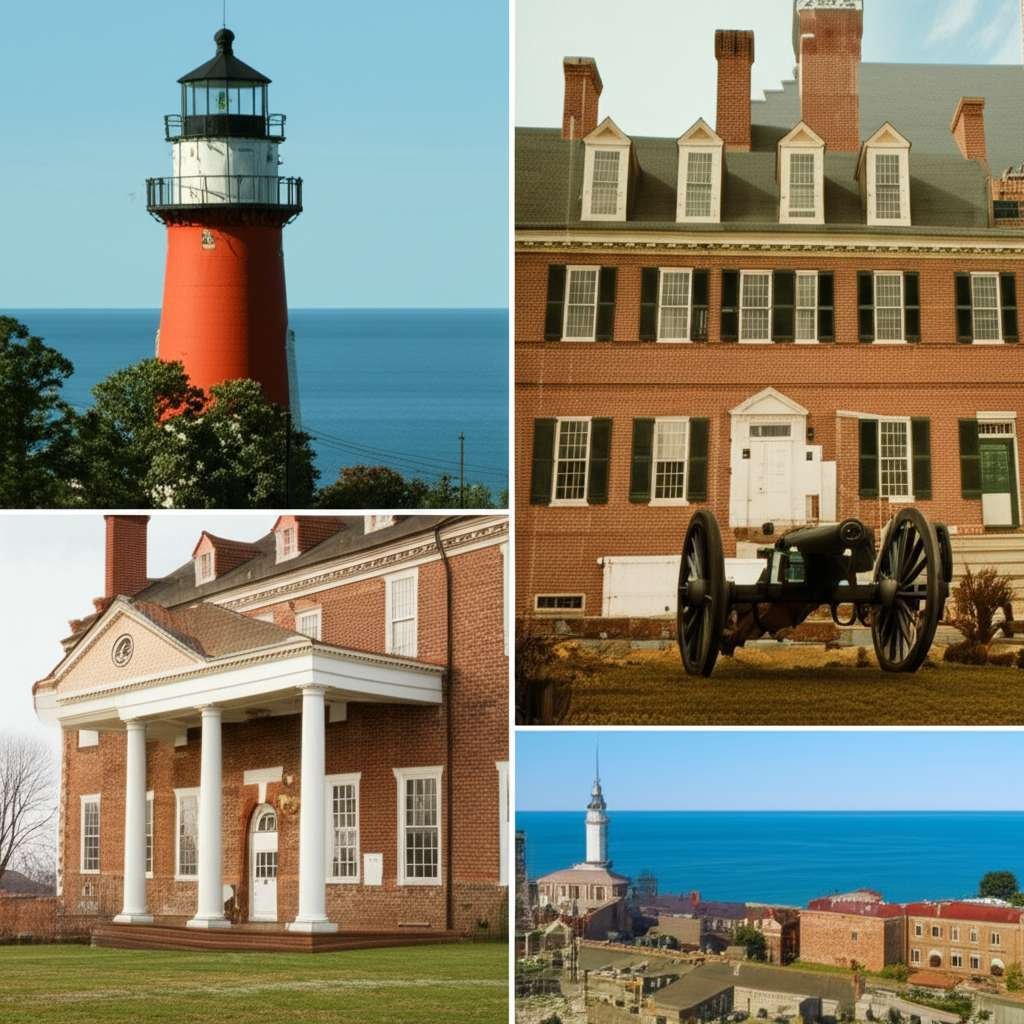
But don’t worry, I’m here to help! We’ll explore ten incredible historic sites that offer a fantastic glimpse into America’s past. These spots are perfect for beginners, offering amazing stories and beautiful sights without the stress.
Ready to uncover some true American treasures? Let’s dive into Maryland’s most captivating historical gems!
Why Maryland is a History Lover’s Dream
Maryland, often called “America in Miniature,” packs a remarkable amount of history into a relatively small state. From its role in the founding of the nation to its pivotal moments in major conflicts, Maryland’s story is deeply woven into the fabric of the United States.
This state boasts a rich tapestry of historical periods. You can walk the same grounds as Revolutionary War heroes, stand on battlefields where the Civil War’s tide turned, and explore the homes of influential figures who shaped American identity.
Uncovering Maryland’s Top 10 Historic Treasures
Let’s embark on a journey through time and discover ten must-visit historic sites in Maryland that promise an unforgettable experience.
Find the Best Accommodation Deals
Compare prices from multiple booking platforms and find the best option for your stay.
Compare Hotel Prices1. Fort McHenry National Monument and Historic Shrine
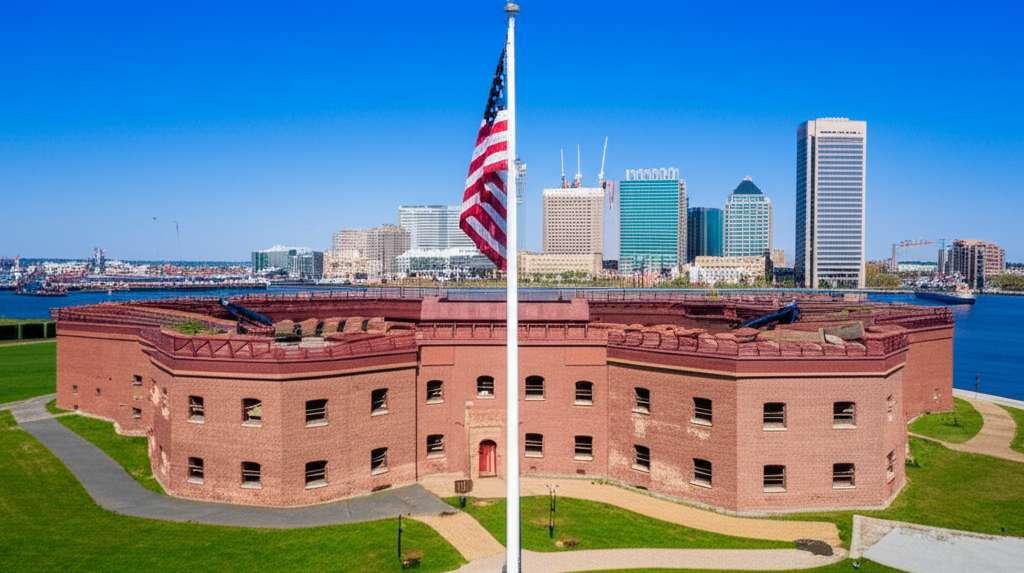
This iconic star-shaped fort is where the “Star-Spangled Banner” was born. During the War of 1812, the relentless bombardment by British ships failed to lower the American flag flying over the fort. Witnessing this resilience inspired Francis Scott Key to write the poem that would become the U.S. national anthem.
Visiting Fort McHenry offers a tangible connection to a pivotal moment in American history. You can explore the ramparts, learn about the soldiers who defended it, and imagine the intense battle that unfolded. The visitor center provides excellent exhibits and ranger programs that bring the fort’s story to life.
Find the Best Accommodation Deals
Compare prices from multiple booking platforms and discover the best stay options available.
⭐ Trusted by thousands of travelers
💰 Budget to luxury options available
- Location: Baltimore, Maryland
- Why visit: Birthplace of the Star-Spangled Banner, crucial War of 1812 defense.
- Must-see: The Star Fort, the Visitor Center exhibits, and flag-raising/lowering ceremonies.
2. Antietam National Battlefield
Step onto the ground where the Battle of Antietam, the bloodiest single day in American history, took place. This Civil War battle in Sharpsburg, Maryland, halted Confederate General Robert E. Lee’s first invasion of the North and provided President Abraham Lincoln the crucial victory he needed to issue the Emancipation Proclamation.
Walking through Antietam feels solemn and profound. The preserved battlefield allows you to visualize the troop movements and understand the immense human cost of the conflict. The visitor center offers context, and guided tours can significantly enhance your understanding of the battle’s strategy and impact.
- Location: Sharpsburg, Maryland
- Why visit: Site of the bloodiest single day in American history, pivotal Civil War battle.
- Must-see: The Bloody Lane, Burnside Bridge, and the National Cemetery.
3. Historic St. Mary’s City
Journey back to Maryland’s origins at Historic St. Mary’s City. This was the site of Maryland’s first settlement and the colony’s original capital, established in 1634. It was a place where English colonists and Native Americans coexisted, and where religious tolerance was a guiding principle.
Best Stay Deals Available
Compare prices across top booking platforms and find the best deal for your stay.
Check Available RoomsThis living history museum allows you to experience colonial life firsthand. You can explore reconstructed buildings, interact with costumed interpreters, and learn about the daily lives, challenges, and triumphs of the early settlers and the Indigenous people of the region. It’s a fascinating look at America’s very beginnings.
- Location: St. Mary’s City, Maryland
- Why visit: Maryland’s first settlement and colonial capital, early American coexistence.
- Must-see: The Historic St. Mary’s City living history museum, reconstructed State House, and archaeological sites.
4. Hampton National Historic Site
Discover the grandeur of a 19th-century estate at Hampton National Historic Site. This impressive mansion was the center of a vast plantation and home to the influential Ridgely family for generations. It showcases opulent architecture and provides insight into the lives of both the wealthy owners and the enslaved people who worked the land.
The mansion’s elaborate rooms and extensive grounds offer a stunning visual narrative of the era. You can tour the house, explore the gardens, and visit the original ironworks, which were a significant part of the estate’s economic power. It’s a place where luxury and the harsh realities of history intertwine.
- Location: Towson, Maryland
- Why visit: Grand example of a 19th-century Maryland plantation estate and architecture.
- Must-see: The Mansion interiors, the formal gardens, and the Hampton National Iron Furnace.
5. USS Constellation
All aboard the USS Constellation, a magnificent sloop-of-war that served in the U.S. Navy for over 100 years. Launched in 1854, she was the last sail-powered warship built by the Navy. This vessel saw service during the Civil War and played a role in protecting American interests around the globe.
Exploring the decks of the Constellation offers a unique perspective on naval history. You can learn about the life of sailors, the technology of 19th-century warships, and the ship’s impressive service record. It’s a truly immersive experience for anyone interested in maritime heritage.
- Location: Baltimore’s Inner Harbor, Maryland
- Why visit: Last U.S. Navy sail-powered warship, extensive service history.
- Must-see: The ship’s various decks, the captain’s quarters, and the impressive sail plan.
6. Mount Clare Museum House
Step into the life of Charles Carroll, a signer of the Declaration of Independence, at Mount Clare Museum House. This elegant Georgian mansion in Baltimore was his childhood home and offers a glimpse into the world of a prominent colonial family. It’s one of the few surviving structures in Baltimore from the 18th century.
The house is beautifully preserved and furnished with period pieces, allowing you to imagine the social gatherings and daily routines of the Carroll family. The surrounding park provides a peaceful setting for a stroll, and the house itself is a testament to the architectural style and social life of pre-Revolutionary America.
- Location: Baltimore, Maryland
- Why visit: Childhood home of Declaration of Independence signer Charles Carroll, 18th-century architecture.
- Must-see: The elegant Georgian architecture, period furnishings, and the stories of the Carroll family.
7. Frederick Douglass National Historic Site
Visit the final home of Frederick Douglass, the renowned abolitionist, orator, and statesman, at his estate “Cedar Hill” in Washington, D.C. While technically just across the Maryland border in D.C., it’s a crucial site for understanding Maryland’s and America’s fight for freedom and equality. Douglass was born into slavery in Talbot County, Maryland.
Cedar Hill offers a powerful insight into Douglass’s later life and his enduring legacy. You can tour his well-preserved home, see his personal belongings, and walk the grounds where he entertained distinguished guests and continued his tireless work for human rights. It’s an inspiring place that honors a true American hero.
- Location: Washington, D.C. (near Maryland)
- Why visit: Home of abolitionist Frederick Douglass, insights into his fight for freedom.
- Must-see: The historic house “Cedar Hill,” Douglass’s study, and exhibits on his life and work.
8. Clara Barton National Historic Site
Explore the home of Clara Barton, the compassionate founder of the American Red Cross, in Glen Echo, Maryland. This large Victorian house served as Barton’s home and the first headquarters of the American Red Cross. Barton’s tireless humanitarian efforts during the Civil War and beyond changed the face of disaster relief.
The site allows you to learn about Barton’s remarkable life and her pioneering work. You can tour her home, which is preserved much as she left it, and discover the origins of the Red Cross movement. It’s a place that celebrates empathy, courage, and a deep commitment to helping others.
- Location: Glen Echo, Maryland
- Why visit: Home and early headquarters of American Red Cross founder Clara Barton.
- Must-see: Clara Barton’s living quarters, the Red Cross administrative rooms, and exhibits on her life.
9. The Baltimore and Ohio Railroad Museum
Discover the birthplace of American railroads at the Baltimore and Ohio Railroad Museum. This historic site preserves the original Mount Clare station and roundhouse, marking the beginning of the first U.S. railroad chartered for carrying passengers and freight. The B&O played a vital role in the nation’s transportation and economic development.
The museum boasts an incredible collection of historic locomotives, passenger cars, and railway artifacts. It’s a fascinating place for all ages, offering a hands-on look at the evolution of train travel and its impact on American expansion and industry. You can even take a ride on a historic train! For more on the history of American railroads, you can explore resources from the Johns Hopkins University Department of History, which often features railway history.
- Why visit: Birthplace of American railroads, extensive collection of historic locomotives and cars.
- Location: Baltimore, Maryland
- Must-see: The historic Mount Clare Station, the Roundhouse, and the impressive locomotive collection.
10. Rose Hill Manor
Visit Rose Hill Manor in Frederick, Maryland, a charming 18th-century farmhouse that offers a glimpse into rural life in early America. This historic home served as a plantation house and later as a maternity hospital, with a rich history tied to the community and its notable residents, including Francis Scott Key.
The manor house is beautifully restored and furnished with period items, showcasing the domestic life of the time. The surrounding grounds are also lovely for a walk. It’s a more intimate historical experience, offering a peaceful contrast to larger battlefields or grand estates, and a chance to connect with everyday colonial life.
- Location: Frederick, Maryland
- Why visit: Charming 18th-century farmhouse, insights into rural life and notable past residents.
- Must-see: The restored manor house, period furnishings, and the peaceful grounds.
Planning Your Maryland History Adventure
Now that you know these amazing places, let’s talk about making your trip smooth and enjoyable.
Best Time to Visit Historic Sites in Maryland
Spring (April-May) and Fall (September-October) are generally the most pleasant times to visit Maryland’s historic sites. The weather is mild, making it perfect for exploring outdoors, and you can avoid the peak summer heat and crowds. These seasons also offer beautiful scenery, with spring blooms and autumn foliage.
Getting Around Maryland
Maryland is best explored with a car. Having your own vehicle gives you the flexibility to visit multiple sites at your own pace, especially if they are spread out. Many historic sites offer ample parking. For those relying on public transport, Baltimore has a light rail and bus system, but reaching sites outside the city will be more challenging.
Budget-Friendly Tips for History Buffs
Check for free days or discounted admission: Many sites offer free admission on certain days or for specific groups. National Parks like Fort McHenry and Antietam have entrance fees, but an America the Beautiful Pass can be cost-effective if you plan to visit multiple national parks within a year.
Pack a picnic: Eating lunch at a historic site can save money compared to dining at nearby restaurants. Many sites have beautiful grounds perfect for a picnic.
Look for combination tickets: Some historic districts or clusters of sites might offer combined tickets that provide a discount.
Student and senior discounts: Always ask about available discounts if you qualify.
What to Pack for Your Historical Excursions
Comfortable walking shoes: You’ll be doing a lot of exploring on foot!
Weather-appropriate clothing: Layers are key, as Maryland weather can change.
Sunscreen, hat, and sunglasses: Especially important for outdoor sites.
Water bottle: Stay hydrated, particularly during warmer months.
Camera: To capture all the amazing history you’ll encounter.
Small backpack: To carry your essentials.
A Look at Admission and Hours
It’s always a good idea to check the official websites of these historic sites before you visit for the most up-to-date information on operating hours, admission fees, and any special events. Here’s a general idea:
| Historic Site | Typical Admission | Typical Hours | Website Link |
|---|---|---|---|
| Fort McHenry National Monument and Historic Shrine | Vehicle entry fee or per person (check NPS for current rates) | Park grounds open daily; Visitor Center and museum hours vary. | NPS.gov/fomc |
| Antietam National Battlefield | Vehicle entry fee (check NPS for current rates) | Park grounds open dawn to dusk; Visitor Center hours vary. | NPS.gov/anti |
| Historic St. Mary’s City | Admission fee for museum and historic buildings | Hours vary seasonally. | hsmcdigshistory.org |
| Hampton National Historic Site | Tour fees apply for mansion (grounds may be free) | Hours vary seasonally. | NPS.gov/hamo |
| USS Constellation | Admission fee | Hours vary seasonally. | historicconstellation.org |
| Mount Clare Museum House | Admission fee | Hours vary; often closed Mon/Tues. | mountclare.org |
| Frederick Douglass National Historic Site | Free (timed tickets may be required for house tours) | Hours vary; check NPS. | NPS.gov/frdo |
| Clara Barton National Historic Site | Free | Hours vary; check NPS. | NPS.gov/clba |
| The Baltimore and Ohio Railroad Museum | Admission fee | Hours vary; often closed Mon. | borail.org |
| Rose Hill Manor | Admission fee | Hours vary; often closed Mon/Tues. | frederickcountymd.gov |
Frequently Asked Questions About Maryland’s Historic Sites
Q1: Are these historic sites good for families with young children?
Many of these sites offer engaging exhibits and plenty of space for kids to explore. Places like Fort McHenry, the B&O Railroad Museum, and Historic St. Mary’s City are particularly family-friendly, offering interactive elements and visual appeal that can capture children’s imaginations.
Q2: Do I need to book tickets in advance?
For most sites, advance booking isn’t strictly necessary, but it’s highly recommended, especially for popular attractions or during peak season. Some sites, like the Frederick Douglass National Historic Site, may require timed tickets for house tours to manage visitor flow. Always check the site’s official website.
Q3: Can I take photos at these historic sites?
Generally, photography is allowed and encouraged at most historic sites for personal use. However, flash photography might be restricted inside buildings to protect artifacts and interiors. Some sites may have specific rules, so it’s best to inquire or look for signage.
Q4: Are these sites accessible for people with disabilities?
Accessibility varies by site. National Park Service sites (like Fort McHenry and Antietam) often have good accessibility, with paved paths and accessible visitor centers. Historic buildings, due to their age, can present challenges. It’s advisable to check the accessibility information on each site’s website or call ahead to confirm.