
Explore 10 must-see historic sites in Missouri that offer a captivating glimpse into the state’s rich past, from pioneer trails to Civil War battlefields, perfect for beginner travelers seeking memorable and educational adventures.
Planning a trip can feel a bit like trying to solve a puzzle. You have so many pieces: where to go, what to see, how to get there, and what fits your budget. It’s easy to get lost in all the details.
Check the latest prices and available rooms before they sell out.
Check AvailabilityBut what if exploring America’s history could be simple and exciting? Missouri, the “Show-Me State,” is brimming with incredible stories waiting to be discovered.
This guide will walk you through 10 amazing historic sites in Missouri. We’ll make it easy to plan your adventure, so you can focus on soaking in the history and making memories.
Uncover Missouri’s Rich Tapestry of History
Missouri’s past is as diverse as its landscapes. From the early days of exploration and westward expansion to its pivotal role in the Civil War and its contributions to American culture, the state offers a unique window into the nation’s story.
These historic sites aren’t just old buildings or dusty artifacts; they are vibrant places where you can connect with the people and events that shaped the United States. Imagine walking in the footsteps of pioneers or standing on ground where critical battles were fought.
Let’s dive into some of the most compelling historic treasures Missouri has to offer. Each site tells a different part of the American saga, making your journey through the state both educational and deeply inspiring.

1. Gateway Arch National Park (St. Louis)
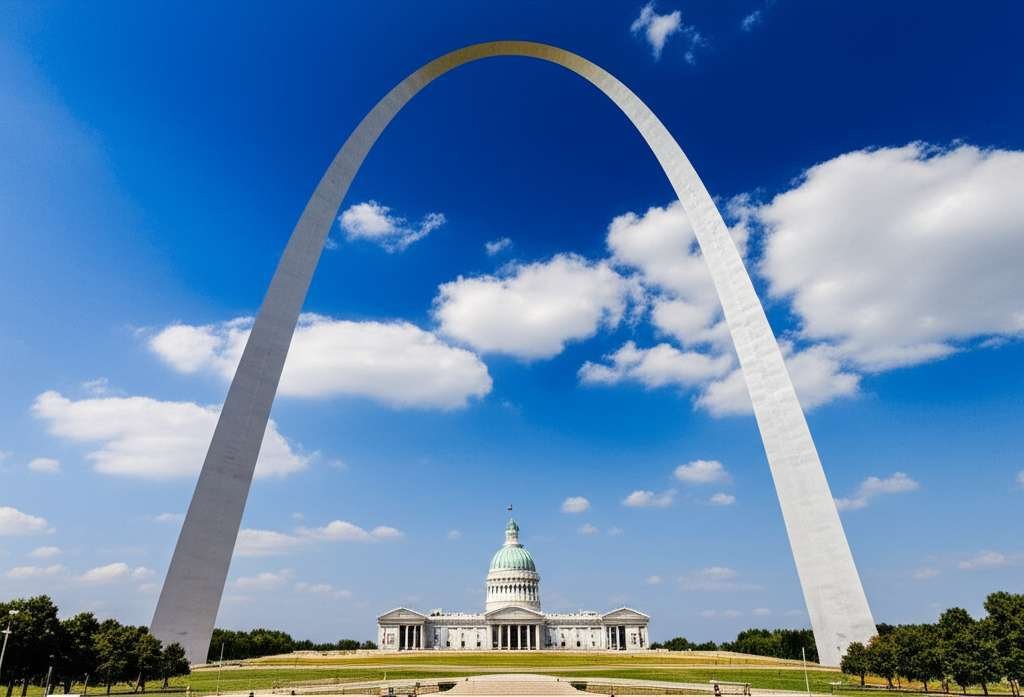
The iconic Gateway Arch is more than just a stunning landmark; it’s a symbol of America’s westward expansion. Standing tall on the banks of the Mississippi River, this gleaming monument tells the story of pioneers and explorers who ventured into the unknown.
Find the Best Accommodation Deals
Compare prices from multiple booking platforms and find the best option for your stay.
Compare Hotel PricesTake a tram ride to the top for breathtaking views of St. Louis and the surrounding area. The museum beneath the Arch offers a fantastic journey through the story of Jefferson’s vision, Lewis and Clark, and the pioneers who shaped the American West.
- Why visit: Iconic symbol of westward expansion, incredible city views, engaging museum.
- Perfect for: Families, couples, anyone interested in American history and architecture.
- Tip: Book your tram tickets in advance, especially during peak season.
2. Ste. Genevieve National Historical Park (Ste. Genevieve)
Step back in time to the days of French colonial America at Ste. Genevieve. Founded in 1735, it’s the oldest European settlement west of the Mississippi River. This charming town preserves the unique architectural style and heritage of its French founders.
Find the Best Accommodation Deals
Compare prices from multiple booking platforms and discover the best stay options available.
⭐ Trusted by thousands of travelers
💰 Budget to luxury options available
Wander through the streets and admire the well-preserved homes, many built with the distinctive poteaux-en-terre (posts set in the ground) construction. The park offers guided tours that bring the colonial era to life, explaining the daily lives of early settlers.
- Why visit: Oldest European settlement west of the Mississippi, unique French colonial architecture, living history.
- Perfect for: History buffs, architecture enthusiasts, those seeking a unique cultural experience.
- Tip: Check the park’s schedule for special events like living history demonstrations.
3. Mark Twain Boyhood Home & Museum (Hannibal)
Explore the childhood world of Samuel Clemens, better known as Mark Twain, the beloved American author. Hannibal was the inspiration for many of his most famous works, including “The Adventures of Tom Sawyer” and “Adventures of Huckleberry Finn.”
Tour the house where young Sam grew up, visit the museum filled with artifacts from his life, and see the famous “Raftsmen’s Hall.” You can even explore the streets and riverfront that sparked his imagination. It’s a journey into the heart of American literature.
Best Stay Deals Available
Compare prices across top booking platforms and find the best deal for your stay.
Check Available Rooms- Why visit: Immerse yourself in the world of Mark Twain, see inspiration for classic novels, literary pilgrimage.
- Perfect for: Book lovers, families, students, anyone who enjoys classic American literature.
- Tip: Consider taking a guided walking tour of Hannibal to discover more Twain-related sites.
4. Wilson’s Creek National Battlefield (Republic)
Experience a pivotal moment in the Civil War at Wilson’s Creek. This battlefield was the site of the first major Confederate victory in the Western Theater, fought in August 1861. The clash significantly influenced the course of the war in Missouri.
Walk the trails, visit the interpretive center, and see the preserved landscape where thousands of soldiers fought. The battlefield offers a somber yet powerful reminder of the sacrifices made during this defining period in American history. The park also features a preserved 1860s farmhouse.
- Why visit: Significant Civil War battlefield, understand early war strategies, preserved landscape.
- Perfect for: History enthusiasts, Civil War buffs, those interested in military history.
- Tip: The park has a self-guided auto tour that is highly recommended for first-time visitors.
5. George Washington Carver National Monument (Diamond)
Honor the legacy of a groundbreaking scientist, educator, and inventor at the George Washington Carver National Monument. This is the first national monument dedicated to an African American and a scientist. Carver revolutionized agriculture in the South.
Visit the museum, walk the nature trails, and see the reconstructed 1880s boyhoood cabin and Moses Carver’s home. Learn about Carver’s innovative work with crops like peanuts and sweet potatoes, and his philosophy of using nature’s bounty to improve lives. It’s an inspiring story of perseverance and ingenuity.
Learn more about George Washington Carver’s incredible life and work on the National Park Service website.
- Why visit: Celebrate a visionary scientist, learn about agricultural innovation, inspiring African American history.
- Perfect for: Students, families, science enthusiasts, anyone interested in inspirational figures.
- Tip: The monument is located on a beautiful, peaceful piece of land, perfect for a contemplative visit.
6. Harry S. Truman Presidential Library and Museum (Independence)
Delve into the life and presidency of Harry S. Truman, the 33rd U.S. President. This library and museum offers an in-depth look at Truman’s time in office, from the end of World War II to the early Cold War. It showcases his decision-making, his personal life, and his enduring impact.
Explore exhibits on the atomic bomb, the Marshall Plan, and the Korean War. You can also visit Truman’s simple, unassuming gravesite and that of his wife, Bess, located on the museum grounds. It’s a fascinating glimpse into a pivotal era of American leadership.
- Why visit: Understand a key period of 20th-century American history, learn about Truman’s leadership, see presidential artifacts.
- Perfect for: History buffs, political science students, anyone interested in modern U.S. history.
- Tip: Don’t miss the exhibit on Truman’s personal life and his relationship with Bess.
7. Arrow Rock State Historic Site (Arrow Rock)
Step into a perfectly preserved 19th-century river town at Arrow Rock. This National Historic Landmark was a vital stop for travelers heading west along the Santa Fe Trail and a bustling steamboat port on the Missouri River. It feels like a living museum frozen in time.
Explore the historic buildings, including the 1840s courthouse and the J.P. Bridges Store. The site also features the Lyceum Theatre, a professional regional theatre that still operates today, adding a touch of modern culture to this historic setting.
- Why visit: Authentic 19th-century river town, Santa Fe Trail history, charming historic architecture.
- Perfect for: History lovers, architecture fans, art enthusiasts, photographers.
- Tip: Visit during the summer to catch a performance at the Lyceum Theatre.
8. Fort Osage National Historic Landmark (Sibley)
Discover a crucial frontier outpost at Fort Osage. Established in 1808, it was the first American military post west of the Mississippi River, built under the direction of William Clark of the Lewis and Clark Expedition. Its purpose was to foster trade with Native American tribes and assert American sovereignty.
The reconstructed fort offers a glimpse into the lives of soldiers and traders on the early American frontier. Costumed interpreters often demonstrate daily activities, providing an engaging and educational experience about the early days of westward expansion and U.S.-Native American relations.
- Why visit: Early frontier military post, Lewis and Clark connection, insights into trade and diplomacy.
- Perfect for: History buffs, families, students learning about westward expansion.
- Tip: Check the fort’s schedule for living history demonstrations and special events.
9. Missouri State Penitentiary (Jefferson City)
For a different kind of historical experience, explore the imposing Missouri State Penitentiary. Once one of the longest-serving prisons in the United States, it housed infamous inmates and witnessed decades of history. It officially closed in 2004.
Today, guided tours offer a chilling yet fascinating look into the prison’s past. You can learn about its architecture, inmate life, and significant historical events that unfolded within its walls. It’s a unique site for those interested in social history and correctional institutions.
- Why visit: Explore one of America’s oldest prisons, learn about correctional history, unique historical perspective.
- Perfect for: Adults interested in history, true crime enthusiasts, those seeking unusual historical sites.
- Tip: Tours can be intense; consider the nature of the site before booking.
10. Taum Sauk Mountain State Park (Ironton)
While primarily known for its natural beauty, Taum Sauk Mountain State Park holds historical significance as the highest natural point in Missouri. The park preserves the landscape that Native Americans and early settlers would have experienced.
The park offers stunning views and hiking trails, including the path to Mina Sauk Falls, Missouri’s highest permanent waterfall. It’s a place where you can connect with the natural heritage of the Ozarks and appreciate the land that has been a backdrop to Missouri’s history for centuries.
- Why visit: Highest point in Missouri, natural beauty, historical connection to the land.
- Perfect for: Nature lovers, hikers, families seeking outdoor adventure with a touch of history.
- Tip: Wear sturdy shoes and bring water for exploring the trails.
Planning Your Missouri History Adventure: A Simple Guide
Ready to start planning your trip to these incredible Missouri historic sites? Here’s a simple breakdown to make it easy.
Step 1: Choose Your Focus
Missouri is vast and diverse. Do you want to focus on the Civil War? Early American exploration? Literary history? Picking a theme can help narrow down your choices and create a more cohesive trip.
Step 2: Map Your Route
Group sites geographically to save time and travel costs. For example, Ste. Genevieve, Fort Osage, and Arrow Rock are somewhat clustered along the Missouri River, while sites in Southwest Missouri (like George Washington Carver) can be grouped together.
Consider using a tool like Google Maps to plot your potential itinerary. This helps visualize distances and travel times between locations.
Step 3: Check Opening Hours and Admission
Historic sites can have seasonal hours or require admission fees. Always check the official website or call ahead before your visit to confirm their operating schedule and any costs involved. This prevents disappointing surprises.
Step 4: Book Accommodations
Depending on your chosen route, you might need to book hotels or other lodging. Look for places near your primary destinations to minimize travel time each day. Consider charming B&Bs in historic towns for an extra immersive experience.
Step 5: Pack Smart
Comfortable walking shoes are a must! Depending on the season, pack layers of clothing, sunscreen, and a hat. Don’t forget your camera to capture all the amazing historical moments.
Budget-Friendly Travel Tips for History Lovers
Exploring history doesn’t have to break the bank. Here are some ways to make your trip more affordable:
- Look for Free Sites: Many national parks and historic sites offer free admission, or have specific free days.
- Pack Snacks and Lunches: Eating out for every meal can add up quickly. Pack some of your own food, especially for day trips to more remote locations.
- Utilize Senior or Student Discounts: If applicable, always ask about discounted admission rates.
- Travel Off-Season: If your schedule allows, visiting outside of peak summer months can mean lower prices for accommodations and fewer crowds.
- Consider a National Parks Pass: If you plan to visit multiple National Park Service sites within a year, an America the Beautiful Pass can be a cost-effective option.
A Comparison of Missouri’s Historic Eras
Missouri’s history spans several distinct and fascinating eras. Here’s a look at some key periods represented by the sites we’ve discussed:
| Historic Era | Key Sites Represented | What to Expect |
|---|---|---|
| French Colonial (1700s) | Ste. Genevieve National Historical Park | Unique architecture, early settlement life, French heritage. |
| Westward Expansion & Frontier Life (Early 1800s) | Fort Osage National Historic Landmark, Gateway Arch National Park (museum), Arrow Rock | Pioneer trails, fur trade, early American expansion, Native American relations. |
| Literary & Cultural Development (Late 1800s – Early 1900s) | Mark Twain Boyhood Home & Museum | Childhood of famous authors, inspiration for classic American literature. |
| Civil War Era (1860s) | Wilson’s Creek National Battlefield | Major battle sites, military strategy, impact of the war. |
| 20th Century Presidency & Innovation | Harry S. Truman Presidential Library and Museum, George Washington Carver National Monument | Presidential history, post-war era, agricultural science, African American achievement. |
| Correctional History (Late 1800s – 2004) | Missouri State Penitentiary | Prison history, social conditions, unique historical perspective. |
Frequently Asked Questions About Missouri Historic Sites
What are the most popular historic sites in Missouri?
The Gateway Arch National Park is arguably the most iconic. However, Mark Twain Boyhood Home, Ste. Genevieve, and Wilson’s Creek Battlefield also draw significant numbers of visitors interested in American history.
Are there any historical sites in Missouri related to Native American history?
While many sites touch upon interactions with Native American tribes (like Fort Osage), specific monuments primarily dedicated to Native American history are less common. However, understanding these interactions is a key part of the history at sites like Fort Osage and George Washington Carver National Monument.
Can I visit all these sites in a single trip?
Visiting all 10 sites in one trip would be ambitious and likely rushed. It’s best to group them by region or theme and plan multiple shorter trips, or dedicate at least a week to a comprehensive tour of several key locations.
Are there guided tours available at these historical locations?
Yes, most of these sites offer guided tours, which are highly recommended for a deeper understanding of the history. Many also have self-guided options, including auto tours and interpretive trails.
What’s the best time of year to visit historic sites in Missouri?
Spring (April-May) and Fall (September-October) generally offer pleasant weather for exploring. Summer can be hot and humid, while winter may have limited hours or accessibility at some outdoor sites.
Are there any historic sites in Missouri that are family-friendly?
Absolutely! Gateway Arch National Park, Mark Twain Boyhood Home & Museum, and George Washington Carver National Monument are particularly engaging for families and students, with interactive exhibits and inspiring stories.
Do I need to book tickets in advance for all these sites?
It’s highly recommended to book tickets in advance for popular attractions like the Gateway Arch tram ride. For other sites, checking their websites is the best way to know if advance booking is required or suggested, especially for special tours or events.
Your Missouri History Journey Awaits
Missouri is a treasure trove of American history, offering diverse and engaging experiences for every traveler. From the soaring heights of the Gateway Arch to the quiet charm of colonial Ste. Genevieve, these 10 historic sites provide a captivating journey through the nation’s past.
By following these tips and embracing the spirit of adventure, you can easily plan a trip that is both educational and incredibly memorable. Don’t let the planning overwhelm you; let these incredible destinations inspire you.
So, pack your bags, grab your sense of curiosity, and get ready to explore the rich tapestry of history woven into the heart of Missouri. Your unforgettable adventure is just a road trip away!