
Oklahoma is packed with incredible history, from ancient Native American sites to Wild West legends and pioneer tales. Ready to uncover some amazing discoveries? Let’s explore these 10 must-see historic spots that tell Oklahoma’s fascinating story!
Imagine stepping back in time, where every corner whispers tales of bravery, resilience, and the spirit of the American frontier. That’s Oklahoma for you! It’s a place where the land itself feels alive with history, stretching from the dusty plains to the rolling hills. You can almost hear the echoes of cowboys, the songs of Native American tribes, and the hopeful dreams of early settlers.
Check the latest prices and available rooms before they sell out.
I recently spent some time exploring Oklahoma, and let me tell you, it was an adventure filled with jaw-dropping moments and stories that stick with you long after you leave. It’s more than just visiting old buildings; it’s about connecting with the past and understanding how it shaped the present.
So, grab a cup of coffee, and let’s plan your trip to some of the most captivating historic sites Oklahoma has to offer. You’re going to love these discoveries!
1. Spiro Mounds: A Glimpse into Ancient Oklahoma
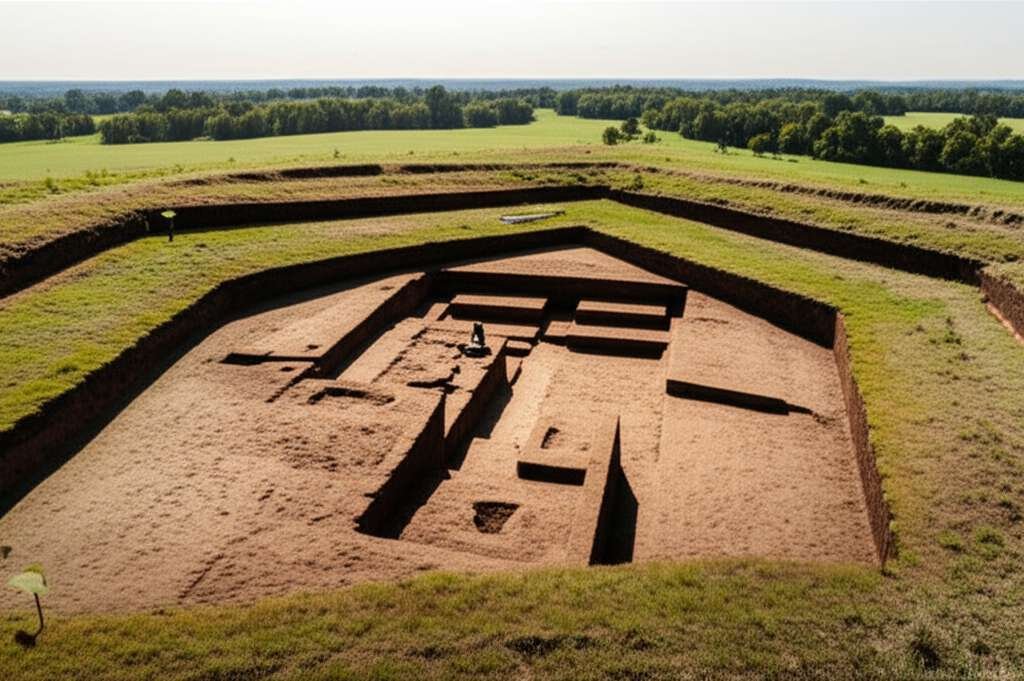
If you’re fascinated by ancient civilizations, the Spiro Mounds Archaeological Center is an absolute must-visit. This site preserves the remains of a major Mississippian culture settlement that thrived here over 1,000 years ago. It’s one of the most important archaeological sites in the United States, and walking among the earthworks will make you feel like you’ve stepped onto another planet, or at least into a very distant past.
You can explore the reconstructed village and learn about the sophisticated society that once lived here, their farming practices, art, and religious beliefs. The museum exhibits are fantastic, showcasing artifacts unearthed from the mounds, giving you a tangible connection to these ancient Oklahomans. It’s a powerful reminder that this land has a deep and rich history far beyond what many realize.
2. Fort Washita: Frontier Fort Life
Step onto the grounds of Fort Washita, and you’ll feel the presence of the soldiers who once patrolled these grounds. Established in 1842, this U.S. military post played a crucial role in the region, especially for the Chickasaw and Choctaw Nations. It’s a place where military history meets Native American heritage, offering a complex and layered story.
You can wander through the beautifully preserved officers’ quarters, barracks, and stables. Imagine the daily routines, the challenges of frontier life, and the strategic importance of this location. The interpretive programs and reenactments here are incredibly engaging, bringing the past to life with vivid detail. It’s a fantastic spot to understand the military and cultural dynamics of 19th-century Oklahoma.
Find the Best Accommodation Deals
Compare prices from multiple booking platforms and find the best option for your stay.
Compare Hotel Prices3. Oklahoma State Capitol Building: More Than Just Politics
You might think a capitol building is just for government business, but Oklahoma’s Capitol is a treasure trove of history and art! Completed in 1917, it’s a stunning example of Beaux-Arts architecture and has witnessed decades of the state’s political and social evolution. The building itself is a work of art, with intricate details and grand spaces.
Take a guided tour to learn about the symbols and murals that depict Oklahoma’s unique history, from Native American heritage to the Dust Bowl and oil booms. Don’t miss the stunning view from the observation deck and the iconic golden goddess of Liberty atop the dome. It’s a place where you can feel the pulse of Oklahoma’s past and present all in one magnificent structure.
Find the Best Accommodation Deals
Compare prices from multiple booking platforms and discover the best stay options available.
⭐ Trusted by thousands of travelers
💰 Budget to luxury options available
4. Woolaroc Museum & Wildlife Preserve: A Visionary’s Legacy
Woolaroc is truly a hidden gem, a place that feels like stepping into a dream. Founded by oilman Frank Phillips, this estate is a testament to his love for art, history, and the natural world. The museum houses an incredible collection of Native American artifacts, Western art, and memorabilia from around the globe, all curated with a personal touch.
Beyond the museum, the 3,700-acre wildlife preserve is home to bison, elk, longhorn cattle, and more, roaming freely. It’s a serene and beautiful place to explore, offering a unique blend of cultural enrichment and natural beauty. You can easily spend a whole day here, soaking in the history and enjoying the peaceful surroundings. It’s one of those places that truly nourishes the soul.
Best Stay Deals Available
Compare prices across top booking platforms and find the best deal for your stay.
Check Available Rooms5. Pony Express Museum (Guthrie): Reliving the Legend
While the main Pony Express route didn’t go through Oklahoma, Guthrie, the state’s first territorial capital, boasts the official Pony Express Museum. This museum celebrates the daring riders and the short but legendary era of the Pony Express mail service. It’s a fun and interactive way to learn about a pivotal moment in American communication history.
You can see authentic memorabilia, learn about the challenges faced by riders, and even try your hand at delivering a “message.” Guthrie itself is a historic town with beautiful Victorian architecture, so combine your visit to the Pony Express Museum with a stroll through its charming downtown for a complete step back in time. It’s a great stop for families and anyone interested in the romanticized West.
6. First Indian President Memorial Park (Guthrie): Honoring Indigenous Leaders
Guthrie holds another significant historical site: the First Indian President Memorial Park. This park honors the Native American leaders who served as presidents of the Oklahoma Indian Territory. It’s a place for reflection and learning about the rich political history and leadership within the Native American tribes before statehood.
The park features statues and informational displays that tell the stories of these important figures. It’s a poignant reminder of the sovereignty and governance that existed in this region long before it became a state. Visiting here offers a deeper understanding of the complex pre-statehood history of Oklahoma and the enduring legacy of its Indigenous peoples.
7. Fort Gibson National Cemetery: Stories of Service
Fort Gibson National Cemetery is a place of solemn beauty and profound history. Established in 1863, it serves as the final resting place for soldiers and veterans from various conflicts, including the Civil War, Spanish-American War, World War I, World War II, and beyond. The rolling hills and meticulously kept headstones create a powerful sense of peace and remembrance.
Walking through the cemetery, you’ll find graves of individuals who played significant roles in shaping American history. It’s a place to reflect on sacrifice, service, and the countless stories of those who defended the nation. The adjacent Fort Gibson Historic Site also offers insights into the fort’s role in frontier expansion and Native American relocation.
8. Oklahoma City National Memorial & Museum: A Place of Remembrance and Resilience
This is a site that touches the heart and soul. The Oklahoma City National Memorial & Museum stands as a powerful tribute to the victims, survivors, and rescuers of the April 19, 1995, bombing of the Alfred P. Murrah Federal Building. It’s a place of deep reflection, sorrow, and ultimately, hope and resilience.
The outdoor memorial, with its Reflecting Pool and Survivor Tree, is a serene and moving space. The museum offers a comprehensive and deeply affecting account of the event, its impact, and the community’s response. It’s an essential visit to understand a defining moment in modern Oklahoma history and the strength of the human spirit in the face of tragedy. Trust me, it’s an experience that will stay with you.
9. Washita Battlefield National Historic Site: A Turning Point
Journey to the Washita Battlefield National Historic Site to understand a critical and controversial event in U.S. history. This site commemorates the Battle of Washita River in 1868, where Lt. Col. George Custer led an attack on a Southern Cheyenne encampment led by Chief Black Kettle. It’s a place that sparks important conversations about westward expansion and Native American conflict.
You can explore the battlefield, visit the interpretive center to learn about the perspectives of both the U.S. Army and the Cheyenne people, and gain a deeper understanding of the complexities of this era. The vast, open landscape itself tells a story of the frontier. For more context on the historical significance of sites like this, check out the National Park Service’s resources on their website.
10. Robbers Cave State Park: Wild West Hideouts
For a taste of the Wild West lore, head to Robbers Cave State Park. This rugged and beautiful park is steeped in legends of outlaws and bandits who used its caves and canyons as hideouts in the late 19th and early 20th centuries. You can almost feel the thrill of the chase and the mystery of those lawless times as you hike through the dramatic landscape.
Explore the famous cave itself, which is said to have been a refuge for figures like Belle Starr. Beyond the outlaw tales, the park offers fantastic hiking, rappelling, and horseback riding opportunities amidst stunning natural scenery. It’s a perfect blend of adventure and history, making it a unique destination for any traveler seeking a bit of frontier spirit.
Planning Your Oklahoma History Adventure
Oklahoma’s history is as diverse as its landscape, offering something for every curious traveler. To help you make the most of your trip, here’s a little table to give you an idea of when to visit and what to expect:
| Location/Site | Best Months to Visit | Average Daily Cost (per person, excluding travel) | Key Historical Theme |
|---|---|---|---|
| Spiro Mounds | Spring (March-May), Fall (September-November) | $15 – $30 (entry fees, gift shop) | Mississippian Culture, Archaeology |
| Fort Washita | Spring (March-May), Fall (September-November) | $10 – $25 (entry fees, exhibits) | Frontier Military, Native American History |
| OK State Capitol | Year-round (check tour times) | $5 – $15 (gift shop, optional tours) | State Government, Art, Architecture |
| Woolaroc Museum | Spring (March-May), Fall (September-November) | $20 – $40 (entry, gift shop, cafe) | Western Art, Native American Artifacts, Wildlife |
| Pony Express Museum (Guthrie) | Spring (March-May), Fall (September-November) | $10 – $20 (entry, gift shop) | Frontier Communication, Pioneer Life |
| OKC National Memorial & Museum | Spring (March-May), Fall (September-November) | $30 – $50 (museum entry, donations) | Resilience, Remembrance, Tragedy |
| Robbers Cave State Park | Spring (March-May), Fall (September-November) | $15 – $35 (park entry, cave tours, lodging) | Wild West Legends, Natural History |
This table gives you a rough idea, but remember that these costs are estimates. Spring and fall generally offer the most pleasant weather for exploring Oklahoma’s outdoor historic sites, with comfortable temperatures and beautiful scenery. Summer can be quite hot, and winter can bring unpredictable weather, but many indoor museums are great year-round!
What You’ll Love Most
You’ll be amazed by the sheer variety of history Oklahoma holds. It’s not just one story, but many, woven together. Here’s what I think you’ll find most captivating:
- The ancient mysteries of Spiro Mounds will spark your imagination about who lived here long ago.
- The tangible sense of frontier life at Fort Washita and Robbers Cave will make you feel like you’re in an old Western movie.
- The powerful emotional journey at the Oklahoma City National Memorial & Museum is incredibly moving and inspiring.
- The artistic and natural beauty of Woolaroc offers a unique and peaceful historical experience.
Tips You’ll Thank Me For
Planning a trip can sometimes feel like a puzzle, but I’ve got a few tips to make your Oklahoma history exploration smoother:
- Book Ahead: For popular tours or accommodations, especially during peak seasons, booking in advance is always a good idea.
- Comfortable Shoes: You’ll be doing a lot of walking, often on uneven historical grounds or trails.
- Stay Hydrated: Oklahoma can get warm, so carry water, especially when visiting outdoor sites.
- Check Hours: Historic sites and museums can have varying hours, especially off-season, so always check their websites before you go.
- Embrace the Story: Don’t just look at the exhibits; try to imagine the people who lived, worked, and played at these sites.
- Pack Layers: Oklahoma weather can change, so dressing in layers will help you stay comfortable.
- Local Eats: Don’t forget to try some classic Oklahoma cuisine – think onion burgers, fried okra, and maybe even some BBQ!
The History is Alive: A Quick Look at Key Eras
Oklahoma’s history spans millennia and several distinct eras, each leaving its mark on the landscape and culture:
| Era | Approximate Time Period | Notable Historical Sites/Themes |
|---|---|---|
| Pre-Columbian Indigenous Cultures | Pre-1500s | Spiro Mounds (Mississippian culture) |
| Native American Removal & Territory Era | 1830s – 1907 | Fort Washita, Five Civilized Tribes Museum, First Indian President Memorial Park |
| Frontier & Military Posts | Mid-1800s – Early 1900s | Fort Washita, Fort Gibson National Cemetery, Washita Battlefield |
| Wild West & Outlaw Era | Late 1800s – Early 1900s | Robbers Cave State Park, stories of figures like Belle Starr |
| Oklahoma Statehood & Early 20th Century | 1907 – 1930s | Oklahoma State Capitol, Guthrie historic district |
| Dust Bowl & Great Depression | 1930s | Many rural areas experienced significant hardship; museums often cover this period. |
| Mid-20th Century to Present | 1940s – Today | Oklahoma City National Memorial & Museum, reflecting modern history. |
Understanding these eras helps paint a fuller picture of how Oklahoma developed. From the ancient peoples who shaped the earthworks at Spiro Mounds to the resilience shown after the OKC bombing, each period adds a vital chapter to the state’s captivating narrative. For more detailed historical context, resources like the Oklahoma Historical Society are invaluable.
Frequently Asked Questions About Oklahoma’s Historic Sites
Q1: What is the most ancient historic site in Oklahoma?
The Spiro Mounds Archaeological Center is by far the most ancient site, preserving remnants of a Mississippian culture settlement that dates back over 1,000 years. It’s incredible to stand where those ancient peoples lived and thrived!
Q2: Are these historic sites good for families with kids?
Absolutely! Many sites like Fort Washita, Woolaroc, and Robbers Cave offer interactive elements and engaging stories that kids will love. The Pony Express Museum is also a hit with younger visitors. The OKC National Memorial & Museum is more somber but incredibly important for older children and teens to learn about resilience.
Q3: How much does it typically cost to visit these sites?
Entry fees vary. Some sites, like state parks and the outdoor memorials, might have minimal entrance fees or be free, while museums and archaeological centers usually charge admission, typically ranging from $10 to $30 per person. Always check their official websites for the most current pricing.
Q4: Is it better to visit Oklahoma’s historic sites in the summer or fall?
While you can visit year-round, the spring and fall are generally the most comfortable. Summers in Oklahoma can be very hot, making outdoor exploration challenging. Fall offers beautiful foliage and pleasant temperatures, perfect for exploring sites like Washita Battlefield or Robbers Cave.
Q5: What should I wear when visiting historic sites in Oklahoma?
Comfort is key! Wear comfortable walking shoes, as you’ll likely be on your feet a lot. Light, breathable clothing is best for warmer months, and bringing layers is always a good idea, as the weather can change. Don’t forget sun protection like hats and sunscreen for outdoor sites!
Q6: Can I take photos at these historic locations?
Generally, yes! Photography is usually allowed at most historic sites for personal use, allowing you to capture memories. However, some museums may have restrictions on flash photography or photography in certain exhibit areas, so it’s always best to look for signage or ask staff if you’re unsure.
Q7: What kind of food should I expect to find near these sites?
Oklahoma has a delicious culinary scene! Expect classic American comfort food, great BBQ, and unique regional specialties like onion burgers. Many smaller towns near historic sites will have local diners and cafes offering a true taste of Oklahoma. Don’t miss trying some local favorites!