
North Dakota’s stunning landscapes and unique charm are waiting to be captured! From badlands to vibrant cities, these 10 spots will fill your camera roll with unforgettable beauty. Get ready for some truly breathtaking shots that’ll make everyone ask, “Where is that?!”
Hey there, fellow adventurers! Imagine wide-open skies painted with fiery sunsets, rugged landscapes that whisper tales of the past, and quirky roadside attractions that make you smile. That’s North Dakota for you – a place that often flies under the radar but is an absolute treasure trove for anyone with a camera. I recently explored this gem of the Midwest, and let me tell you, my memory card is still singing its praises!
Check the latest prices and available rooms before they sell out.
Check AvailabilityPicture this: you’re standing on a high bluff, the wind gently tousling your hair, as the sun dips below the horizon, casting a golden glow over rolling hills and dramatic rock formations. Or maybe you’re wandering through a charming small town, discovering vibrant murals that tell stories of its history. North Dakota offers a different kind of beauty, one that’s subtle, profound, and incredibly rewarding to photograph. It’s a place where you can truly connect with nature and history, finding inspiration around every corner.
This state is an photographer’s dream, offering a diverse range of scenes that are both awe-inspiring and surprisingly accessible. Whether you’re a seasoned pro or just starting out with your phone camera, you’ll find plenty of opportunities to create magic. Forget crowded tourist traps; North Dakota offers authentic beauty that feels like your own personal discovery.
Let’s plan your trip to capture these incredible sights!
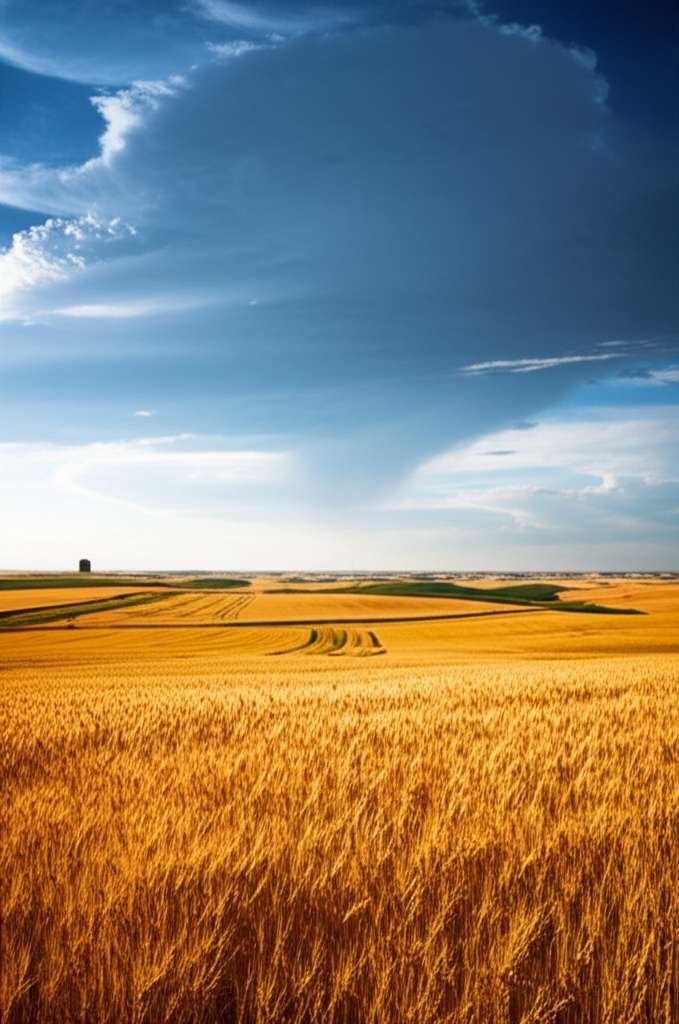
Your Guide to North Dakota’s Most Photogenic Places
North Dakota might not be the first place that comes to mind for a photography trip, but trust me, it should be! This state is packed with jaw-dropping scenery, fascinating history, and unique cultural gems that are just begging to be photographed. I’ve put together a list of 10 spots that I guarantee will inspire your inner shutterbug.
1. Theodore Roosevelt National Park (South Unit) – Painted Canyon
This is the crown jewel, folks! The South Unit of Theodore Roosevelt National Park is where the iconic badlands truly shine. The Painted Canyon overlook is an absolute must-see, especially at sunrise or sunset. The layers of colorful rock, sculpted by wind and water over millennia, create a breathtaking panorama.
When I first saw this view, I was speechless. The reds, yellows, and purples in the rock formations just glowed under the changing light. It feels ancient and wild, and every angle offers a new perspective. Bring your wide-angle lens for the sweeping vistas, and don’t forget a telephoto to capture the details of the buttes and canyons.
Find the Best Accommodation Deals
Compare prices from multiple booking platforms and find the best option for your stay.
Compare Hotel PricesWhat to capture here:
- The vastness of the badlands at sunrise/sunset.
- Wildlife like wild horses, bison, and prairie dogs in their natural habitat.
- Intricate rock formations and geological layers.
- The winding scenic drive with numerous pull-offs.
2. Theodore Roosevelt National Park (North Unit) – Tranquil Beauty
While the South Unit gets a lot of attention, the North Unit offers a more serene and equally stunning badlands experience. The drive along the winding road here is spectacular, with fewer crowds and a sense of untouched wilderness. The sheer scale of the canyons and the solitude make for incredible photography.
Find the Best Accommodation Deals
Compare prices from multiple booking platforms and discover the best stay options available.
⭐ Trusted by thousands of travelers
💰 Budget to luxury options available
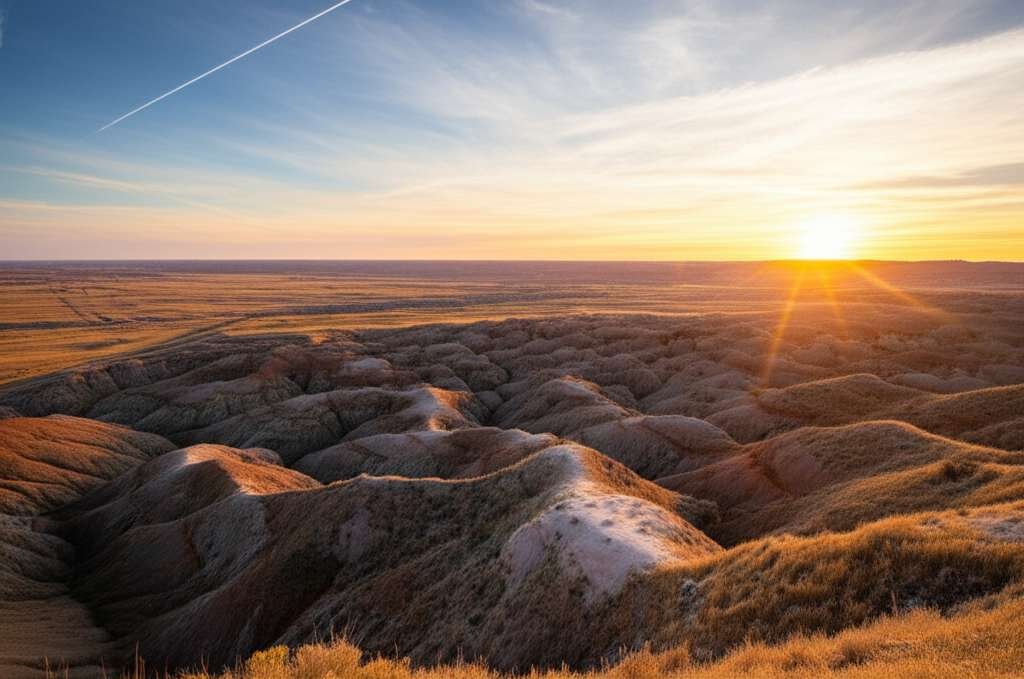
I loved the quiet here. It felt like stepping back in time. The rugged beauty is raw and powerful. You can hike down into some of the canyons for a different perspective, and the light filtering through the narrow passages is just magical. Keep an eye out for the park’s wild horses – they are often seen grazing in the North Unit!
Don’t miss:
Best Stay Deals Available
Compare prices across top booking platforms and find the best deal for your stay.
Check Available Rooms- Oxbow Overlook for dramatic riverbend views.
- Petrified Forest trail for a glimpse into prehistoric times.
- The peaceful atmosphere for intimate landscape shots.
3. Lake Sakakawea – Water’s Edge Wonders
North Dakota’s largest lake, Lake Sakakawea, offers beautiful water-based photography opportunities. The vast expanse of water, dotted with islands and framed by rolling hills, is stunning. Whether it’s a misty morning sunrise or a dramatic thunderstorm rolling in, the lake provides endless inspiration.
I spent a morning by the lake, and the reflections on the calm water were absolutely captivating. The shoreline is dotted with interesting driftwood and rocks, perfect for foreground interest in your shots. It’s also a fantastic spot for astrophotography on clear nights, with the dark skies offering a brilliant canvas for the stars.
Photo ideas at Lake Sakakawea:
- Sunrise and sunset over the water.
- Silhouettes of boats or birds against the sky.
- Close-ups of driftwood or unique shoreline textures.
- Starry night skies reflected in the lake.
4. International Peace Garden – A Floral Fairytale
This place is a dream for photographers, especially during the warmer months! Straddling the US-Canada border, the International Peace Garden is a meticulously maintained botanical paradise. The formal gardens, stunning floral displays, and serene lakes offer a completely different photographic experience from the badlands.
Walking through the gardens felt like stepping into a storybook. The colors are so vibrant, and the arrangements are just exquisite. I loved capturing the intricate details of the flowers, the peaceful reflections in the water features, and the iconic Peace Chapel. It’s a place where beauty and tranquility meet.
Capture these at the Peace Garden:
- Vibrant floral displays and intricate garden designs.
- The iconic Peace Chapel and its surroundings.
- Reflections in the formal gardens’ ponds and fountains.
- The border monument and the sense of international unity.
5. Fargo – Urban Art and Charm
Fargo, North Dakota’s largest city, might surprise you with its vibrant arts scene and photogenic spots. Downtown Fargo boasts beautiful historic architecture, colorful murals, and quirky street art that add character to the urban landscape. It’s a great place to capture a different side of North Dakota.
I had so much fun exploring downtown Fargo. The street art scene is really popping, with murals covering entire buildings! It’s a fantastic place for urban photography, with interesting textures, vibrant colors, and unique cityscapes. Don’t forget to check out the historic buildings – they have so much character.
Fargo photo checklist:
- Vibrant murals found throughout downtown.
- Historic buildings along Broadway.
- The unique atmosphere of the unique shops and cafes.
- Street photography capturing the city’s energy.
6. Devils Lake – Wetlands and Wildlife
Devils Lake is a vast, shallow lake system known for its abundant wildlife and beautiful wetland scenery. It’s a paradise for birdwatchers and wildlife photographers, especially during migration seasons. The sunrises and sunsets over the water and reeds are simply spectacular.
This place is a haven for nature lovers! I spent hours just watching the diverse birdlife – pelicans, waterfowl, and so many others. The shallow waters and marshy areas create a unique photographic environment. The soft light filtering through the reeds at dawn and dusk is pure magic for capturing the serene beauty of the wetlands.
Wildlife photography tips:
- Focus on birds in flight and resting in their natural habitat.
- Capture the reflections of the sky and reeds in the water.
- Look for interesting textures in the marsh grasses and water.
- Be patient – wildlife photography requires time and observation!
7. Lewis and Clark State Park – River Views and History
Located on the Missouri River, this park offers a glimpse into the historic Lewis and Clark expedition’s journey. The riverbanks, the water itself, and the surrounding natural beauty provide excellent photo opportunities, especially for those interested in history and landscapes.
Standing by the Missouri River here, you can almost feel the spirit of exploration. The wide river, the cottonwood trees, and the open sky create a classic prairie landscape. It’s a peaceful spot to capture the grandeur of the river and imagine the explorers who once navigated these waters.
What to photograph:
- The wide expanse of the Missouri River.
- Trees lining the riverbanks.
- Interpretive signs detailing the expedition’s history.
- Peaceful lakeside or riverside scenes.
8. Knife River Indian Villages National Historic Site – Echoes of the Past
This site preserves the remains of the earthlodges where Hidatsa and Mandan tribes lived for centuries. The rolling hills, the outline of the old villages, and the interpretive center offer a unique chance to photograph a significant historical and cultural landscape.
Walking through these historic villages felt incredibly moving. The landscape itself tells a story, with the depressions in the earth marking where ancient homes once stood. It’s a solemn and beautiful place, perfect for capturing images that evoke history and respect for the indigenous peoples who called this land home.
Historical photography:
- The visible earthlodge depressions.
- The reconstructed earthlodge for a tangible sense of history.
- The expansive views of the Missouri River valley.
- Interpretive displays and historical markers.
9. The Enchanted Highway – Quirky roadside Art
This isn’t a traditional landscape, but it’s undeniably a stunning and unique photographic destination! The Enchanted Highway features a series of massive metal sculptures scattered across miles of rural landscape. It’s pure Americana and incredibly fun to photograph.
You absolutely have to drive the Enchanted Highway! Each sculpture is enormous and so creatively designed – a giant grasshopper, a soaring eagle, a soaring airplane. It’s a whimsical and unforgettable road trip, and every stop offers a quirky, colorful subject against the backdrop of the wide-open North Dakota plains. Don’t forget to stop at the final giant sculpture in Regent!
Sculpture highlights:
- The “Grasshopper” near Regent.
- The “Geese in Flight” near Gladstone.
- The “World’s Largest Tin Family” near Bowman.
- Any and all of the magnificent metal creations!
10. Theodore Roosevelt National Park (Maltese Cross Cabin) – A Presidential Moment
Within the South Unit of Theodore Roosevelt National Park, you can visit the Maltese Cross Cabin, a restored historic site where Theodore Roosevelt lived. It’s a tangible connection to the park’s namesake and offers a unique historical photography subject amidst the badlands.
Stepping into this cabin feels like a direct link to Teddy Roosevelt’s time in the badlands. It’s a simple, rustic structure that perfectly captures the spirit of the frontier. Photographing it against the backdrop of the rugged landscape adds a layer of historical depth to your images. It’s a quiet, reflective spot that’s a must-visit for history buffs and photographers alike.
Capture the essence:
- The cabin exterior with the badlands as a backdrop.
- Interior shots (if permitted and appropriate) to show the living conditions.
- The surrounding landscape that Roosevelt loved.
When to Visit North Dakota for the Best Photos
North Dakota has four distinct seasons, and each offers unique photographic opportunities. The “best” time really depends on what you want to capture!
Here’s a quick look at what you can expect:
| Season | Months | Average Temperature (°F) | Best For Photography | Notes |
|---|---|---|---|---|
| Spring | March – May | 30s – 60s | Wildlife births, blooming wildflowers, thawing landscapes. | Can be muddy; weather can be unpredictable. |
| Summer | June – August | 60s – 80s | Lush greenery, long daylight hours, vibrant flowers (gardens), outdoor sculptures. | Can be hot and humid; potential for thunderstorms. |
| Fall | September – November | 40s – 70s (early) to 20s – 40s (late) | Stunning fall foliage (limited but beautiful), golden hour light, crisp air, wildlife preparing for winter. | Ideal for landscape photography; best light is often in the morning and late afternoon. |
| Winter | December – February | 10s – 30s (below) | Snow-covered landscapes, dramatic ice formations, unique winter light. | Requires warm gear; roads can be challenging; stunning, stark beauty. |
As you can see, there’s no single “wrong” time to visit for photography. Spring and fall generally offer the most comfortable weather and beautiful light for landscapes and wildlife. Summer is great for vibrant colors in gardens and long days for exploring. Winter provides a dramatic, monochromatic beauty that can be incredibly striking. I personally love the crispness of fall for those rich, warm tones, but a fresh snowfall in winter can transform the badlands into something truly magical!
Budgeting Your North Dakota Photography Adventure
North Dakota can be a very budget-friendly state for travelers, especially if you plan smart. The vastness means you might need a car, which is a significant cost for many trips, but once you’re there, many of the natural attractions have low or no entrance fees.
Here’s a rough idea of what you might spend:
| Category | Estimated Daily Cost (per person, USD) | Notes |
|---|---|---|
| Accommodation (Budget – Mid-range) | $70 – $150 | Camping, motels, and budget hotels are widely available. |
| Food | $40 – $70 | Mix of groceries, diners, and local restaurants. |
| Transportation (Gas & Car Rental) | $30 – $60 (averaged) | Highly variable based on your vehicle and driving distance. |
| Activities/Entrance Fees | $10 – $30 | Mostly national park fees, some state parks, or unique attractions. |
| Miscellaneous (Souvenirs, etc.) | $10 – $20 | Optional, depending on your spending habits. |
This table gives you a ballpark figure. You can definitely travel more affordably by camping or staying in more basic accommodations and cooking your own meals. For example, a campsite in a state or national park might only cost $20-$30 a night, saving you a significant chunk. National Park entrance fees are usually per vehicle and can be a great value if you plan to visit multiple parks within a year with a pass like the America the Beautiful Pass. Trust me, the visual rewards you get in North Dakota are well worth the investment!
Tips for Capturing Stunning Shots
Okay, you’ve got your list of places, you know when to go, and you have a rough budget. Now, let’s talk about making those photos truly shine! I’ve picked up a few tricks during my travels, and I’m happy to share them with you.
- Embrace the Golden Hours: This is photography 101, but it’s especially true in North Dakota’s wide-open spaces. The hour after sunrise and the hour before sunset offer the most beautiful, soft light that makes landscapes glow. You’ll get those incredible warm tones and long shadows that add depth.
- Look for Leading Lines: The roads, trails, and riverbanks in North Dakota are perfect for leading lines. Use them to guide the viewer’s eye into your image, creating a sense of depth and drawing them into the scene. Think about how the road snakes through the badlands or how a river bends.
- Don’t Forget the Details: While the grand vistas are amazing, look closer! The textures of the badlands rock, the patterns in the prairie grass, the intricate details of the sculptures on the Enchanted Highway, or the delicate petals of a wildflower – these smaller subjects can make for equally compelling photos.
- Capture the Scale: The vastness of North Dakota is one of its defining features. Include a human element (even just your own silhouette!) or a recognizable object like a tree or a vehicle to show just how immense the landscape truly is. This helps viewers grasp the sheer scale of places like Theodore Roosevelt National Park.
- Weather is Your Friend: Don’t shy away from dramatic weather! Storm clouds gathering over the badlands can create incredible mood. Mist rising off a lake in the morning adds a sense of mystery. Even a simple rainy day can offer unique reflections and muted colors. Just be prepared and stay safe!
- Pack Smart: Bring a sturdy tripod for those low-light golden hour shots and for sharper images in general. A polarizing filter can cut glare on water and enhance the sky’s blue. Extra batteries and memory cards are essential, especially when you’re out in remote areas. And of course, make sure your camera gear is protected from dust and elements.
- Visit the Official Tourism Site: For up-to-date information on events, road conditions, and more detailed guides, check out the official North Dakota tourism website. It’s a great resource for planning your itinerary and discovering hidden gems. You can find it at https://www.ndtourism.com/.
Trust me, taking a few extra moments to consider composition and light can make all the difference between a snapshot and a stunning photograph.