
Discover 10 breathtaking photography spots in Banff National Park that will make your trip unforgettable. From iconic lakes to majestic mountains, capture stunning shots with these easy-to-find locations, perfect for beginners!
Planning a trip to Banff can feel like a dream, but knowing where to find those postcard-perfect views can be tricky. You see incredible photos online and wonder, “How do I get there?” and “Will I even be able to find it?”
Check the latest prices and available rooms before they sell out.
Don’t worry! We’ve got you covered. This guide breaks down the most stunning photography spots in Banff National Park into simple, easy-to-follow recommendations.
Get ready to fill your camera roll with the magic of the Canadian Rockies!
10 Stunning Photography Spots in Banff National Park
Banff National Park is a photographer’s paradise, offering an endless array of jaw-dropping scenery. Whether you’re a seasoned pro or just starting with your smartphone, these ten spots are guaranteed to deliver incredible shots.
1. Moraine Lake
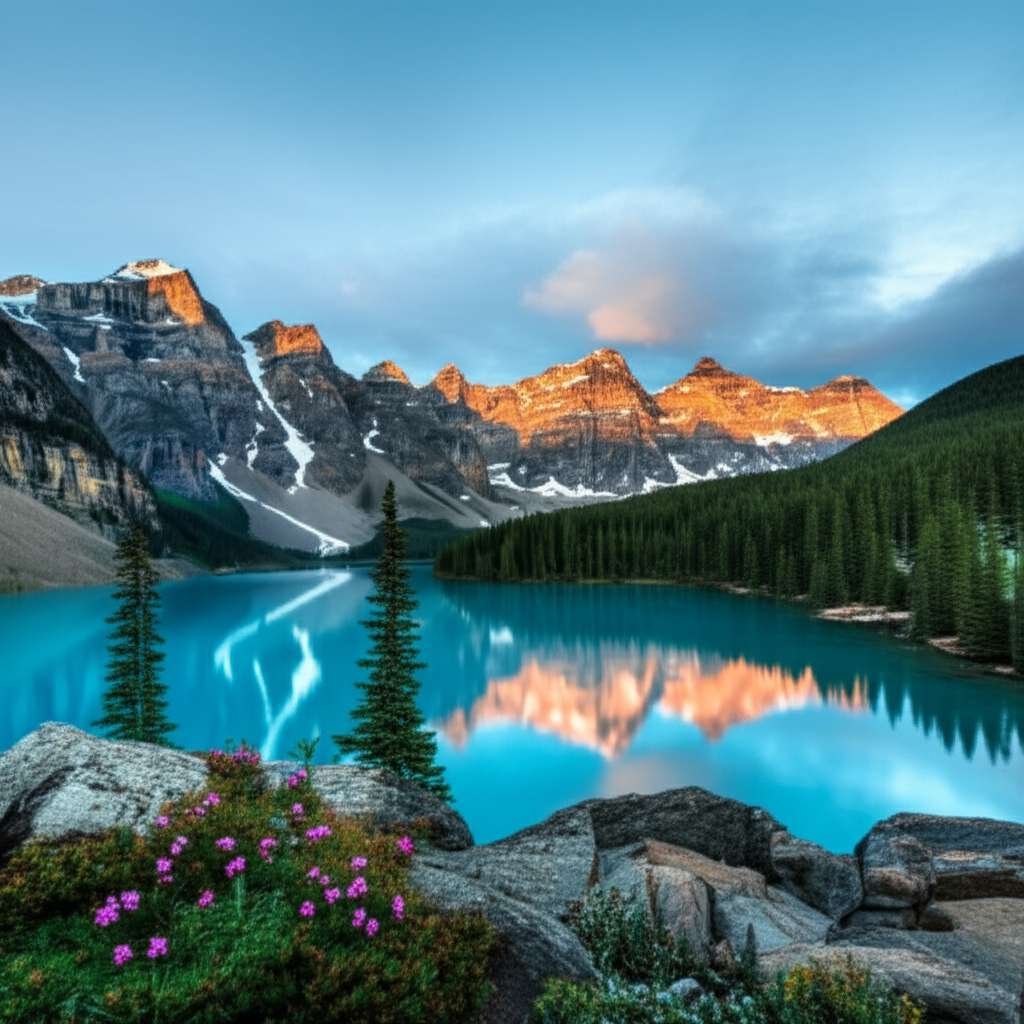
Often called “Canada’s most beautiful lake,” Moraine Lake is a true gem. Its vibrant turquoise water, set against the backdrop of the Valley of the Ten Peaks, is simply mesmerizing. The best viewpoint is from the Rockpile, an easy climb that offers an iconic panorama.
Why it’s great for photos: The intense blue of the water, framed by dramatic mountain peaks, creates a scene that looks almost unreal. It’s especially stunning in the morning light.
Pro-Tip: Access to Moraine Lake is restricted to shuttle buses, bikes, and commercial operators during the peak season (late May to mid-October) to reduce congestion. Plan your visit accordingly!
Find the Best Accommodation Deals
Compare prices from multiple booking platforms and find the best option for your stay.
Compare Hotel Prices2. Lake Louise
Lake Louise is world-famous for its dazzling emerald waters and the majestic Victoria Glacier. The Fairmont Chateau Lake Louise provides a picturesque foreground, adding a touch of elegance to the wild beauty of the mountains.
What to capture: The classic shot is from the lakeshore, looking towards the glacier. You can also rent a canoe for a unique perspective from the water.
Find the Best Accommodation Deals
Compare prices from multiple booking platforms and discover the best stay options available.
⭐ Trusted by thousands of travelers
💰 Budget to luxury options available
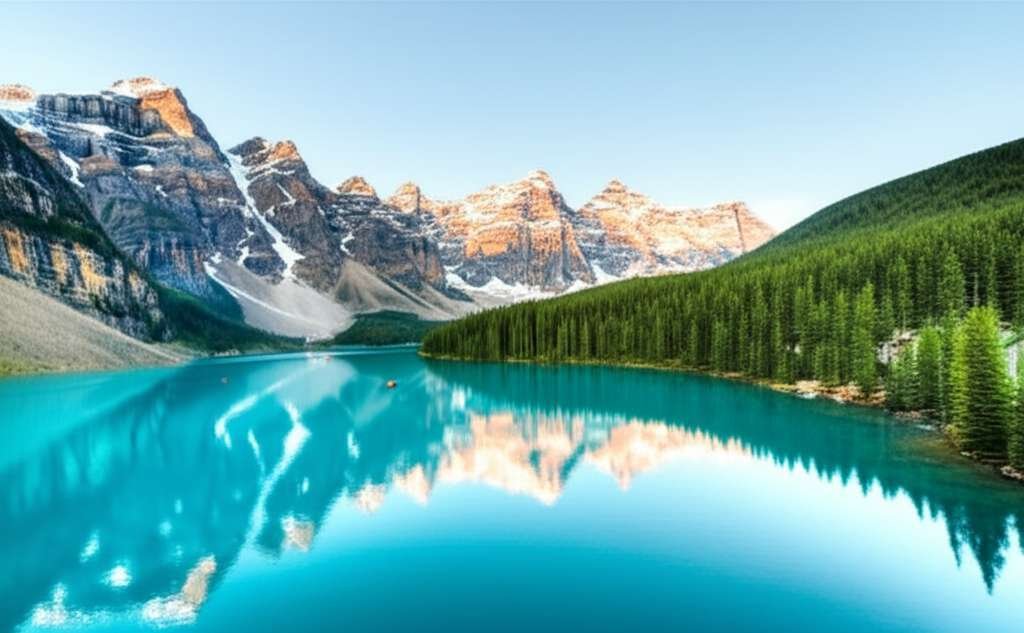
Best time for photos: Sunrise offers a soft, golden light that illuminates the peaks. During the day, the water’s color is at its most vibrant.
3. Peyto Lake Viewpoint
This viewpoint offers one of the most unique and recognizable vistas in Banff. Peyto Lake, shaped like a wolf’s head, boasts an incredible milky-blue hue due to glacial rock flour.
Best Stay Deals Available
Compare prices across top booking platforms and find the best deal for your stay.
Check Available RoomsGetting there: A short, paved walk from the parking lot leads you to the viewpoint. It’s very accessible for all skill levels.
Photo opportunities: The sweeping overlook provides an unparalleled view of the lake’s distinctive shape and color. It’s a must-see and a must-photograph location.
4. Johnston Canyon
Johnston Canyon offers a different kind of beauty – a lush, forested canyon carved by a rushing creek. Easy catwalks and paved trails lead you past stunning waterfalls, including the Lower and Upper Falls.
Photography focus: Capture the power of the water cascading down, the moss-covered rocks, and the light filtering through the trees. The feeling is serene and wild.
Tip for beginners: Wear comfortable shoes! The trails are well-maintained, but you’ll want to explore as much as possible. The catwalks can get busy, so patience is key.
5. Bow Lake and Num-Ti-Jah Lodge
Nestled along the Icefields Parkway, Bow Lake is a serene spot with breathtaking reflections of the surrounding mountains. The historic Num-Ti-Jah Lodge adds a charming, rustic element to the landscape.
Photo ideas: The reflections on a calm day are spectacular. Try capturing the lodge against the backdrop of Crowfoot Glacier and Mount Thompson.
When to go: Early morning or late afternoon often provide the best light for reflections and softer tones.
6. Surprise Corner
This viewpoint offers a classic, postcard-perfect view of the Fairmont Banff Springs Hotel, often referred to as the “Castle in the Rockies,” with Sulphur Mountain in the background.
How to find it: It’s a short drive or a pleasant walk from downtown Banff. Look for the viewpoint sign.
What makes it special: The framing of the iconic hotel with the dramatic mountain scenery is an unforgettable sight and a popular spot for photographers of all levels.
7. Vermilion Lakes
Located just west of Banff townsite, Vermilion Lakes are a series of shallow, mineral-rich lakes that offer stunning reflections of Mount Rundle, especially during sunrise and sunset.
Capture the magic: The calm waters create mirror-like reflections of the mountains, particularly beautiful in the soft light of dawn and dusk. Look for wildlife like elk and waterfowl.
Best for: Sunrise photographers will be rewarded with breathtaking views and peaceful moments. It’s a fantastic spot to start your day.
8. Emerald Lake (Yoho National Park)
While technically in Yoho National Park, Emerald Lake is just a short drive from Banff and is absolutely worth the trip for its stunning beauty. Its vibrant green waters and the surrounding peaks are incredibly photogenic.
Why it’s a must-visit: The intense color of the lake is unlike any other. You can walk around the lake or rent a canoe for a magical perspective.
Don’t miss: The historic Emerald Lake Lodge offers a cozy and scenic spot to relax and soak in the views.
9. Athabasca Glacier (Columbia Icefield)
Another incredible stop along the Icefields Parkway, the Athabasca Glacier is part of the vast Columbia Icefield. You can get up close on an Ice Explorer tour or view it from the Glacier Skywalk.
Photo subjects: The immense scale of the glacier is awe-inspiring. Capture the textures of the ice, the stark landscape, and the sense of ancient power.
Important note: Always stay on marked paths and follow guide instructions for safety when visiting glaciers.
Learn more about the Columbia Icefield and its accessibility on the official Banff Lake Louise Tourism website.
10. Tunnel Mountain Summit
For a rewarding panoramic view of Banff townsite, the Bow Valley, and surrounding peaks, hike to the summit of Tunnel Mountain. It’s a relatively short and accessible hike that offers incredible payoffs.
What to expect: The trail is well-maintained and offers several viewpoints as you ascend. The summit provides a 360-degree vista.
Perfect for: Anyone looking for a great view without a strenuous, all-day climb. It’s a fantastic spot for sunset or sunrise photos.
Planning Your Photography Adventure in Banff
Banff National Park is a vast and stunning place. To make the most of your photography trip, a little planning goes a long way. Here are some tips to help you capture those perfect shots.
Best Time of Year for Photography
Each season in Banff offers unique photographic opportunities:
- Spring (April-May): Witness the transition from winter to spring. Lakes may still be frozen or just beginning to thaw, offering dramatic icy landscapes. Wildflowers start to bloom, and wildlife becomes more active.
- Summer (June-August): The most popular time. Lakes are their vibrant turquoise color, and the mountains are lush and green. Expect longer daylight hours, perfect for extended shooting. However, it’s also the busiest season.
- Autumn (September-October): Famous for its golden larch trees, this is a spectacular time for photographers. The crowds thin out, and the air is crisp. The lakes are still beautiful, and wildlife is often visible.
- Winter (November-March): Banff transforms into a winter wonderland. Frozen lakes, snow-covered peaks, and the chance to capture the Northern Lights create a magical, serene atmosphere.
Essential Gear for Beginner Photographers
You don’t need the most expensive equipment to get great shots. Here’s what’s helpful:
- A reliable camera: This could be a DSLR, mirrorless camera, or even a good smartphone.
- Extra battery and memory card: You don’t want to miss a shot because you ran out of power or space.
- A sturdy tripod: Essential for low-light conditions (sunrise/sunset) and for capturing sharp, clear images, especially with long exposures.
- Weather-appropriate clothing: Banff’s weather can change quickly. Layers are key!
- Comfortable walking shoes: You’ll be doing a lot of exploring.
- A wide-angle lens: Great for capturing expansive landscapes.
- A telephoto lens (optional): Useful for wildlife photography if you want to keep a safe distance.
Understanding Light in Photography
Light is your best friend as a photographer. Here’s how to use it:
- Golden Hour: The hour after sunrise and the hour before sunset. The light is soft, warm, and creates beautiful long shadows. This is often the most flattering light for landscapes.
- Blue Hour: The period just before sunrise and just after sunset when the sun is below the horizon. The sky takes on a deep blue hue, perfect for capturing dramatic skies.
- Midday Sun: Generally harsh and creates strong contrasts. It can be challenging for landscape photography but can work for certain subjects or if you use a polarizing filter.
Tips for Capturing Stunning Banff Photos
Here are some practical tips to elevate your photography game in Banff:
- Arrive early: Beat the crowds and capture the best light, especially at popular spots like Lake Louise and Moraine Lake.
- Look for reflections: Calm water bodies are perfect for mirror-like reflections. Wait for still conditions, often found in the early morning.
- Include foreground interest: Don’t just shoot the mountains. Find interesting rocks, flowers, or trees in the foreground to add depth to your image.
- Experiment with composition: Use the rule of thirds, leading lines, and symmetry to create more compelling photos.
- Be patient: Sometimes the perfect light or a clear shot takes time. Enjoy the scenery while you wait.
- Respect wildlife: Always maintain a safe distance. Never feed animals. Use a telephoto lens to get close-up shots without disturbing them.
- Check weather forecasts: Dramatic weather can create incredible photo opportunities, but always be prepared for safety.
Frequently Asked Questions About Banff Photography Spots
What is the most iconic photo spot in Banff?
Moraine Lake, especially the view from the Rockpile, is arguably the most iconic and frequently photographed spot in Banff National Park. Its vibrant turquoise water and the Valley of the Ten Peaks create an unforgettable scene.
When is the best time of day to photograph Lake Louise?
Sunrise offers soft, golden light that illuminates the Victoria Glacier and surrounding mountains beautifully. Early morning also provides calmer waters for stunning reflections and fewer crowds.
Are there any photography spots that are easy to access for beginners?
Yes! Peyto Lake Viewpoint and Johnston Canyon (Lower Falls) are very accessible with short, paved walks from parking areas, offering incredible scenery with minimal effort.
Can I take photos of wildlife in Banff?
Absolutely! Banff is teeming with wildlife like elk, deer, bighorn sheep, and bears. However, it’s crucial to maintain a safe distance (at least 30 meters for most animals, 100 meters for bears and wolves) and never feed them. A telephoto lens is recommended for wildlife photography.
What is the best season for landscape photography in Banff?
Each season has its charm. Summer offers vibrant colors and accessible trails. Autumn is famous for the golden larch trees. Winter provides dramatic snow-covered landscapes. Spring offers a mix of thaw and bloom. For the iconic turquoise lakes, late spring through early autumn is best.
Do I need a park pass to take photos in Banff?
Yes, a Parks Canada Discovery Pass is required for all visitors entering Banff National Park, including those who are just stopping to take photos. You can purchase passes online or at park gates.
Are there any photography tours available in Banff?
Yes, there are several guided photography tours available in Banff. These tours can be excellent for beginners, as they take you to the best spots, often at optimal times, and provide valuable tips from experienced photographers.
Essential Information for Your Banff Trip
Before you pack your bags and camera, here’s some key information to ensure a smooth and enjoyable trip to Banff National Park.
Park Pass Requirements
To visit and photograph within Banff National Park, you need a Parks Canada Discovery Pass. This pass covers entry to all national parks in Canada for a year. You can purchase a day pass or an annual pass.
Where to get your pass:
- Online via the Parks Canada website.
- At park gates upon entry.
- At Parks Canada visitor centres.
Keep your pass visible on your dashboard or carry it with you.
Transportation and Access
Getting around Banff and to its photography spots requires some planning:
- Driving: The most flexible way to explore. Major highways like the Trans-Canada Highway and the Icefields Parkway are well-maintained.
- Shuttles: For popular areas like Moraine Lake and Lake Louise, Parks Canada operates shuttle services during the peak season to manage traffic and parking. Booking in advance is highly recommended.
- Roam Transit: Banff’s local public transit system connects the townsite to key attractions.
- Biking: A popular and eco-friendly option, especially for accessing areas like Moraine Lake during its vehicle-restricted periods.
Accommodation Options
Banff offers a range of accommodation, from luxury hotels to budget-friendly hostels and campgrounds.
Consider:
- Fairmont Banff Springs & Fairmont Chateau Lake Louise: Iconic luxury hotels with stunning locations.
- Hotels in Banff Townsite: A wide variety of hotels catering to different budgets.
- Hostels and Campgrounds: Great for budget travelers and those who want to be closer to nature. Book well in advance, especially for summer and fall.
When to Visit
The “best” time depends on your photographic goals:
- For vibrant lakes: Late May to early October.
- For autumn colors: Mid-September to early October.
- For winter landscapes and snow: December to March.
- For fewer crowds: Shoulder seasons (April-May, October-November) can offer unique beauty and solitude, but be aware of potential weather closures and limited services.
Always check the Parks Canada website for the latest information on trail conditions, road closures, and shuttle services before your visit.
Conclusion
Banff National Park is a place that truly inspires awe, and its stunning photography spots are waiting to be discovered. From the iconic turquoise waters of Lake Louise and Moraine Lake to the dramatic canyons and majestic glaciers, there’s a breathtaking view around every corner.
By planning your visit, understanding the best times and light conditions, and packing a few essential items, you’re well on your way to capturing incredible memories. Remember to embrace the adventure, stay safe, and most importantly, enjoy the unparalleled beauty of this Canadian treasure.
So grab your camera, step outside, and let Banff National Park work its magic. Your stunning photographs await!