
Discover Montana’s rich past! Explore 12 incredible historic landmarks, from ancient Native American sites to pioneer settlements and military forts, offering fascinating insights into the “Big Sky Country” heritage for any beginner traveler.
Planning your first trip to Montana can feel like a big adventure, and maybe a little overwhelming! You want to see the best of what this amazing state has to offer, especially its history. But where do you even start with so many incredible places?
Check the latest prices and available rooms before they sell out.
It’s totally normal to feel a bit lost when you’re charting new territory. This guide is here to make it super simple and fun. We’ll walk you through 12 must-see historic landmarks that tell the unique story of Montana.
Get ready to uncover hidden gems and make unforgettable memories. Let’s dive into the history that shaped Montana!
Unearthing Montana’s Past: A Traveler’s Guide
Montana, often called the “Big Sky Country,” holds a treasure trove of history waiting to be explored. From the ancient echoes of Native American life to the rugged tales of pioneers and the strategic importance of military outposts, its landmarks offer a vivid journey through time.
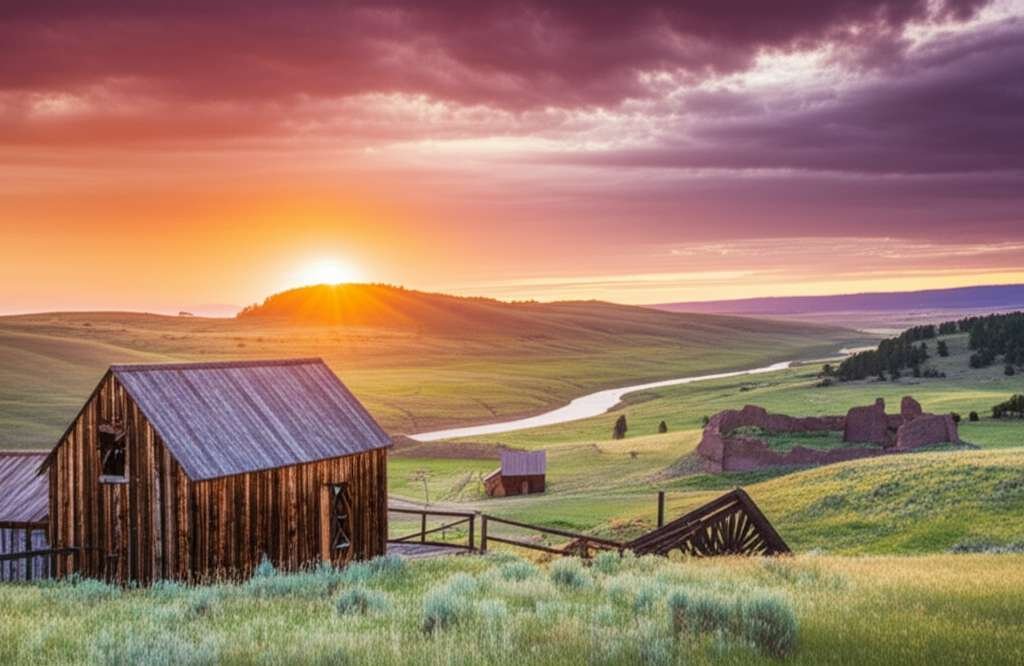
For beginners, navigating these historical sites can be an exciting first step into understanding the American West. This guide aims to simplify your exploration, highlighting key places that offer profound insights into Montana’s diverse heritage.
1. Little Bighorn Battlefield National Monument
This hallowed ground is where one of the most famous battles in American history took place. It’s a place of deep reflection and powerful stories.
Here, in 1876, Lieutenant Colonel George Armstrong Custer and his command were defeated by Lakota Sioux, Cheyenne, and Arapaho warriors. Walking the battlefield today, you can see the markers indicating where soldiers and warriors fell, offering a somber yet crucial understanding of Native American resistance and westward expansion.
Find the Best Accommodation Deals
Compare prices from multiple booking platforms and find the best option for your stay.
Compare Hotel PricesWhy visit?
Historical Significance: Witness the site of a pivotal battle that impacted U.S. Indian policy.
Educational Programs: Ranger talks and exhibits provide in-depth historical context.
Scenic Views: The rolling hills offer a beautiful, albeit poignant, landscape.
Find the Best Accommodation Deals
Compare prices from multiple booking platforms and discover the best stay options available.
⭐ Trusted by thousands of travelers
💰 Budget to luxury options available
2. Pompeys Pillar National Monument
Just east of Billings, Pompeys Pillar is a towering sandstone monolith with a story etched into its very surface. This site is incredibly significant for its connection to the Lewis and Clark Expedition.
Captain William Clark himself carved his name into the rock in 1806, making it the only remaining physical evidence of the expedition’s journey through Montana. The pillar is also a sacred site for the Apsáalooke (Crow) people, who have a long history with this distinctive landmark.
Best Stay Deals Available
Compare prices across top booking platforms and find the best deal for your stay.
Check Available RoomsAmazing Discoveries Here:
Clark’s Signature: See the actual inscription left by William Clark.
Ancient Petroglyphs: Discover rock art left by Native Americans from centuries past.
Visitor Center: Learn about the geology, natural history, and cultural significance of the pillar.
3. Grant-Kohrs Ranch National Historic Site
Step back in time to experience life on a 19th-century cattle ranch. Located near Deer Lodge, this site preserves the home and working ranch of the influential Grant and Kohrs families.
It offers a remarkable glimpse into the era of the great cattle drives and the development of the American West’s ranching industry. You can tour the ranch house, corrals, and blacksmith shop, imagining the daily lives of cowboys and ranchers.
What to explore:
Historic Ranch House: Explore the beautifully preserved Victorian home.
Ranch Operations: See original equipment and learn about cattle ranching techniques.
Living History: Often, costumed interpreters demonstrate ranch activities.
4. Pictograph Cave State Park
This park is a window into Montana’s ancient past, home to some of the oldest evidence of human presence in the state. Located near Billings, Pictograph Cave is a designated National Historic Landmark.
Inside the main cave, you can see well-preserved pictographs – ancient paintings on the cave walls created by Indigenous peoples thousands of years ago. These images offer a fascinating, albeit mysterious, glimpse into their beliefs, daily lives, and spiritual practices.
Discoveries to make:
Ancient Art: Marvel at pictographs dating back over 2,000 years.
Interpretive Trails: Easy trails lead you to the main caves and provide context.
Archaeological Significance: Understand the importance of this site for understanding early human history in the region.
5. First Peoples Buffalo Jump State Park
This site tells a dramatic story of survival and ingenuity. Located southwest of Great Falls, it’s a testament to the vital role the buffalo played in the lives of the Plains tribes.
For thousands of years, Indigenous peoples used natural topography, like the steep cliffs here, to hunt buffalo. They would stampede herds over the edge, providing essential food, hides, and tools for their communities. It’s a National Historic Landmark and a powerful reminder of traditional ecological knowledge.
Key features:
Buffalo Jump Site: Explore the area where the hunts took place.
Interpretive Center: Learn about the hunting techniques and cultural significance of buffalo.
Panoramic Views: Enjoy stunning vistas of the surrounding landscape.
6. Madison Buffalo Jump State Park
Similar to First Peoples Buffalo Jump, Madison Buffalo Jump near Logan offers another incredible example of ancient hunting strategies. This site also served as a critical buffalo jump for Indigenous peoples for millennia.
The dramatic cliffs overlooking the valley were a natural trap for herds. Standing at the top, you can almost hear the thundering hooves and the calls of hunters. It’s a place that connects you directly to the resourcefulness of Montana’s earliest inhabitants.
What makes it special:
Historic Hunting Ground: Understand a unique and effective method of acquiring sustenance.
Natural Beauty: The park offers beautiful views of the Madison River valley.
Archaeological Importance: This site provides crucial data on prehistoric human behavior.
7. The Little Rockies Dinosaur Trail (Multiple Sites)
While not a single landmark, this region in north-central Montana is a treasure trove for paleontology enthusiasts. The Little Rockies offer a chance to see where dinosaur fossils have been discovered.
This area is part of the larger “Montana Dinosaur Trail,” a network of sites celebrating the prehistoric giants that once roamed the earth. While you might not be digging for bones yourself, visiting these areas gives you a sense of the ancient world that existed long before humans.
Fossil Fun:
Discovery Sites: Learn about areas where significant dinosaur fossils have been found.
Museums: Nearby towns often have museums displaying local fossil finds.
Geological Wonders: Explore the unique rock formations that preserve these ancient remains.
8. Fort Benton National Historic Landmark
Often called the “Birthplace of Montana,” Fort Benton is a remarkably preserved frontier town and former fur trading post. Situated on the Missouri River, it was a crucial hub for trade, steamboats, and settlement in the 19th century.
Walking through the historic downtown, you can still feel the echoes of its bustling past. The Old Fort Benton museum and the levee, where steamboats once docked, are especially evocative. It’s a vital piece of Montana’s river heritage.
Historical Highlights:
Old Fort Benton: Explore the reconstructed fur trading post.
Missouri River Heritage: Understand the importance of the river for transportation and commerce.
Historic Architecture: Admire the buildings that have stood since the frontier days.
9. Bannack State Park
Bannack is Montana’s most famous ghost town, offering an unparalleled glimpse into the Gold Rush era. This preserved mining town was Montana’s first territorial capital, bustling with prospectors in the 1860s.
Today, over 50 structures remain, including saloons, a schoolhouse, and a hotel. You can wander through the silent streets, imagining the lives of those who sought their fortunes here. It’s a truly immersive historical experience.
Ghostly Encounters:
Preserved Buildings: Explore a remarkably intact 19th-century town.
Gold Rush History: Learn about the challenges and dreams of early miners.
Living History Events: The park sometimes hosts events that bring the town back to life.
10. The Nez Perce National Historical Park (Montana Sites)
This park is not a single location but a collection of sites across Montana that commemorate the history, culture, and journeys of the Nez Perce people. The most famous event linked to Montana is the Nez Perce War of 1877 and their subsequent flight.
Visiting these sites allows you to understand the Nez Perce’s deep connection to the land and their resilience. The Big Hole National Battlefield, though primarily in Montana, is a significant site within this park, marking a tragic battle during their attempted escape to Canada.
Nez Perce Heritage:
Cultural Understanding: Learn about the traditions and history of the Nez Perce tribe.
Historic Trails: Trace parts of their journey and understand their connection to the landscape.
Educational Exhibits: Discover their enduring legacy and relationship with the land.
11. Custer County Art & Historical Society Museum
Located in Miles City, this museum offers a deep dive into the history of southeastern Montana. It focuses on the ranching, railroad, and pioneer history of the region, providing a more localized perspective than larger national monuments.
The exhibits showcase artifacts from early settlers, Native American tribes of the area, and the development of the cattle industry. It’s a great place to get a feel for the everyday lives of those who shaped this part of the “Big Sky Country.”
Local Treasures:
Regional Focus: Understand the specific history of southeastern Montana.
Artifact Collections: See tools, clothing, and personal items from pioneers.
Community History: Get a sense of the people who built the towns and ranches.
12. Museum of the Plains Indian (Browning)
Situated on the Blackfeet Indian Reservation near Glacier National Park, the Museum of the Plains Indian is dedicated to preserving and celebrating the art and culture of the Northern Plains tribes. It offers a vital perspective on the Indigenous heritage of Montana.
The museum features stunning examples of traditional beadwork, quillwork, clothing, and tools. It provides an invaluable opportunity for visitors to learn directly from and about the rich artistic traditions of tribes like the Blackfeet, Crow, Cheyenne, and Sioux.
Cultural Immersion:
Indigenous Artistry: Admire intricate and beautiful traditional crafts.
Cultural Education: Gain insight into the customs, beliefs, and history of Plains tribes.
Tribal Connection: Understand the ongoing cultural contributions of Native American communities.
Planning Your Montana Historic Adventure: A Simple Checklist
Ready to start planning your trip to these amazing Montana landmarks? Here’s a simple checklist to help you get organized.
Before You Go:
Choose Your Destinations: Select 2-3 landmarks that interest you most for a focused trip.
Check Operating Hours: Historic sites can have seasonal hours, so verify before you visit.
Book Accommodation: Montana is vast; book hotels or campsites in advance, especially during peak season.
Pack Appropriately: Weather in Montana can change quickly. Layers are key! Include comfortable walking shoes.
Download Offline Maps: Cell service can be spotty in rural areas.
During Your Visit:
Talk to Rangers/Staff: They are fantastic sources of information and stories.
Attend Ranger Programs: These talks often provide the most engaging historical insights.
Respect the Sites: Follow all posted rules to help preserve these historic places for future generations.
Take Photos (where permitted): Capture memories, but be mindful of any restrictions.
Engage with the History: Imagine what life was like when these places were active.
Montana’s Historic Landmarks: A Quick Reference
To help you visualize your journey, here’s a table summarizing some key details about these incredible sites.
| Landmark | Location (Nearest Town) | Primary Historical Focus | Type of Site | Beginner Tip |
|---|---|---|---|---|
| Little Bighorn Battlefield NM | Crow Agency | Native American conflict, U.S. Military History | National Monument | Start at the visitor center for an overview. |
| Pompeys Pillar NM | Billings | Lewis & Clark Expedition, Native American Rock Art | National Monument | Look for Clark’s inscription on the pillar. |
| Grant-Kohrs Ranch NHS | Deer Lodge | 19th Century Cattle Ranching | National Historic Site | Imagine working the ranch during a guided tour. |
| Pictograph Cave State Park | Billings | Prehistoric Native American Art & Habitation | State Park / National Historic Landmark | Use the boardwalks for easy viewing of the caves. |
| First Peoples Buffalo Jump SP | Great Falls | Ancient Native American Hunting Techniques | State Park / National Historic Landmark | Hike to the top for a sense of the scale. |
| Bannack State Park | Dillon | Montana Gold Rush, Territorial Capital | State Park / Ghost Town | Allow ample time to wander and explore buildings. |
| Fort Benton National Historic Landmark | Fort Benton | Fur Trade, Steamboat Era, Frontier Town | National Historic Landmark | Walk along the historic levee to feel the river’s past. |
| Museum of the Plains Indian | Browning | Northern Plains Native American Art & Culture | Museum | Focus on understanding the artistry and symbolism. |
External Resources for Further Exploration
To deepen your understanding and plan your travels, consider these official resources:
National Park Service: The official website for Little Bighorn Battlefield, Pompeys Pillar, Grant-Kohrs Ranch, and Nez Perce National Historical Park provides detailed visitor information, history, and planning tips. You can access it at www.nps.gov.
Montana State Parks: For information on state parks like Pictograph Cave, First Peoples Buffalo Jump, and Bannack, visit the Montana Fish, Wildlife & Parks website. Their resources are invaluable for planning visits to these protected areas.
Frequently Asked Questions (FAQ) for Beginner Travelers
Q1: Are Montana’s historic landmarks suitable for families with children?
A1: Yes, many sites like Grant-Kohrs Ranch, Bannack, and the visitor centers at national monuments offer engaging exhibits and open spaces that children can enjoy. Always check specific site guidelines for age appropriateness and accessibility.
Q2: How much does it typically cost to visit these landmarks?
A2: Entrance fees vary. National Parks and Monuments often have entrance fees (sometimes covered by an America the Beautiful Pass), while State Parks may have daily use fees. Some museums have admission charges. Many sites are free to explore from the outside.
Q3: What is the best time of year to visit Montana’s historic sites?
A3: Late spring through early fall (May to October) generally offers the best weather for exploring. Summer can be busy, so consider late spring or early fall for fewer crowds and pleasant temperatures. Winter visits are possible but may be limited by snow and cold.
Q4: Do I need a special pass to visit multiple national parks and monuments?
A4: If you plan to visit several national parks and monuments within a year, the America the Beautiful Pass is a great investment. It covers entrance fees for a year at all national parks and federal recreation lands.
Q5: What kind of historical knowledge should I have before visiting?
A5: No prior knowledge is required! These sites are designed to educate visitors. Starting at the visitor centers and attending ranger talks will give you all the background information you need to appreciate your visit.
Q6: How much walking is involved at these landmarks?
A6: Walking distances vary greatly. Some sites, like Pompeys Pillar or Pictograph Cave, involve short, paved trails. Others, like battlefields or ghost towns, can involve significant walking over uneven terrain. Wear comfortable shoes and check site descriptions for details.
Q7: Are there guided tours available at these locations?
A7: Many national parks, monuments, and historic sites offer guided tours, often led by park rangers. These are highly recommended for beginners as they provide in-depth historical context and insights you might miss on your own. Check the specific site’s website for tour schedules and availability.
Your Montana History Adventure Awaits!
Exploring Montana’s historic landmarks is an incredible way to connect with the past and understand the forces that shaped this magnificent state. From the solemn grounds of Little Bighorn to the vibrant art of the Museum of the Plains Indian, each site offers a unique discovery.
This journey through Montana’s history is more accessible than you might think. By choosing a few key locations, preparing with this guide, and embracing the spirit of exploration, you’re well on your way to an unforgettable trip.
Don’t let the vastness of Montana intimidate you. Start small, pick a place that sparks your curiosity, and let the stories of the past unfold. Your adventure into the heart of the American West begins now!