
Exploring Florida’s amazing caves offers a unique adventure, revealing stunning geological formations and hidden underground wonders. Discover five incredible Florida caves perfect for beginners, promising unforgettable natural beauty and exciting explorations.
Planning a trip to Florida? You might be thinking sunshine, beaches, and theme parks. But did you know the Sunshine State also hides incredible underground worlds?
Check the latest prices and available rooms before they sell out.
Check AvailabilityMany travelers are surprised to learn that Florida has fascinating caves. Sometimes, finding the right place to start can feel a bit overwhelming with so many options!
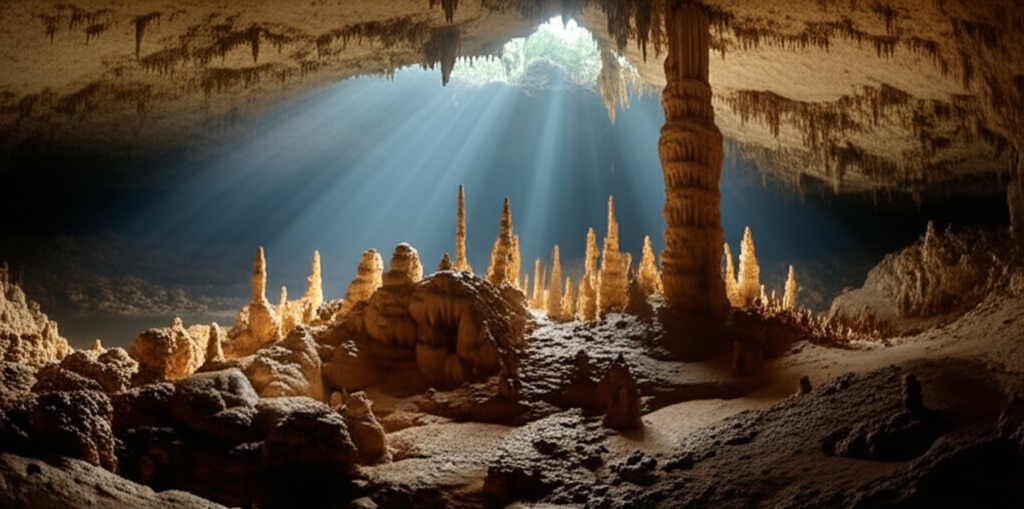
Don’t worry, I’m here to make it easy and fun. We’ll uncover five of Florida’s most amazing caves that are perfect for beginners.
Get ready for an adventure that’s both exciting and surprisingly simple to plan!
Discovering Florida’s Underground Marvels: 5 Caves You Must Visit
Florida might be famous for its sandy beaches and vibrant cities, but beneath the surface lies a secret world of breathtaking caves. These hidden gems offer a cool escape from the Florida heat and a chance to witness geological wonders firsthand.

For beginners, exploring caves can sound daunting, but many Florida cave systems are designed for accessible and safe adventures. From crystal-clear underwater caverns to dramatic underground formations, there’s something for everyone.
Find the Best Accommodation Deals
Compare prices from multiple booking platforms and find the best option for your stay.
Compare Hotel PricesLet’s dive into the five most amazing discoveries that make Florida a surprising spelunking destination!
1. Florida Caverns State Park: The Only Florida Cave Open for Tours
Located in Marianna, Florida Caverns State Park is a must-visit for anyone curious about Florida’s subterranean beauty. It holds the unique distinction of being the only Florida State Park with caves open for public tours and accessible to the general public.
Find the Best Accommodation Deals
Compare prices from multiple booking platforms and discover the best stay options available.
⭐ Trusted by thousands of travelers
💰 Budget to luxury options available
The guided tours take you through breathtaking chambers filled with stalactites, stalagmites, and flowstone formations. Imagine walking through naturally sculpted rooms, seeing shimmering calcite crystals, and learning about the cave’s formation over thousands of years.
The air inside is a constant, refreshing 72 degrees Fahrenheit (22 degrees Celsius) year-round, offering a welcome respite from the Florida humidity. The trails are paved and well-maintained, making it an ideal starting point for beginner cavers and families.
What to Expect at Florida Caverns:
- Guided tours led by knowledgeable park rangers.
- Impressive formations like “The Grotto” and “The Cathedral.”
- A cool, constant temperature perfect for hot Florida days.
- Beautiful surrounding park for hiking and picnicking.
The park also offers other activities like swimming at the Blue Hole, hiking trails, and opportunities for kayaking. It’s a fantastic place to spend a day exploring both above and below the surface.
Best Stay Deals Available
Compare prices across top booking platforms and find the best deal for your stay.
Check Available RoomsLearn more about visiting Florida Caverns State Park on the official Florida State Parks website.
2. Crystal River’s Underwater Caves: A Diver’s Paradise
Crystal River is famous for its gentle manatees, but for certified divers, it offers a more adventurous experience: its incredible underwater caves. These are not for the casual visitor but for those with diving certifications looking for a unique challenge and stunning visibility.
The clear, spring-fed waters of Crystal River are part of a vast network of underground rivers and caverns. These submerged environments are otherworldly, often filled with ancient formations and vibrant aquatic life.
Ginnie Springs, located nearby, is a popular spot often accessed by divers exploring the Crystal River system. Its crystal-clear water is a testament to the natural filtration through thousands of feet of limestone.
Diving in Crystal River Caves:
- Requires advanced diving certifications (cave diving or cavern diving).
- Spectacular visibility in pristine spring water.
- Home to diverse aquatic life and unique geological structures.
- A truly immersive and unforgettable underwater adventure.
For those new to diving but interested in underwater exploration, consider introductory dive courses or snorkeling tours in the shallower, non-cave areas of the springs. Companies like Crystal River Watersports offer guided tours and dive training.
If you’re a certified diver, explore the opportunities for guided cave dives with experienced professionals to ensure safety and the best experience. This type of exploration is a significant step up from walking tours but offers unparalleled beauty.
3. Madison Blue Spring State Park: More Than Just a Swimming Hole
Madison Blue Spring State Park is home to one of Florida’s most beautiful natural swimming areas, but it also boasts an impressive underwater cave system extending for miles. While the main spring run is a perfect place for swimming and snorkeling, its deeper sections are for experienced divers.
The spring’s clear, cool water cascades into a large pool surrounded by lush vegetation before flowing into the Withlacoochee River. The depth of the pool is around 25 feet, making it a popular spot for enjoying the water on a hot day.
For certified cave divers, the main spring is the entrance to a vast underwater labyrinth. This system is recognized as one of the longest submerged cave systems in the United States, featuring intricate passages and large caverns.
The Florida Department of Environmental Protection maintains Madison Blue Spring, ensuring its natural beauty is preserved. Even if you’re not a diver, the park offers a fantastic natural swimming experience and opportunities to observe nature along the river.
Madison Blue Spring Highlights:
- A stunningly clear, 25-foot deep spring pool for swimming and snorkeling.
- Access point to one of the longest underwater cave systems in the US for certified divers.
- Beautiful natural scenery and abundant wildlife along the river.
- A peaceful retreat for nature lovers and water enthusiasts.
This park is a wonderful example of Florida’s natural springs, providing both recreational opportunities and a gateway to a hidden world for advanced explorers. It’s a place where you can enjoy the surface and contemplate the depths.
Find more information on park activities and facilities at the Florida State Parks page for Madison Blue Spring.
4. Big Shoals Tract (Suwannee River State Park): Exploring the River’s Edge
While not a traditional cave you walk into, the Big Shoals Tract of the Suwannee River State Park offers a unique glimpse into Florida’s karst topography, which includes cave systems. This area features dramatic limestone bluffs and sinkholes, hinting at the extensive underground network carved by water over millennia.
The Big Shoals is the largest shoal of the Suwannee River, a series of shallow, rocky rapids. Exploring the riverbanks and surrounding areas can reveal sinkholes and small overhangs that are characteristic of areas above submerged caves.
For those interested in the geological processes that form caves, this area is fascinating. You can see how the limestone bedrock is eroded by water, creating the underground passages that make up Florida’s extensive cave systems. It’s a visual lesson in how subterranean worlds are formed.
The park itself offers hiking trails that wind through diverse habitats, providing opportunities to observe Florida’s natural beauty. While direct cave access for beginners isn’t the focus here, the landscape tells a story of the hidden caves below.
Big Shoals Tract Exploration:
- Observe impressive limestone bluffs and river features.
- Understand the geological processes that create sinkholes and caves.
- Enjoy hiking and observing Florida’s diverse ecosystems.
- A great location for learning about karst topography.
This location is more about appreciating the landscape that hints at hidden wonders. It’s a place for contemplation and learning about the forces that shape our state, including the unseen underground rivers and caverns.
Discover more about Suwannee River State Park and its natural features, including the Big Shoals, on the Florida State Parks Suwannee River page.
5. Tribble’s Cave (O’Leno State Park): A Glimpse into the Hidden Past
O’Leno State Park, nestled along the Santa Fe River, is a place where the river itself disappears underground, highlighting Florida’s karst landscape and the caves that lie beneath. While the main attraction is the river disappearing into a sinkhole (locally known as “The Sink”), the park also features Tribble’s Cave.
Tribble’s Cave is a smaller cave system within the park, offering a more accessible exploration for those curious about caves without the need for specialized equipment or extensive training. It provides an intimate encounter with Florida’s unique underground environment.
The cave, though not as grand as some of the larger systems, showcases interesting rock formations and the cool, damp atmosphere typical of caverns. It’s a great place for beginners to get a feel for what a cave environment is like.
Tribble’s Cave Experience:
- A more accessible cave within O’Leno State Park.
- Showcases typical cave formations and atmosphere.
- Offers a beginner-friendly introduction to cave exploration.
- Located in a park known for its unique disappearing river.
O’Leno State Park itself is a beautiful place to explore, with nature trails, picnic areas, and the fascinating phenomenon of the Santa Fe River’s underground journey. Tribble’s Cave adds another layer of discovery to this already captivating location.
You can plan your visit and learn more about O’Leno State Park’s features, including Tribble’s Cave, through the Florida State Parks O’Leno page.
Planning Your Beginner Cave Adventure in Florida
Ready to explore these incredible Florida caves? Here are some tips to make your first caving experience safe, enjoyable, and memorable.
Essential Preparations
Before you head underground, a little preparation goes a long way. Safety and comfort are key for a great first-time cave adventure.
- Book Tours in Advance: Especially for popular locations like Florida Caverns State Park, booking your tour ahead of time ensures you get a spot.
- Wear Appropriate Footwear: Closed-toe shoes with good traction are essential. The cave floors can be wet and slippery.
- Dress in Layers: Cave temperatures are consistent but can be cooler than the outside. A light jacket or long-sleeved shirt is often recommended.
- Bring Water: Staying hydrated is important, even in cooler environments.
- Check Park Rules: Always review the specific rules and regulations for the cave or park you plan to visit.
What to Bring (and What to Leave Behind)
Packing smart means you’ll be comfortable and ready for anything. Some items are unnecessary and might even be prohibited.
Bring:
- Camera (check park policy on photography)
- Small backpack for essentials
- Comfortable clothing
- A sense of adventure!
Leave Behind:
- Food and drinks inside the cave (usually not allowed)
- Backpacks that are too large
- Anything that could damage the cave environment (e.g., chalk, loose soil)
- Valuables you can’t afford to lose
For guided tours, most of what you need will be covered by the park staff, but these tips will help you feel prepared and confident.
Understanding Florida Caves: A Little Geology 101
Florida’s caves are primarily formed through a process called karst topography. This is where the underlying bedrock, mostly limestone, is dissolved by water over thousands of years.
Rainwater absorbs carbon dioxide from the air and soil, becoming a weak carbonic acid. As this acidic water seeps through cracks and fissures in the limestone, it slowly erodes the rock, creating cavities. Over vast amounts of time, these cavities enlarge to form the caves and underground rivers we see today.
This geological process is what makes Florida so rich in springs and sinkholes, which are essentially the surface expressions of these underground systems. The water from these caves is often incredibly pure, having been naturally filtered through the limestone.
Common Cave Features You’ll See:
- Stalactites: Icicle-like formations hanging from the cave ceiling, formed by dripping water depositing minerals.
- Stalagmites: Formations rising from the cave floor, built up by mineral deposits from water dripping from stalactites.
- Flowstone: Thin, sheet-like mineral deposits that drape over cave walls and floors, resembling frozen waterfalls.
- Columns: Formed when a stalactite and a stalagmite meet and fuse together.
Understanding this process adds another layer of appreciation to your cave visit. You’re not just seeing pretty rocks; you’re witnessing the slow, powerful work of nature.
Safety First: Beginner Cave Exploration Guidelines
Caving can be incredibly rewarding, but safety is paramount. For beginners, sticking to guided tours in developed caves is the smartest way to start.
Never explore caves alone, especially those that are not designated for public tours. Always let someone know where you are going and when you expect to return.
Follow your guide’s instructions precisely. They are trained to ensure everyone’s safety and to protect the fragile cave environment.
Respect the Cave: Do not touch formations, disturb wildlife, or remove anything from the cave. Caves are delicate ecosystems that can be easily damaged.
Know Your Limits: If a tour involves any element that makes you uncomfortable or seems beyond your physical capability, speak to your guide. There’s no shame in opting out of a challenging section.
For diving in underwater caves, the safety requirements are much more stringent and require specialized training and equipment from organizations like the National Speleological Society (NSS) Cave Diving Section.
Table: Florida Caves at a Glance
Here’s a quick comparison to help you choose your first cave adventure:
| Cave/Park | Location | Best For Beginners | Key Features | Notable Activities |
|---|---|---|---|---|
| Florida Caverns State Park | Marianna | Excellent (guided walking tours) | Stalactites, stalagmites, flowstone | Guided tours, hiking, swimming |
| Crystal River (Underwater) | Crystal River | Not for beginners (requires dive certification) | Vast underwater systems, clear water | Cave diving (certified), snorkeling |
| Madison Blue Spring State Park | Live Oak | Good for surface enjoyment; Not for beginner cave exploration | Crystal clear spring, lengthy underwater system | Swimming, snorkeling, diving (certified) |
| Big Shoals Tract (Suwannee River SP) | Live Oak | For geological observation from surface | Limestone bluffs, sinkholes, river shoals | Hiking, observing karst features |
| Tribble’s Cave (O’Leno State Park) | High Springs | Good (accessible cave exploration) | Accessible formations, cool atmosphere | Cave walking, river sinkhole observation, hiking |
Frequently Asked Questions About Florida Caves
Q1: Are Florida caves safe for beginners?
Yes, caves like Florida Caverns State Park and Tribble’s Cave offer guided tours that are very safe and appropriate for beginners. Always stick to designated tour paths and follow your guide’s instructions.
Q2: Do I need special equipment to visit a cave?
For guided walking tours, usually not! The park provides the necessary guides and ensures safety. Just wear comfortable, sturdy shoes. For specialized activities like cave diving, professional gear and extensive training are essential.
Q3: What is the best time of year to visit a Florida cave?
Any time of year is great! Caves maintain a consistent, cool temperature (around 72°F or 22°C) year-round, making them a perfect escape from Florida’s heat and humidity. Summer is particularly popular.
Q4: Can I explore caves on my own in Florida?
It is strongly advised against exploring undeveloped caves without expert guidance or proper training. Many caves are dangerous due to potential for getting lost, unstable ground, or lack of clear passages. Stick to managed parks and tours.
Q5: What should I do if I encounter wildlife in a cave?