
Discover Maryland’s top 7 fishing spots for unforgettable catches, perfect for beginners and seasoned anglers alike. From serene rivers to the vast Chesapeake Bay, find your next adventure with easy-to-follow tips for a rewarding fishing trip.
Planning your first fishing trip in Maryland can feel a bit daunting. With so many beautiful waterways, where do you even begin?
Check the latest prices and available rooms before they sell out.
You might be wondering which spots are best for beginners, what kind of fish you can expect, or even what gear you’ll need. It’s easy to feel overwhelmed by all the choices!
But don’t worry, I’m here to help make your trip planning simple and exciting. We’ll explore some of the most fantastic fishing locations Maryland has to offer, making sure you feel confident and ready for an unforgettable adventure.
Get ready to cast your line and create some amazing memories. Let’s dive into the best fishing spots Maryland has in store for you!
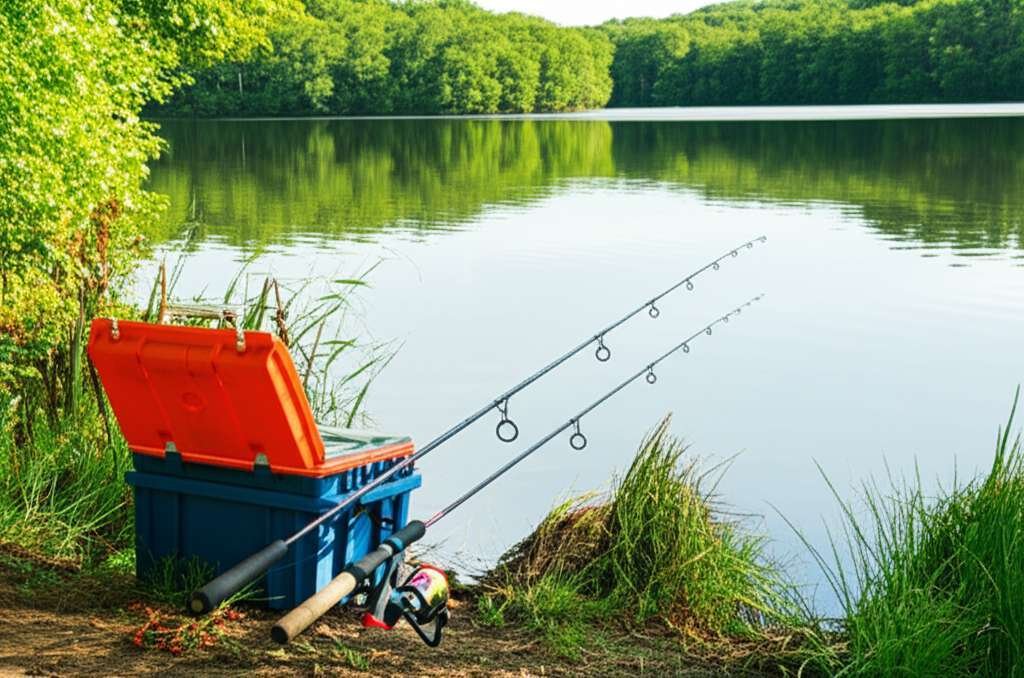
Your Guide to 7 Unforgettable Fishing Spots in Maryland
Maryland is a dream destination for anglers, boasting a diverse range of waters from the mighty Chesapeake Bay to winding rivers and tranquil lakes. Whether you’re a complete beginner eager to catch your first fish or a seasoned pro looking for a new challenge, there’s a spot here for you.
We’ll explore seven of the most rewarding fishing locations, highlighting what makes them special and what you can expect to catch. Each spot offers unique experiences and the potential for truly memorable catches.
Ready to discover your new favorite fishing hole? Let’s get started!
Find the Best Accommodation Deals
Compare prices from multiple booking platforms and find the best option for your stay.
Compare Hotel Prices1. Chesapeake Bay: The Grand Dame of Maryland Fishing
The Chesapeake Bay is an iconic fishing destination, renowned for its vast size and incredible biodiversity. It’s the largest estuary in the United States, offering a saltwater fishing experience like no other.
Fishing here can mean targeting a variety of species, from the highly prized Striped Bass (Rockfish) to Bluefish, Speckled Trout, and even Flounder. The sheer scale of the Bay means there are countless spots to explore, each with its own nuances.
Find the Best Accommodation Deals
Compare prices from multiple booking platforms and discover the best stay options available.
⭐ Trusted by thousands of travelers
💰 Budget to luxury options available
What to Expect:
Species: Striped Bass, Bluefish, Speckled Trout, Flounder, Croaker, Spot.
Best For: Anglers looking for a diverse saltwater fishing experience.
Tips for Beginners: Consider a charter boat trip. Experienced captains know the best spots and can provide all the necessary gear and guidance.
The Bay’s shallow flats, deep channels, and oyster reefs all hold different fish at different times of the year. Understanding seasonal patterns is key to success here.
For the most up-to-date regulations and fishing licenses, always check the Maryland Department of Natural Resources (DNR) website. They provide essential information on catch limits, seasons, and licensing requirements to ensure sustainable fishing.
Best Stay Deals Available
Compare prices across top booking platforms and find the best deal for your stay.
Check Available Rooms2. Deep Creek Lake: Western Maryland’s Freshwater Gem
Nestled in the picturesque mountains of Western Maryland, Deep Creek Lake is a stunning freshwater playground. This large, man-made lake is a popular spot for both locals and tourists, offering a serene escape and excellent fishing opportunities.
The lake is known for its clear waters and is a fantastic place to catch Largemouth Bass, Smallmouth Bass, Northern Pike, and Walleye. It’s also a great spot for panfish like Bluegill and Crappie, making it ideal for families and those new to fishing.
What to Expect:
Species: Largemouth Bass, Smallmouth Bass, Northern Pike, Walleye, Bluegill, Crappie.
Best For: Freshwater fishing, families, scenic beauty.
Tips for Beginners: Rent a small boat or kayak to explore different coves and weed lines where bass often hide.
Beyond fishing, Deep Creek Lake offers boating, swimming, and hiking, making it a perfect destination for a multi-activity getaway. The surrounding state parks provide beautiful natural scenery.
The Maryland DNR also manages Deep Creek Lake extensively, ensuring healthy fish populations. You can find specific stocking reports and fishing tips for the lake on their website.
3. Potomac River (Maryland Side): A Historic Waterway for Bass
The Potomac River, forming the border between Maryland and Virginia, is a historically significant waterway with a thriving fishery. The Maryland side offers numerous access points and a wealth of opportunities for anglers.
This river is particularly famous for its bass fishing, with both Largemouth and Smallmouth Bass populations being strong. Anglers also find success targeting Catfish, Walleye, and various panfish.
What to Expect:
Species: Largemouth Bass, Smallmouth Bass, Channel Catfish, Walleye, Crappie.
Best For: Bass fishing enthusiasts, exploring diverse river habitats.
Tips for Beginners: Look for areas with submerged structure like fallen trees, rocks, and drop-offs, as these are prime bass habitats.
Public access points are scattered along the Maryland shoreline, offering opportunities for shore fishing or launching small boats. Popular areas include those near historical sites and state parks.
Before you head out, familiarize yourself with the specific fishing regulations for the Potomac River, as they can differ slightly due to its interstate nature. The Potomac Riverkeeper Network offers great resources on fishing and conservation efforts in the river.
4. Assateague Island National Seashore: Coastal Fishing Adventures
For a truly unique fishing experience, head to Assateague Island National Seashore. This barrier island offers miles of pristine beaches and opportunities to fish in both the Atlantic Ocean and the calmer bay-side waters.
On the ocean side, surf fishing can yield Striped Bass, Bluefish, and various sharks. The bay side offers a more sheltered environment for catching Speckled Trout, Flounder, and Red Drum, especially in the marshy areas.
What to Expect:
Species: Striped Bass, Bluefish, Flounder, Speckled Trout, Red Drum, Sharks (ocean side).
Best For: Beach fishing, surf casting, unique coastal environment.
Tips for Beginners: For surf fishing, use a sturdy surf rod and reel with heavier line. Consider a sand spike to hold your rod while waiting for a bite.
Assateague Island is also famous for its wild horses, adding an unforgettable element to your visit. Remember to respect wildlife and leave no trace.
A Maryland fishing license is required, and it’s crucial to be aware of ocean conditions, tides, and surf fishing regulations. The National Park Service provides information on permitted fishing areas and any special rules.
5. Prettyboy Reservoir: A Secluded Spot for Trout and Bass
Located in Baltimore County, Prettyboy Reservoir is a beautiful, less-crowded destination for anglers seeking a peaceful fishing experience. This large reservoir is known for its populations of both warm-water and cold-water species.
The reservoir is stocked with trout, making it a prime location for fly fishing or spin casting for Rainbow and Brown Trout. It also harbors healthy populations of Largemouth Bass and Chain Pickerel.
What to Expect:
Species: Rainbow Trout, Brown Trout, Largemouth Bass, Chain Pickerel, Yellow Perch.
Best For: Trout fishing, quiet angling, scenic reservoir setting.
Tips for Beginners: For trout, try using small spinners, spoons, or bait like worms and PowerBait. Fly fishing with nymphs or small streamers can also be very effective.
Access to Prettyboy Reservoir is managed to maintain water quality, so be sure to check the specific access points and any restrictions before your visit. Boating is often limited to electric motors or non-motorized vessels.
The Maryland DNR actively manages trout stockings in Prettyboy Reservoir, ensuring a consistent supply of fish for anglers. Details on stocking schedules can be found on their website.
6. Gunpowder Falls State Park: River and Bay Access
Gunpowder Falls State Park offers a dual fishing experience, providing access to both the Gunpowder River and its proximity to the Chesapeake Bay. This park is a haven for diverse fishing opportunities.
The river itself is a fantastic spot for trout fishing, especially in its upper sections which are managed as a Catch-and-Release trout fishery. As the river flows towards the bay, you can find opportunities for species like Striped Bass and Perch.
What to Expect:
Species: Trout (Rainbow, Brown), Smallmouth Bass, Striped Bass, Perch, Catfish.
Best For: Diverse fishing (river and bay-influenced), hiking, nature.
Tips for Beginners: In the river, target areas with current breaks, eddies, and submerged rocks. For bay species, explore tidal areas where freshwater meets saltwater.
The park offers numerous trails for hiking and exploring, making it an excellent destination for a full day of outdoor activity. Shore fishing is readily available at many points.
It’s important to be aware of the specific regulations for the Catch-and-Release trout waters within the park, as they often require specific tackle and methods. The Maryland DNR provides detailed maps and rules for these areas.
7. Seneca Creek State Park: Lakeside Fishing Fun
Located in Montgomery County, Seneca Creek State Park features a beautiful 90-acre lake, perfect for a relaxed day of fishing. This spot is particularly well-suited for families and beginner anglers due to its accessible shoreline and abundance of fish.
The lake is home to a variety of popular freshwater species, including Largemouth Bass, Bluegill, Crappie, and Channel Catfish. It’s also periodically stocked with trout, offering seasonal opportunities for trout anglers.
What to Expect:
Species: Largemouth Bass, Bluegill, Crappie, Channel Catfish, stocked Trout (seasonal).
Best For: Easy access, family fishing, calm lake environment.
Tips for Beginners: Bluegill and Crappie are often found near structures like docks, fallen trees, or weed beds. For catfish, try using stink baits or cut bait on the bottom.
Boating on the lake is permitted, but typically restricted to electric motors or non-motorized craft, ensuring a peaceful atmosphere. The park also offers playgrounds and picnic areas, making it a great family outing.
Always confirm current fishing regulations and any park-specific rules before your visit. Information on stocking schedules for Seneca Lake can be found on the Maryland DNR website.
Essential Gear and Tips for Beginner Anglers
Getting started in fishing doesn’t require a massive investment. A few key pieces of gear and some basic knowledge will set you up for success.
Here’s a quick rundown of what you’ll need and some helpful tips:
Your Basic Fishing Kit:
Rod and Reel Combo: A 6-7 foot medium-action spinning rod and reel combo is versatile for most Maryland fishing.
Fishing Line: 6-10 pound test monofilament or fluorocarbon line is a good starting point.
Hooks: A variety of hook sizes (e.g., size 6 for panfish, size 2/0 for bass).
Bobbers/Floats: To help detect bites and keep your bait at a specific depth.
Weights/Sinkers: Split shot weights are easy to use and effective.
Bait: Live bait like earthworms, minnows, or crickets are often very effective. Artificial lures like soft plastics, spinners, and jigs are also popular.
Tackle Box: To keep all your small items organized.
Fishing License: Crucial for anyone over age 16 in Maryland.
Pliers or Forceps: For safely removing hooks.
Sun Protection: Hat, sunglasses, and sunscreen are essential.
Key Beginner Tips:
Start Simple: Don’t try to master every technique at once. Focus on one or two types of fish and learn their habits.
Learn Knot Tying: Knowing a few basic fishing knots (like the Palomar knot) is essential for securing your line.
Understand Bait Presentation: How you present your bait can make a big difference. For live bait, keep it lively. For artificials, learn to impart natural-looking action.
Read the Water: Look for structure, changes in depth, and signs of fish activity.
Be Patient: Fishing is often about waiting. Enjoy the process and the outdoors.
Respect Regulations: Always be aware of size limits, bag limits, and seasons. This helps conserve fish populations for the future.
A Maryland fishing license can be purchased online through the Compass Maryland portal. This is the official and most convenient way to get your license.
Understanding Maryland Fishing Licenses
Before you cast your first line in Maryland, you’ll need a fishing license. This is a requirement for all anglers aged 16 and older, and it plays a vital role in funding conservation efforts and fisheries management.
There are several types of licenses available, depending on your residency and the type of fishing you plan to do (freshwater, saltwater, or Chesapeake Bay).
License Options Overview:
| License Type | Description | Cost (Approx. Resident) | Cost (Approx. Non-Resident) |
| :——————————————– | :—————————————————————————————————— | :———————- | :————————– |
| Freshwater Fishing License | Allows fishing in all fresh waters of the state. | $22.50 | $32.50 |
| Saltwater Fishing License | Allows fishing in all tidal waters of the state, including the Chesapeake Bay. | $22.50 | $32.50 |
| Chesapeake Bay Sport Fishing License | Covers fishing in the Chesapeake Bay and its tributaries. | $15.00 | $25.00 |
| Combined General Sports Fishing License | Covers both freshwater and saltwater fishing in all tidal waters. | $37.50 | $57.50 |
| Short-Term Licenses | Available for 1-day, 3-day, 7-day, or 14-day periods, ideal for visitors. | Varies | Varies |
| Senior/Disability Licenses | Reduced rates are available for eligible Maryland residents. | Reduced | N/A |
Note: Prices are approximate and subject to change. Always check the official Maryland DNR website for the most current pricing and details.
Where to Get Your License:
Online: The easiest and fastest way is through the Compass Maryland portal.
* In Person: Many bait and tackle shops, sporting goods stores, and some government offices are authorized license vendors.
Ensuring you have the correct license is a simple but important step that supports the health of Maryland’s aquatic ecosystems for generations to come.
Frequently Asked Questions About Fishing in Maryland
Q1: What is the best time of year to fish in Maryland?
The best time depends on what you want to catch! Spring and fall are excellent for Striped Bass and Bluefish in the Chesapeake Bay. Summer offers great opportunities for many species, while winter can be good for some species in warmer tidal waters. Freshwater fishing, especially for bass, is productive from spring through fall.
Q2: Do I need a fishing license if I’m only fishing from a charter boat?
Generally, if you are fishing on a licensed charter or headboat, your fishing license fee is included in your charter fee. The captain is responsible for ensuring the vessel has the proper licenses. However, it’s always a good idea to confirm this with your charter operator beforehand.
Q3: What are the most common fish I can catch as a beginner?
For beginners, panfish like Bluegill and Crappie are excellent choices as they are abundant, relatively easy to catch, and can be found in many lakes and ponds. Catfish are also a good target, often found near the bottom in rivers and lakes. For a bit more excitement, Largemouth Bass are plentiful and a fun challenge.
Q4: Are there any specific fishing regulations I should be aware of?
Yes, Maryland has specific regulations for size limits, creel limits (how many fish you can keep), and seasons for many species. These are in place to protect fish populations. It’s essential to check the Maryland DNR Fishing Guide for the most current regulations before you go fishing.
Q5: What kind of bait is best for beginners?
Live bait is often the easiest and most effective for beginners. Earthworms are fantastic for panfish and trout. Minnows work well for bass and perch. For catfish, crickets, worms, or commercial stink baits are good options. Simple artificial lures like spinners or small plastic grubs can also be effective and are easy to use.
Q6: Can I fish from shore, or do I need a boat?
You absolutely can fish from shore! Many of the best fishing spots in Maryland offer excellent shore access, including piers, jetties, and natural shorelines in parks and along rivers. While a boat can open up more possibilities, it’s not necessary to enjoy successful fishing trips, especially for beginners.
Conclusion
Maryland offers a fishing paradise with diverse waters and abundant species, perfect for creating unforgettable memories. From the vast Chesapeake Bay to the serene mountain lakes and winding rivers, there’s a spot waiting for every angler.
Whether you’re a first-time visitor to the USA looking for a unique outdoor experience, a student seeking an affordable adventure, or a family wanting to connect with nature, Maryland’s fishing scene has something special for you.
Remember to get your license, pack the right gear, and most importantly, enjoy the process. The thrill of a tug on your line, the peacefulness of being on the water, and the beauty of Maryland’s natural landscapes are rewards in themselves.
So, grab your rod, plan your trip to one of these fantastic spots, and get ready for an unforgettable catch! Happy fishing!