
Discover Montana’s amazing secrets by exploring 7 historic sites that bring the state’s rich past to life, offering unique adventures for every traveler.
Planning a trip to the USA can feel like a lot, right? Especially when you’re looking for those special places that tell a real story. Montana, with its vast landscapes and deep history, has so many incredible spots.
Check the latest prices and available rooms before they sell out.
But where do you even start? It’s easy to feel overwhelmed with all the options out there. Don’t worry, I’m here to help make it super simple and fun!
We’ll uncover seven amazing historic sites in Montana that are perfect for beginners. Get ready to step back in time and find some truly unforgettable adventures.
Uncovering Montana’s Amazing Secrets: 7 Historic Sites for Every Traveler
Montana is a state that truly captures the spirit of the American West. Its history is as grand and sweeping as its landscapes, filled with tales of Native American tribes, brave pioneers, booming mining towns, and the wild frontier. For anyone looking to connect with America’s past, Montana offers a treasure trove of experiences.
Whether you’re a history buff, a curious student, a couple seeking a unique getaway, or a family wanting an educational adventure, these historic sites are designed to be accessible and engaging. We’ve picked places that offer more than just old buildings; they offer stories, secrets, and a chance to feel the pulse of history.
Let’s dive into these incredible locations and uncover the amazing secrets they hold!
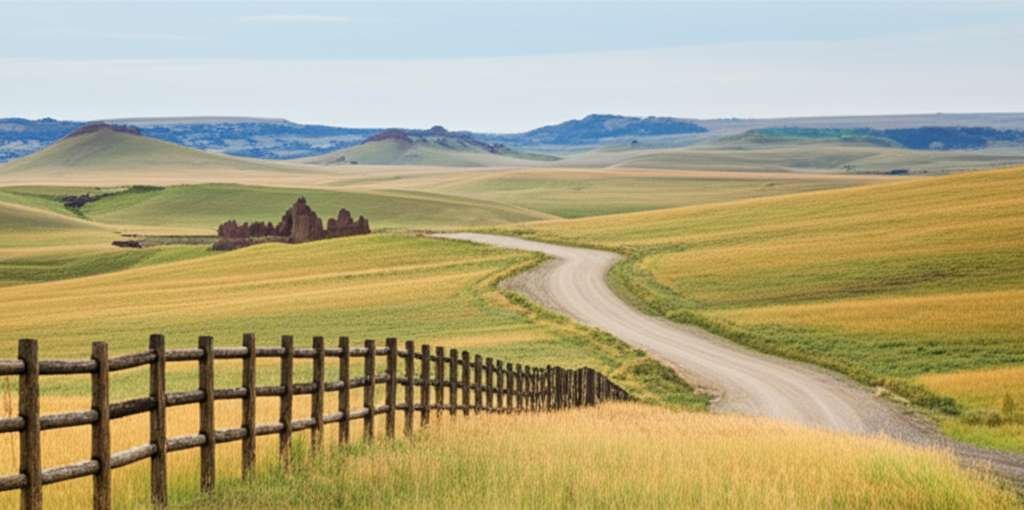
1. Little Bighorn Battlefield National Monument: Where History Echoes
Standing on the plains of the Little Bighorn Battlefield, you can almost hear the echoes of the past. This site commemorates one of the most famous battles in American history – the Battle of the Little Bighorn, fought in 1876. It was a pivotal moment involving Lieutenant Colonel George Armstrong Custer and the U.S. Army’s 7th Cavalry against a combined force of Lakota Sioux, Northern Cheyenne, and Arapaho warriors.
Find the Best Accommodation Deals
Compare prices from multiple booking platforms and find the best option for your stay.
Compare Hotel PricesVisiting here is a powerful experience. You can walk the battlefield, see the markers where soldiers and warriors fell, and visit the poignant Indian Memorial. It’s a place that encourages reflection on the complex narratives of westward expansion and the lives of Native American peoples. The visitor center offers excellent exhibits and ranger programs that provide context and deeper understanding.
Why visit Little Bighorn?
- To understand a significant event in American history from multiple perspectives.
- To experience the vast, open landscape where the battle took place.
- To pay respects at the memorials and learn about the Native American experience.
2. Virginia City & Nevada City: Step Back into the Gold Rush Era
Imagine stepping out of a time machine and into a bustling 1860s gold rush town. That’s what Virginia City and its neighbor, Nevada City, feel like. These well-preserved historic towns were once the vibrant centers of Montana’s gold fever, attracting thousands of prospectors and fortune seekers.
Find the Best Accommodation Deals
Compare prices from multiple booking platforms and discover the best stay options available.
⭐ Trusted by thousands of travelers
💰 Budget to luxury options available
Wander down the boardwalks of Virginia City and explore authentic 19th-century buildings. You can visit the old courthouse, the bakery, and even a historic hotel. Nevada City, just a short drive away, offers an even more immersive experience with its collection of relocated historic structures. It’s like an open-air museum where you can see firsthand how people lived, worked, and played during this exciting period.
What to expect in Virginia City & Nevada City:
- Authentic historic buildings and saloons.
- Horse-drawn stagecoach rides (seasonal).
- Theaters that offer live performances reminiscent of the era.
- Museums detailing the gold mining history.
3. Grant-Kohrs Ranch National Historic Site: A Working Cattle Ranch’s Story
Montana’s identity is deeply tied to ranching, and the Grant-Kohrs Ranch offers a remarkable glimpse into that heritage. This site preserves the home and landscape of one of the most influential cattle ranching families in the American West. It was established in the 1850s and became a major hub for the open-range cattle industry.
What makes this place special is that it’s not just a museum; it’s a living history site. You can tour the impressive ranch house, which showcases the wealth and lifestyle of the era. More importantly, you can see actual cattle and horses on the grounds, and often, park rangers in period dress demonstrate ranching skills. It truly brings the story of the cowboy and the vast cattle drives to life.
Best Stay Deals Available
Compare prices across top booking platforms and find the best deal for your stay.
Check Available RoomsExperience the ranch life:
- Tour the historic ranch house filled with original furnishings.
- See living history demonstrations by park staff.
- Learn about the challenges and triumphs of open-range cattle ranching.
- Enjoy the scenic beauty of the Big Hole River valley.
4. Pictograph Cave State Park: Ancient Art on Display
Journey back thousands of years at Pictograph Cave State Park near Billings. This is one of Montana’s most significant archaeological sites, featuring ancient rock paintings created by nomadic peoples who lived in the area between 200 and 2,000 years ago. The main cave, Pictograph Cave, contains some of the oldest dated rock art in Montana.
Walking the short, accessible trail to the caves is like entering a natural art gallery. The pictographs, depicting animals, human figures, and abstract symbols, offer a mysterious window into the beliefs and lives of the people who created them. A visitor center provides context and displays artifacts found at the site, helping you interpret the ancient artwork. It’s a truly unique and humbling experience.
Discover ancient secrets:
- See thousands-of-years-old rock paintings.
- Learn about the ancient peoples of Montana.
- Enjoy a scenic walk with interpretive signage.
- The visitor center offers valuable historical context.
5. Pompeys Pillar National Monument: Lewis & Clark’s Signature
Imagine standing where William Clark of the famous Lewis and Clark Expedition stood over 200 years ago. Pompeys Pillar, a towering sandstone monolith, bears the distinct signature carved by Clark himself in 1806: “W. Clark July 25 1806.” This makes it the only remaining physical evidence of the expedition’s presence in Montana.
The monument preserves this historic signature and offers stunning views of the Yellowstone River valley. A boardwalk and interpretive displays guide you through the site’s natural and historical significance. It’s a relatively small site, but its connection to a monumental journey of exploration makes it incredibly impactful. It’s a must-visit for anyone interested in American exploration history.
Key highlights of Pompeys Pillar:
- See William Clark’s carved signature from 1806.
- Learn about the Lewis and Clark Expedition’s journey.
- Enjoy panoramic views of the surrounding landscape.
- Discover the geological formation of the pillar itself.
6. Bannack State Park: Montana’s First Territorial Capital
Bannack is often called Montana’s “most famous ghost town,” and for good reason. It was Montana’s first territorial capital, established in 1862 during another gold rush. At its peak, it was home to thousands of people, but like many mining towns, its population dwindled as the gold dried up.
Today, Bannack is a remarkably preserved ghost town. Over 60 historic structures remain, including the hotel, schoolhouse, and various homes and businesses. You can wander through the streets, peek into the buildings, and imagine life here over a century ago. It’s a fantastic place to feel the atmosphere of a true Western town and learn about Montana’s early days. They even have a historical reenactment event that brings the town to life annually.
Explore Bannack’s history:
- Wander through over 60 preserved historic buildings.
- Experience the atmosphere of a genuine ghost town.
- Learn about Montana’s territorial period and its first capital.
- The annual “Bannack Days” event offers immersive historical experiences.
7. The C.M. Russell Museum: Art and Legacy of a Western Icon
Charles Marion Russell was more than just an artist; he was a storyteller, a cowboy, and an icon of the American West. The C.M. Russell Museum in Great Falls is dedicated to preserving and showcasing his incredible body of work and his fascinating life. Russell captured the spirit of Montana’s landscapes, its Native American cultures, and the lives of cowboys and settlers with unparalleled authenticity and emotion.
Visiting the museum offers a deep dive into Russell’s world. You can see his iconic paintings and sculptures, explore his log studio and log cabin, and learn about his life and friendships with other Western figures. It’s an inspiring place that celebrates the art and the legacy of a man who helped define the image of the West for generations.
Discover the world of C.M. Russell:
- View a vast collection of paintings, sculptures, and illustrations.
- Explore Russell’s actual log studio and cabin.
- Learn about the life and times of a legendary Western artist.
- Understand the cultural significance of his art.
Planning Your Historic Montana Adventure
Montana’s historic sites offer an incredible journey through time. To make your trip smooth and enjoyable, here are a few tips for beginners.
Getting Around Montana
Montana is a big state, so having a car is essential for exploring these sites. Renting a car at the airport when you arrive is usually the easiest option. Consider the distances between sites; some might be a few hours apart.
Best Time to Visit
The best time to visit most of these outdoor historic sites is from late spring through early fall (May to October). Summer offers the warmest weather, but can also be busier. Spring and fall provide beautiful scenery with fewer crowds.
What to Pack
Comfortable walking shoes are a must, as you’ll be exploring battlefields, old towns, and walking trails. Layers of clothing are also recommended, as Montana weather can change quickly. Don’t forget sunscreen, a hat, and a reusable water bottle.
Budgeting for Your Trip
Many national and state parks have entrance fees, but they are generally very affordable. Look into purchasing a park pass if you plan to visit multiple national parks or monuments. For historic towns like Virginia City and Bannack, you might spend money on tours, souvenirs, or meals.
Table: Overview of Historic Montana Sites
| Site Name | Location (Nearest City) | Primary Historical Focus | Estimated Time to Visit | Key Activities |
|---|---|---|---|---|
| Little Bighorn Battlefield | Crow Agency (near Billings) | Battle of the Little Bighorn, Native American History | 2-3 hours | Walking tour, visitor center exhibits, memorials |
| Virginia City & Nevada City | Virginia City | Gold Rush Era, Territorial Capital | Half-day to full-day | Explore historic buildings, stagecoach rides, theater |
| Grant-Kohrs Ranch NHS | Deer Lodge | Cattle Ranching History, Cowboy Culture | 1-2 hours | Ranch house tour, living history demos, scenic views |
| Pictograph Cave State Park | Billings | Prehistoric Rock Art, Ancient Peoples | 1-2 hours | Interpretive trail, cave viewing, visitor center |
| Pompeys Pillar NM | Billings | Lewis & Clark Expedition, Geological Formation | 1 hour | View Clark’s signature, interpretive displays, scenic overlook |
| Bannack State Park | Dillon | Montana’s First Territorial Capital, Ghost Town | Half-day | Explore preserved buildings, historical reenactments (seasonal) |
| C.M. Russell Museum | Great Falls | Western Art, Life of C.M. Russell | 2-3 hours | View art, tour studio and cabin, learn about Russell’s legacy |
Frequently Asked Questions (FAQ)
Q1: Are these historic sites suitable for children?
Yes, absolutely! Most of these sites are very engaging for kids. Places like Little Bighorn Battlefield can be fascinating with stories of conflict, while Virginia City and Bannack offer a glimpse into old-time life that can spark imagination. Pictograph Cave is like a treasure hunt for ancient art. Always check the specific site for age recommendations or special family programs.
Q2: Do I need to book tickets or tours in advance?
For most of these sites, especially national monuments and state parks, you can usually pay an entrance fee upon arrival. For specific tours or events, like stagecoach rides in Virginia City or special reenactments, booking in advance is often a good idea, especially during peak season. It’s always best to check the official website of each site before you go.
Q3: Are there places to eat near these historic sites?
Many of these sites are in relatively rural areas. Larger towns like Billings, Deer Lodge, and Dillon will have plenty of dining options. For smaller sites like Pompeys Pillar or Pictograph Cave (near Billings), packing a picnic lunch is a great idea to enjoy the scenery. Historic towns like Virginia City and Bannack often have charming cafes or restaurants that offer a taste of the past.
Q4: What is the best way to learn more about the history before I visit?
The official websites for each National Park Service site (like Little Bighorn, Grant-Kohrs, Pompeys Pillar) and Montana State Parks (Pictograph Cave, Bannack, Virginia City) are excellent resources. They offer historical overviews, details about exhibits, and often suggest reading materials. For C.M. Russell, the museum’s website is the best starting point.
Q5: Can I visit these sites year-round?
While some sites like the C.M. Russell Museum are open year-round, many outdoor historic sites and ghost towns are best visited from late spring through early fall. Snowfall can make access difficult or impossible in winter, and some facilities or programs may be seasonal. Always check the operating hours and seasons for each specific location.
Q6: Are there any budget-friendly ways to explore these sites?
Yes! Many of these sites have low entrance fees or are free. Packing your own snacks and lunches can save money. Visiting during the shoulder seasons (spring or fall) can sometimes mean lower accommodation prices. Also, many of these locations are beautiful for simply walking and absorbing the history without needing expensive tours.
Q7: What does “historic secrets” mean in the context of these sites?
When we talk about “secrets,” we mean the lesser-known stories, the hidden details, and the profound impacts these places had. It’s about uncovering the human element behind the history – the daily lives, the struggles, the triumphs, and the unique perspectives that shaped Montana. Each site holds layers of stories waiting to be discovered beyond the main historical events.
Your Montana History Adventure Awaits!
Montana is a state brimming with captivating history, from the echoes of ancient peoples to the rugged tales of the Wild West. These seven historic sites offer a perfect starting point for any beginner traveler eager to explore the Treasure State’s rich past.
Whether you’re standing on the hallowed grounds of Little Bighorn, wandering through the streets of a gold rush town, or admiring the artistry of a cowboy legend, each location provides a unique and unforgettable experience. These aren’t just places to see; they are places to connect with the stories that shaped America.
So, pack your bags, grab your sense of adventure, and get ready to uncover the amazing secrets that Montana’s historic sites have to offer. Your journey into the heart of the American West starts now!