
Discover Montana’s 7 most breathtaking waterfalls for an unforgettable adventure. This guide makes planning your trip easy, even for first-time visitors, offering practical tips and inspiring insights to explore the natural beauty of the Treasure State.
Dreaming of cascading water and stunning natural landscapes? Montana, often called the “Big Sky Country,” is home to some of the most spectacular waterfalls in the United States. Finding them and planning your visit can seem like a lot, especially if you’re new to exploring the USA.
Check the latest prices and available rooms before they sell out.
Check AvailabilityBut don’t worry! I’m here to help you uncover these hidden gems without the stress. We’ll break down seven incredible waterfalls that promise awe-inspiring views and memorable experiences.
Get ready to be amazed by Montana’s watery wonders!
Your Guide to Montana’s 7 Most Stunning Waterfalls
Montana’s vast wilderness is dotted with countless streams and rivers, and where they tumble over cliffs, breathtaking waterfalls are born. From powerful, thundering giants to delicate, misty veils, these natural wonders offer something for every nature lover. Planning a trip to see them is simpler than you think!
Let’s dive into seven must-see waterfalls that will make your Montana adventure truly unforgettable. I’ll share what makes each one special and how to get the most out of your visit.
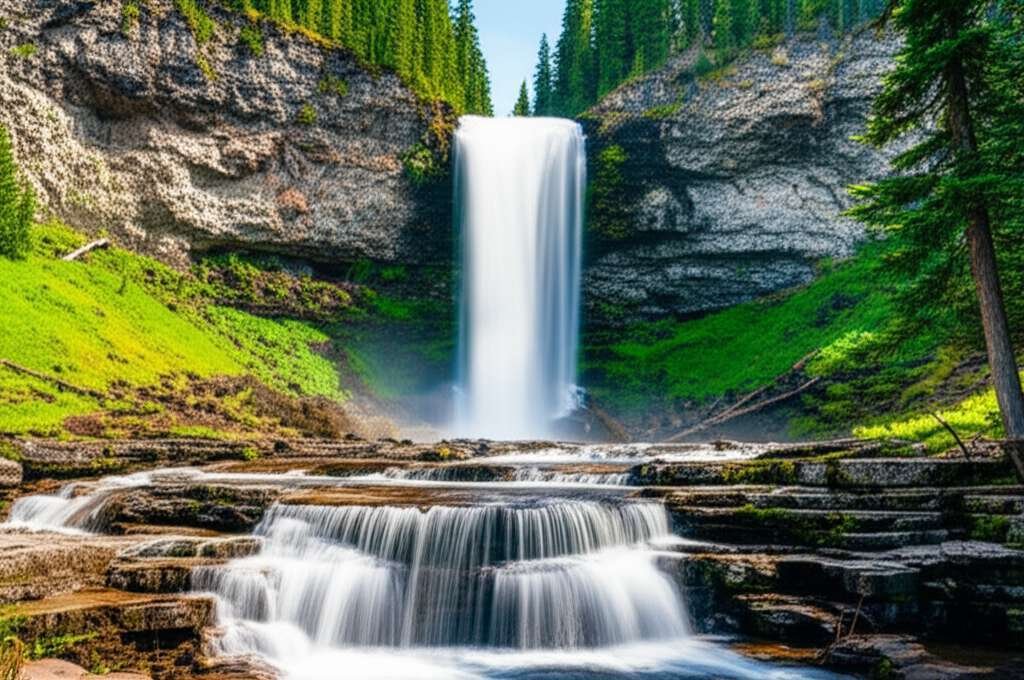
1. Bird Woman Falls: The Majestic Icon
Nestled within Glacier National Park, Bird Woman Falls is one of the park’s most iconic and photographed waterfalls. It plunges dramatically down the sheer cliffs of Mount Oberlin, often visible from the Going-to-the-Sun Road, especially during late spring and early summer when snowmelt is at its peak.
Its sheer height and the rugged mountain backdrop make it a truly awe-inspiring sight. The best views are often from pull-offs along the road, so you don’t need to be an experienced hiker to witness its grandeur.
Find the Best Accommodation Deals
Compare prices from multiple booking platforms and find the best option for your stay.
Compare Hotel PricesGetting There and What to Expect
- Location: Glacier National Park, near Logan Pass on the Going-to-the-Sun Road.
- Best Time to Visit: Late May through July, when snowmelt is strongest.
- Access: Visible from pull-offs along the Going-to-the-Sun Road. No strenuous hike required for basic viewing.
- Why it’s Special: Its immense scale and dramatic setting against Glacier’s iconic peaks.
2. St. Mary Falls: A Gem in Glacier
Also located in the stunning Glacier National Park, St. Mary Falls is a true gem that rewards visitors with a relatively easy hike. This beautiful waterfall is known for its vibrant turquoise water that cascades over multiple tiers into a clear pool below. The surrounding landscape is equally beautiful, with lush forests and rocky outcrops.
The trail to St. Mary Falls is well-maintained and popular, making it accessible for families and beginner hikers. The path offers incredible views even before you reach the falls themselves.
Find the Best Accommodation Deals
Compare prices from multiple booking platforms and discover the best stay options available.
⭐ Trusted by thousands of travelers
💰 Budget to luxury options available
Planning Your Visit to St. Mary Falls
- Location: Glacier National Park, east side of the park.
- Trailhead: St. Mary Falls Trailhead, accessible from the Going-to-the-Sun Road.
- Hike Details: Approximately 3 miles roundtrip, with moderate elevation changes. It’s often combined with Virginia Falls.
- What to Bring: Comfortable hiking shoes, water, snacks, and a camera!
- Pro Tip: Go early in the morning to avoid crowds and enjoy the best light for photos.
3. Virginia Falls: The Grand Finale
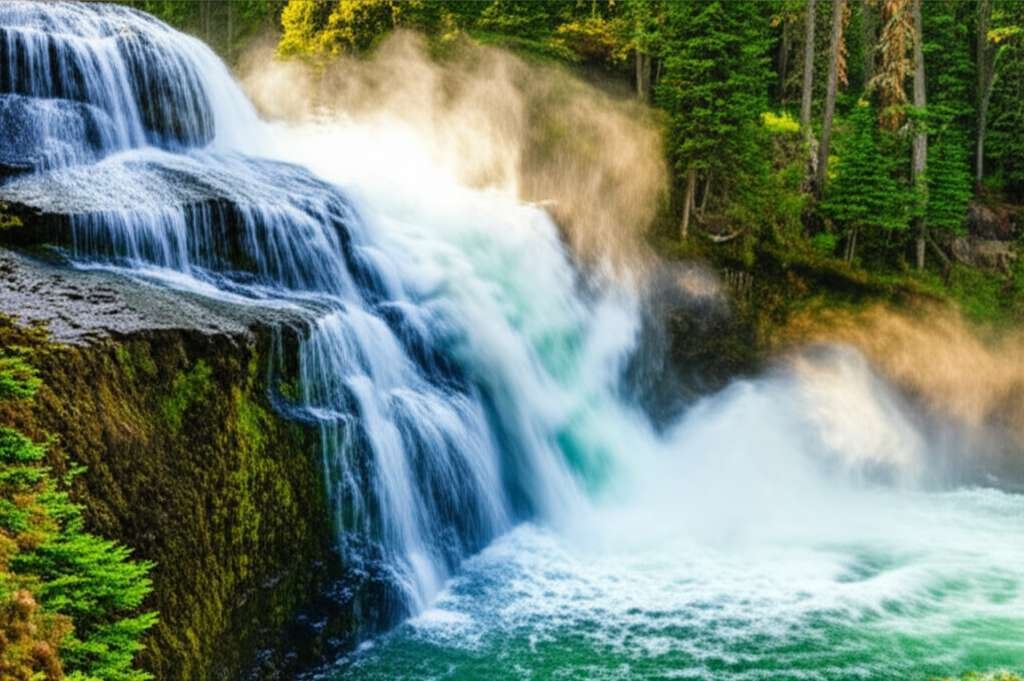
Just a short distance further than St. Mary Falls, Virginia Falls is often considered the grand finale of the popular hiking trail in Glacier National Park. It’s a more powerful and expansive waterfall than its neighbor, with water crashing down a larger cliff face into a misty gorge. The sound of the water and the cool spray make for an invigorating experience.
The trail to Virginia Falls is a continuation of the St. Mary Falls trail, offering a bit more of a workout but delivering a spectacular payoff. The raw power and beauty of this waterfall are undeniable.
Best Stay Deals Available
Compare prices across top booking platforms and find the best deal for your stay.
Check Available RoomsExperiencing Virginia Falls
- Location: Glacier National Park, an extension of the St. Mary Falls trail.
- Hike Details: Adds about 1 mile roundtrip to the St. Mary Falls hike, making it around 4 miles total with moderate difficulty.
- Scenery: Dramatic cliffs, dense forest, and the impressive plunge of Virginia Falls.
- Best For: Hikers looking for a slightly more challenging but highly rewarding experience.
4. McDonald Falls: Accessible Beauty
Located near Lake McDonald Lodge in Glacier National Park, McDonald Falls offers a stunning visual experience with minimal effort. This waterfall is easily accessible, with a short, paved path leading from the parking area directly to viewpoints overlooking the cascading water. The falls are particularly picturesque as they flow over smooth, colorful rocks into McDonald Creek.
It’s a fantastic option for families with young children, individuals with mobility challenges, or anyone who wants to quickly soak in some natural beauty without a long trek. The sound of the water is incredibly soothing.
Visiting McDonald Falls
- Location: Glacier National Park, near Lake McDonald Lodge.
- Access: Very easy, short paved path from the parking lot. Accessible for most visitors.
- Features: Beautifully colored rocks, clear water, and a serene setting.
- Ideal for: Quick stops, families, and those seeking easy access to natural beauty.
5. Lower Falls of the Yellowstone River: A Geothermal Marvel (Montana Side)
While much of Yellowstone National Park is in Wyoming, a significant portion, including parts of the Grand Canyon of the Yellowstone and its magnificent waterfalls, lies within Montana. The Lower Falls of the Yellowstone River is one of the most spectacular sights in the entire park. It plunges an astounding 308 feet into the colorful canyon, creating a breathtaking display of nature’s power and artistry.
The viewpoints accessible from the Montana side offer incredible perspectives of this thundering waterfall. The unique geothermal features and vibrant colors of the canyon walls add to the otherworldly beauty of the scene.
Key Information for Lower Falls
- Location: Yellowstone National Park (Montana entrance side, near Canyon Village).
- Access: Various viewpoints like Artist Point and Inspiration Point offer stunning views. Some involve short walks.
- Unique Aspect: The combination of the powerful waterfall with the vividly colored Grand Canyon of the Yellowstone.
- National Park Pass: A valid entrance pass for Yellowstone National Park is required. Learn more on the official Yellowstone National Park website.
- Tips: Be prepared for crowds, especially at popular overlooks.
6. Lewis and Clark Caverns State Park Waterfalls: Hidden Charms
Lewis and Clark Caverns State Park, located near Three Forks, Montana, is famous for its extensive cave system. However, it also boasts beautiful natural waterfalls, particularly in the spring and after significant rainfall. These falls are often smaller and more intimate than those in Glacier but offer a serene and less crowded experience.
Exploring the trails around the park can lead you to discover these lovely cascades, adding an extra layer of natural beauty to your visit. The park’s diverse landscape makes it a delightful place for a day trip.
Discovering the Falls at Lewis and Clark Caverns
- Location: Lewis and Clark Caverns State Park, near Three Forks, Montana.
- Access: Trails within the park lead to various scenic spots, including waterfalls. Cave tours are also a major attraction.
- Best Time to See Falls: Spring and early summer, or after heavy rains.
- What to Do: Combine waterfall viewing with hiking and a guided tour of the caverns.
- Park Information: Visit the Montana Fish, Wildlife & Parks website for park details and tour schedules.
7. Big Sky’s Cascade Falls: A Local Favorite
Near the popular ski resort town of Big Sky, Cascade Falls offers a beautiful and accessible waterfall experience. While not as massive as some of the falls in Glacier, Cascade Falls is known for its picturesque setting and the refreshing pool at its base. It’s a favorite spot for locals and visitors alike, especially during warmer months.
The trail to Cascade Falls is relatively short and easy, making it a great option for families or those looking for a less strenuous outing. The surrounding pine forests add to the tranquil atmosphere.
Visiting Cascade Falls
- Location: Big Sky, Montana.
- Access: A short, easy hike from the trailhead.
- Scenery: A lovely cascade flowing into a clear pool, surrounded by forest.
- Activities: Hiking, picnicking, and enjoying the peaceful natural setting.
- Seasonality: Best enjoyed from late spring through fall.
Planning Your Montana Waterfall Adventure: Essential Tips
Now that you know about these incredible waterfalls, let’s talk about making your trip smooth and enjoyable. Planning ahead is key to a stress-free adventure, especially for first-time visitors.
Here are some practical tips to help you get the most out of your waterfall chasing journey in Montana:
Best Time to Visit Montana Waterfalls
The best time to see Montana’s waterfalls is generally during the spring and early summer (May through July). This is when snowmelt from the mountains is at its peak, feeding the rivers and creating the most powerful and impressive cascades.
However, waterfalls are beautiful year-round, and each season offers a different experience:
- Spring (May-June): Peak flow, lush green surroundings, but some trails may still be snow-covered or muddy.
- Summer (July-August): Good flow, generally accessible trails, but can be crowded and hotter.
- Fall (September-October): Lower flow, beautiful autumn colors, fewer crowds, and cooler temperatures.
- Winter (November-April): Some falls may freeze, creating stunning ice formations. Access can be limited due to snow.
What to Pack for Your Waterfall Excursion
Being prepared ensures you can focus on the beauty around you. Here’s a checklist to get you started:
- Sturdy Footwear: Hiking boots or trail shoes with good grip are essential, especially for uneven terrain.
- Layers of Clothing: Montana weather can change rapidly. Pack moisture-wicking base layers, an insulating mid-layer, and a waterproof/windproof outer shell.
- Rain Gear: Even if the forecast is clear, a lightweight rain jacket is a good idea, especially near waterfalls where mist is common.
- Sun Protection: Sunscreen, a hat, and sunglasses are important, even on cloudy days, due to Montana’s high elevation.
- Insect Repellent: Especially crucial during summer months to ward off mosquitoes and other biting insects.
- Water and Snacks: Stay hydrated and keep your energy up. Many waterfall trails are in remote areas.
- Camera: You’ll want to capture the incredible scenery! Don’t forget extra batteries or a power bank.
- Navigation Tools: A map of the area or a GPS device/app can be helpful, especially on less-trafficked trails.
- First-Aid Kit: For minor scrapes or blisters.
Safety First: Waterfall Visit Best Practices
Waterfalls are powerful natural forces, and safety should always be your top priority. Here are some tips:
- Stay on Marked Trails: Wandering off-trail can be dangerous and can damage fragile ecosystems.
- Be Aware of Slippery Surfaces: Rocks and paths near waterfalls are often wet and can be very slippery.
- Keep a Safe Distance: Never climb on rocks near the edge of a waterfall or attempt to cross fast-flowing water.
- Supervise Children Closely: Keep a close eye on children at all times, especially near water.
- Check Weather Conditions: Be aware of potential thunderstorms, which can cause flash floods.
- Let Someone Know Your Plans: Inform a friend or family member where you are going and when you expect to return.
Comparing Montana’s Waterfalls: A Quick Overview
To help you decide which waterfalls best fit your travel style and abilities, here’s a comparison table. This can be super helpful when you’re juggling different interests and time constraints.
| Waterfall | Location | Difficulty of Access | Best For | Key Feature |
|---|---|---|---|---|
| Bird Woman Falls | Glacier National Park | Easy (Roadside View) | Iconic views, quick stops | Majestic height, mountain backdrop |
| St. Mary Falls | Glacier National Park | Moderate (Short Hike) | Families, beginner hikers | Turquoise water, multi-tiered |
| Virginia Falls | Glacier National Park | Moderate (Extension Hike) | Hikers seeking more | Powerful cascade, dramatic gorge |
| McDonald Falls | Glacier National Park | Very Easy (Paved Path) | Accessibility, families | Smooth colorful rocks, serene |
| Lower Falls (Yellowstone) | Yellowstone National Park (MT side) | Easy to Moderate (Viewpoints) | Grand scenery, unique geology | Immense power, colorful canyon |
| Lewis & Clark Caverns SP | Near Three Forks, MT | Moderate (Trails) | Nature lovers, cave explorers | Intimate cascades, serene setting |
| Cascade Falls | Big Sky, MT | Easy (Short Hike) | Relaxing outings, families | Picturesque pool, forest setting |
Budget-Friendly Tips for Your Trip
Exploring Montana doesn’t have to break the bank! Here are some ways to save money while enjoying its natural wonders:
- Pack Your Own Food: Picnics are a great way to save money and enjoy meals with a view.
- Visit During Shoulder Seasons: Traveling in late spring or early fall can mean lower accommodation prices and fewer crowds.
- Consider Camping or RV Parks: These are often more affordable than hotels.
- Utilize National and State Park Passes: If you plan to visit multiple parks, an annual pass can be cost-effective.
- Look for Free Activities: Hiking, sightseeing, and enjoying the natural beauty are often free!
Frequently Asked Questions About Montana Waterfalls
Here are some common questions first-time visitors might have about exploring Montana’s waterfalls.
Q1: Do I need a special permit or reservation to visit these waterfalls?
A1: For most state park waterfalls like those at Lewis and Clark Caverns or Cascade Falls, you typically only need to pay park entrance fees or a day-use fee. For waterfalls within Glacier National Park and Yellowstone National Park, you will need a park entrance pass. Glacier National Park also sometimes requires a vehicle reservation for the Going-to-the-Sun Road during peak season, so it’s crucial to check the official park websites before your visit.
Q2: Are all these waterfalls easily accessible for beginners or families?
A2: Accessibility varies. McDonald Falls and Bird Woman Falls are very easy to view. St. Mary Falls and Virginia Falls require moderate hikes. Lewis and Clark Caverns and Cascade Falls have trails that are generally manageable. Always check trail conditions and descriptions beforehand, and be prepared for some walking or hiking for the best views.
Q3: What is the best time of year to see the most water at Montana’s waterfalls?
A3: The absolute best time is late spring and early summer (May through July) due to snowmelt. This is when the waterfalls will be at their most powerful and impressive. Water levels can decrease significantly by late summer or early fall.
Q4: Are there any safety concerns I should be aware of when visiting waterfalls?
A4: Yes, safety is paramount. Always stay on marked trails, as surfaces near waterfalls can be extremely slippery and dangerous. Never venture too close to the edge, and always supervise children closely. Be aware of your surroundings and changing weather conditions.
Q5: Can I swim or fish at these waterfalls?
A5: Swimming is generally not recommended or allowed at most of these specific waterfall locations due to strong currents, slippery rocks, and cold water temperatures. Fishing regulations vary by park and location; you’ll need to check the specific rules for the area you are visiting, and often a fishing license is required.
Q6: How much time should I allocate for visiting a waterfall?
A6: This depends on the waterfall and how you plan to visit. For roadside views like Bird Woman Falls, 15-30 minutes is often enough. For hikes like St. Mary and Virginia Falls, plan for 2-4 hours to allow for the hike, enjoying the falls, and taking photos. Factor in travel time to and from the waterfall location as well.
Q7: What if I can’t hike very far? Are there still waterfalls I can see?
A7: Absolutely! McDonald Falls and Bird Woman Falls are excellent choices as they are easily visible from near the road or require only very short, flat walks