
Looking for amazing cultural sites in Hawaii? Discover 8 must-visit locations that offer deep insights into Hawaii’s rich history, traditions, and ancient stories. Perfect for first-time visitors seeking an unforgettable island experience.
Aloha, fellow adventurers! Planning a trip to Hawaii can feel like a big undertaking, right? There are so many islands, so many things to see and do!
Check the latest prices and available rooms before they sell out.
Sometimes, the most magical parts of a trip are the ones that connect us to the heart of a place. In Hawaii, that means exploring its incredible cultural heritage.
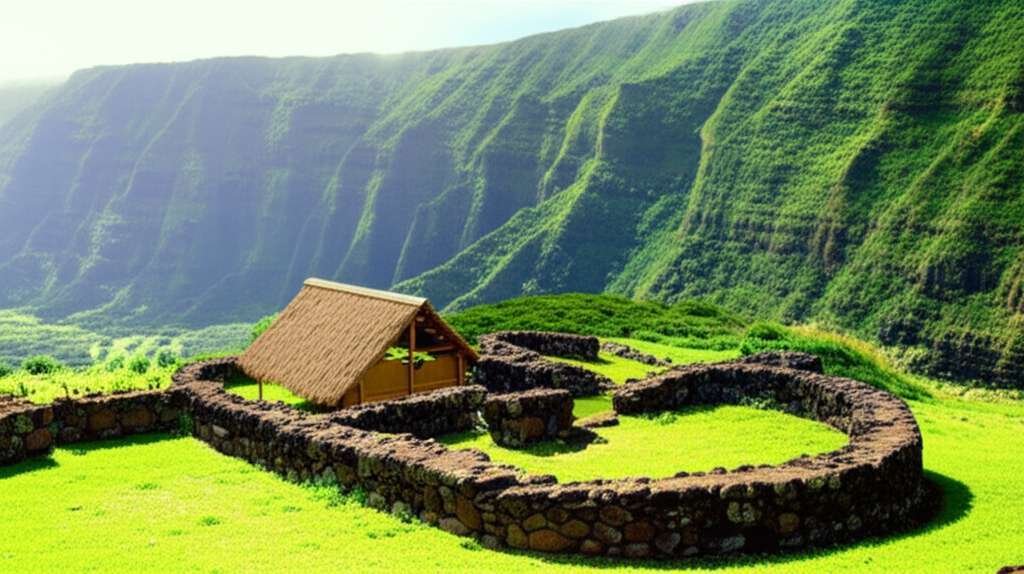
Don’t worry, I’m here to help make it simple and fun. We’ll dive into some truly special places that tell the story of these beautiful islands.
Get ready to uncover history, breathtaking landscapes, and traditions that have shaped Hawaii for centuries. Let’s explore!
Frequently Asked Questions
What are the most important cultural experiences in Hawaii for beginners?
For beginners, exploring Hawaiian cultural sites like ancient temples (heiau), learning about traditional farming (loʻi), and visiting historical landmarks offer accessible yet profound insights into the islands’ heritage. Engaging in hula performances and learning basic Hawaiian phrases also enriches the experience.
How can I respectfully visit cultural sites in Hawaii?
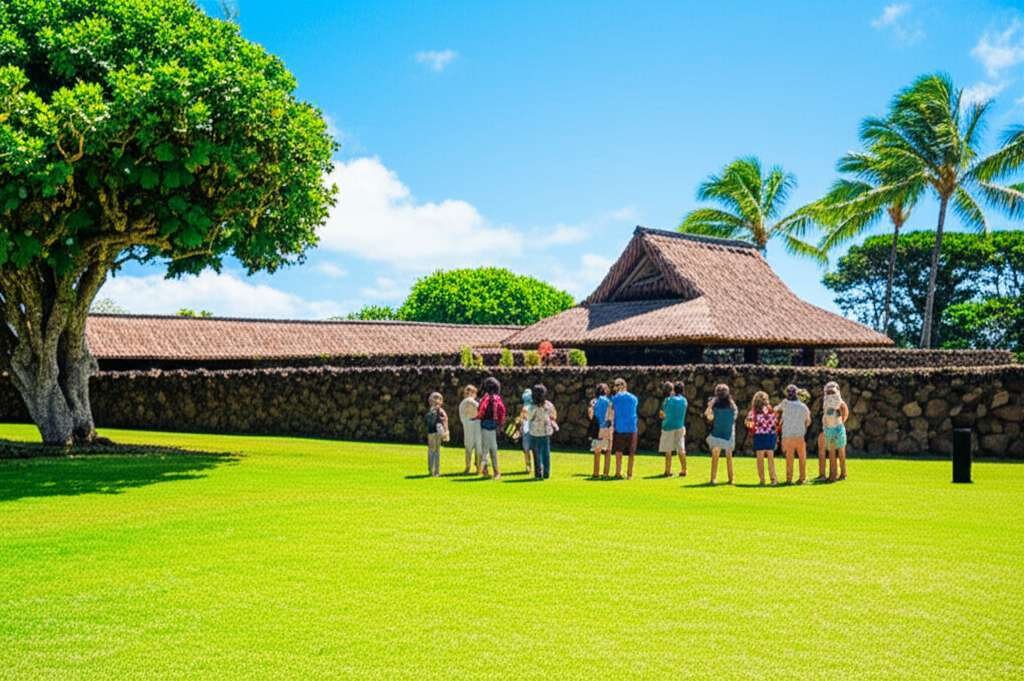
Always show respect by observing signage, staying on designated paths, and never touching or removing artifacts. Learn a few Hawaiian words like “aloha” and “mahalo.” It’s also good to understand that many sites are sacred; approach them with a quiet, reverent attitude.
Find the Best Accommodation Deals
Compare prices from multiple booking platforms and find the best option for your stay.
Compare Hotel PricesAre there cultural sites in Hawaii that are suitable for families with young children?
Yes, many sites offer educational programs and are visually engaging for children. Places like the Puʻuhonua o Hōnaunau National Historical Park on the Big Island, with its open spaces and clear storytelling, are excellent for families. Some cultural centers also have interactive exhibits.
What is the difference between Polynesian and Native Hawaiian culture?
Polynesian is a broad cultural region encompassing many island groups in the Pacific, including Hawaii. Native Hawaiian culture specifically refers to the indigenous people and traditions of the Hawaiian Islands. While related through ancestral Polynesian roots, Hawaiian culture has unique customs, language, and history.
Find the Best Accommodation Deals
Compare prices from multiple booking platforms and discover the best stay options available.
⭐ Trusted by thousands of travelers
💰 Budget to luxury options available
How much time should I allocate to visiting Hawaiian cultural sites?
This varies greatly. A quick visit to a small historical marker might take 30 minutes, while exploring a large national historical park or a living history museum could easily take half a day or more. It’s best to check the specific site’s recommendations and your own interests.
Can I take photos at Hawaiian cultural sites?
Generally, yes, but always look for signs indicating restrictions. Some areas may be considered sacred or sensitive, and photography might be prohibited. Be mindful and respectful, especially if people are present.
What are Kīpuka in Hawaiian culture?
A Kīpuka is an area of older land surrounded by newer lava flows. In Hawaiian culture, Kīpuka are often seen as places of refuge, renewal, and life amidst destructive forces. They can be ecologically unique and hold cultural significance as havens where ancient traditions might have been preserved.
Best Stay Deals Available
Compare prices across top booking platforms and find the best deal for your stay.
Check Available Rooms8 Cultural Sites in Hawaii: Amazing Discoveries Await
Hawaii is more than just stunning beaches and lush rainforests; it’s a place steeped in ancient history and vibrant traditions. For first-time visitors, exploring these cultural treasures can offer a deeper connection to the islands and a richer travel experience.
From sacred temples to historic villages, these sites tell the story of the Hawaiian people, their ingenuity, and their deep respect for nature. Ready to uncover some amazing discoveries?
1. Puʻuhonua o Hōnaunau National Historical Park, Big Island
This incredible park, also known as the “Place of Refuge,” is a must-see for anyone interested in Hawaiian history.
Imagine ancient Hawaiians finding sanctuary here, protected by sacred laws. This UNESCO World Heritage site offers a remarkable glimpse into traditional Hawaiian governance and spirituality. You can walk among reconstructed temples (heiau), royal grounds, and escapees’ shelters.
The park’s dramatic coastline provides a beautiful backdrop to its historical significance. Learn about the Great Wall, a stunning stone structure that separated the sacred grounds from the common areas. It’s a place that truly transports you back in time.
Why it’s amazing: It’s one of the best-preserved ancient Hawaiian sites, offering a tangible connection to the past and vivid stories of refuge and justice. The sheer scale and preservation are breathtaking.
2. Pearl Harbor, Oahu
While known globally for its significant role in World War II, Pearl Harbor is also a profound cultural and historical site that reflects American and Hawaiian history colliding.
Visiting Pearl Harbor offers a deep dive into a pivotal moment in history. The USS Arizona Memorial, a solemn tribute to fallen soldiers, is a powerful and moving experience. You can also explore the Battleship Missouri Memorial, where WWII ended, and the Pacific Aviation Museum.
The stories shared here are not just about war, but about resilience, sacrifice, and the turning of global events. It’s a place for quiet reflection and understanding. The visitor center offers extensive exhibits detailing the events leading up to and following the attack.
Why it’s amazing: It provides a crucial historical context to the modern era of Hawaii and the United States, serving as a powerful reminder of the past and a testament to peace.
3. Puʻukoholā National Historic Site, Big Island
This significant site commemorates Kamehameha I, the king who united the Hawaiian Islands. It’s a place of immense historical importance and spiritual reverence.
Puʻukoholā Heiau was built in the late 18th century by Kamehameha I as a tribute to the war god Kūkaʻilimoku. The construction of this large stone temple was a monumental undertaking, featuring thousands of stones carried by hundreds of people. It marked a turning point in Hawaiian history.
Explore the remains of the heiau and the associated historical structures, including the reconstructed Hōloholoku royal fishpond. The site offers stunning ocean views and interpretive displays explaining its historical context and spiritual significance. You can almost feel the past coming alive.
Why it’s amazing: It’s a testament to ancient Hawaiian engineering and spiritual practices, offering insight into the unification of the islands under a powerful leader.
4. ʻĪao Valley State Monument, Maui
Known for its dramatic natural beauty, ʻĪao Valley is also a site of profound historical and cultural significance for Maui.
This lush, verdant valley is home to the iconic ʻĪao Needle, a majestic green-staked rock that towers 1,200 feet above the valley floor. But beyond its breathtaking scenery, it was the site of a fierce battle in 1790, the Battle of Kepaniwai, where King Kamehameha I defeated Maui’s forces, paving the way for his conquest of the island.
Wander through the paved pathways, learn about the native plants, and soak in the spiritual atmosphere of this sacred place. The visitor center provides context about the valley’s history and geological formation. It’s a place where nature and history intertwine beautifully.
Why it’s amazing: It offers a unique blend of stunning natural landscapes and critical historical events that shaped Maui’s destiny, making it a powerful place of reflection.
5. Waimea Valley, Oahu
Located on the North Shore, Waimea Valley is a living cultural museum that preserves and showcases the rich heritage of Hawaii.
This beautiful valley is home to ancient Hawaiian archaeological sites, traditional agricultural fields (loʻi), and native plant collections. As you stroll through the meticulously maintained gardens, you can see and learn about the plants and practices that sustained ancient Hawaiian life.
The valley also features a reconstructed ancient Hawaiian area, offering insights into past living conditions and customs. At the end of the paved path, you can often swim in the cool waters of Waimea Falls, a refreshing reward for your exploration. The cultural demonstrations are often highlights.
Why it’s amazing: It offers a comprehensive, immersive experience of traditional Hawaiian life, culture, and environment in a stunning natural setting.
6. Hale o Keawe Temple at Puʻuhonua o Hōnaunau, Big Island
While part of Puʻuhonua o Hōnaunau National Historical Park, the Hale o Keawe Temple deserves special mention for its significance.
This is the most prominent structure within the Place of Refuge. It was originally a kiʻi (wooden image) burial temple dedicated to the deified ancestors of the ruling chiefs. The temple was believed to house the bones of several high-ranking chiefs, making it extremely sacred.
The reconstructed temple, along with the surrounding grounds, provides a powerful visual of the importance of ancestral reverence and sacred sites in ancient Hawaiian society. Imagine the rituals and ceremonies that took place here centuries ago.
Why it’s amazing: It’s a key spiritual center that illustrates the deep connection ancient Hawaiians had with their ancestors and the divine.
7. Lapakahi State Historical Park, Big Island
This is the site of one of Hawaii’s oldest villages, offering a fascinating look at the daily lives of its ancient inhabitants.
Lapakahi was a small, but thriving coastal village that was occupied for over 600 years. The park preserves the remnants of homes, a temple, a burial cave, and fishing shrines. A self-guided walking tour allows you to explore the village and learn about the structures and their uses.
Interpretive signs explain the functions of different areas, from dwelling sites to food preparation zones and sacred spaces. It’s a remarkable example of how ancient Hawaiians lived in harmony with their environment, utilizing the resources of the land and sea.
This park is also listed on the National Register of Historic Places. You can learn more about its significance and preservation efforts on the National Register of Historic Places website.
Why it’s amazing: It offers an intimate, detailed look at ancient village life, showcasing the resourcefulness and community structure of early Hawaiian settlements.
8. Ulupono Initiative Historic Agricultural Lands, Kauai
While not a single “site” in the traditional sense, exploring the legacy of ancient Hawaiian agriculture brings you face-to-face with a vital cultural practice. Places that preserve and demonstrate these methods are invaluable.
Many areas across Hawaii, like those managed by organizations such as the Ulupono Initiative, work to preserve and understand ancient Hawaiian agricultural systems. These include the sophisticated loʻi kalo (taro patches) and other irrigation systems that sustained large populations. Learning about these practices highlights the ingenuity and deep ecological knowledge of ancient Hawaiians.
Visiting such locations allows you to appreciate how Hawaiians cultivated the land sustainably for centuries. It’s a look at a living tradition that continues to inform modern sustainable practices and showcases a profound respect for ‘āina (the land). Look for local cultural centers or farms offering tours that emphasize these historical methods.
Why it’s amazing: It reveals the sophisticated understanding of environmental management and agricultural science that ancient Hawaiians developed, showcasing their deep connection to the land.
Planning Your Cultural Journey
Visiting these amazing cultural sites in Hawaii is more than just sightseeing; it’s an opportunity to connect with the soul of the islands. As you plan your trip, remember these helpful tips:
- Research: Before you go, read up on the history and cultural significance of the sites you plan to visit. This enhances your understanding and appreciation.
- Respect: Always follow posted rules, stay on marked paths, and never disturb or remove anything. Remember these are often sacred or historically important places.
- Footwear: Wear comfortable shoes, as many sites involve walking or light hiking.
- Sun Protection: Bring sunscreen, hats, and plenty of water, especially for outdoor sites.
- Guided Tours: Consider taking guided tours. Local guides often share rich stories and insights not found in guidebooks. Organizations like the National Park Service also list partner tours.
A Deeper Connection
Exploring Hawaii’s cultural sites offers a wonderfully enriching dimension to your island getaway. It’s a chance to step beyond the typical tourist path and truly understand the heart and spirit of this unique archipelago.
Each site tells a piece of the larger story – a story of resilience, innovation, deep spirituality, and an enduring connection to nature. From the ancient refuge at Puʻuhonua o Hōnaunau to the final resting place of heroes at Pearl Harbor, these places resonate with history.
Whether you’re a solo traveler, a couple seeking meaningful experiences, or a family wanting to educate and inspire, these eight cultural gems offer profound discoveries. They are reminders of the richness that history and tradition bring to our travels.
So, as you pack your bags for Hawaii, make sure to leave a little room in your itinerary for these extraordinary cultural encounters. You’ll return home with more than just souvenirs; you’ll carry memories and a deeper appreciation for the Aloha Spirit and the incredible legacy of Hawaii. Safe travels and happy exploring!