
Planning a Colorado trip and wondering about its most striking mountains? Discover 8 majestic peaks in Colorado, from accessible scenic drives to challenging hikes. This guide simplifies your adventure, highlighting diverse options perfect for beginners and seasoned explorers alike, making your USA mountain experience unforgettable.
Colorado is a playground for outdoor lovers, boasting some truly breathtaking mountain scenery. It’s easy to feel a little overwhelmed when you first start planning a trip, especially if you’re new to exploring the USA.
Check the latest prices and available rooms before they sell out.
Where do you even begin with so many incredible peaks? Don’t worry, I’ve got you covered!
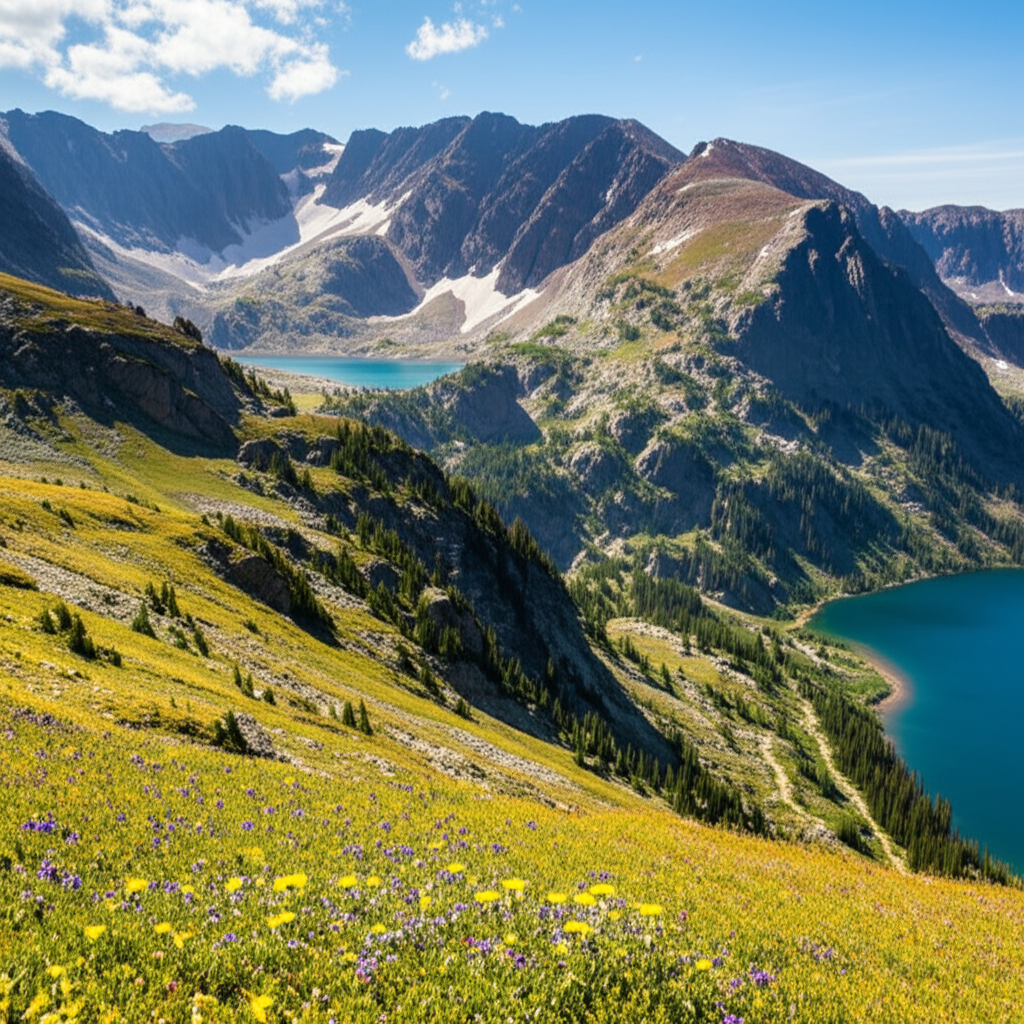
This guide will introduce you to eight spectacular mountains in Colorado, offering a variety of experiences for every type of traveler. We’ll make sure your mountain adventure is exciting and stress-free.
Exploring Colorado’s Majestic Peaks: A Beginner’s Guide
Colorado’s nickname, the “Centennial State,” hints at its rich history, but its true majesty lies in its soaring mountains. Peaks like Pikes Peak and Longs Peak are legend, drawing visitors from around the globe. For beginners, the sheer scale can be a tad intimidating. But the good news is, you don’t need to be a seasoned mountaineer to experience their grandeur.
Many of Colorado’s most epic mountains offer accessible viewpoints, scenic drives, and activities perfect for a first-time visitor. We’ll explore options that range from sitting back and enjoying the view to embarking on manageable adventures that build confidence without demanding expert skills.
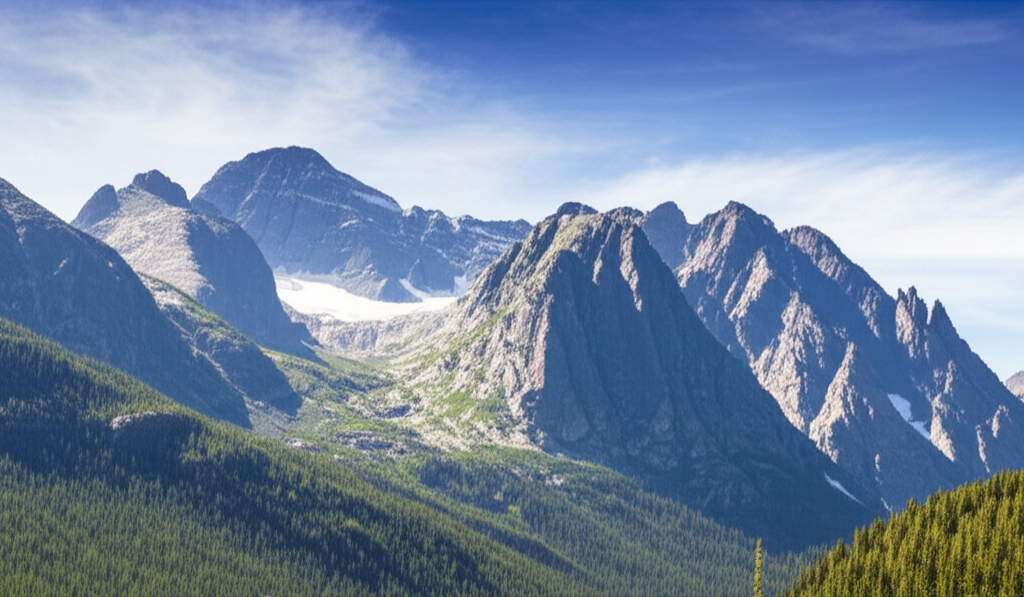
Let’s uncover some of the most iconic mountains that make Colorado a must-visit destination.
Find the Best Accommodation Deals
Compare prices from multiple booking platforms and find the best option for your stay.
Compare Hotel Prices1. Pikes Peak: America’s Mountain
Often called “America’s Mountain,” Pikes Peak is one of the most famous mountains in Colorado, and for good reason. Its accessibility and stunning vistas make it perfect for beginners. At 14,115 feet, it’s a 14er, a term for Colorado mountains over 14,000 feet, but you don’t have to climb it to appreciate its beauty.
Getting to the Summit
The most popular way to reach the summit is by driving the Pikes Peak Highway. This paved, scenic road winds its way to the top, offering incredible views at every turn. It’s a journey of about 19 miles one way, often taking 1-2 hours to ascend, not including stops.
Find the Best Accommodation Deals
Compare prices from multiple booking platforms and discover the best stay options available.
⭐ Trusted by thousands of travelers
💰 Budget to luxury options available
- Pikes Peak Highway: A fully paved road, open year-round (weather permitting). There’s an entrance fee per vehicle.
- Pikes Peak Cog Railway: This historic train offers a leisurely ride to the summit, letting you relax and soak in the scenery. It’s currently undergoing renovations but check their website for updates.
- Hiking: For the more adventurous, hiking trails like the Barr Trail start from Manitou Springs. This is a strenuous, all-day hike and not recommended for absolute beginners without proper preparation and a guide.
At the summit, you’ll find a visitor center with historical exhibits and the famous “High Altitude Bakery” where you can try their even-more-famous donuts, which are supposedly made differently due to the altitude! Remember, the weather can change rapidly at the top, so bring layers.
Learn more about planning your visit on the official Pikes Peak website.
2. Longs Peak: The Jewel of Rocky Mountain National Park
Standing proudly at 14,259 feet, Longs Peak is a dramatic and iconic summit within Rocky Mountain National Park. Its sheer granite faces and prominent shape make it a must-see. While climbing Longs Peak is an extremely challenging adventure for experienced mountaineers only, its lower slopes and surrounding park offer incredible experiences for beginners.
Best Stay Deals Available
Compare prices across top booking platforms and find the best deal for your stay.
Check Available RoomsExperiencing Longs Peak as a Beginner
The best way for beginners to experience Longs Peak is by exploring Rocky Mountain National Park. The park itself is a treasure trove of natural beauty, with accessible trails offering stunning views of the mountain from a distance. The drive through the park is spectacular, especially on Trail Ridge Road (seasonal).
- Bear Lake Trail: A paved, easy loop offering beautiful views of Bear Lake with Longs Peak often visible in the background on clear days.
- Sprague Lake Trail: Another easy, accessible trail that provides fantastic photo opportunities of the lake with the majestic peaks beyond.
- Visitor Centers: The park has several visitor centers that provide valuable information on trails, wildlife, and safety, along with great viewpoints.
Rocky Mountain National Park is a national treasure managed by the National Park Service. Always check their official website for alerts, road closures, and any required vehicle reservations before your visit.
Even from afar, Longs Peak is a sight to behold. Its presence is a constant reminder of Colorado’s wild and rugged beauty.
3. Mount Elbert: Colorado’s Highest Peak
At a staggering 14,440 feet, Mount Elbert is not just the highest point in Colorado, but also the highest point in the entire Rocky Mountains. Located in the Sawatch Range near Leadville, it’s a popular objective for hikers and mountaineers aiming to conquer the highest peak in the state.
Beginner-Friendly Access to Mount Elbert
While summiting Mount Elbert is a serious undertaking requiring good physical condition and proper preparation, beginners can still appreciate its immensity from lower vantage points or by exploring nearby areas with easier access. The scenic drives around Leadville offer stunning views.
- Twin Lakes: This beautiful area at the base of the Twin Lakes Reservoir offers picturesque views of Mount Elbert reflecting in the water. It’s a perfect spot for photography and a relaxing picnic.
- Colorado Trail: Sections of the Colorado Trail pass through the vicinity of Mount Elbert, offering hiking opportunities with great mountain perspectives without a full summit push. Research shorter, flatter segments for an easier experience.
- Drive to Independence Pass: Though not directly on Elbert, the drive towards Independence Pass (seasonal, high altitude) offers expansive views of the Sawatch Range, including glimpses of Elbert and its companions.
The town of Leadville itself is worth exploring, with its rich mining history and stunning high-altitude setting. For information on the official trailheads and more detailed hiking information, you can consult resources like White River National Forest, which manages much of the surrounding land.
Mount Elbert represents the pinnacle of Colorado’s mountainous landscape, a true monarch of the Rockies.
4. Mount Bierstadt: A Popular 14er for Beginners
Mount Bierstadt, standing at 14,065 feet, is often cited as one of the most accessible 14ers in Colorado, making it a fantastic introduction for hikers looking to challenge themselves on a high-altitude peak. Located west of Denver, it’s a popular weekend destination.
Hiking Mount Bierstadt with Ease
The standard route to the summit of Mount Bierstadt is well-established and graded, making it manageable for those with a decent level of fitness and used to hiking. It still requires stamina and acclimatization due to the altitude, but it’s often less technical than other 14ers.
- West Slopes Trail: The main trail is about 7 miles roundtrip with around 2,850 feet of elevation gain. It’s a steady climb, sometimes rocky, with a memorable section involving a walk across a rocky “talus slope.”
- Starting Elevation: The trailhead is already at a high elevation (around 11,600 feet), meaning you have less climbing to do compared to mountains starting in valleys.
- Stunning Views: The summit offers panoramic views of the surrounding Rocky Mountains, including nearby Mount Blue Sky (formerly Mount Evans).
It’s crucial to start this hike very early in the morning, ideally before sunrise. This helps with parking, ensures you have more daylight, and most importantly, avoids the afternoon thunderstorms that are common in the mountains during summer. Proper hydration, snacks, and layers are essential. Always check the weather forecast before heading out.
For planning your hike, the Arapaho National Forest website provides valuable information on this popular area.
5. Quandary Peak: Another Accessible 14er
Close to Mount Bierstadt in terms of accessibility and popularity among aspiring 14er hikers is Quandary Peak. At 14,271 feet, it’s a beautiful and rewarding climb. Located near Breckenridge, it offers a classic Colorado mountain experience.
Quandary Peak for the Novice Climber
The standard route up Quandary Peak is considered one of the more straightforward 14er ascents in Colorado. It’s a well-trafficked and relatively non-technical trail for much of its length, making it a popular choice for those new to high-altitude hiking.
- Standard East Ridge Route: This trail is about 6.75 miles roundtrip with approximately 3,400 feet of elevation gain. It’s a steady, consistent climb.
- Scenic Surroundings: The hike takes you through alpine meadows and offers breathtaking views of the surrounding Tenmile Range.
- Altitude Considerations: Like all 14ers, proper acclimatization is key. Drink plenty of water in the days leading up to your hike and on the hike itself. Avoid alcohol and strenuous activity the day before.
Parking at the Quandary Peak trailhead can be challenging, especially on weekends and during peak season. Arrive very early, or consider visiting on a weekday. The weather is a significant factor; always be prepared for cold, wind, and potential storms, even on a sunny day.
You can find more details about trail conditions and regulations from the Pike National Forest, which oversees this area.
6. Maroon Bells: Iconic & Visually Stunning
The Maroon Bells are arguably the most photographed mountains in Colorado, and for good reason. This iconic duo, consisting of Maroon Peak and North Maroon Peak, are set against the stunning backdrop of Maroon Lake. While you can’t hike to their summits without serious mountaineering skills, the area offers unparalleled beauty accessible to everyone.
Experiencing the Majesty of the Maroon Bells
Access to the Maroon Bells is controlled to protect its fragile environment. During peak season, private vehicles are generally not allowed, but a shuttle system is in place, making it easy and stress-free to visit.
- Shuttle Bus: From Aspen, you can take a scenic shuttle bus that stops at various points, including Maroon Lake. This is the primary way to access the area during the summer and fall.
- Maroon Lake Scenic Trail: The walk around Maroon Lake is very easy and flat, mostly paved or boardwalk, making it perfect for families, strollers, and anyone wanting breathtaking views without strenuous effort.
- Crater Lake Trail: For a slightly more moderate hike, the trail continues past Maroon Lake towards Crater Lake. This offers even more dramatic views of the peaks and is about 3.6 miles roundtrip.
The best time to visit is typically late summer through early fall when the aspen trees turn golden, creating a truly magical spectacle. The vibrant wildflowers in summer are also a sight to behold. Remember to check the Aspen Chamber of Commerce or the White River National Forest for current access information and shuttle schedules.
The Maroon Bells offer a quintessential Colorado mountain experience that’s both accessible and utterly unforgettable.
7. Crested Butte: The Wildflower Capital with Mountain Views
While not a single towering peak, the area around Crested Butte is synonymous with majestic mountain scenery and vibrant wildflower displays. Known as the “Wildflower Capital of Colorado,” this charming mountain town is surrounded by dramatic peaks and rolling alpine meadows.
Exploring the Beauty of Crested Butte
Crested Butte offers a fantastic blend of easy scenic drives, accessible trails, and breathtaking mountain vistas. The town itself maintains a historic, laid-back atmosphere, making it a delightful base for exploration.
- Kebler Pass: This scenic byway (seasonal, unpaved) is famous for its incredible aspen groves, which turn brilliant gold in the fall. The drive offers stunning mountain panoramas and access to hiking trails.
- Crested Butte Mountain Resort: In the summer, the resort often operates its scenic chairlifts, allowing you to ascend the mountain for spectacular views without the strenuous climb.
- Easy Hikes: Numerous trails around Crested Butte are relatively flat and short, perfect for beginners and families looking to immerse themselves in the alpine environment. Explore trails like the Lupine Trail or sections of the.[Oh-IO to Oh-My Trail].
The town’s reputation for wildflowers means that late June through August is a particularly spectacular time to visit, with meadows bursting in color. Even outside of wildflower season, the rugged mountain backdrop provides a stunning setting for photography and relaxation.
Check with Crested Butte Mountain Resort and local tourism sites for seasonal access and activity information.
8. Bear Peak: A Local Favorite Near Boulder
For those looking for a mountain experience close to the Front Range urban corridor, Bear Peak, standing at 8,570 feet, is an excellent, albeit still challenging, option. It’s a beloved local hiking destination just west of Boulder, offering dramatic terrain and incredible views of Denver and the plains.
Hiking Bear Peak: A Taste of the Rockies
Bear Peak is not a casual stroll; it involves significant elevation gain and some rocky, steep sections. However, it’s a popular choice for locals and visitors seeking a rewarding hike without driving long distances into the higher mountains.
- Shorter, Steeper Routes: Trails like the Shanahan Ridge Trail or the Bear Peak Trail itself offer more direct, strenuous ascents.
- Longer, More Gradual Options: Trails like the Fern Canyon Trail, combined with sections of the Boy Scout Trail, can offer a slightly more moderate path to the summit, though still demanding.
- Summit Views: The top provides a sweeping, panoramic view that stretches from Denver to the Continental Divide. On a clear day, you can see for miles.
It’s essential to be prepared for Bear Peak. Wear sturdy hiking boots, bring plenty of water and snacks, and check the weather forecast. Due to its accessibility, trails can be busy, especially on weekends. The most suitable time for beginners to attempt this hike is on a clear, dry day, ideally a weekday to avoid crowds. Remember to bring sun protection!
For detailed trail maps and safety information, consult the City of Boulder Open Space and Mountain Parks website.
Planning Your Mountain Adventure: Essential Tips for Beginners
Visiting Colorado’s majestic mountains is an incredible experience, but it’s important to be prepared, especially if you’re new to it. Safety and enjoyment go hand-in-hand!
1. Altitude Acclimatization
Colorado’s high altitude can affect anyone, regardless of fitness level. Spend your first day or two at a lower elevation (like Denver or Boulder) before heading to higher altitudes. Drink plenty of water – more than you think you need – and limit alcohol and caffeine. Listen to your body; headaches, nausea, and dizziness are signs of altitude sickness.
2. Weather Preparedness
Mountain weather is notoriously unpredictable. What starts as a sunny day can quickly turn into a storm with rain, hail, or even snow, especially at higher elevations. Even in summer, temperatures at the summit can be close to freezing. Always pack layers of clothing, including a waterproof and windproof outer shell. A hat and gloves are also wise, even on warm days.
3. Essential Gear
For most of these mountain experiences, especially hiking trails, a few key items will make your trip much more comfortable and safe:
- Sturdy Footwear: Hiking boots or durable trail shoes with good traction are a must.
- Water and Snacks: High-energy snacks and plenty of water are crucial.
- Sun Protection: Sunscreen, sunglasses, and a hat are essential due to the increased UV exposure at higher altitudes.
- Navigation: While many trails are well-marked, having a map (digital or physical) and knowing how to use it can be helpful.
- First-Aid Kit: A basic kit for blisters, cuts, or minor injuries.