
Discover charming historic towns near Banff for an unforgettable Canadian Rockies adventure. Explore beyond the famous park to find unique culture, stunning scenery, and rich heritage just a short drive away.
Planning a trip to Banff National Park is exciting, and seeing its majestic mountains is a dream for many! But sometimes, the most magical parts of a journey lie just beyond the well-trodden paths.
Check the latest prices and available rooms before they sell out.
You might be wondering if there’s more to explore in the Canadian Rockies than just the famous sights. It can feel a bit overwhelming trying to find those hidden gems, especially if it’s your first time exploring this stunning region.
Don’t worry, I’ve got you covered! This guide will lead you to nine incredible historic towns near Banff that offer unique escapes. Get ready to discover stories, culture, and breathtaking views you won’t forget.
Let’s dive into some amazing places that will make your Canadian Rockies adventure even more special!
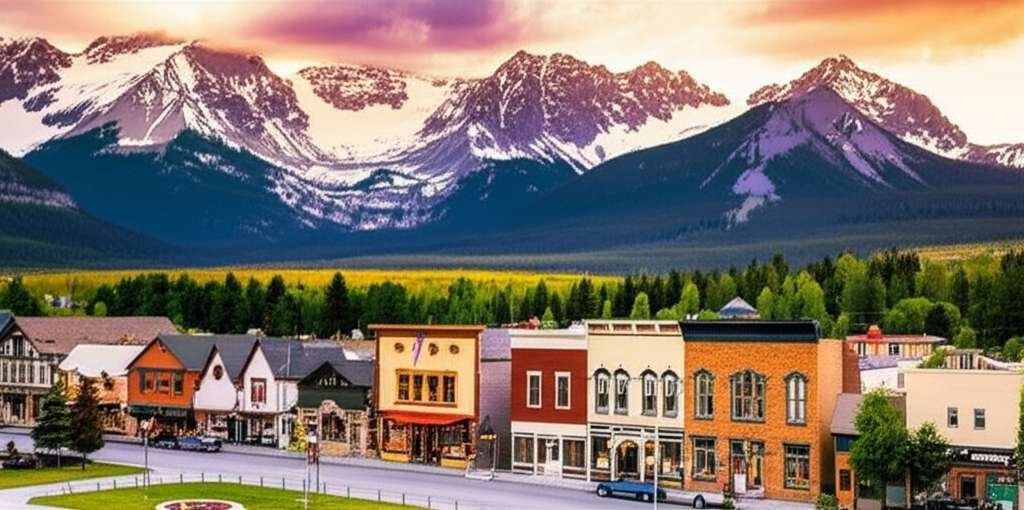
9 Historic Towns Near Banff: Amazing Escapes
Banff National Park is a jewel, but the surrounding areas are brimming with history and charm that deserve a spot on your travel itinerary. These towns offer a different pace, a glimpse into the past, and a chance to experience the local flavor of Alberta and British Columbia.
1. Canmore: Gateway to the Rockies
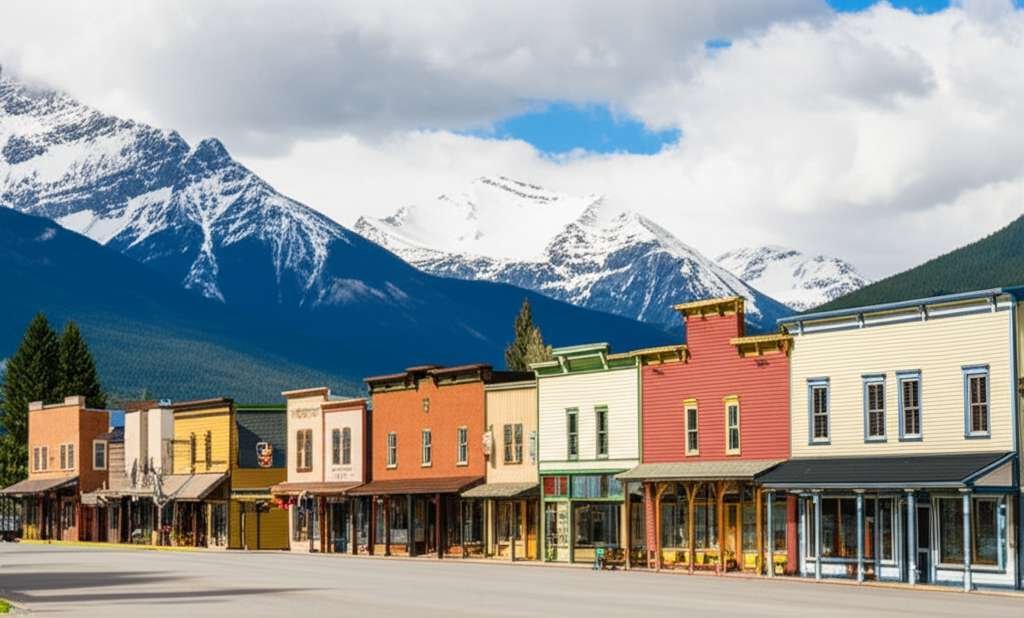
Just a stone’s throw from Banff, Canmore is a vibrant mountain town with deep historical roots. Once a bustling coal mining center, it has transformed into a hub for outdoor adventure and arts.
The town’s history is evident in its architecture and museums. You can learn about the lives of the miners who shaped this community and the indigenous peoples who have called this land home for millennia.
Find the Best Accommodation Deals
Compare prices from multiple booking platforms and find the best option for your stay.
Compare Hotel PricesCanmore offers fantastic hiking, biking, and climbing opportunities, with the Three Sisters mountains as a dramatic backdrop. It’s a great base for exploring Kananaskis Country, an area often overlooked by tourists heading straight for Banff.
Why Visit Canmore?
Find the Best Accommodation Deals
Compare prices from multiple booking platforms and discover the best stay options available.
⭐ Trusted by thousands of travelers
💰 Budget to luxury options available
- Proximity to Banff (only 20 minutes away)
- Rich mining history
- Stunning mountain scenery
- Access to Kananaskis Country
- Thriving arts and culture scene
2. Exshaw: Echoes of Industry
Located east of Canmore, Exshaw is a small community with a significant industrial past. Its history is tied to cement production, with the iconic LaFarge cement plant dominating the landscape.
The town’s story is one of hard work and resourcefulness. Visiting Exshaw offers a unique perspective on the industrial development that supported the growth of the Canadian West.
Best Stay Deals Available
Compare prices across top booking platforms and find the best deal for your stay.
Check Available RoomsWhile it might not have the typical tourist amenities of other towns, Exshaw provides a raw and authentic look at a working community. The surrounding Bow Valley offers beautiful views and opportunities for quiet exploration.
What to See in Exshaw:
- LaFarge Cement Plant (view from outside)
- Bow River for scenic walks
- Local history interpretation if available
3. Lake Louise: More Than Just a Lake
While Lake Louise itself is within Banff National Park, the hamlet of Lake Louise is a historic destination in its own right. Its fame began with the luxurious Fairmont Chateau Lake Louise, built in the early 20th century.
The area’s history is intertwined with the Canadian Pacific Railway and the golden age of tourism. Early visitors marveled at the turquoise waters and the Victoria Glacier.
Beyond the iconic lake, the hamlet offers access to incredible hiking trails like Lake Agnes Tea House and Plain of Six Glaciers. It’s a place where history meets unparalleled natural beauty.
Lake Louise Highlights:
- Fairmont Chateau Lake Louise
- Canoeing on Lake Louise
- Hiking to historic tea houses
- Spectacular glacier views
4. Radium Hot Springs: Natural Wonders and Pioneer Spirit
Heading west into British Columbia, Radium Hot Springs offers a delightful escape with a rich history tied to its natural hot springs. These mineral-rich pools have been a draw for centuries.
The area was a sacred place for the Ktunaxa people long before European settlers arrived. The town grew around the development of the hot springs as a health resort in the early 1900s.
Today, you can soak in the naturally heated waters at the Radium Hot Springs pools, managed by Parks Canada. The nearby Kootenay National Park provides stunning landscapes and wildlife viewing opportunities.
Radium Hot Springs Experience:
- Soaking in the natural hot springs
- Exploring Kootenay National Park
- Wildlife spotting (bighorn sheep are common)
- Visiting the historic village
5. Fairmont Hot Springs: A Historic Resort Town
Also located in British Columbia, Fairmont Hot Springs is another community built around the therapeutic benefits of geothermal waters. It boasts one of the largest natural hot springs in Canada.
The resort town has a history of catering to travelers seeking relaxation and rejuvenation. Its development as a resort destination began in the mid-20th century, building on the natural allure of the springs.
Fairmont Hot Springs offers a more resort-focused experience with golf courses, swimming pools, and family-friendly activities, all set against a backdrop of the Purcell Mountains.
Fairmont Hot Springs Activities:
- Relaxing in the hot springs
- Playing a round of golf
- Exploring the surrounding mountain scenery
- Family-friendly resort amenities
6. Golden: Where Rivers Meet the Mountains
Nestled at the confluence of the Columbia and Kicking Horse Rivers, Golden, British Columbia, is a historic transportation and wilderness hub. Its location has made it a strategic point for explorers and settlers.
The town’s past is linked to the construction of the Canadian Pacific Railway and the fur trade. It served as a vital stop for travelers venturing into the interior of British Columbia.
Golden is known as the “Last Best Place” for adventure. It offers thrilling activities like whitewater rafting on the Kicking Horse River and experiencing the Golden Skybridge, one of Canada’s highest suspension bridges.
Golden’s Appeal:
- Historic railway town
- Gateway to Yoho and Glacier National Parks
- World-class whitewater rafting
- Stunning mountain vistas
- The Golden Skybridge
7. Field: A Gem in Yoho National Park
Field, British Columbia, is a tiny but historically significant village situated within the breathtaking Yoho National Park. Its existence is deeply connected to the railway and the natural wonders surrounding it.
Field was established as a railway point for the Canadian Pacific Railway, which played a crucial role in opening up this rugged territory. The town is surrounded by towering peaks and is near iconic sites like Emerald Lake and Takakkaw Falls.
Visiting Field is like stepping back in time. You can explore the historic buildings, learn about the area’s railway heritage at the visitor center, and use it as a base for exploring the incredible natural beauty of Yoho.
Discover Field:
- Home to the Spiral Tunnels (a National Historic Site)
- Proximity to Emerald Lake and Takakkaw Falls
- Historic buildings and railway heritage
- Stunning natural landscapes
8. Revelstoke: Railway Heritage and Mountain Charm
Further west along the Trans-Canada Highway, Revelstoke, British Columbia, is a town rich in railway history and surrounded by majestic mountains. It’s a place where adventure meets heritage.
Revelstoke was a key division point for the Canadian Pacific Railway. The railway brought prosperity and people to the area, shaping its identity. You can explore this past at the Revelstoke Railway Museum.
Today, Revelstoke is celebrated for its outdoor recreation, including skiing at Revelstoke Mountain Resort and exploring Mount Revelstoke National Park, famous for its Meadows in the Sky Parkway.
Revelstoke’s Allure:
- Revelstoke Railway Museum
- Mount Revelstoke National Park
- Revelstoke Mountain Resort (skiing and summer activities)
- Historic downtown area
- Access to the Columbia River
9. Waterton Park Village: Southern Rockies Charm
While a bit further south, Waterton Park Village in Waterton Lakes National Park, Alberta, offers a distinct historic charm and is a worthy addition if you have more time. It’s Canada’s only international peace park, shared with Glacier National Park in the USA.
The village itself is historic, centered around the iconic Prince of Wales Hotel, which opened in 1927. The park was established in 1895, making it one of Canada’s oldest national parks.
Waterton offers incredible opportunities for hiking, boating on the lakes, and wildlife viewing. The unique “prairie to peaks” landscape provides a different, yet equally stunning, mountain experience compared to Banff.
Waterton Park Village Highlights:
- Historic Prince of Wales Hotel
- Boat tours on Waterton Lake
- Hiking trails for all levels
- Unique wildlife viewing opportunities
- International Peace Park connection
Planning Your Historic Town Excursions
Visiting these historic towns near Banff is easier than you might think. Here’s a simple guide to help you plan your adventures.
Getting Around
The best way to explore these towns is by car. Renting a vehicle gives you the flexibility to stop at scenic viewpoints, visit multiple towns, and travel at your own pace. The Trans-Canada Highway (Highway 1) and Highway 93 are your main routes.
When to Visit
Each season offers a unique experience:
- Summer (June-August): Warmest weather, ideal for hiking and outdoor activities. Expect more crowds.
- Fall (September-October): Beautiful autumn colors, fewer crowds, and crisp air. Some services might be limited.
- Winter (November-March): Snow sports in ski towns like Revelstoke. Many attractions and roads in national parks might be closed or have limited access.
- Spring (April-May): Wildflowers begin to bloom, but snow can linger at higher elevations. A good time for fewer crowds.
What to Pack
Be prepared for mountain weather, which can change quickly:
- Layers of clothing (including a waterproof and windproof jacket)
- Comfortable hiking shoes
- Sunscreen, hat, and sunglasses
- Insect repellent
- Camera
- Binoculars for wildlife viewing
- Reusable water bottle
A Tale of Two Parks: Banff vs. Yoho
While Banff National Park is world-renowned, its neighbor, Yoho National Park, offers equally spectacular scenery and historical depth, often with fewer crowds. Field, British Columbia, serves as the main gateway to Yoho and is a perfect example of a historic town immersed in natural grandeur.
Banff, established in 1885, is Canada’s oldest national park and has a long history of tourism, centered around the Banff Springs Hotel and its hot springs. Yoho, established in 1886, showcases dramatic geological features like the Burgess Shale fossil beds and stunning waterfalls.
Here’s a quick comparison:
| Feature | Banff National Park | Yoho National Park |
|---|---|---|
| Established | 1885 | 1886 |
| Key Town/Village | Banff, Lake Louise | Field |
| Famous For | Lake Louise, Moraine Lake, Banff townsite, hot springs | Emerald Lake, Takakkaw Falls, Natural Bridge, Spiral Tunnels, Burgess Shale |
| Historic Focus | Early tourism, railway expansion, spa town | Railway engineering, natural geological wonders |
| Typical Visitor Experience | Iconic vistas, bustling town, wide range of amenities | Rugged natural beauty, historical railway sites, quieter exploration |
Exploring both parks gives you a fuller picture of the Canadian Rockies’ history and natural splendor. Field, in particular, offers a charming and historically rich base for exploring Yoho’s wonders.
Exploring Alberta’s Coal Mining Heritage
The towns east of Banff, like Canmore and Exshaw, share a common thread: their development was fueled by the rich coal seams found in the Rocky Mountains. This industrial past has left an indelible mark on the landscape and culture of the region.
Coal mining began in earnest in the late 19th and early 20th centuries. Towns sprung up to support the mines, attracting workers and their families from around the world. These communities were tough, resilient, and built on hard labor.
Visiting these areas allows you to connect with a different side of mountain history – the story of industry and human endeavor that helped build the nation. You can often find local museums or interpretative centers that tell these compelling stories.
The Role of Railways in Mountain Towns
The construction of the Canadian Pacific Railway in the late 19th century was a monumental achievement that directly led to the growth and establishment of many mountain towns, including those near Banff.
The railway was crucial for transporting resources, connecting communities, and opening up the West to settlement and tourism. Towns like Field, Golden, and Revelstoke owe their existence to the railway’s presence.
The engineering marvels of the railway, such as the Spiral Tunnels in Yoho National Park, are still visible today and serve as reminders of the immense challenges and triumphs of building this transcontinental line. The Spiral Tunnels National Historic Site is a must-see for anyone interested in Canadian history and engineering.
Frequently Asked Questions About Historic Towns Near Banff
Here are some common questions beginners have when planning their trips to these charming destinations.
Q1: Are these towns easily accessible from Banff?
A1: Yes, most of these towns are a relatively short drive from Banff. Canmore is only about 20 minutes away. Towns in British Columbia like Radium Hot Springs and Golden are a few hours’ drive, making them great for a day trip or an overnight stay.
Q2: What is the best historic town to visit if I only have one day?
A2: For a day trip, Canmore is the most convenient and offers a great mix of history, shops, and dining. If you have a bit more time and want to experience Yoho National Park, Field is an excellent choice.
Q3: Are these towns suitable for families?
A3: Absolutely! Many of these towns offer family-friendly activities. Canmore has parks and easy trails, Radium Hot Springs has swimming pools, and Golden offers unique attractions like the Skybridge. Always check specific activity suitability for younger children.
Q4: What kind of historical attractions can I expect?
A4: You can expect to see historic buildings, railway museums, interpretative centers detailing mining or pioneer history, and natural landmarks that have been significant for centuries. The architecture and local stories are the main draws.
Q5: Do I need a Parks Canada Discovery Pass to visit these towns?
A5: You will need a Parks Canada Discovery Pass if you plan to stop within Banff, Yoho, Kootenay, or Waterton Lakes National Parks, even if you are just passing through or visiting a town located inside the park boundaries (like Field or Lake Louise hamlet). Towns outside the national parks, such as Canmore, Exshaw, Golden, Revelstoke, and Fairmont Hot Springs, do not require a pass for town access.
Q6: Are there good dining and accommodation options in these towns?
A6: Yes, you’ll find a range of options. Canmore and Revelstoke have extensive choices for dining and lodging. Smaller towns like Field or Exshaw might have more limited options, so it’s wise to book accommodations in advance, especially during peak season.
Q7: What is the best time of year to visit for historical insights?
A7: While history is present year-round, spring and fall often offer a more relaxed atmosphere, allowing for deeper exploration of museums and historical sites without the peak summer crowds. Winter can be magical but may limit access to certain outdoor historical features.
Your Unforgettable Canadian Rockies Journey Awaits
Banff National Park is undeniably stunning, but venturing into the nearby historic towns unlocks a richer, more diverse travel experience. From the coal mining past of Canmore to the railway triumphs shaping Field and Revelstoke, each destination offers a unique chapter in the story of the Canadian Rockies.
These towns aren’t just stops on a map; they are places with stories to tell, landscapes that inspire, and communities that welcome you. They provide a perfect complement to the grandeur of the national parks, offering a blend of natural beauty and human history.
So, as you plan your trip to Banff, remember to look beyond the park gates. Take a short drive, explore a charming main street, delve into a local museum, or simply soak in the views that have captivated travelers for generations. These historic escapes are waiting to make your Canadian adventure truly unforgettable.