
Discover Florida’s 9 stunning natural springs for refreshing escapes, perfect for budget-friendly adventures and family fun. Experience crystal-clear waters and vibrant nature with this easy guide.
Florida might be famous for its theme parks and beaches, but it holds a magical secret: incredible natural springs! These hidden gems offer a refreshing change of pace, with cool, clear water perfect for swimming and exploring.
Check the latest prices and available rooms before they sell out.
Check AvailabilityPlanning a trip to these springs can seem a little daunting, especially if it’s your first time. But don’t worry! This guide will make discovering Florida’s natural beauty simple and exciting.
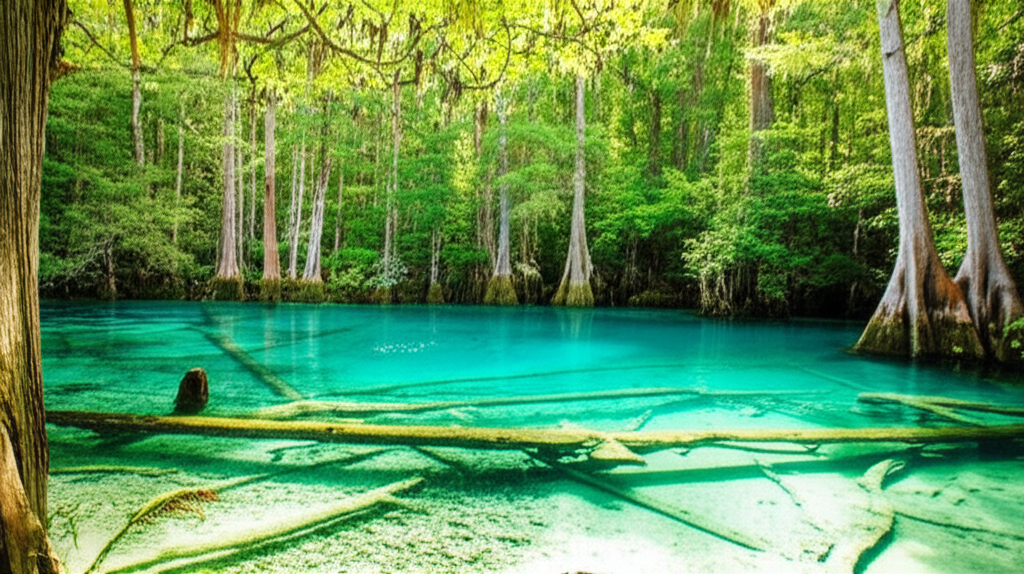
We’ll walk you through nine of the most beautiful springs, sharing what makes each one special and how to best enjoy them. Get ready to dive into an unforgettable adventure!
Why Florida’s Natural Springs Are a Must-Visit
Imagine stepping into water so clear you can see every pebble on the bottom, surrounded by lush greenery and the gentle sounds of nature. That’s the magic of Florida’s natural springs! They are little oases, offering a break from the humid Florida weather and a chance to connect with the natural world.
Unlike crowded beaches or busy tourist spots, the springs often feel like a private paradise. They are perfect for a relaxing day out, an active adventure, or simply a peaceful escape.
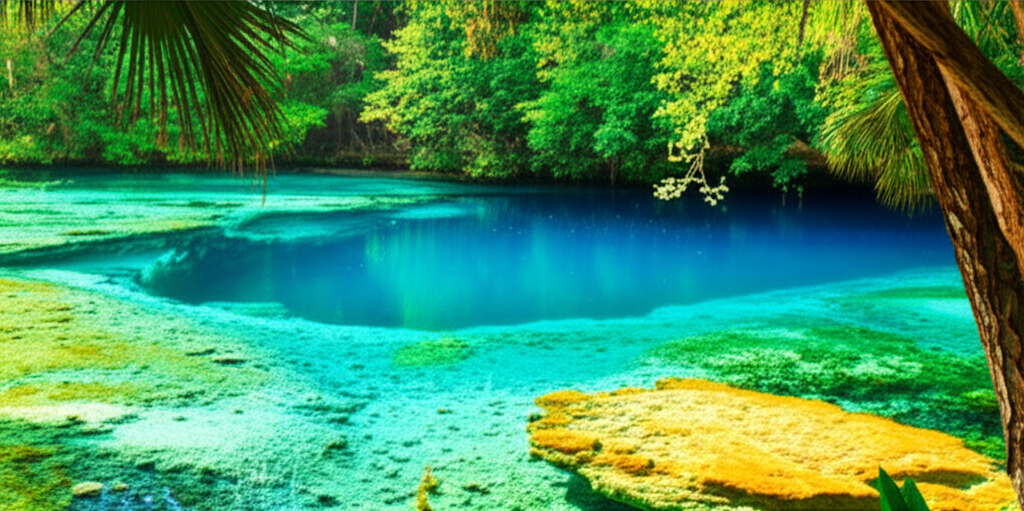
These springs also hold historical and ecological importance. Many have been used for centuries and are vital habitats for unique wildlife. Exploring them is not just fun; it’s also an educational experience.
Find the Best Accommodation Deals
Compare prices from multiple booking platforms and find the best option for your stay.
Compare Hotel PricesYour Guide to 9 Breathtaking Natural Springs in Florida
Florida is home to over 700 natural springs, but we’ve handpicked nine that truly stand out for their beauty, accessibility, and array of activities. Each offers a unique experience for every type of traveler.
1. Weeki Wachee Springs State Park (The Buccaneer Bay Wonder)
Weeki Wachee is famous for its “Mermaid Shows” where performers in elaborate costumes swim and interact with marine life in a natural, underwater theater. It’s a truly unique experience you won’t find anywhere else!
Find the Best Accommodation Deals
Compare prices from multiple booking platforms and discover the best stay options available.
⭐ Trusted by thousands of travelers
💰 Budget to luxury options available
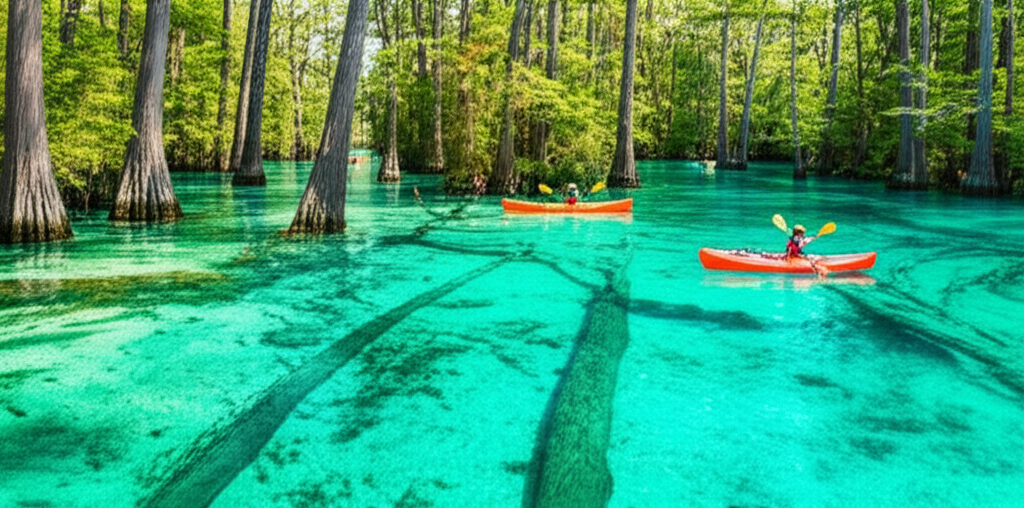
Beyond the famous mermaids, Weeki Wachee offers a beautiful spring run perfect for kayaking and paddling. The Buccaneer Bay water park section provides a fun place for families to cool off with slides and a sandy beach.
Key Attractions:
Best Stay Deals Available
Compare prices across top booking platforms and find the best deal for your stay.
Check Available Rooms- Live Mermaid Shows
- Kayaking and Canoeing the Weeki Wachee River
- Buccaneer Bay Water Park
- Wildlife viewing (manatees, turtles, fish)
2. Ichetucknee Springs State Park (The Quintessential Florida Dip)
Known for its crystal-clear, turquoise waters, Ichetucknee is a tubing paradise. You can float lazily down a 3-mile-long river, surrounded by shady trees and the sounds of nature.
The park offers multiple access points, allowing for different tubing experiences. Besides tubing, swimming and snorkeling are popular activities here, with visibility often exceeding 100 feet.
Plan your visit to Ichetucknee:
- Tubing: Rent tubes or bring your own for a relaxing float down the Ichetucknee River. The park has shuttle services to get you back to your starting point.
- Swimming: The head spring is a designated swimming area with a sandy bottom.
- Snorkeling: Explore the underwater world of the spring run.
- Wildlife: Keep an eye out for turtles, otters, and a variety of fish.
Did you know? The Ichetucknee River is a designated National Natural Landmark, highlighting its ecological significance.
3. Blue Spring State Park (Manatee Haven)
Blue Spring is a beloved spot, especially during the cooler months. From November through March, it becomes a crucial refuge for West Indian manatees seeking warmer waters.
During manatee season, swimming in the main spring is restricted to protect these gentle giants. However, you can still walk along the boardwalks to observe them and enjoy the park’s natural beauty. Kayaking and canoeing are permitted on the St. Johns River side of the park.
What to Expect at Blue Spring:
- Manatee Viewing: Witness hundreds of manatees during winter months.
- Boardwalk Strolls: Enjoy scenic walks with educational signage.
- Kayaking/Canoeing: Explore the St. Johns River.
- Hiking: Trails wind through hammocks and pine flatwoods.
Important Note: The swimming area in the spring is closed when the manatee count reaches a certain level during manatee season. Always check the park’s status before visiting.
4. Ginnie Springs (Adventure Playground)
Ginnie Springs is an absolute wonderland for spring lovers who crave adventure. It’s a privately-owned park famous for its incredibly clear water and a wide range of activities for all ages.
This spring is particularly popular for diving and snorkeling due to its depth and submerged caverns. For those who prefer to stay above water, there are ample opportunities for tubing, swimming, and even zip-lining.
Highlights of Ginnie Springs:
- Diving/Snorkeling: Explore the famous “Ballroom” cavern.
- Tubing: Extensive river areas are perfect for a lazy float.
- Kayaking and Canoeing: Paddle through the pristine waters.
- Night Swimming: Enjoy the illuminated springs after dark (seasonal).
- Picnicking and Camping: Make a day of it or stay longer.
Tip: Because it’s privately owned, Ginnie Springs can have its own rules and entry fees, so it’s wise to check their official website for the latest information.
5. Rainbow Springs State Park (A Splash of Color)
Rainbow Springs is one of Florida’s original tourist attractions, and it’s easy to see why. The park boasts a series of beautiful, sapphire-blue springs that feed into the Withlacoochee River.
The main spring head is a popular spot for swimming and relaxing. You can also explore the park’s waterfalls, azalea gardens, and butterfly garden, adding a touch of botanical beauty to your natural escape.
Experience Rainbow Springs:
- Swimming: Enjoy the cool, refreshing waters of the main spring.
- Paddling: Kayak or canoe the Rainbow River.
- Nature Trails: Walk through diverse ecosystems and enjoy the gardens.
- Picnicking: Several designated areas are available.
6. Jackson’s Blue Spring State Park (Quiet Serenity)
Located in the heart of Florida, Jackson’s Blue Spring offers a more tranquil spring experience. Its deep blue cavity is a refreshing oasis, perfect for a quiet swim or a peaceful day.
The park provides access to the Suwannee River, a major waterway with significant ecological and historical importance. Kayaking and canoeing here offer a chance to see unique flora and fauna.
Jackson’s Blue Spring Offers:
- Swimming: Dive into the clear, cool spring.
- Paddling: Explore the Suwannee River.
- Hiking: Trails offer scenic views of the river and surrounding woods.
- Picnicking: Relax and enjoy the natural surroundings.
Learn more about the Suwannee River watershed and its conservation efforts through resources like the Florida State Parks Foundation.
7. Wakulla Springs State Park (The Deep Blue Giant)
Wakulla Springs is one of the largest and deepest freshwater springs in the world, creating a magnificent, natural swimming area. It’s a place of awe-inspiring scale and beauty.
The park is also home to a historic lodge, the Wakulla Springs Lodge, which offers overnight stays for a truly immersive experience. Guided river boat tours are a fantastic way to spot wildlife like alligators, turtles, and various bird species along the Wakulla River.
Discover Wakulla Springs:
- Swimming: Enjoy the vast, cool waters of the spring.
- Riverboat Tours: See wildlife and learn about the ecosystem.
- Wakulla Springs Lodge: Stay in a historic, beautiful setting.
- Hiking: Explore trails through ancient cypress forests.
Fun Fact: Wakulla Springs has been featured in several movies, including the original “Tarzan” film!
8. Silver Glen Springs Recreation Area (Ocala National Forest Gem)
Nestled within the Ocala National Forest, Silver Glen Springs is a vibrant, sapphire-blue spring renowned for its stunning clarity and the lively spring run.
This area is a favorite for swimmers, snorkelers, and divers. The surrounding forest provides a beautiful backdrop for hiking and picnicking. You can also paddle or kayak down the Glen Spring Run, which eventually connects to Lake George.
What makes Silver Glen Springs special:
- Swimming & Snorkeling: Immerse yourself in crystal-clear waters.
- Diving: Explore the spring’s depths.
- Paddling: Experience the beauty of the Glen Spring Run.
- Hiking: Enjoy trails within the national forest.
- Picnicking: Plenty of spots to relax outdoors.
This area is managed by the U.S. Forest Service, so check their official website for operating hours and any specific regulations.
9. Big Shoals State Park (Wilder Waters)
For a more rugged and natural spring experience, Big Shoals State Park is a fantastic choice. It features Florida’s largest white-water shoals, a unique feature in the state.
While swimming directly in the shoals might be challenging due to the currents, the park offers miles of hiking trails along the Suwannee River. Kayaking and canoeing opportunities are also available, providing a different perspective of this wild landscape.
Explore Big Shoals:
- Hiking: Traverse scenic trails along the Suwannee River.
- Paddling: Experience the Suwannee River.
- Wildlife Viewing: Observe the natural habitat.
- Enjoying Nature: A peaceful retreat for nature lovers.
Note: This park is more about the natural environment and river access than swimming in a calm spring pool. It offers a taste of Florida’s wilder side.
Planning Your Spring Adventure: Essential Tips
Visiting Florida’s natural springs is an accessible and enjoyable experience for beginners. Here are some practical tips to make your trip smooth and memorable.
When to Visit
Florida springs are beautiful year-round, but the best time depends on your preferences:
- Spring and Fall: These seasons offer pleasant temperatures for exploring and swimming, with fewer crowds than summer.
- Summer: It’s peak season, so expect more visitors. The cooler spring water is a welcome relief from the heat. It’s vital to book accommodations and park entries in advance.
- Winter: While the air might be cooler, the spring water temperature stays a constant 72°F (22°C). This is also prime time for manatee viewing at parks like Blue Spring.
What to Pack
Packing smart ensures you have everything you need for a day of fun:
- Swimsuit and towel
- Sunscreen (reef-safe options are best for aquatic environments)
- Hat and sunglasses
- Comfortable walking shoes or water shoes
- Water bottle (stay hydrated!)
- Snacks or a picnic lunch
- Waterproof bag for your essentials
- Camera to capture the beauty
- Insect repellent (especially if hiking in shaded areas)
Park Entrance Fees and Regulations
Most state parks have a modest entrance fee per vehicle. Private parks often have higher fees but may offer more amenities.
- State Parks: Fees typically range from $4–$6 per vehicle. Some parks might have additional costs for specific activities like equipment rentals.
- Private Parks (e.g., Ginnie Springs): Expect fees to be higher, potentially $15–$30 per person or per vehicle, depending on the park and services included.
- Respect Nature: Always follow park rules, such as not feeding wildlife and staying on marked trails. Avoid using products that can harm the delicate spring ecosystems.
For the most accurate and up-to-date information on fees and rules, always check the official website of the park you plan to visit.
Understanding Florida’s Spring Ecosystems
Florida’s springs are more than just beautiful swimming holes; they are vital parts of the state’s unique environment. Understanding their ecosystem helps us appreciate and protect them.
The Art of the Spring: How They Form
Florida’s springs are created by the state’s vast underground aquifer system. Rainwater filters down through porous limestone rock the Floridan Aquifer, a massive reservoir of fresh water.
When the underground water pressure builds up, it finds natural openings in the limestone, such as caves or fissures, and bursts forth to the surface, creating a spring. The water temperature is remarkably consistent year-round, typically around 72°F (22°C), making them popular for swimming regardless of the air temperature.
Biodiversity and Wildlife
These clear, cool waters support a rich array of plant and animal life. You might spot:
- Fish: Many species, including freshwater game fish and small, colorful minnows.
- Turtles: Various types of turtles bask on logs or swim in the water.
- Manatees: Gentle sea cows are often found in warmer springs during cooler months.
- Birds: Anhingas, herons, kingfishers, and many other bird species are common.
- Other Mammals: Otters and raccoons can sometimes be seen along the riverbanks.
- Aquatic Plants: Vibrant submerged vegetation thrives in the nutrient-rich water.
Why Protection is Crucial
Natural springs are sensitive environments. Pollution, development, and overuse can threaten their water quality and the wildlife that depends on them.
Freshwater springs provide drinking water for communities and are vital for maintaining river flows and estuary health. Protecting them ensures these natural treasures will be around for future generations to enjoy.
FAQ: Your Beginner’s Guide to Florida Springs
Q1: Are Florida’s natural springs safe for swimming?
Yes, typically Florida’s natural springs are very safe for swimming. The water is usually incredibly clear, and most parks have designated swimming areas. Always be aware of your surroundings and any park-specific advisories.
Q2: What is the best time of year to visit Florida’s springs?
Spring and Fall offer the most pleasant weather for outdoor activities. However, summer is popular for cooling off in the water, and winter is ideal for seeing manatees at certain parks.
Q3: Do I need to bring my own equipment for tubing or kayaking?
Many parks offer rentals for tubes, kayaks, and canoes. If you prefer, you can also bring your own equipment, but check park regulations regarding personal flotation devices.
Q4: Are there age or swimming skill restrictions for enjoying the springs?
Most springs are open to all ages and swimming abilities. For activities like diving or strong currents, specific age or certification requirements might apply or parental supervision is advised.
Q5: Can I bring food and drinks to the springs?
Most state parks allow visitors to bring food for picnics. Some may have restrictions on alcohol. Private parks might have different policies, so it’s good to check their websites.
Q6: What if I want to see manatees? When and where can I see them?
Manatees are most commonly seen in Florida springs during the cooler months (roughly November to March) when they seek refuge from the colder ocean or gulf waters. Blue Spring State Park is a prime location for manatee viewing during this period.
Q7: Are there any hidden costs I should be aware of?
Besides the entrance fee, potential costs include equipment rentals (tubes, kayaks), food, and souvenirs. Some parks might also have shuttle fees if you’re tubing. Always check the park’s website for a full breakdown of potential expenses.
A Crystal-Clear Conclusion to Your Florida Spring Adventure
Exploring Florida’s natural springs is an adventure that offers something for everyone, from the thrill-seeker to the peace-lover. These incredible natural wonders provide crystal-clear waters, unique wildlife encounters, and a refreshing break from the everyday.
Whether you’re floating down a lazy river, watching mermaids, or marveling at hundreds of manatees, each spring offers a distinct experience. With this guide, planning your