
Must-See Louisiana Historic Landmarks: Your Beginner’s Guide to Exploring the Pelican State’s Rich Past
Discover the most important historic landmarks in Louisiana with this easy-to-follow guide. Perfect for first-time visitors, we’ll walk you through iconic sites, from grand plantations to vibrant city districts, making your trip planning simple and exciting.
Check the latest prices and available rooms before they sell out.
Louisiana is a state bursting with stories, a place where history whispers from every corner. From the echoes of French and Spanish explorers to the vibrant culture of Creole and Cajun traditions, its past is as rich and diverse as its famous cuisine. But with so much to see, planning your first visit can feel a bit overwhelming.
Don’t worry, I’m here to help! Think of me as your friendly travel buddy, ready to share the secrets to uncovering Louisiana’s most fascinating historic treasures without the stress. We’ll focus on the landmarks that truly tell the state’s story, making your trip unforgettable.
Get ready to step back in time and explore the heart of Louisiana. We’ll start with the absolute must-sees that will give you a fantastic introduction to this captivating state.
Why Louisiana is a History Lover’s Dream
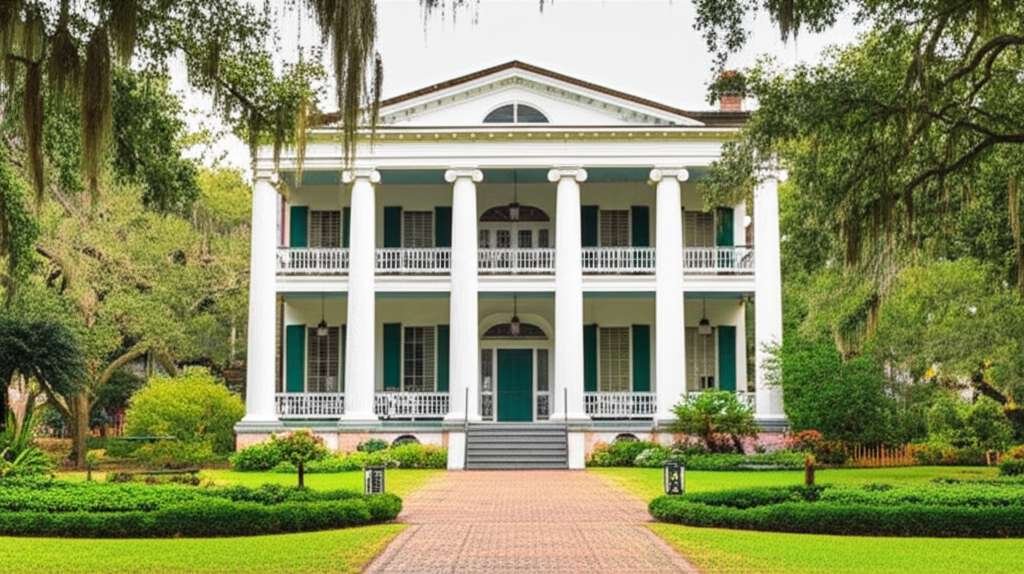
Louisiana’s history is a unique tapestry woven from many threads. Its strategic location along the Mississippi River made it a vital hub for trade and settlement for centuries. This crossroads of cultures led to a fascinating blend of influences that you can still see and feel today.
From the indigenous peoples who first called this land home, to the French and Spanish colonial eras, the periods of American expansion, and the complex legacy of the Civil War and Reconstruction, each era has left its indelible mark. Exploring these historic sites offers a tangible connection to the people and events that shaped not just Louisiana, but America itself.
Planning Your Louisiana History Adventure: A Beginner’s Approach
Embarking on a journey through Louisiana’s history is an exciting prospect! The key to a stress-free trip is to break it down into manageable steps. We’ll focus on iconic sites that offer a broad and engaging overview of the state’s heritage.
Find the Best Accommodation Deals
Compare prices from multiple booking platforms and find the best option for your stay.
Compare Hotel PricesConsider starting your journey in New Orleans, the state’s most famous city, before venturing out to explore the surrounding regions. This approach allows you to immerse yourself in a concentrated dose of history and culture before tackling the wider state.
1. The French Quarter, New Orleans
No exploration of Louisiana history is complete without a visit to the vibrant French Quarter in New Orleans. This is one of the oldest neighborhoods in the United States, founded in 1718. It’s a living museum, showcasing incredible architecture and a palpable sense of history.
Find the Best Accommodation Deals
Compare prices from multiple booking platforms and discover the best stay options available.
⭐ Trusted by thousands of travelers
💰 Budget to luxury options available
Wander through its narrow, gas-lit streets and admire the colorful Creole townhouses with their wrought-iron balconies. You’ll feel transported to another era. The area is a National Historic Landmark District, a testament to its enduring significance.
Jackson Square: The heart of the French Quarter, this historic park is surrounded by iconic landmarks like the St. Louis Cathedral and the Cabildo. It’s a perfect spot to soak in the atmosphere and enjoy street performers.
St. Louis Cathedral: This stunning cathedral is the oldest continuously active Roman Catholic cathedral in the United States. Its majestic presence dominates the square and offers a glimpse into the city’s spiritual past.
The Cabildo and The Presbytère: These historic buildings, flanking the cathedral, were part of the Louisiana State Museum. The Cabildo, in particular, was the site of the Louisiana Purchase transfer in 1803, a pivotal moment in U.S. history.
2. Destrehan Plantation
Just a short drive from New Orleans, Destrehan Plantation offers a captivating look into antebellum plantation life. It’s one of the oldest and largest plantations in the Mississippi Valley and has been meticulously preserved.
Best Stay Deals Available
Compare prices across top booking platforms and find the best deal for your stay.
Check Available RoomsThe tour here provides a deep understanding of the complex social and economic systems of the time, including the lives of both the plantation owners and the enslaved people who worked the land. The architecture itself is a marvel.
Oak Alley Plantation: While Destrehan is excellent, Oak Alley Plantation is another iconic choice, famous for its breathtaking alley of 28 live oak trees leading to the grand house. It’s a truly picturesque and historically significant site.
3. Laura Plantation
Laura Plantation, also located along the “Creole Nature Trail” in Louisiana, offers a different perspective on plantation history. It focuses on the stories of the families who lived and worked there, particularly the women.
This plantation is renowned for its preservation of Creole culture and architecture. The guided tours are often praised for their engaging storytelling, bringing the past to life in a very personal way.
4. Myrtles Plantation
Often cited as one of America’s most haunted homes, Myrtles Plantation in St. Francisville is steeped in legend and history. While the ghost stories draw many visitors, the plantation itself is a beautiful example of antebellum architecture.
Established in 1796, it has a rich and often tragic past. The tours delve into the history of the families who resided there, offering a glimpse into the lives of the Creole elite in the South.
5. St. Francisville Historic District
The town of St. Francisville itself is a charming historic district filled with antebellum homes and a rich Civil War history. Wandering through its tree-lined streets feels like stepping back in time.
This area was a thriving center of wealth and culture in the 19th century, and many of its grand homes remain open for tours. It’s a wonderful place to experience the slower pace of historic Louisiana.
6. The Old State Capitol, Baton Rouge
Baton Rouge, Louisiana’s capital city, boasts its own impressive historic landmark: the Old State Capitol. This stunning Gothic Revival building, perched on a bluff overlooking the Mississippi River, has witnessed pivotal moments in Louisiana’s history.
It’s no longer the seat of government but has been transformed into a museum of political history. The architecture is striking, and the exhibits offer insights into the state’s legislative past.
7. Poverty Point World Heritage Site
For a journey much further back in time, Poverty Point World Heritage Site in Northeast Louisiana is unparalleled. This archaeological marvel features massive, intricate earthworks constructed by Native Americans over 3,000 years ago.
It is one of the most significant pre-Columbian sites in North America and a UNESCO World Heritage Site. The scale and complexity of the mounds and enclosures are astonishing and offer a rare glimpse into the lives of ancient peoples. The Louisiana State Museum provides further context for this incredible site.
8. Fort St. Philip
Located on the west bank of the Mississippi River, south of New Orleans, Fort St. Philip is a historic coastal defense fortification that played a crucial role in defending the city. It was a key site during the Battle of New Orleans in the War of 1812 and was also significant during the Civil War and World War II.
The fort’s imposing structure and strategic location tell a story of military history and resilience. Exploring its grounds offers a sense of the challenges faced in protecting vital waterways.
9. New Iberia and the Shadows-on-the-Teche
New Iberia, a charming city in the heart of Cajun Country, is home to Shadows-on-the-Teche. This picturesque plantation home, set amidst lush gardens along Bayou Teche, offers a serene and poignant look at plantation life in the 19th century.
The house and grounds are beautifully preserved, and the tours focus on the family that lived there and the enslaved people who maintained the estate. It’s a more intimate and personal historical experience.
10. Avery Island and Tabasco Factory
While not a traditional landmark, Avery Island is historically significant as the home of the McIlhenny Company, makers of Tabasco Sauce, since 1868. The island itself is a unique geological formation and a significant wildlife sanctuary.
A visit to the Tabasco factory and the Jungle Gardens on Avery Island offers a fascinating glimpse into a long-standing Louisiana industry and a unique natural landscape that has been shaped by human enterprise for generations.
11. The Historic New Orleans Collection
For a deeper dive into the rich cultural and historical tapestry of New Orleans and Louisiana, The Historic New Orleans Collection is an invaluable resource. This museum, research center, and archive is dedicated to preserving and interpreting the history and culture of the region.
With multiple buildings in the French Quarter, it offers rotating exhibitions that cover a vast range of topics, from fine art and manuscripts to photographs and maps. It’s an excellent place to go beyond the surface and understand the complexities of Louisiana’s past.
12. Chalmette Battlefield and National Cemetery
Just a short drive from the French Quarter, Chalmette Battlefield commemorates the Battle of New Orleans, a pivotal engagement of the War of 1812. This battle secured American control of the Mississippi River and is a key event in the nation’s history.
The site includes a monument and interpretive exhibits that detail the battle’s strategy and impact. Adjacent is the Chalmette National Cemetery, a solemn resting place for Union soldiers who fought in the Civil War.
Navigating Louisiana’s Historic Landmarks: Practical Tips
Exploring these incredible sites is an adventure waiting to happen! To make your trip as smooth and enjoyable as possible, here are a few practical tips tailored for beginners.
Book Tours in Advance: Especially for popular plantations and the French Quarter, booking guided tours ahead of time is a good idea to ensure your spot and get the most out of your visit.
Wear Comfortable Shoes: You’ll be doing a lot of walking, whether it’s through historic streets, plantation grounds, or fort ramparts. Comfortable footwear is essential.
Stay Hydrated: Louisiana can be hot and humid, so carry water with you, especially during warmer months.
Check Operating Hours and Days: Historic sites can have varying hours and may be closed on certain days, so it’s always best to check their official websites before you go.
Consider a Louisiana Pass: If you plan to visit many sites, especially in New Orleans, look into city passes that can offer savings on admission fees.
Embrace the Local Culture: Louisiana’s history is deeply intertwined with its vibrant culture. Try the local food, listen to the music, and chat with the friendly locals to enrich your experience.
Understanding Louisiana’s Diverse History: A Quick Table
To help you visualize the timeline and influences, here’s a simplified look at some key periods and their impact on Louisiana’s landmarks.
| Era | Key Influences | Associated Landmark Types | Example |
|---|---|---|---|
| Indigenous Peoples (Pre-1600s) | Native American cultures | Earthwork mounds, archaeological sites | Poverty Point World Heritage Site |
| French Colonial (1718-1763) | French language, architecture, legal systems | Early city layouts, forts, traditional Creole homes | French Quarter (initial development) |
| Spanish Colonial (1763-1803) | Spanish architecture, legal systems, religious influence | Building modifications, religious structures | St. Louis Cathedral (later additions) |
| Antebellum Period (1803-1861) | Cotton and sugar plantation economy, Creole and Anglo-American cultures | Grand plantations, historic homes, town squares | Destrehan Plantation, Oak Alley Plantation, Shadows-on-the-Teche |
| Civil War & Reconstruction (1861-1877) | Military conflict, social upheaval, political change | Battlefields, fortifications, historic town centers | Chalmette Battlefield, Fort St. Philip |
| Modern Era (Late 19th Century-Present) | Industrialization, oil and gas, tourism, diverse cultural movements | Historic districts, museums, industrial heritage sites | The Historic New Orleans Collection, Tabasco Factory |
Frequently Asked Questions About Louisiana Historic Landmarks
Q1: What is the most iconic historic landmark in Louisiana?
A1: The French Quarter in New Orleans is arguably the most iconic. Its historic architecture, vibrant culture, and significant role in American history make it a must-visit for any traveler.
Q2: Are Louisiana’s historic sites suitable for children?
A2: Many sites offer engaging tours and exhibits that children can enjoy. Plantations often have beautiful grounds to explore, and the historical narratives can be adapted for younger audiences. Poverty Point also offers a unique educational experience.
Q3: Is it possible to visit multiple historic plantations in one day?
A3: Yes, especially if they are located close to each other. For example, the plantations along the Mississippi River near New Orleans are often visited in groups. However, to truly appreciate each one, dedicating a full day to a couple of sites is recommended.
Q4: What’s the best time of year to visit Louisiana for historical sightseeing?
A4: Spring (March-May) and Fall (September-November) generally offer the most pleasant weather for exploring. The humidity is lower, and temperatures are milder, making walking and outdoor tours more comfortable.
Q5: How much does it cost to visit these landmarks?
A5: Admission fees vary greatly. Some sites, like the French Quarter streets or Poverty Point’s grounds, are free to explore, while others, like specific plantation homes or museums, have entrance fees. It’s best to check individual attraction websites for current pricing.
Q6: Should I rent a car to see Louisiana’s historic sites?
A6: If you plan to visit sites outside of New Orleans, like plantations along the Mississippi River or destinations in North Louisiana, a rental car is highly recommended for flexibility and convenience. Within New Orleans, public transport, ride-shares, and walking are good options for the French Quarter and surrounding areas.
Q7: What are some budget-friendly ways to experience Louisiana’s history?
A7: Explore free areas like the French Quarter’s streets and parks. Look for free museum days or consider visiting state historic sites which often have lower admission fees than private ones. Pack a picnic to save on meal costs while enjoying scenic historical locations.
Conclusion: Your Louisiana History Journey Awaits
Louisiana’s historic landmarks offer a captivating journey through centuries of diverse cultures, pivotal events, and breathtaking architecture. From the bustling streets of the French Quarter to the serene beauty of antebellum plantations and the ancient mysteries of Poverty Point, each site tells a unique story.
By following this guide, you can confidently plan your adventure, focusing on the most significant and accessible destinations for a first-time visitor. Remember to wear comfortable shoes, stay hydrated, and most importantly, immerse yourself in the rich tapestry of Louisiana’s past.
Your exploration of the Pelican State’s history promises to be an enriching and unforgettable experience. So pack your bags, bring your curiosity, and get ready to discover the soul of Louisiana, one historic landmark at a time!