
Discover Michigan’s rich past! Explore 10 amazing historic sites, from ancient settlements to industrial marvels, perfect for your next beginner-friendly USA adventure. Uncover fascinating stories and plan your unforgettable Michigan journey with ease.
Planning a trip can feel a little overwhelming, especially when you want to see the best of a new place. You’ve got a list of “must-sees” and a desire to soak in the history, but where do you even begin?
Check the latest prices and available rooms before they sell out.
Don’t worry, I’m here to help! We’ll break down Michigan’s incredible history into simple, exciting stops. Think of this as your friendly guide to uncovering the most amazing historic sites the Mitten State has to offer.
Get ready to be inspired by stories of the past and discover places that will make your trip truly special.
10 Historic Sites In Michigan: Uncover Amazing Discoveries
Michigan is a state brimming with history, from its early Native American roots to its booming industrial era and beyond. For beginner travelers, exploring these historic sites is like opening a time capsule, offering incredible insights into the people and events that shaped this beautiful part of the USA.
Let’s dive into 10 must-visit historic locations that promise amazing discoveries and make for an unforgettable Michigan adventure.
1. Mackinac Island: A Step Back in Time
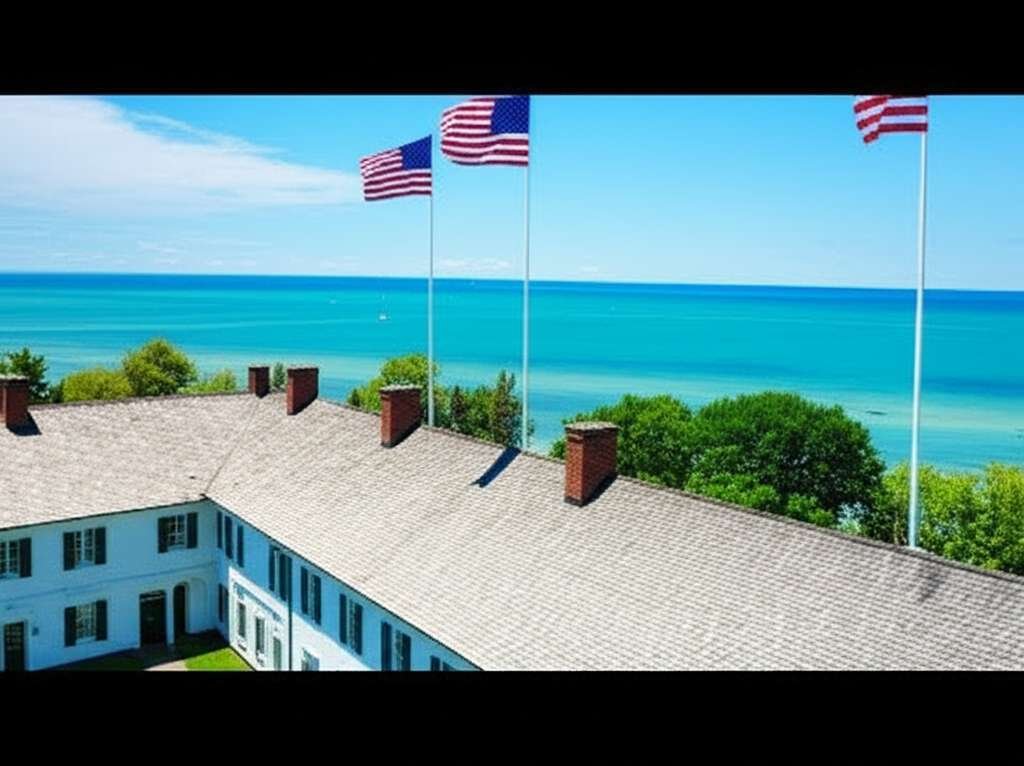
Imagine a place where the clip-clop of horse-drawn carriages is the main mode of transport and Victorian architecture lines charming streets. That’s Mackinac Island! This island gem, located between Michigan’s Upper and Lower Peninsulas, feels like stepping into a living postcard from the 19th century.
Fort Mackinac, a star attraction, offers a glimpse into military life from the late 1700s. Costumed interpreters bring history to life with demonstrations and engaging stories. Beyond the fort, explore the Grand Hotel, a National Historic Landmark, or simply wander the car-free streets, soaking in the timeless atmosphere.
Find the Best Accommodation Deals
Compare prices from multiple booking platforms and find the best option for your stay.
Compare Hotel Prices- Why visit: Unique car-free environment, well-preserved 19th-century atmosphere, historical military fort.
- Best for: History buffs, families, couples seeking a romantic escape.
- Pro tip: Rent a bike to explore the island’s perimeter – it’s the best way to see everything at your own pace!
2. Greenfield Village & Henry Ford Museum of American Innovation (Dearborn)
For a deep dive into American ingenuity and industrial history, look no further than Dearborn. The Henry Ford Museum and Greenfield Village are an absolute treasure trove for anyone interested in how America was built and innovated.
The Henry Ford Museum showcases iconic American artifacts, from presidential limousines to the bus where Rosa Parks made her stand. Greenfield Village is an outdoor living history museum featuring historic buildings from across America, including Thomas Edison’s laboratory and the Wright brothers’ bicycle shop. It’s a hands-on journey through innovation.
Find the Best Accommodation Deals
Compare prices from multiple booking platforms and discover the best stay options available.
⭐ Trusted by thousands of travelers
💰 Budget to luxury options available
- Why visit: Incredible collection of American innovation, immersive living history village, educational and inspiring.
- Best for: Families, students, aspiring inventors, anyone interested in American history and technology.
- Pro tip: Dedicate a full day (or even two!) to fully experience both the museum and the village.
3. Pictured Rocks National Lakeshore (Upper Peninsula)
While known for its breathtaking natural beauty, Pictured Rocks also holds deep historical significance, particularly for the Indigenous peoples who have called this land home for millennia. The dramatic sandstone cliffs, sculpted by wind and water, have been a landmark for travelers and a source of spiritual connection for centuries.
Explore the shoreline via boat tours or kayaking to see the colorful rock formations up close. Learn about the area’s maritime history at the historic Au Sable Light Station, offering panoramic views and insights into the lives of lighthouse keepers who guided ships along this treacherous coast. The park also preserves remnants of historic logging and mining operations.
Best Stay Deals Available
Compare prices across top booking platforms and find the best deal for your stay.
Check Available RoomsDiscover the ancient stories etched into the landscape and understand the enduring relationship between people and this powerful natural environment.
- Why visit: Stunning natural beauty intertwined with Indigenous history and maritime heritage.
- Best for: Nature lovers, hikers, kayakers, photographers, those interested in Indigenous history.
- Pro tip: Book boat tours in advance, especially during peak season, to secure your spot.
4. Historic Fort Wayne (Detroit)
Located on the banks of the Detroit River, Historic Fort Wayne is a fascinating star-shaped fortification that played a crucial role in defending the United States. Built in the 1840s, it’s one of the best-preserved 19th-century military posts in the country.
Wander through the barracks, officers’ quarters, and defensive walls, imagining the soldiers who once stood guard. The fort’s strategic location provided views of Canada, highlighting its importance in national defense. Today, it serves as a museum and offers a unique glimpse into military history and the early development of Detroit.
- Why visit: Well-preserved 19th-century military fort, significant strategic history, architectural interest.
- Best for: History enthusiasts, families, those interested in military architecture.
- Pro tip: Check the Detroit Recreation Department website for special events and tours, as they often host historical reenactments.
5. Old Mission Peninsula & Lighthouses (Traverse City Area)
Old Mission Peninsula, jutting into Grand Traverse Bay, is not only a picturesque wine region but also a site of historical importance, particularly for its maritime heritage. The peninsula is dotted with historic lighthouses that once guided ships through the often-treacherous waters of Lake Michigan.
Visit the iconic Old Mission Lighthouse, standing proudly at the tip of the peninsula since 1870. Its keeper’s quarters have been converted into a museum, offering a look at the isolated life of those who maintained the light. Exploring the charming towns and vineyards along the peninsula also reveals layers of agricultural and settlement history.
The area showcases how vital the Great Lakes were for commerce and travel, and the role these sturdy structures played in ensuring safe passage.
- Why visit: Beautiful scenery, historic lighthouses, wine country charm, maritime history.
- Best for: Couples, wine enthusiasts, photographers, history lovers.
- Pro tip: Visit during the fall for stunning autumn colors and harvest festivals.
6. Michigan State Capitol Building (Lansing)
The Michigan State Capitol Building in Lansing is a magnificent example of 19th-century American architecture and a cornerstone of the state’s political history. Completed in 1879, this stunning building is a National Historic Landmark.
Take a guided tour to admire its opulent interiors, including intricate frescoes, hand-painted ceilings, and the impressive rotunda. Learn about the legislative process and the historical figures who have shaped Michigan’s governance. The building itself tells a story of ambition, craftsmanship, and the enduring ideals of democracy.
- Why visit: Architectural masterpiece, significant state history, free guided tours.
- Best for: Architecture buffs, history students, anyone interested in government and civic life.
- Pro tip: Check the Capitol’s official website for tour schedules and any special exhibits or events.
7. Historic Mill Creek State Park (Mackinaw City)
Just a short drive from the mainland gateway to Mackinac Island, Historic Mill Creek State Park offers a different, yet equally captivating, historical perspective. This park preserves the site of a 19th-century lumber and grist mill, crucial to the early development of northern Michigan.
Explore the reconstructed mill, powered by the flowing waters of Mill Creek, and see demonstrations of 19th-century milling techniques. Walk through the surrounding forests, imagining the bustling activity that once took place here. It’s a fantastic spot to understand the early industries that fueled Michigan’s growth.
- Why visit: Reconstructed 19th-century mill, insight into early Michigan industries, beautiful natural setting.
- Best for: Families, history enthusiasts, nature lovers.
- Pro tip: Wear comfortable shoes for walking the trails and exploring the mill site.
8. The Henry Ford Estate, Fair Lane (Dearborn)
Fair Lane, the former estate of Clara and Henry Ford, is a historic marvel set on 13 acres along the Rouge River in Dearborn. Built between 1913 and 1915, this estate offers a more personal look into the lives of the Ford family and their impact on American industry and philanthropy.
The estate includes the mansion, designed by architect William H. Van Tine and influenced by Mrs. Ford, showcasing their tastes and lifestyle. It also features the Power Plant, which generated electricity for the estate, and beautiful gardens. Guided tours provide fascinating insights into the Fords’ vision and their contributions beyond the automobile.
- Why visit: Glimpse into the lives of Henry and Clara Ford, stunning architecture, beautiful grounds.
- Best for: History buffs, architecture enthusiasts, those interested in influential American families.
- Pro tip: Look for special events or lectures hosted at the estate, which can offer deeper historical context.
9. Isle Royale National Park (Lake Superior)
For the truly adventurous traveler, Isle Royale National Park is a remote wilderness island in Lake Superior that holds layers of history. Long before it became a national park, the island was inhabited by Native Americans, who left behind evidence of copper mining thousands of years ago.
Later, European settlers arrived, drawn by the island’s natural resources, leading to periods of fishing, logging, and mining. You can still find remnants of these past activities, including historic structures like the Rock Harbor Lighthouse and remnants of old mining camps. Exploring Isle Royale is a journey through both natural grandeur and human history.
This site requires more planning due to its remote location and the need for ferry or seaplane access, but the discoveries are immense for those who make the trek.
- Why visit: Pristine wilderness, unique Indigenous copper mining history, remote adventure.
- Best for: Experienced hikers, nature enthusiasts, those seeking solitude and deep historical exploration.
- Pro tip: Plan your trip well in advance, as accommodations and transportation are limited and book up quickly. Check the official National Park Service website for Isle Royale for the latest information on access and regulations.
10. Sleeping Bear Dunes National Lakeshore (Leelanau Peninsula)
While the towering sand dunes are the main draw, Sleeping Bear Dunes National Lakeshore is also steeped in history, particularly the stories of the Anishinaabek people and early European settlers. The park’s name itself comes from an Ojibwa legend about a mother bear and her cubs.
Explore historic Pierce Stocking Drive for stunning views and insights into early tourism. Visit the Glen Haven Historical Village, a charming collection of preserved buildings that showcase life in a 19th-century logging and fishing community. The South Manitou Island Lighthouse, accessible by ferry, stands as a testament to the maritime challenges and triumphs on Lake Michigan.
- Why visit: Majestic dunes, Indigenous legends, preserved historical village, maritime history.
- Best for: Families, hikers, beach lovers, photographers, those interested in local folklore.
- Pro tip: Hike to the top of the Dune Climb for an incredible panoramic view, but be prepared for a strenuous climb!
Planning Your Michigan Historic Adventure: A Beginner’s Guide
Ready to embark on your historical journey through Michigan? Here’s a simple breakdown to get you started, making your trip fun and stress-free.
Step 1: Choose Your Focus
Michigan’s history is vast! Do you love industrial innovation, maritime tales, or ancient Indigenous cultures? Picking a theme can help narrow down your choices and make your trip more focused.
- Industrial Marvels: Greenfield Village, Henry Ford Estate.
- Maritime Heritage: Pictured Rocks, Old Mission Lighthouses, Sleeping Bear Dunes.
- Military History: Fort Mackinac, Fort Wayne.
- Living History: Greenfield Village, Mill Creek State Park.
Step 2: Map Your Route
Michigan is divided into two peninsulas, so consider grouping your visits geographically. For example, focus on the Lower Peninsula for sites around Detroit and Traverse City, or plan a separate trip for the Upper Peninsula’s natural and historical wonders.
A map is your best friend! Use online tools like Google Maps to plot your destinations and estimate travel times between them. This helps you create a realistic itinerary.
Step 3: Book Accommodations and Transport
Depending on your budget and style, you can choose from charming inns, historic hotels, or modern motels. Booking in advance is always a good idea, especially for popular destinations like Mackinac Island or during peak travel seasons.
Consider how you’ll get around. Renting a car offers the most flexibility for exploring Michigan’s diverse landscapes and historic sites. For island destinations, ferry services are your main option.
Step 4: Pack Smart
Michigan weather can be unpredictable! Pack layers, comfortable walking shoes (you’ll be doing a lot of exploring!), rain gear, and sunscreen. Don’t forget your camera to capture all the amazing discoveries!
Step 5: Embrace the Experience
The most important step is to relax and enjoy! Talk to park rangers, read the interpretive signs, and let the stories of the past transport you. These historic sites are not just places; they are windows into the soul of Michigan.
Michigan Historic Sites: A Quick Comparison
To help you visualize your options, here’s a table comparing some key aspects of these incredible historic sites:
| Historic Site | Primary Historical Focus | Best For Beginners | Estimated Time Needed | Accessibility Notes |
|---|---|---|---|---|
| Mackinac Island | 19th Century Military & Resort Life | Very High (easy to navigate, lots of amenities) | 1-2 days | Accessible by ferry; car-free island. |
| Greenfield Village & Henry Ford Museum | American Innovation & Industry | Very High (well-organized, engaging exhibits) | 1 full day (minimum) | Fully accessible. |
| Pictured Rocks National Lakeshore | Natural Beauty, Indigenous History, Maritime | High (boat tours and scenic drives are accessible) | 1-2 days | Access varies; some areas require hiking. |
| Historic Fort Wayne (Detroit) | 19th Century Military Defense | High (easy to explore grounds and buildings) | 2-3 hours | Generally accessible, check specifics. |
| Old Mission Peninsula | Maritime History, Agriculture, Wine | High (scenic drives, lighthouse tours) | Half-day to full-day | Accessible by car; lighthouse has stairs. |
| Michigan State Capitol | State Government History, Architecture | Very High (free tours, central location) | 1-2 hours | Fully accessible. |
| Historic Mill Creek State Park | 19th Century Lumber & Grist Milling | High (easy trails, engaging demonstrations) | 2-3 hours | Some uneven terrain; mill access may vary. |
| The Henry Ford Estate, Fair Lane | Ford Family Life, Architecture | High (guided tours offer good context) | 2-3 hours | Check accessibility for specific areas. |
| Isle Royale National Park | Indigenous History, Wilderness, Remote Past | Low (requires significant planning and physical ability) | 3-5 days (minimum) | Challenging; requires hiking, boat/seaplane access. |
| Sleeping Bear Dunes National Lakeshore | Natural Beauty, Indigenous Folklore, Maritime | High (scenic drives, village accessible) | Half-day to full-day | Dune Climb is strenuous; village is accessible. |
Frequently Asked Questions About Michigan Historic Sites
Q1: What is the best historic site in Michigan for families with young children?
A1: Greenfield Village and the Henry Ford Museum are fantastic for families. They offer interactive exhibits, living history demonstrations, and a wide variety of attractions that appeal to all ages, making learning fun and engaging.
Q2: Are Michigan’s historic sites expensive to visit?
A2: Admission fees vary. Some sites, like the Michigan State Capitol and Historic Fort Wayne, offer free tours. Others, like Greenfield Village or Mackinac Island attractions, have entrance fees. Many state and national parks have vehicle entrance fees. Researching individual sites in advance can help with budgeting.
Q3: What’s the best time of year to visit Michigan’s historic sites?
A3: Summer (June-August) offers the warmest weather and most accessibility, but can be crowded. Spring (May) and Fall (September-October) are excellent for fewer crowds, beautiful scenery (especially fall colors), and pleasant temperatures for exploring. Winter can limit access to some outdoor sites.
Q4: How much time should I allocate for visiting Mackinac Island?
A4: A