
Discover Michigan’s rich past! This guide highlights 12 amazing historic landmarks, perfect for beginners planning a trip. Explore fascinating sites, from lighthouses to industrial marvels, making your Michigan adventure unforgettable.
Planning a trip to Michigan can feel like a big task, especially when you want to see the best historical spots. There are so many amazing places, it’s hard to know where to start.
Check the latest prices and available rooms before they sell out.
But don’t worry! I’m here to help you navigate Michigan’s incredible history. We’ll explore some truly remarkable landmarks together.
This guide will show you 12 must-see historic sites that are perfect for a first-time visitor. Get ready for some amazing discoveries!
Uncovering Michigan’s Past: A Beginner’s Guide to Historic Landmarks
Michigan, often called the “Great Lakes State,” is brimming with history. From its early days as a center for industry to its stunning natural beauty, there’s a story around every corner.
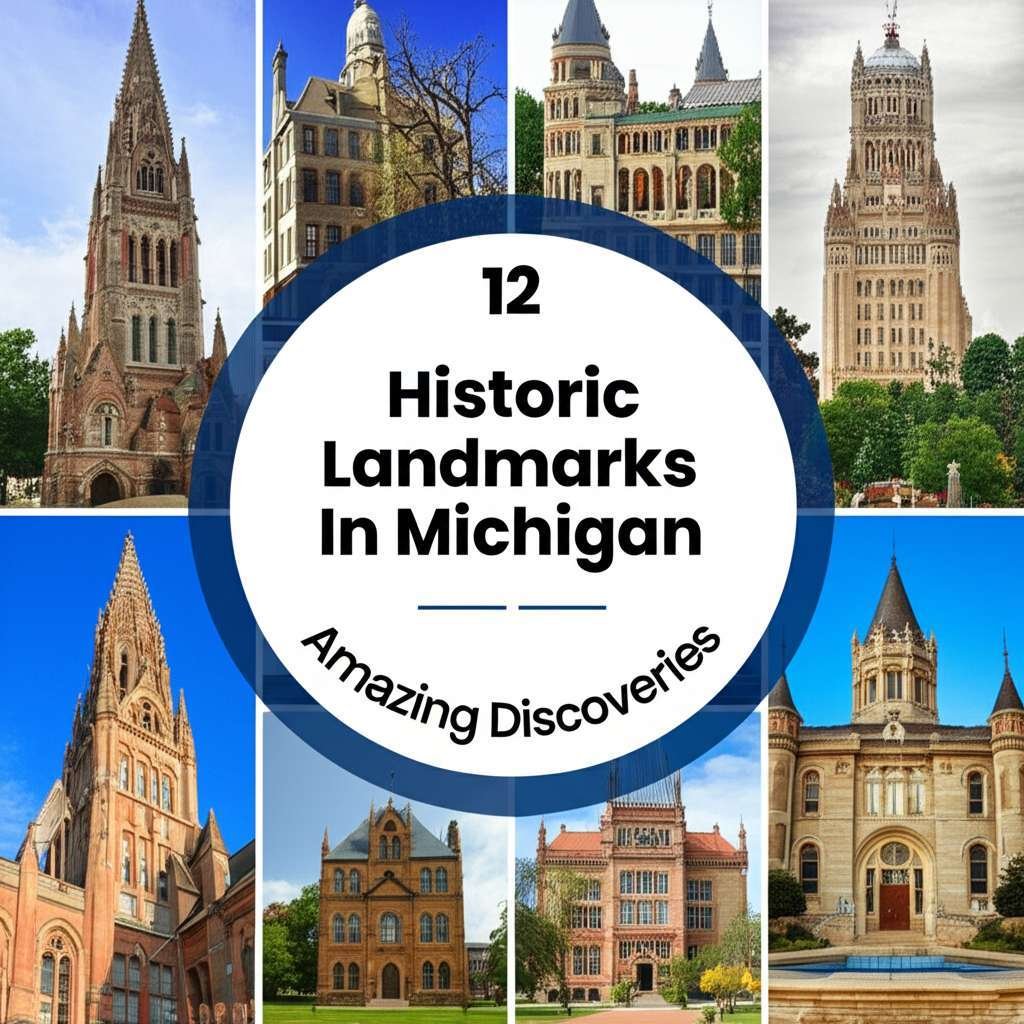
For travelers new to the USA or just starting to explore Michigan, pinpointing the most significant historical sites can be tricky. You want places that are accessible, engaging, and offer a real glimpse into the past.
That’s where this guide comes in! We’ve curated a list of 12 incredible historic landmarks that will make your Michigan journey both educational and exciting.
Let’s dive into the past and uncover some truly amazing discoveries!
Find the Best Accommodation Deals
Compare prices from multiple booking platforms and find the best option for your stay.
Compare Hotel Prices1. Mackinac Island: A Step Back in Time
Imagine a place where time seems to stand still, where horse-drawn carriages are the main mode of transport and Victorian architecture abounds. That’s Mackinac Island!
This island, located in the Straits of Mackinac, was a vital fur trading post and military stronghold for centuries. Its preserved charm makes it feel like you’ve traveled back to the 19th century.
Find the Best Accommodation Deals
Compare prices from multiple booking platforms and discover the best stay options available.
⭐ Trusted by thousands of travelers
💰 Budget to luxury options available
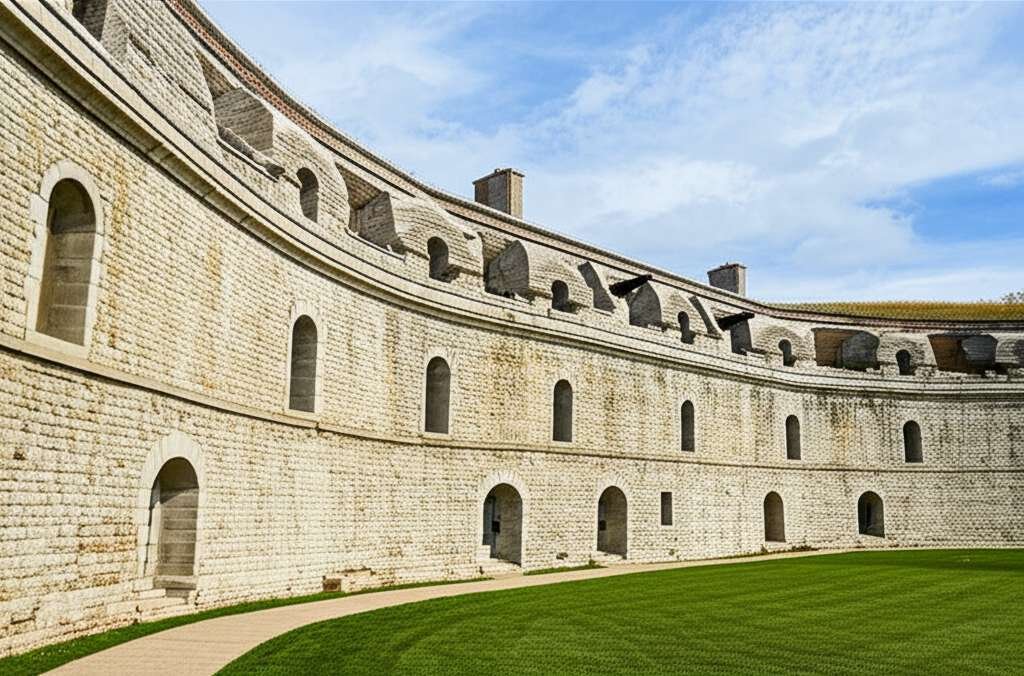
The entire island is a National Historic Landmark District, protecting its unique atmosphere and historic buildings. It’s a perfect spot for a leisurely exploration.
What to Discover:
Best Stay Deals Available
Compare prices across top booking platforms and find the best deal for your stay.
Check Available Rooms- Fort Mackinac: Explore this remarkably preserved 18th-century British military post. Costumed interpreters bring history to life with demonstrations and stories.
- Grand Hotel: A stunning example of Victorian grandeur, this hotel has hosted presidents and royalty. Even if you’re not staying, you can often visit its porch, the longest in the world.
- Historic Downtown: Wander through charming streets lined with unique shops and fudge kitchens.
- Biking the Island: Rent a bike and circle the island (about 8 miles), enjoying the views and stopping at scenic points.
Travel Tip: Cars are not allowed on Mackinac Island. Plan to walk, bike, or use the horse-drawn taxis. Ferry tickets are the main cost for getting there.
2. Greenfield Village & Henry Ford Museum of American Innovation, Dearborn
Step into the world of one of America’s greatest innovators at Greenfield Village and the Henry Ford Museum. This is a must-visit for anyone interested in American ingenuity and history.
Henry Ford’s vision was to preserve America’s past for future generations. He collected artifacts and buildings that tell the story of American innovation, from agriculture to industry.
Greenfield Village is an open-air living history museum where you can walk through historic buildings, some moved from their original locations. The museum houses an incredible collection of artifacts that shaped American life.
What to Discover:
- Thomas Edison’s Menlo Park Laboratory: See where Edison developed many of his groundbreaking inventions.
- The Wright Brothers’ Bicycle Shop: Stand in the very shop where the Wright brothers honed their skills before their first flight.
- Henry Ford’s birthplace home: Experience the humble beginnings of the automotive pioneer.
- The Spirit of Detroit: In the museum, marvel at artifacts like the original JFK’s limousine and Rosa Parks’ bus.
Budget Tip: Consider purchasing a combined ticket for both Greenfield Village and the Henry Ford Museum to save money. Look for special event days which often include extra demonstrations.
3. Isle Royale National Park: Wilderness and History
For the adventurous spirit, Isle Royale National Park offers a remote and rugged experience combined with fascinating historical remnants. It’s the largest island in Lake Superior and a designated National Park.
This island has a long history of human activity, from ancient copper mining by Native Americans to early European explorers and later Finnish immigrants who farmed the land.
Today, it’s a protected wilderness area, home to wolves and moose. Getting there requires a ferry or seaplane, adding to the sense of adventure.
What to Discover:
- Rock Harbor Lighthouse: One of the oldest lighthouses on the Great Lakes, offering stunning views and a glimpse into maritime history.
- Eldred Rock Lighthouse: While not easily accessible, its presence signifies the island’s long history of navigation.
- Old Copper Mines: Explore remnants of ancient Native American copper mining sites, some dating back thousands of years.
- Historic Ranger Stations and Cabins: Discover the living history of those who called this island home.
Planning Ahead: Isle Royale is only accessible from mid-April to mid-October. Book your ferry or seaplane tickets well in advance, as they sell out quickly. Lodging and camping options are limited.
4. Pictured Rocks National Lakeshore: Natural Beauty, Historic Lighthouses
While renowned for its stunning sandstone cliffs and vibrant blue waters, Pictured Rocks National Lakeshore also boasts significant maritime history, primarily through its historic lighthouses.
These lighthouses were crucial for guiding ships through the often treacherous waters of Lake Superior. Their stories are intertwined with the maritime heritage of Michigan’s Upper Peninsula.
The dramatic cliffs themselves are a natural wonder, sculpted by millennia of wind and water, and have been a landmark for travelers for centuries.
What to Discover:
- Grand Marais Lighthouse: Located in the charming town of Grand Marais, this lighthouse has guided mariners since 1874.
- Au Sable Lighthouse: Perched on a bluff overlooking Lake Superior, this iconic lighthouse offers breathtaking views and a peek into the life of its keepers.
- Carriage Tours: Take a boat tour to see the famous Pictured Rocks formations from the water, with guides sharing historical anecdotes.
- Hiking Trails: Explore trails that lead to overlooks and sometimes near the historic lighthouse structures.
Getting Around: Boat tours are the best way to see the Pictured Rocks. Several companies operate from Munising and Grand Marais. Hiking is also a popular way to experience the lakeshore.
5. The Henry Ford’s Ford Piquette Avenue Plant, Detroit
This is where it all began for the Ford Motor Company. The Ford Piquette Avenue Plant is the birthplace of the iconic Model T and a critical site in automotive history.
It was here, in 1908, that Henry Ford and his team produced the first Model T, a car that would revolutionize transportation and American society.
The plant itself is a tangible link to the dawn of the automobile age. Visiting it offers a profound understanding of industrial innovation and the mass production techniques that changed the world.
What to Discover:
- Original Assembly Lines: See where the first Model T cars were built.
- Historical Exhibits: Learn about the workers, the engineering, and the impact of the Model T.
- Early Ford Vehicles: View some of the earliest Ford models and understand their evolution.
Why it’s Important: This landmark isn’t just about cars; it’s about the birth of modern manufacturing and the democratization of personal transportation. It’s a cornerstone of Michigan’s industrial heritage.
6. Fort Michilimackinac, Mackinaw City
Standing guard over the Straits of Mackinac, Fort Michilimackinac is a reconstructed 18th-century British fort that offers a vivid portrayal of life during the French and British colonial periods.
This strategic location was vital for controlling trade routes and military movements. The fort played a significant role in conflicts like the French and Indian War and Pontiac’s Rebellion.
Walking through the palisade walls and historic buildings, you can almost hear the echoes of soldiers and traders from centuries past.
What to Discover:
- Reconstructed Buildings: Explore barracks, officers’ quarters, a blacksmith shop, and more.
- Live Demonstrations: Watch historical reenactments, cannon firings, and musket demonstrations.
- Native American History: Learn about the interactions and relationships between European powers and the Anishinaabe people.
- Stunning Lake Views: Enjoy picturesque views of Lake Huron and the Mackinac Bridge.
Visitor Tip: Combine your visit with a trip to the Mackinac Bridge Museum nearby for a broader understanding of the region’s importance.
7. The Henry Ford’s Lovett, Michigan Sugar Company Museum, Caro
This often-overlooked gem tells the story of Michigan’s agricultural past and its connection to a vital industry: sugar beet farming.
The Michigan Sugar Company played a huge role in the state’s economy, particularly in the Thumb region. This museum preserves the history of this important industry and the lives of the people who worked in it.
It’s a wonderful example of how local history can reveal broader themes of immigration, agriculture, and industrial development in Michigan.
What to Discover:
- Antique Farming Equipment: See the tools and machinery used to grow and harvest sugar beets.
- Processing Displays: Learn about the complex process of turning sugar beets into sugar.
- Stories of Immigrant Workers: Understand the contributions of various immigrant communities to the industry.
Why Visit: It’s a chance to explore a different facet of Michigan’s history beyond the automotive industry, showcasing its agricultural roots.
8. Old Mackinac Point Lighthouse, Mackinaw City
Another critical guardian of the Straits, the Old Mackinac Point Lighthouse is a beautifully preserved structure that once guided ships through one of the Great Lakes’ busiest waterways.
Built in 1889, this lighthouse served mariners until the advent of modern navigation systems. Its Fresnel lens is a remarkable piece of technology.
Today, it stands as a testament to the era of sail and steam on the Great Lakes and is a popular spot for history buffs and photographers.
What to Discover:
- The Original Lens: See the impressive first-order Fresnel lens, which could cast its beam for miles.
- Keeper’s Quarters: Explore the living spaces and learn about the daily lives of the lighthouse keepers and their families.
- Maritime Exhibits: Discover artifacts and information related to Great Lakes shipping history.
- Views of the Straits: Enjoy panoramic views of Lake Huron and the Mackinac Bridge.
Planning Tip: This lighthouse is part of the Straits State Park, making it easy to visit alongside other local attractions.
9. The Henry Ford’s Benson Ford Research Center, Dearborn
While not a landmark in the traditional sense of a building you walk through for tours, the Benson Ford Research Center is a treasure trove of historical documents and artifacts.
It’s part of The Henry Ford’s vast collection, dedicated to preserving the stories and materials that shaped American innovation. It’s a place for deeper dives into history.
Researchers and enthusiasts can access an incredible archive of documents, photographs, and objects related to industry, transportation, and American culture.
What to Discover:
- Vast Archives: Access millions of artifacts, photographs, and documents.
- Special Collections: Explore unique items related to Henry Ford, Thomas Edison, and countless other innovators.
- Genealogy Resources: Find information for tracing family histories, especially those connected to industry.
For the Curious: Even if you’re not a researcher, browsing their online collections can offer fascinating glimpses into American history and the stories behind everyday objects.
10. Michigan State Capitol Building, Lansing
The Michigan State Capitol Building in Lansing is a stunning example of 19th-century American architecture and a living piece of the state’s political history.
Completed in 1879, it has been the center of Michigan’s government for over 140 years. Its intricate design and grandeur reflect the optimism and growth of the post-Civil War era.
It’s not just a government building; it’s a historical monument filled with art, symbolism, and stories of the state’s development.
What to Discover:
- Architectural Grandeur: Admire the beautiful dome, intricate murals, and detailed stonework.
- Historical Tours: Take a free guided tour to learn about the building’s history, architecture, and the legislative process.
- Symbolism: Discover the hidden meanings and historical references embedded in the building’s design.
- Restoration Efforts: Learn about the significant restoration projects that have preserved its historic integrity.
Visitor Information: Tours are typically available daily. Check the official Michigan Capitol website for the most up-to-date schedule and any visitor guidelines.
11. The Henry Ford’s Motown Museum, Detroit
Step into the place where music history was made! The Motown Museum, known as “Hitsville U.S.A.,” is the former headquarters of Motown Records and where legendary artists recorded their chart-topping hits.
Berry Gordy Jr.’s iconic record label launched the careers of superstars like Stevie Wonder, The Supremes, Marvin Gaye, and Smokey Robinson. This humble house and studio became a global phenomenon.
The museum preserves the magic of this era, allowing visitors to experience the creative energy that defined a generation of music.
What to Discover:
- Studio A: Stand in the legendary recording studio where countless hits were made.
- Berry Gordy’s Apartment: See where Gordy lived and worked, offering a glimpse into the label’s early days.
- Costumes and Memorabilia: Admire dazzling costumes and personal items from Motown’s biggest stars.
- The “Sound of Young America”: Feel the history and energy that made Motown a cultural force.
Book Ahead: Tours are highly recommended and often sell out, especially during peak season. Book your tickets online well in advance!
12. Sleeping Bear Dunes National Lakeshore: Natural and Historic Significance
Beyond its breathtaking sand dunes and crystal-clear waters, Sleeping Bear Dunes National Lakeshore holds a rich history tied to the Ojibwe people and early European settlers.
The park preserves not only its stunning natural landscapes but also historical sites that tell the story of human interaction with this unique environment.
From ancient trails to historic farmsteads and life-saving stations, the park offers a layered historical experience alongside its natural beauty.
What to Discover:
- Pierce Stocking Scenic Drive: This drive offers incredible views and passes by historic sites, including remnants of early logging operations.
- Glen Haven Historic Village: Explore preserved buildings from a former fishing village and maritime community.
- Point Betsie Lighthouse: Though just outside the park’s main boundaries, this iconic lighthouse is a crucial historical landmark for the region.
- Ojibwe Legends: Learn the captivating Native American lore, including the legend of the Sleeping Bear.
Explore Sustainably: Remember to stay on marked trails and respect the natural environment to help preserve these historic and natural treasures for future visitors.
Planning Your Michigan Historic Adventure
Michigan offers an incredible tapestry of history, from its industrial might to its natural wonders and cultural contributions. These 12 landmarks are just a starting point for your explorations.
When planning your trip, consider grouping sites geographically. For example, Mackinac Island, Fort Michilimackinac, and Old Mackinac Point Lighthouse are all in the northern Michigan area.
The Henry Ford attractions are all in Dearborn, near Detroit, and can easily be combined with the Motown Museum in the city. Isle Royale and Pictured Rocks are in the Upper Peninsula, requiring more dedicated travel time.
Key Planning Tips:
- Book Accommodations Early: Especially for popular destinations like Mackinac Island or during peak summer season.
- Check Operating Hours: Many historic sites have seasonal hours or specific days for tours.
- Consider a Michigan Historic Passport: Some sites offer passes or bundled tickets that can save money.
- Pack Appropriately: Michigan weather can be unpredictable. Layers are always a good idea!
- Utilize Official Tourism Websites: Websites like Michigan.org are invaluable for up-to-date information on attractions, events, and travel planning.
Frequently Asked Questions (FAQ)
What are the must-see historical sites in Michigan for a first-time visitor?
For a first-time visitor, the absolute must-sees include Mack