
Discover Minnesota’s stunning waterfalls! This guide highlights 7 must-see cascades, perfect for beginners planning their next adventure. Explore breathtaking natural beauty with ease, from towering drops to gentle cascades.
Minnesota, the “Land of 10,000 Lakes,” also boasts some incredible waterfalls that are often overlooked. Planning a trip to see them can feel a bit overwhelming when you’re just starting out, especially with so many options!
Check the latest prices and available rooms before they sell out.
But don’t worry, I’m here to make it simple and exciting for you. We’ll explore some of the most beautiful and accessible waterfalls the state has to offer, perfect for any beginner explorer.
Get ready to be inspired and discover your next unforgettable adventure in Minnesota’s watery wonderland!
Unveiling Minnesota’s Top 7 Waterfalls: A Beginner’s Guide
Minnesota’s natural beauty is truly something special, and its waterfalls are no exception. They offer a refreshing escape, a chance to connect with nature, and some fantastic photo opportunities. For those new to exploring the USA or just looking for a straightforward adventure, finding these gems shouldn’t be complicated.
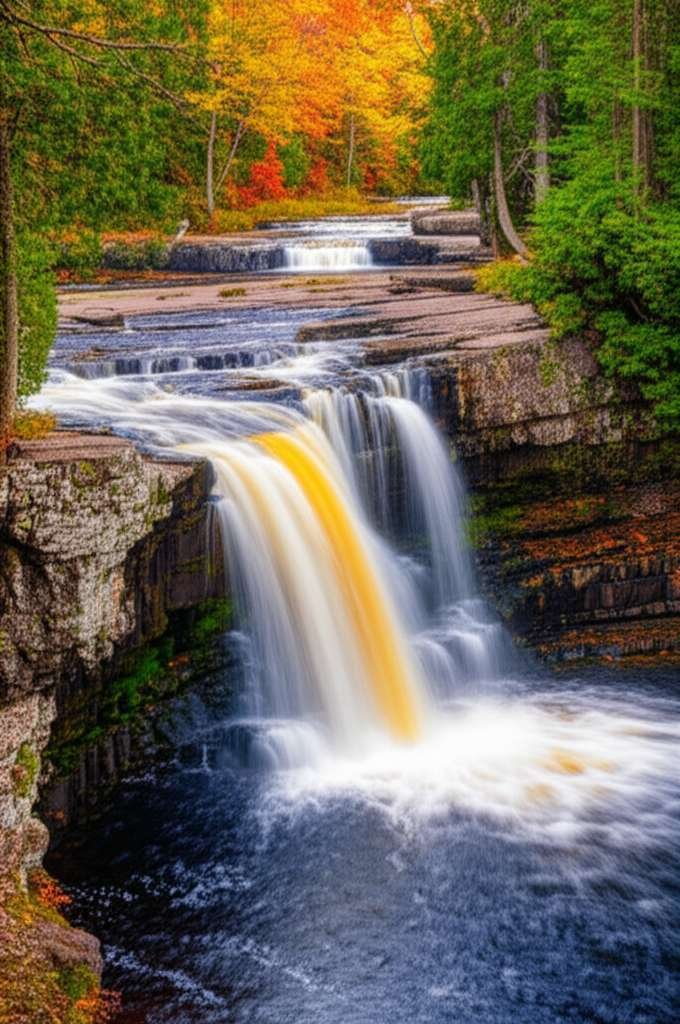
This guide is designed with you in mind. We’ll break down seven stunning waterfalls across the state, making it easy to plan your visit. We’ll cover what makes each one unique, how to get there, and what to expect, so you can explore with confidence and joy.
1. Minnehaha Falls: Urban Oasis in the City
Right in the heart of Minneapolis, Minnehaha Falls is an absolute gem and incredibly accessible. This 53-foot waterfall is famous for its beauty, especially when it freezes over in the winter, creating an icy spectacle. It’s a popular spot, offering a fantastic introduction to Minnesota’s waterfalls without venturing far from city conveniences.
The park surrounding the falls is beautiful, with walking paths, picnic areas, and even a historic fort. It’s a perfect place for a leisurely stroll, a family outing, or a quick nature break during a city tour.
Find the Best Accommodation Deals
Compare prices from multiple booking platforms and find the best option for your stay.
Compare Hotel Prices Location: Minneapolis, Minnesota
Height: 53 feet
Best time to visit: Year-round, though winter offers a unique frozen landscape.
Accessibility: Very easy. Paved paths lead directly to viewing areas.
What to expect: Beautiful urban park, easy walking, great for all ages.
2. Gooseberry Falls State Park: The “Father of Waters”
Located on the North Shore of Lake Superior, Gooseberry Falls State Park is home to a series of spectacular waterfalls, with the Upper and Lower Falls being the most iconic. The Gooseberry River cascades down volcanic rock, creating a powerful and picturesque scene. It’s a must-see for any waterfall enthusiast.
Find the Best Accommodation Deals
Compare prices from multiple booking platforms and discover the best stay options available.
⭐ Trusted by thousands of travelers
💰 Budget to luxury options available
The park offers a network of well-maintained trails that allow you to explore different vantage points. The sound of the rushing water and the mist in the air are invigorating. It’s a great place to start your North Shore adventure.
Location: Two Harbors, Minnesota
Height: Various, with the main falls dropping around 70 feet in total.
Best time to visit: Spring (for peak flow), Summer (for lush greenery), and Fall (for vibrant foliage).
Accessibility: Moderate. Main viewing areas are accessible, but some trails involve stairs and uneven terrain.
What to expect: Impressive multi-tiered falls, scenic hiking trails, stunning Lake Superior views nearby.
3. High Falls at Grand Portage State Park: Minnesota’s Tallest
Standing at an impressive 120 feet, High Falls is Minnesota’s tallest waterfall, located in the northeastern tip of the state. It’s a breathtaking sight, where the Pigeon River plunges dramatically into a gorge. This waterfall is a true natural wonder, offering a sense of awe and wilderness.
Best Stay Deals Available
Compare prices across top booking platforms and find the best deal for your stay.
Check Available RoomsThe park is also historically significant, part of the old fur trade route. A relatively easy, paved trail leads to an observation deck, providing spectacular views of the falls. It’s a rewarding destination that feels truly wild.
Location: Grand Portage, Minnesota (near the Canadian border)
Height: 120 feet
Best time to visit: Spring and early Summer for the most powerful flow. Fall offers beautiful colors.
Accessibility: Easy to Moderate. A paved, accessible trail leads to an overlook.
What to expect: Canada’s largest waterfall (partially in Canada), dramatic drop, remote wilderness feel.
4. Bridal Veil Falls: A Hidden Gem of the North Shore
While Gooseberry and High Falls often steal the spotlight, Bridal Veil Falls offers a more intimate and enchanting experience. Located just south of Grand Marais, this waterfall is named for its delicate, flowing appearance, resembling a bride’s veil. It’s a beautiful, serene spot perfect for a peaceful visit.
The falls are easily accessible from a short trail off the main road. It’s a lovely place to stop and enjoy the quiet beauty of the North Shore without a long hike.
Location: Near Grand Marais, Minnesota
Height: Approximately 20-30 feet
Best time to visit: Spring for robust flow, Summer for lush surroundings.
Accessibility: Easy. A short, well-maintained trail leads to the falls.
What to expect: Delicate, beautiful cascade, peaceful atmosphere, less crowded than larger falls.
5. Kakabeka Falls: The “Niagara of the North”
While technically just over the border in Ontario, Canada, Kakabeka Falls is so close to Minnesota’s border and such a significant natural wonder that it’s often included in Minnesota travel plans for those exploring the western Lake Superior region. It’s the second-highest waterfall in Ontario, with a spectacular 130-foot drop.
The falls are surrounded by the beautiful wilderness of the Superior Uplands. An easily accessible boardwalk circles the top of the falls, offering stunning views and photo opportunities. It’s a dramatic and powerful display of nature’s force.
Location: Near Thunder Bay, Ontario, Canada (a short drive from Minnesota’s border)
Height: 130 feet
Best time to visit: Spring for the most powerful flow, Summer and Fall for scenic beauty.
Accessibility: Very Easy. Paved boardwalk with railings provides excellent views.
What to expect: Massive, powerful waterfall, impressive gorge, accessible viewing platforms.
6. St. Anthony Falls: A Historic Urban Waterfall
Located in Minneapolis, St. Anthony Falls is a waterfall with immense historical and industrial significance. It was the site of the first flour mills in the Midwest and played a crucial role in the city’s development. While it’s not as wild as some of the others, its presence in an urban setting is remarkable.
You can view the falls from several points along the Mississippi River, including the Stone Arch Bridge, which is a beautiful pedestrian bridge offering fantastic views of the city skyline and the falls. It’s a great spot to combine history, urban exploration, and natural beauty.
Location: Minneapolis, Minnesota
Height: Approximately 49 feet (though significantly altered by dams and structures)
Best time to visit: Year-round.
Accessibility: Very Easy. Accessible from riverfront paths and the Stone Arch Bridge.
What to expect: Historically significant urban waterfall, city views, industrial heritage.
7. Thompson Falls: A Serene Riverside Experience
Nestled within Jay Cooke State Park, Thompson Falls offers a more rugged and serene waterfall experience. The falls are formed by the St. Louis River as it navigates through a rocky gorge. It’s a less-visited spot, offering a peaceful escape into nature.
The park itself is stunning, with dramatic landscapes and diverse ecosystems. Trails lead to various viewpoints of the falls and the river. It’s a fantastic destination for those who enjoy a bit of quiet exploration and the beauty of the riverine environment.
Location: Carlton, Minnesota (Jay Cooke State Park)
Height: Various drops, the main one is around 20-30 feet.
Best time to visit: Spring for high water, Summer for lush trails, Fall for colors.
Accessibility: Moderate. Trails can be rocky and uneven in places, requiring good walking shoes.
What to expect: Beautiful river gorge, peaceful atmosphere, varied hiking trails.
Planning Your Waterfall Adventure: Tips for Beginners
Exploring Minnesota’s waterfalls is a fantastic way to experience the state’s natural beauty. As a beginner traveler, a little planning goes a long way to ensure your trip is smooth and enjoyable. Here are some tips to help you make the most of your waterfall adventures.
What to Pack for Your Waterfall Excursion
Packing smart is key to comfort and safety. You don’t need a lot of fancy gear, just the essentials to enjoy your day.
Comfortable Walking Shoes: Trails can be uneven, wet, or slippery. Good traction is important.
Water Bottle: Stay hydrated, especially during warmer months or longer hikes.
Snacks: Energy bars, fruit, or trail mix are great for a quick boost.
Camera: You’ll want to capture the beauty!
Rain Jacket or Poncho: Weather can change quickly, especially near large bodies of water like Lake Superior.
Insect Repellent: Especially important during summer months.
Sunscreen and Hat: Protect yourself from the sun.
Small Backpack: To carry all your essentials.
Understanding Accessibility and Trail Conditions
Most of the waterfalls listed have varying degrees of accessibility. It’s always a good idea to check the official park websites for the most current information on trail conditions and accessibility features.
Paved Paths: These are generally the easiest to navigate and suitable for most visitors, including families with strollers or those with mobility challenges.
Natural Trails: These can be uneven, rocky, muddy, or involve stairs. Wear appropriate footwear and be mindful of your steps.
Viewpoints: Many falls have designated viewing platforms or overlooks that offer safe and spectacular views.
Best Time to Visit Minnesota Waterfalls
Each season offers a different perspective on Minnesota’s waterfalls, and the best time to visit often depends on what you want to see.
Spring (April-May): This is often the best time for peak water flow due to snowmelt. The surrounding nature is also waking up, with fresh greenery and wildflowers. Be prepared for cooler weather and potentially muddy trails.
Summer (June-August): Waterfalls are still impressive, and the weather is generally warmer, making it ideal for longer hikes and picnics. It’s also the busiest season, so expect more crowds.
Fall (September-October): The autumn foliage surrounding the waterfalls creates a stunning backdrop. Water flow can still be good, and crowds are smaller than in summer. The crisp air is invigorating.
Winter (November-March): Some waterfalls, like Minnehaha Falls, transform into magical ice formations. This season offers a unique, quiet beauty, but trails can be very icy and require extreme caution and proper gear (like microspikes).
Respecting Nature and Park Rules
When visiting these natural wonders, it’s important to be a responsible visitor.
Stay on Trails: This protects fragile vegetation and ensures your safety.
Pack It In, Pack It Out: Take all your trash with you to keep the parks clean.
Do Not Feed Wildlife: It’s harmful to the animals and their natural behaviors.
Respect Closures: If an area is closed for maintenance or safety, please abide by the rules.
* Check Park Fees: Some state parks require a daily or annual permit for entry.
Comparing Minnesota’s Top Waterfalls
To help you choose which waterfall to visit first, here’s a quick comparison of some key features. This table is designed to give you a snapshot of what each location offers, making your planning even easier.
| Waterfall | Approximate Height | Location | Accessibility (General) | Key Feature |
|---|---|---|---|---|
| Minnehaha Falls | 53 feet | Minneapolis | Very Easy (paved paths) | Urban oasis, easily accessible |
| Gooseberry Falls | ~70 feet (total drop) | Two Harbors | Moderate (paved main views, some trails uneven) | Spectacular multi-tiered falls on North Shore |
| High Falls | 120 feet | Grand Portage | Easy-Moderate (paved trail to overlook) | Minnesota’s tallest waterfall |
| Bridal Veil Falls | 20-30 feet | Near Grand Marais | Easy (short, well-maintained trail) | Delicate, serene cascade |
| Kakabeka Falls | 130 feet | Near Thunder Bay, ON (Canada) | Very Easy (boardwalk) | “Niagara of the North,” massive drop |
| St. Anthony Falls | ~49 feet (modified) | Minneapolis | Very Easy (riverfront paths, Stone Arch Bridge) | Historic urban falls, industrial significance |
| Thompson Falls | 20-30 feet | Carlton (Jay Cooke State Park) | Moderate (natural trails) | Rugged river gorge, peaceful setting |
Learning More About Minnesota’s Natural Resources
For the most up-to-date information on state parks, trail conditions, and any alerts, the official Minnesota Department of Natural Resources (DNR) website is an invaluable resource. They provide detailed maps, visitor information, and safety guidelines for all state parks and recreation areas.
You can find more details about visiting state parks and their amenities on the Minnesota DNR State Parks & Trails website. This official source is perfect for planning your trip with confidence.
Frequently Asked Questions About Minnesota Waterfalls
Here are some common questions beginner travelers might have when planning a trip to see Minnesota’s waterfalls.
Q1: Are Minnesota’s waterfalls safe to visit for beginners?
Yes, absolutely! Many of Minnesota’s most stunning waterfalls are very accessible with paved paths and safe viewing areas, like Minnehaha Falls and St. Anthony Falls. For those with a bit more adventure in mind, parks like Gooseberry Falls offer well-maintained trails. Always check trail conditions beforehand and wear appropriate footwear.
Q2: Do I need to pay to visit these waterfalls?
Some waterfalls, like Minnehaha Falls and St. Anthony Falls, are located within city parks and are generally free to visit. However, most state parks, including Gooseberry Falls, High Falls, and Thompson Falls, require a daily or annual vehicle permit for entry. Kakabeka Falls is in a Canadian provincial park and has its own entrance fees.
Q3: What is the best time of year to see Minnesota’s waterfalls?
Spring (April-May) offers the most powerful water flow due to snowmelt. Summer (June-August) is great for hiking and pleasant weather, though it’s busier. Fall (September-October) provides beautiful autumn colors around the falls. Winter offers unique frozen landscapes, but trails can be icy and require extra caution.
Q4: How much walking is involved to see these waterfalls?
The amount of walking varies greatly. Minnehaha Falls and St. Anthony Falls are easily accessible with minimal walking from parking areas. Gooseberry Falls and High Falls have paved trails to main viewpoints, with optional longer hikes. Thompson Falls and some areas within Gooseberry Falls involve more natural, potentially uneven trails.
Q5: Can I swim or fish at these waterfalls?
Swimming is generally not recommended or permitted directly at most major waterfalls due to strong currents, slippery rocks, and safety concerns. Some state parks may have designated swimming areas nearby or along the rivers. Fishing regulations apply, and a valid Minnesota fishing license is required if you plan to fish.
Q6: Are these waterfalls suitable for families with young children?
Yes, many are! Minnehaha Falls is very family-friendly with easy paths and a playground. Gooseberry Falls has accessible viewpoints, though some trails might be challenging for very young children. Always supervise children closely near water and cliffs.
Q7: What if I want to see waterfalls outside of Minnesota?
Minnesota is part of a larger region with incredible natural beauty. If you enjoyed seeing waterfalls, consider exploring nearby states or even Canada. For instance, Kakabeka Falls is just a short drive into Ontario, Canada, and offers a spectacular experience. Many other states, like Wisconsin and Michigan, also have beautiful waterfalls worth exploring on future trips!
Your Minnesota Waterfall Adventure Awaits!
Minnesota’s waterfalls are truly captivating, offering a refreshing escape and a chance to witness nature’s artistry. From the urban charm of Minnehaha Falls to the towering grandeur of High Falls, there’s a cascade for every beginner explorer.
Remember, planning is your best friend for a stress-free trip. Pack wisely, check park information, and embrace the journey. Each waterfall offers a unique experience, a story waiting to be discovered.
So, lace up those walking shoes, grab your camera, and get ready to explore the stunning beauty of Minnesota’s waterfalls. Your unforgettable adventure is just a road trip away!