
Discover Minnesota’s rich heritage at 8 amazing cultural sites, offering unique insights into the state’s history, art, and diverse communities. Plan your visit to these must-see destinations for an enriching travel experience.
Planning a trip to a new place can feel like a puzzle with a million pieces. You want to see the sights, learn something new, and make memories, but where do you even begin? Minnesota, with its stunning landscapes and vibrant history, offers so much to explore.
Check the latest prices and available rooms before they sell out.
Don’t worry if you’re feeling a little overwhelmed! This guide is here to make your Minnesota adventure simple and fun. We’ll walk you through some incredible cultural spots that will make your trip unforgettable.
Get ready to uncover the heart of Minnesota, one amazing discovery at a time!
Unearthing Minnesota’s Cultural Gems: Your Beginner’s Guide
Minnesota is more than just lakes and forests; it’s a tapestry woven with threads of history, art, and diverse cultures. For first-time visitors, understanding where to find these cultural riches can be a challenge. You might wonder how to experience the state’s unique story without getting lost in endless options.
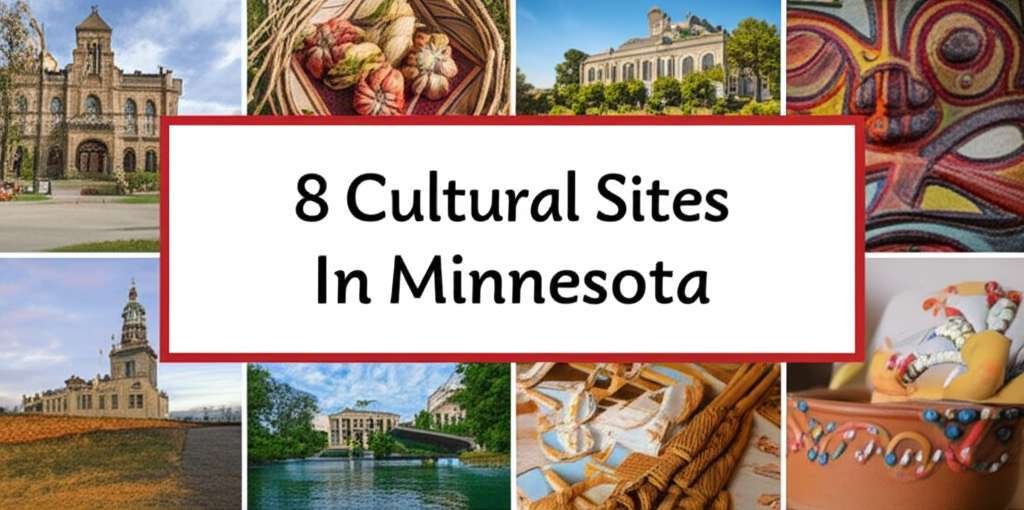
This guide is your friendly roadmap. We’ll highlight eight fantastic cultural sites that offer a deep dive into what makes Minnesota special. Each location is chosen for its accessibility, educational value, and sheer wonder.
Let’s start planning your journey through Minnesota’s most captivating cultural landscapes!
1. The Historic Fort Snelling: A Sentinel of the Past
Standing proudly at the confluence of the Mississippi and Minnesota Rivers, Historic Fort Snelling is a powerful reminder of Minnesota’s early history. This stone fortress, built in the 1820s, was a crucial military outpost.
Find the Best Accommodation Deals
Compare prices from multiple booking platforms and find the best option for your stay.
Compare Hotel PricesVisiting Fort Snelling allows you to step back in time. Costumed interpreters bring the past to life, demonstrating daily routines, military drills, and the lives of soldiers and their families. You’ll learn about the fort’s role in westward expansion, its impact on Native American tribes, and its significance during the Civil War.
It’s a place where history isn’t just read about, but felt and experienced. The panoramic views from the bluffs are also breathtaking, adding another layer to your visit.
Find the Best Accommodation Deals
Compare prices from multiple booking platforms and discover the best stay options available.
⭐ Trusted by thousands of travelers
💰 Budget to luxury options available
What to See and Do at Fort Snelling:
- Explore the historic buildings, including barracks, officers’ quarters, and the blacksmith shop.
- Witness live demonstrations of historical skills and military life.
- Learn about the Dakota and Ojibwe people and their interactions with the fort.
- Enjoy the scenic overlooks of the river valleys.
2. Mill City Museum: Where Minneapolis Flourished
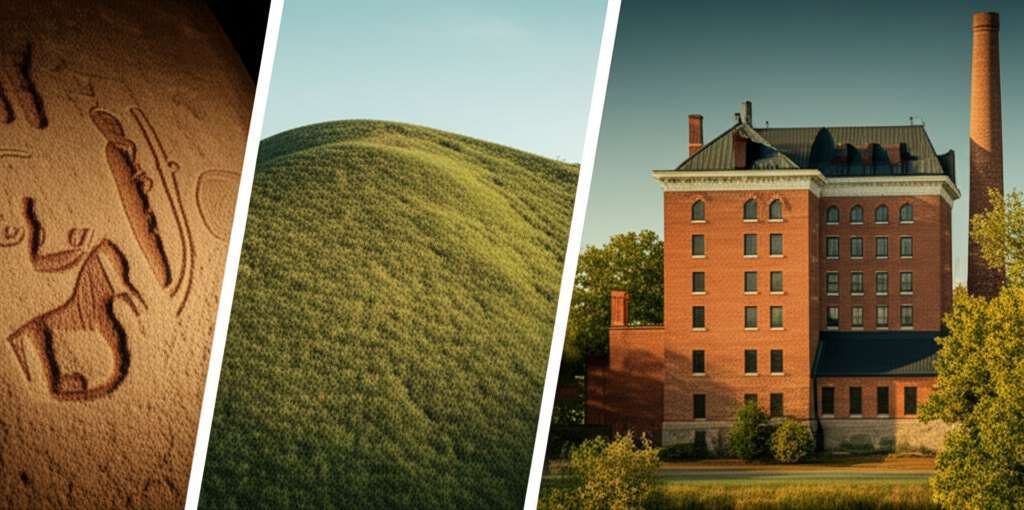
In the heart of Minneapolis, the Mill City Museum is built within the ruins of the Washburn A. Crosby Co. flour mill. This iconic structure, once the largest flour mill in the world, tells the story of Minneapolis’s rise to prominence as a milling capital.
The museum offers a captivating journey through the city’s industrial past. Interactive exhibits, including a fascinating water lab that demonstrates the power of the Mississippi River, make learning engaging. You can also walk through the preserved mill ruins and imagine the bustling activity that once filled this space.
Best Stay Deals Available
Compare prices across top booking platforms and find the best deal for your stay.
Check Available RoomsIt’s a must-visit for understanding how industry shaped the modern city and the lives of its people.
Mill City Museum Highlights:
- The “Washburn A” Flour Mill Ruins: Experience the scale and grandeur of the past.
- The Riverfront Exhibit: Discover the Mississippi River’s vital role.
- The Baking Lab: See demonstrations and even taste freshly baked bread.
- The “Flour Power” exhibit: Learn about the milling process and its impact.
3. Science Museum of Minnesota: A World of Wonder for All Ages
Located in downtown St. Paul, the Science Museum of Minnesota is an interactive wonderland that appeals to curious minds of all ages. It’s not just a place for kids; adults will find themselves equally enthralled by its diverse exhibits.
The museum features a range of permanent and traveling exhibits covering everything from dinosaurs and human origins to the science of sports and the wonders of the human body. The Omnitheater offers an immersive cinematic experience with giant-screen films that transport you to different worlds.
This is a fantastic spot to engage with science in a fun, hands-on way, making complex topics accessible and exciting.
Top Attractions at the Science Museum:
- The Dinosaur Hall: Come face-to-face with towering prehistoric creatures.
- The Human Body Gallery: Explore the intricate workings of our own bodies.
- The Experiment Hall: Engage in hands-on science experiments.
- The Mississippi River Gallery: Learn about the ecology and history of this vital waterway.
4. The Cathedral of Saint Paul: Architectural Grandeur
The Cathedral of Saint Paul is a breathtaking example of French Gothic Revival architecture. Perched atop a hill overlooking downtown St. Paul, its majestic dome and intricate stonework make it a landmark visible from miles away.
Inside, the soaring ceilings, vibrant stained-glass windows, and detailed sculptures create an atmosphere of awe and tranquility. It’s a place of worship, but also a significant cultural and artistic treasure. Guided tours are often available, offering insights into its construction and symbolism.
Even if you’re not religious, the sheer artistry and scale of the Cathedral make it a profoundly moving and visually stunning place to visit.
What to Appreciate at the Cathedral:
- The Dome and Interior Design: Marvel at the architectural magnificence.
- The Stained-Glass Windows: Admire the artistry and stories they depict.
- The Crypt: A quiet space with historical significance.
- The Exterior Architecture: Take in the grand facade and its details.
5. The Minneapolis Institute of Arts (MIA): A World-Class Collection
The Minneapolis Institute of Arts (MIA) is a treasure trove of artistic expression, housing a diverse collection that spans 5,000 years of world history. Best of all, general admission to the museum is free, making it an accessible cultural experience for everyone.
The museum’s galleries showcase art from across continents and cultures, including impressive collections of Asian, African, European, and American art. From ancient artifacts to contemporary masterpieces, the MIA offers a journey through human creativity.
It’s a perfect place to wander, discover new artists, and deepen your appreciation for the world’s artistic heritage.
MIA Collections to Explore:
- General Admission: Free access to the permanent collections.
- Asian Art: A vast and varied collection from across the continent.
- Arts of Africa and the Americas: Rich cultural artifacts and artworks.
- European Paintings: Masterpieces from renowned European artists.
- Modern and Contemporary Art: Engaging works from the 20th and 21st centuries.
6. The American Swedish Institute (ASI): A Taste of Scandinavia
Immerse yourself in Scandinavian culture at the American Swedish Institute (ASI) in Minneapolis. This cultural gem celebrates the heritage of Swedish immigrants in Minnesota through its historic mansion, art exhibitions, and vibrant events.
The centerpiece is the Turnblad Mansion, a stunning 1890s home that offers a glimpse into the lives of early Swedish settlers. The institute also features contemporary art galleries, a charming cafe, and a museum store filled with unique Scandinavian crafts and gifts.
ASI provides a warm and inviting atmosphere to learn about Swedish traditions, food, and artistry.
Experiencing the ASI:
- The Turnblad Mansion: Tour the beautifully preserved historic home.
- Art Galleries: Discover rotating exhibitions of Swedish and Nordic art.
- The Museum Store: Find unique gifts, books, and crafts.
- Special Events: Check their calendar for festivals, workshops, and performances.
7. The Walker Art Center: Contemporary Creativity
The Walker Art Center is a leading institution for contemporary art in the United States, renowned for its groundbreaking exhibitions and expansive outdoor sculpture garden. Located in Minneapolis, it’s a hub for modern and cutting-edge artistic expression.
The museum’s collection features a wide array of modern and contemporary art, including painting, sculpture, photography, and media arts. Its adjacent Minneapolis Sculpture Garden is a beloved public space, showcasing large-scale sculptures by renowned artists amidst lush greenery.
It’s an inspiring place for anyone interested in the evolution of art and its impact on society.
Walker Art Center Highlights:
- Contemporary Art Collections: Explore diverse and thought-provoking works.
- Minneapolis Sculpture Garden: Wander through an impressive outdoor display of art.
- Performance and Film Programs: The Walker also hosts live events and screenings.
- Special Exhibitions: Discover new and influential artists.
8. Pipestone National Monument: Sacred Ground and Ancient Art
Journey southwest to Pipestone National Monument, a place of immense spiritual and historical significance for Native American tribes. This sacred site is renowned for its red pipestone quarries, from which sacred pipes are carved.
For centuries, Native Americans have traveled to Pipestone to quarry the catlinite stone. The monument preserves this tradition, offering interpretive trails, cultural demonstrations, and a chance to learn about the deep spiritual connection between the land and its indigenous peoples. You can also visit the National Park Service’s Pipestone Indian Shrine Association store to see and purchase authentic pipestone art.
Visiting Pipestone offers a profound opportunity to connect with the enduring legacy of Native American culture in the region.
Discoveries at Pipestone:
- Pipestone Quarries: See where the sacred stone is extracted (viewing only).
- Circle of Nations Trail: An accessible paved path with interpretive signs.
- Win-New-The-Wah-Nee (Stone Garden): A serene area with carved stones.
- Cultural Demonstrations: Learn about traditional crafts and ceremonies.
Planning Your Minnesota Cultural Adventure: Tips for Beginners
Embarking on a cultural exploration of Minnesota is an exciting endeavor! To make your trip as smooth and enjoyable as possible, here are some practical tips tailored for beginners:
Before You Go:
- Check Operating Hours: Always verify the opening days and hours for each site, as they can vary seasonally or for special events.
- Book Tickets in Advance: For popular attractions, especially during peak tourist seasons, booking tickets online can save you time and ensure entry.
- Consider a CityPass: If you plan to visit multiple paid attractions in a specific city (like Minneapolis or St. Paul), look into city-specific tourism passes that can offer savings.
- Pack Accordingly: Minnesota weather can be unpredictable. Pack layers, comfortable walking shoes, and rain gear, no matter the season.
During Your Visit:
- Embrace the Tours: Many cultural sites offer guided tours led by knowledgeable staff or volunteers. These tours often provide deeper insights and fascinating stories you might otherwise miss.
- Engage with Exhibits: Don’t just look; interact! Many museums have hands-on displays and interactive elements designed for learning.
- Take Your Time: Resist the urge to rush. Allow yourself ample time to truly absorb the atmosphere and information at each location.
- Ask Questions: Museum staff and volunteers are there to help. Don’t hesitate to ask questions to enhance your understanding.
Budget-Friendly Ideas:
- Free Admission Days: Keep an eye out for special free admission days or evenings offered by museums and galleries.
- Picnics: Many historical sites and sculpture gardens have beautiful outdoor areas perfect for a picnic lunch, saving money on dining out.
- Public Transportation: Utilize public transport in cities like Minneapolis and St. Paul to reduce parking costs and travel stress.
Understanding Cultural Etiquette:
- Respect Sacred Sites: When visiting places like Pipestone National Monument, remember that these are sacred grounds. Be mindful of signage and local customs.
- Quiet Reflection: In places of worship like the Cathedral of Saint Paul, maintain a quiet and respectful demeanor.
- Photography: Be aware of photography restrictions within museums and galleries, especially for certain exhibits or artifacts.
Minnesota Cultural Sites at a Glance
To help you visualize your itinerary, here’s a quick comparison of some of the sites discussed:
| Site Name | Location | Primary Focus | Estimated Visit Time | Best For |
|---|---|---|---|---|
| Historic Fort Snelling | St. Paul | Military History, Early Settlement | 2-3 hours | History buffs, families |
| Mill City Museum | Minneapolis | Industrial History, Flour Milling | 1.5-2 hours | Urban explorers, history lovers |
| Science Museum of Minnesota | St. Paul | Science, Dinosaurs, Human Body | 3-4 hours | Families, curious minds of all ages |
| Cathedral of Saint Paul | St. Paul | Architecture, Religious History | 1-1.5 hours | Architecture enthusiasts, those seeking tranquility |
| Minneapolis Institute of Arts (MIA) | Minneapolis | World Art Collections | 2-4 hours (or more!) | Art lovers, budget travelers (free admission) |
| American Swedish Institute (ASI) | Minneapolis | Swedish Culture & Heritage | 1.5-2.5 hours | Cultural immersion, Scandinavian heritage |
| Walker Art Center | Minneapolis | Contemporary Art, Sculpture Garden | 2-3 hours | Modern art enthusiasts, outdoor lovers |
| Pipestone National Monument | Pipestone (Southwest MN) | Native American Culture, Sacred Sites | 1-2 hours | Cultural history, spiritual connection |
Frequently Asked Questions About Minnesota Cultural Sites
What are the most budget-friendly cultural sites in Minnesota?
The Minneapolis Institute of Arts (MIA) offers free general admission to its permanent collections, making it incredibly budget-friendly. Many state parks and national monuments, like Pipestone, have minimal entrance fees or are free to explore. Pack a picnic lunch for any of these sites to save on food costs.
Are these cultural sites suitable for children?
Absolutely! The Science Museum of Minnesota is designed with children in mind, offering many interactive exhibits. Historic Fort Snelling also engages kids with living history demonstrations. The MIA and Walker Art Center can be made engaging by focusing on specific exhibits or the sculpture garden.
How much time should I allocate for visiting these sites?
Visit times vary greatly. A quick visit to the Cathedral of Saint Paul might take an hour, while you could easily spend half a day or more at the Science Museum of Minnesota or the Minneapolis Institute of Arts. It’s best to check the official website for each site and plan your schedule accordingly.
Do I need to rent a car to visit these places?
For sites within Minneapolis and St. Paul, public transportation is often a viable option, and rideshare services are readily available. However, to visit Pipestone National Monument in southwest Minnesota, a rental car is highly recommended as it’s a significant drive from the major cities.
What are some important things to remember when visiting Native American cultural sites like Pipestone?
It’s crucial to be respectful. Remember that Pipestone National Monument is a sacred site. Stay on marked trails, do not disturb any artifacts or natural features, and be mindful of any cultural protocols shared by park staff or interpretive rangers. Photography might be restricted in certain areas.
Are there any significant cultural festivals or events happening in Minnesota that I should know about?
Minnesota hosts numerous cultural festivals throughout the year, celebrating its diverse heritage. Examples include the Mill City Museum’s Mill City Farmers Market, the American Swedish Institute’s Lucia Festival, and various Pow Wows and Native American cultural events. Checking local event calendars closer to your travel dates is highly recommended.
What if I’m only in Minnesota for a short time, which cultural sites should I prioritize?
If time is limited, focus on sites that offer a broad overview or are easily accessible. For a taste of Minneapolis’s history and art, Mill City Museum and the MIA are excellent choices. In St. Paul, the Cathedral and the Science Museum provide distinct experiences. If you have a bit more time and are interested in deeper cultural dives, consider Fort Snelling or ASI.
Conclusion: Your Minnesota Cultural Journey Awaits
Minnesota is a state brimming with history, art, and vibrant cultural narratives waiting to be discovered. From the echoes of military history at Fort Snelling to the contemporary expressions at the Walker Art Center, these eight sites offer a rich and rewarding experience for any traveler.
You’ve seen how accessible and enriching these destinations can be, whether you’re a history buff, an art enthusiast, or simply curious about the world. Planning your visit is straightforward, and the memories you’ll create will be lasting.
So, pack your bags, bring your sense of adventure, and get ready to explore the amazing cultural discoveries that Minnesota has to offer. Your unforgettable journey starts now!