
Discover 7 thrilling outdoor adventures in Minnesota perfect for beginners. From stunning lakeshores to vast forests, explore exciting activities like hiking, biking, kayaking, and more to create unforgettable memories in the “Land of 10,000 Lakes.”
Welcome, fellow explorers! Dreaming of an adventure but feeling a little unsure where to start, especially in a place as vast and beautiful as Minnesota? You’re not alone! Planning a trip can sometimes feel like staring at a giant map with too many exciting options.
Check the latest prices and available rooms before they sell out.
But don’t worry, that’s exactly why I’m here! Minnesota is bursting with incredible outdoor experiences, and I’ve handpicked seven thrilling adventures that are perfect for anyone new to exploring.
Get ready to trade those endless travel daydreams for real, exciting memories. We’ll break down each adventure so you can plan with confidence and ease.
Let’s dive into the fun!
7 Thrilling Outdoor Adventures in Minnesota for Every Beginner
Minnesota, often called the “Land of 10,000 Lakes” (and sometimes even more!), offers a playground for outdoor lovers. Whether you’re seeking gentle exploration or a bit of a thrill, this state has something for everyone. Here are seven fantastic outdoor adventures that are beginner-friendly and promise unforgettable experiences.

1. Paddle Your Way Through the Boundary Waters Canoe Area Wilderness (BWCAW)
Imagine gliding silently across pristine, mirror-like lakes, surrounded by towering pines and the call of loons. The Boundary Waters Canoe Area Wilderness (BWCAW) is a protected wilderness area in northeastern Minnesota, accessible only by water. It’s a paddler’s paradise, offering thousands of lakes and miles of rivers connected by portages (short trails where you carry your canoe and gear).
Why it’s great for beginners:
Find the Best Accommodation Deals
Compare prices from multiple booking platforms and find the best option for your stay.
Compare Hotel Prices Accessible Entry Points: While it’s a wilderness, there are many entry points with varying levels of difficulty. You can choose a route with shorter paddling distances and fewer portages to start.
Stunning Scenery: The natural beauty is breathtaking, offering a true escape from everyday life.
Wildlife Viewing: Keep an eye out for moose, deer, eagles, and various waterfowl.
Camping: Designated campsites are available, offering a rustic outdoor living experience.
Getting Started:
Find the Best Accommodation Deals
Compare prices from multiple booking platforms and discover the best stay options available.
⭐ Trusted by thousands of travelers
💰 Budget to luxury options available
1. Permits: You’ll need a permit to enter the BWCAW. These can be reserved online through recreation.gov. Popular entry points and dates fill up quickly, so plan ahead!
2. Gear: Rent a canoe, paddles, life jackets (PFDs), and camping gear from local outfitters. They can also provide advice on routes and packing.
3. Route Planning: Talk to an outfitter or consult maps and guidebooks to plan a route that suits your comfort level. Start with a 2-3 day trip to get a feel for it.
4. Food: Plan simple, lightweight meals. Dehydrated meals are a popular choice for canoe trips.
5. Navigation: Learn to read a map and compass, or use a GPS device. While the routes are generally well-marked, it’s always good to be prepared.
Pro Tip: Consider hiring a guide for your first trip. They can handle logistics, teach you paddling techniques, and ensure a safer, more enjoyable experience.
Best Stay Deals Available
Compare prices across top booking platforms and find the best deal for your stay.
Check Available Rooms2. Hike the North Shore of Lake Superior
The North Shore of Lake Superior is a rugged, beautiful coastline offering some of Minnesota’s most dramatic scenery. Think towering cliffs, cascading waterfalls, and pebble beaches meeting the vast, mighty lake. Hiking trails range from easy strolls to more challenging treks, making it accessible for all fitness levels.
Must-Visit Spots:
Gooseberry Falls State Park: Famous for its five accessible waterfalls, it’s a perfect place for short hikes and stunning views.
Split Rock Lighthouse State Park: Explore the historic lighthouse and enjoy panoramic views of the lake. Trails here offer moderate challenges.
Tettegouche State Park: Home to High Falls, Minnesota’s tallest waterfall, and the stunning Shovel Point.
Oberg Mountain: Offers one of the most rewarding panoramic views of Lake Superior after a moderate hike.
Why it’s great for beginners:
Well-Maintained Trails: Many trails are well-marked and maintained, with clear signage.
Varying Difficulty: You can choose short, paved paths to see waterfalls or longer, more strenuous hikes with incredible lake overlooks.
Spectacular Views: The sheer beauty of Lake Superior and the surrounding forests is a huge motivator.
Breathtaking Waterfalls: Minnesota’s waterfalls are a unique and refreshing sight.
What to bring:
Sturdy hiking shoes or boots
Layers of clothing (weather can change quickly)
Rain gear
Water and snacks
Bug spray (essential, especially in summer)
Sunscreen and a hat
External Link: For more information on Minnesota State Parks and trail conditions, visit the Minnesota Department of Natural Resources.
3. Bike the Paul Bunyan State Trail
Ready to experience Minnesota’s charm on two wheels? The Paul Bunyan State Trail is one of the longest paved rail-trails in the country, stretching over 60 miles from Baxter to Bemidji. It’s incredibly flat and smooth, making it ideal for leisurely rides, families, and anyone new to cycling.
What makes it a beginner favorite:
Paved and Flat: The smooth, paved surface is easy to ride on, with minimal inclines.
Scenic Route: It winds through forests, past lakes, and through charming small towns.
Well-Connected: The trail connects to other trails, allowing for longer rides if you feel adventurous.
Amenities: Towns along the trail offer places to rest, grab a bite to eat, and find bike repair shops.
Tips for your ride:
Bike Rental: Many towns along the trail have bike rental shops if you don’t have your own.
Start Small: You don’t have to ride the whole trail at once! Start with a 10-20 mile round trip and enjoy the scenery.
Pack Essentials: Bring water, snacks, a bike lock, a repair kit, and wear a helmet.
Trail Etiquette: Stay to the right, pass on the left, and be courteous to other trail users.
4. Kayak or Canoe on a Minnesota Lake
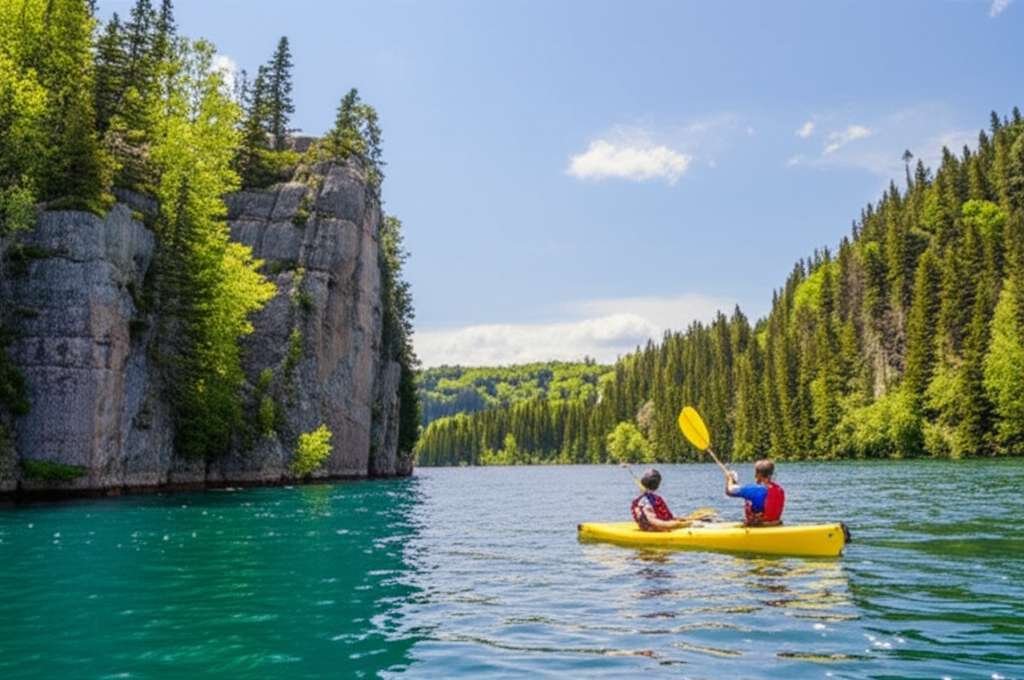
With its abundance of lakes, Minnesota is the ultimate destination for paddling. Whether you choose a gentle lake for a relaxed afternoon or a more dynamic river, kayaking and canoeing offer a unique perspective and a great way to get close to nature.
Beginner-Friendly Lake Options:
Lake Harriet, Minneapolis: A beautiful urban lake perfect for a calm paddle with city views. Rentals are often available.
Lake Bemidji: Offers spacious waters with opportunities to explore coves and see local wildlife.
Voyageurs National Park: While more remote, many of its interconnected lakes are accessible for day trips and offer incredible wilderness paddling.
Why paddling is a great start:
Easy to Learn: Basic paddling techniques are simple to pick up.
Low Impact: It’s a quiet way to explore, minimizing disturbance to wildlife.
Full Body Workout: It’s a fantastic way to exercise without feeling like you’re working out!
Accessibility: Many state parks and local parks have boat launches and rental services.
What you need:
A kayak or canoe
Paddles
Personal Flotation Device (PFD) – wear it!
Waterproof bag for your phone and essentials
Water and snacks
Safety First: Always check the weather forecast before heading out. Paddle with a buddy, especially on larger or more remote lakes. Let someone know where you are going and when you expect to return.
5. Explore Itasca State Park: The Mississippi Headwaters
Itasca State Park is home to the headwaters of the mighty Mississippi River. This is where the river begins its 2,320-mile journey to the Gulf of Mexico. It’s a magical place where you can literally step across the Mississippi on rocks.
Why it’s a must-do:
Historic Significance: Stand at the humble beginnings of one of America’s most famous rivers.
Easy Walk: The short, well-maintained path to the headwaters is accessible for everyone.
Beautiful Park: Beyond the headwaters, the park offers miles of hiking trails, towering old-growth pines, and beautiful Lake Itasca for boating and swimming.
Educational: Learn about the river’s journey and the park’s unique ecosystem.
Things to do at Itasca:
Walk Across the Mississippi: A simple, iconic experience.
Visit the Jacob V. Brower Visitor Center: Learn about the park’s history and the river.
Hike: Explore trails like the Pine Ridge Trail for a glimpse of old-growth forest.
Boat or Swim: Enjoy Lake Itasca on a warm day.
Travel Tip: Visit early in the morning or later in the afternoon to avoid the biggest crowds at the headwaters, especially during peak season.
6. Discover the Glacial Lakes Region by Bike or Foot
Minnesota’s Glacial Lakes Region in the southwestern part of the state is dotted with beautiful lakes formed by ancient glaciers. This area offers a gentler landscape compared to the North Shore, with rolling hills and abundant water. It’s perfect for scenic drives, leisurely bike rides, and peaceful walks.
What to expect:
Charming Towns: Explore quaint towns with local shops and friendly faces.
Nature Trails: Many local parks and wildlife refuges have easy-to-navigate trails.
Fishing and Birdwatching: The lakes are great for fishing, and the region is a haven for birdwatchers.
Cycling Opportunities: Look for local trails or quiet country roads for a pleasant cycling experience.
Beginner-Friendly Activities:
Lake Okabena (Worthington): Offers a nice paved trail around the lake, perfect for walking and biking.
Blue Mounds State Park: While known for its rugged quartzite bluffs, it also offers easier walking trails with unique geological features and prairie landscapes.
Local County Parks: Many counties have well-maintained parks with easy trails and picnic areas.
Planning your visit:
Research Local Tourism: Check the websites of towns like Worthington, Marshall, or Willmar for specific trail information and local events.
Pack Accordingly: Similar to other outdoor activities, bring comfortable shoes, water, snacks, and weather-appropriate gear.
7. Go Stargazing in a Dark Sky Park
Escape the city lights and immerse yourself in the wonder of the night sky. Minnesota has designated Dark Sky Parks, offering some of the clearest views of the stars in the Midwest. This is a wonderfully peaceful and awe-inspiring adventure, perfect for quiet contemplation.
Top Dark Sky Location:
Voyageurs National Park: As a certified International Dark Sky Park, Voyageurs offers incredibly dark skies. While reaching it might involve some travel, the reward is unparalleled. You can experience it via boat tours or by staying at a lodge within the park.
Why stargazing is an easy adventure:
Minimal Gear: All you really need is a clear night, a comfortable spot, and perhaps a blanket.
Sense of Wonder: Looking up at the vastness of the universe is a humbling and inspiring experience.
Peaceful: It’s a quiet, relaxing activity that connects you with nature in a profound way.
Making the most of it:
Check the Moon Phase: A new moon (when the moon is not visible) offers the darkest skies.
Allow Your Eyes to Adjust: It takes about 20-30 minutes for your eyes to fully adapt to the darkness. Avoid using bright lights.
Use a Red Light: If you need light, use a red-filtered flashlight, as it affects night vision less.
Bring a Star Chart or App: Use a star map or a stargazing app on your phone (with night mode enabled) to identify constellations, planets, and stars.
Pack Warmly: Even in summer, nights can get cool. Bring blankets and warm clothing.
Consider a guided tour: Some parks offer ranger-led stargazing programs that can enhance your experience.
Planning Your Minnesota Outdoor Adventure: A Quick Guide
Here’s a simple breakdown to help you choose and prepare for your chosen adventure.
| Adventure Type | Best For | Key Activities | Beginner Friendliness |
| :—————————– | :————————————- | :————————————————– | :——————– |
| Canoeing/Kayaking (BWCAW) | Nature immersion, solitude | Paddling, camping, portaging, wildlife viewing | Moderate (requires planning) |
| Hiking (North Shore) | Scenic views, waterfalls | Walking, trail exploration, photography | High |
| Biking (Paul Bunyan Trail) | Easy cycling, scenic routes | Cycling, exploring towns, family rides | Very High |
| Paddling (General Lakes) | Relaxation, easy water access | Kayaking, canoeing, enjoying lake life | High |
| Itasca State Park | Iconic landmarks, family outings | Walking, history, nature observation, swimming | Very High |
| Glacial Lakes Region | Gentle landscapes, quiet exploration | Biking, walking, fishing, birdwatching | High |
| Stargazing (Dark Sky Park) | Peaceful evenings, natural wonder | Observing stars, constellations, and celestial events | Very High |
Frequently Asked Questions About Minnesota Outdoor Adventures
Q1: What is the best time of year for outdoor adventures in Minnesota?
The summer months (June through August) offer the warmest weather and longest daylight hours, making them ideal for most activities. However, fall (September-October) provides stunning foliage and cooler temperatures for hiking and biking. Spring can be beautiful but often muddy. Winter offers unique adventures like ice fishing and snowshoeing, but this guide focuses on warmer-weather activities.
Q2: Do I need special gear for these adventures?
For most beginner adventures, standard outdoor gear is sufficient. This includes comfortable, sturdy shoes, layers of clothing, rain gear, sunscreen, and a hat. Specific activities like canoeing require life jackets and paddles, which can often be rented. For camping, you’ll need tents and sleeping bags. Always check what’s recommended for your chosen activity.
Q3: How can I save money on an outdoor trip in Minnesota?
Camping is a budget-friendly accommodation option. Packing your own food and snacks instead of eating out for every meal can significantly cut costs. Renting gear locally instead of buying can also be more economical for a first-time trip. Many state parks have affordable entry fees, and some activities like hiking are free. Look for multi-day park passes if you plan to visit several state parks.
Q4: Are these adventures safe for solo travelers?
Many of these adventures can be enjoyed solo, but safety is paramount. Always inform someone of your itinerary, stay on marked trails, check weather conditions, and carry a fully charged phone. For activities like paddling or hiking in remote areas, consider going with a buddy or joining a guided tour for added security. Stargazing in designated parks is generally very safe.
Q5: What if I’m not very athletic? Can I still enjoy these activities?
Absolutely! The beauty of Minnesota’s outdoor offerings is their accessibility. Hiking trails in places like Gooseberry Falls or Itasca State Park are often short and manageable. Biking on paved trails like the Paul Bunyan is easy. Paddling on calm lakes requires minimal exertion. The focus is on enjoying nature, not on strenuous physical feats.
Q6: How do I find places to rent equipment like canoes or bikes?
Most popular destinations and state parks have local outfitters nearby that offer rentals. For example, towns near the Boundary Waters will have many canoe outfitters. Towns along the Paul Bunyan State Trail will have bike shops. A quick online search for “[activity] rental [location]” will usually bring up several options. It’s a good idea to call ahead and reserve your gear, especially during peak season.
Q7: What is a “portage” and do I have to do one for my first BWCAW trip?
A portage is a short trail between two bodies of water where you must carry your canoe and gear. While portages are a key part of the BWCAW experience, they can be challenging. For a beginner’s trip, you can absolutely plan a route that minimizes or avoids portages, focusing on paddling within a single lake system or using entry points that lead to short, easy portages if you feel up to it. Discuss this with your outfitter.
Your Minnesota Adventure Awaits!
Minnesota is more than just a state with a lot of water; it’s an invitation to explore, breathe fresh air, and connect with the natural world. From the serene paddle of the Boundary Waters to the breathtaking vistas of the North Shore, the thrill of these outdoor adventures is accessible to everyone, especially for those just starting their journey.
You’ve seen how diverse and welcoming Minnesota’s natural playground is. Whether you’re dreaming of stepping across the Mississippi at Itasca, cycling through forests, or gazing at a star-filled sky, there’s an experience waiting for you.
Don’t let planning overwhelm you. Start with one adventure that sparks your interest. Gather your friends or family, pack a sense of wonder, and get ready to make some incredible memories. Minnesota’s thrilling outdoor adventures are calling – will you answer?