
Discover Minnesota’s rich past! This guide highlights 12 amazing historic landmarks, perfect for beginners planning a trip to explore the state’s fascinating heritage and hidden stories.
Planning a trip can feel like a puzzle, especially when you’re new to exploring a place like Minnesota. You want to see the iconic sights and learn about the history, but where do you even start? It’s easy to get lost in endless lists and confusing details.
Check the latest prices and available rooms before they sell out.
But don’t worry, I’m here to help! We’ll break down some of Minnesota’s most incredible historic landmarks into easy-to-understand steps. Think of me as your friendly travel buddy, guiding you through the Land of 10,000 Lakes.
Get ready to uncover stories that shaped a state and create memories that will last a lifetime. Let’s dive into these amazing discoveries together!
Frequently Asked Questions
What are the must-see historic landmarks in Minnesota for a first-time visitor?
For first-time visitors, key landmarks include the Mill City Museum in Minneapolis for its flour milling history, the Historic Fort Snelling for its military past, and the James J. Hill House in St. Paul for a glimpse into Gilded Age grandeur. The Ojibwe Cultural Center on the Red Lake Reservation offers vital Indigenous history and culture.
Are Minnesota’s historic sites generally accessible for beginners and families?
Yes, most major historic sites in Minnesota are designed with accessibility in mind. Many offer guided tours, visitor centers with information, and programs suitable for families and those new to historical exploration. Always check the specific site’s website for detailed accessibility information and family-friendly activities.
How can I plan a budget-friendly trip to see Minnesota’s historic landmarks?
Consider visiting during the shoulder seasons (spring or fall) for potentially lower accommodation costs. Look for sites with free admission or consider purchasing a state park pass if visiting multiple sites managed by the Department of Natural Resources. Many historical societies offer discounts for students or seniors. Packing your own snacks and drinks can also save money.
What kind of historical periods do Minnesota’s landmarks represent?
Minnesota’s landmarks cover a broad historical spectrum. You’ll find sites representing Indigenous history (like the North West Company Fur Post), early European settlement and fur trading, the booming flour milling and lumber industries, military history (like Fort Snelling), the lives of prominent figures (like James J. Hill), and industrial heritage.
Find the Best Accommodation Deals
Compare prices from multiple booking platforms and find the best option for your stay.
Compare Hotel PricesHow do I find out the operating hours and admission fees for these landmarks?
The best way is to visit the official website of each landmark. You can usually find this information by searching for the landmark’s name. Websites typically have sections for “Visit,” “Plan Your Visit,” or “Hours & Admission” that provide up-to-date details. It’s always a good idea to check before you go, as hours can change seasonally.
Are there any historical landmarks in Minnesota related to Native American history?
Absolutely! Minnesota has a deep connection to Native American history. The Ojibwe Cultural Center in Red Lake, the Mille Lacs Indian Museum and Trading Post, and sites like the Pipestone National Monument (though technically just across the border in South Dakota, it’s significant to Minnesota tribes) are crucial for understanding Indigenous heritage. Many other state parks and historical societies also have exhibits and information on local tribes.
Find the Best Accommodation Deals
Compare prices from multiple booking platforms and discover the best stay options available.
⭐ Trusted by thousands of travelers
💰 Budget to luxury options available
Uncovering Minnesota’s Past: A Journey Through Historic Landmarks
Minnesota, the “Land of 10,000 Lakes,” is brimming with stories waiting to be discovered. From the rugged shores of Lake Superior to the bustling cities of the Twin Cities, this state holds echoes of its vibrant past. Exploring historic landmarks is a fantastic way to connect with this heritage.
But for newcomers, figuring out where to begin can feel overwhelming. You might wonder which sites truly tell Minnesota’s story or how to plan a visit that’s both educational and fun.
Best Stay Deals Available
Compare prices across top booking platforms and find the best deal for your stay.
Check Available RoomsThis guide is designed to make it simple. We’ll walk you through 12 incredible historic landmarks, sharing what makes each one special. Get ready to embark on an adventure that’s easy to plan and incredibly rewarding.
Let’s start uncovering the amazing discoveries Minnesota has to offer!
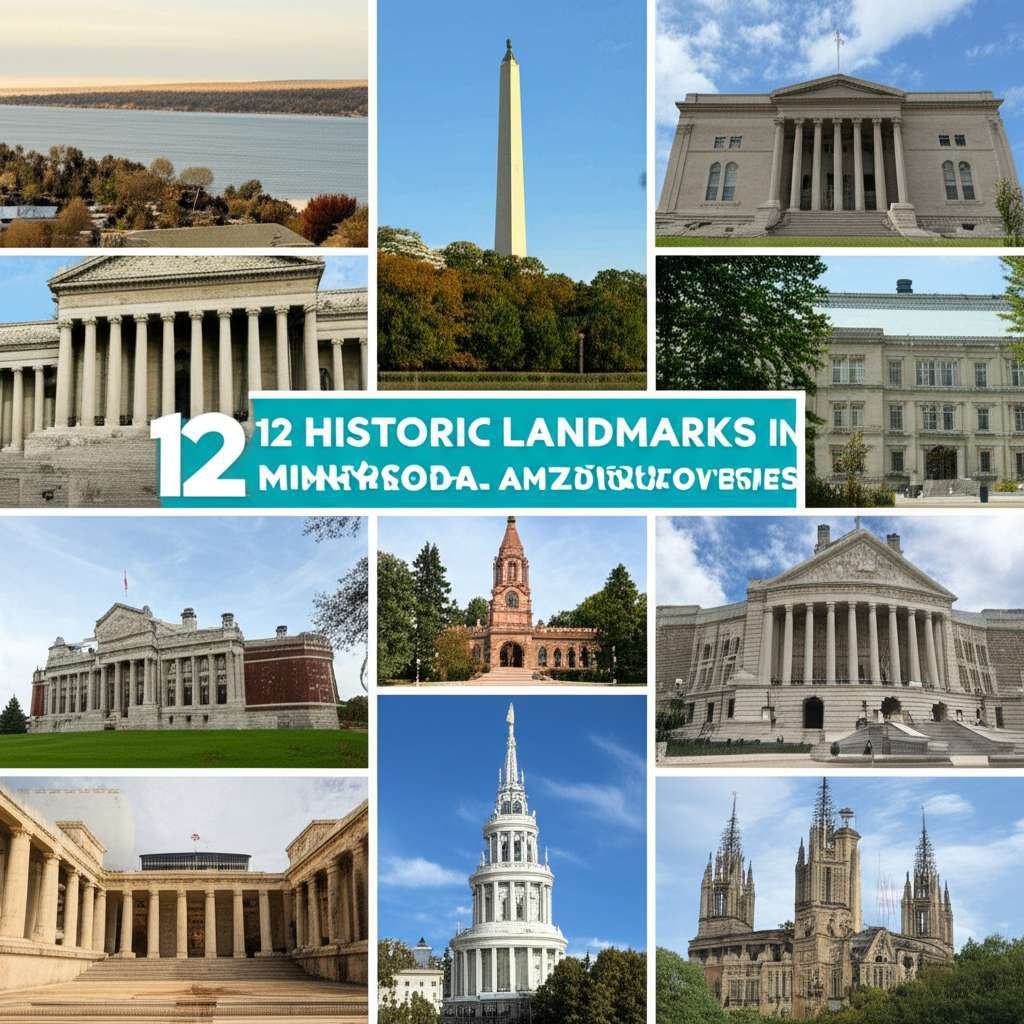
12 Historic Landmarks In Minnesota: Amazing Discoveries
Minnesota’s history is as diverse as its landscapes. It’s a tale of Indigenous peoples, European explorers, industrial titans, and resilient communities. Ready to step back in time? Here are 12 historic landmarks that offer a fascinating glimpse into the state’s soul.
1. Mill City Museum, Minneapolis
Imagine a time when Minneapolis was the flour milling capital of the world. The Mill City Museum, built within the ruins of the Washburn “A” Mill, brings this powerful industrial past to life. It’s a must-visit to understand the forces that shaped the city.
You can explore interactive exhibits, see a working flour mill, and even climb the ruins for panoramic views of the Mississippi River and St. Anthony Falls. It’s an engaging way to learn about innovation and the hard work that built a city.
2. Historic Fort Snelling, Saint Paul
Perched overlooking the confluence of the Mississippi and Minnesota Rivers, Fort Snelling is a sentinel of Minnesota’s military history. Established in the 1820s, it played a crucial role in westward expansion, Native American relations, and Civil War recruitment.
Step back in time as costumed interpreters demonstrate daily life, military drills, and crafts. You’ll learn about the diverse people who lived and worked here, from soldiers to enslaved individuals, and gain insight into the fort’s complex history. It’s a powerful reminder of the state’s strategic importance.
3. James J. Hill House, Saint Paul
This grand mansion was once the residence of James J. Hill, the “Empire Builder” who completed the Great Northern Railway. The James J. Hill House is a stunning example of Gilded Age architecture and a testament to the ambition that fueled Minnesota’s growth.
Touring this 36,000-square-foot home is like stepping into another era. Marvel at the intricate craftsmanship, original furnishings, and the sheer opulence of the era. It offers a unique look at the lives of Minnesota’s most influential industrialists.
4. Oliver H. Kelley Farm, Elk River
Discover the evolution of American agriculture at the Oliver H. Kelley Farm. This living history site preserves the home and farm of Oliver Hudson Kelley, a founder of the National Grange and a key figure in the agricultural reform movement.
Experience farm life as it was in the 19th century. See heritage breeds of livestock, explore historical farm buildings, and learn about the challenges and triumphs of farming through the ages. It’s a fantastic place for families to connect with rural heritage.
5. North West Company Fur Post, Grand Portage
Journey to the edge of the wilderness at the North West Company Fur Post. This reconstructed 1804 fur trading post on the Pigeon River offers a glimpse into the vital fur trade era that connected the region to global markets.
Wander through the reconstructed buildings, including the Voyageur’s House and the Manager’s House. Learn about the daily lives of the traders and Indigenous peoples who interacted here. It’s an immersive experience into a pivotal period of North American history.
6. Pipestone National Monument, Pipestone
While technically just over the border in South Dakota, Pipestone National Monument is deeply significant to the history and culture of Minnesota’s Native American tribes, particularly the Dakota. This sacred site is renowned for its red pipestone quarries, used for centuries to carve ceremonial peace pipes.
Walk the Circle Trail to see the sacred quarries and learn about the spiritual importance of this land. The visitor center features exhibits on the cultural significance of the pipestone and the history of the Indigenous peoples of the region. It’s a place of profound cultural and historical importance.
7. Historic Marine Museum, Two Harbors
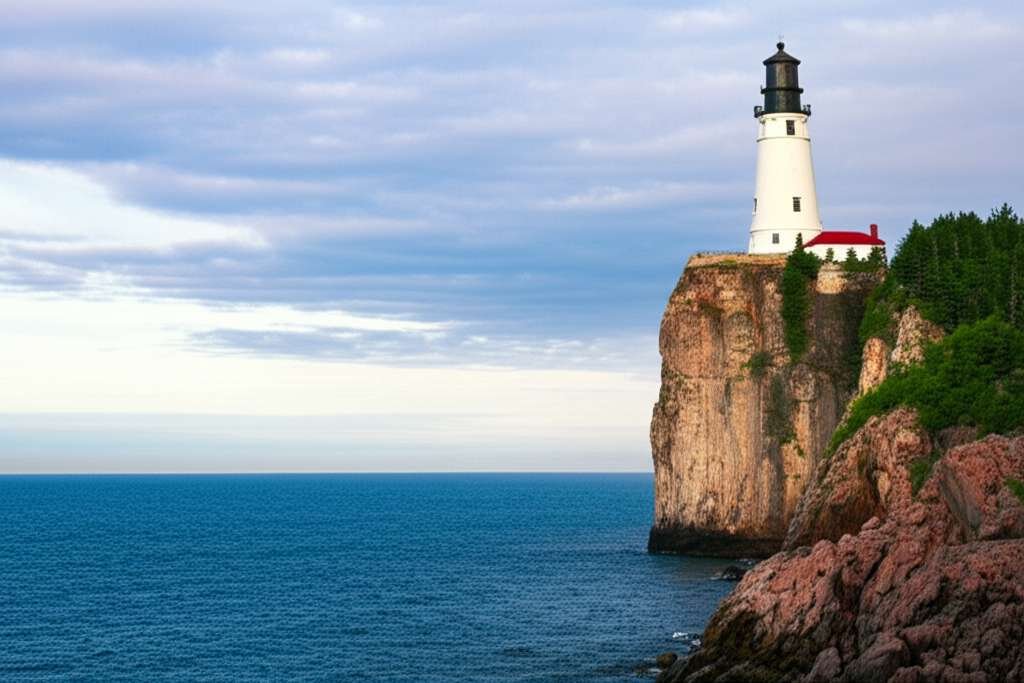
Sitting at the heart of Lake Superior shipping, the Historic Marine Museum is housed in the former Light Station Keeper’s Quarters. It tells the story of maritime life and the crucial role of shipping on the Great Lakes.
Explore exhibits detailing the lives of lighthouse keepers, shipwrecks, and the powerful vessels that navigated the lake. Climb the lighthouse for breathtaking views of the harbor and Lake Superior. It’s a captivating look at a vital industry that shaped Minnesota’s North Shore.
8. MV-WA-CHED-A Cultural Center, Red Lake
The MV-WA-CHED-A Cultural Center, located on the Red Lake Indian Reservation, is a vital hub for preserving and sharing Ojibwe (Chippewa) history, culture, and traditions. It offers an essential perspective on the Indigenous heritage of Minnesota.
Discover authentic artifacts, learn about traditional crafts, listen to stories, and gain a deeper understanding of Ojibwe life, past and present. The center is a place of learning and cultural exchange, providing invaluable insights into the state’s first peoples.
9. Stone Arch Bridge, Minneapolis
The Stone Arch Bridge is more than just a picturesque crossing over the Mississippi River; it’s a historic engineering marvel. Built by James J. Hill in 1883, it was constructed from Minnesota stone and originally served as a railroad bridge.
Today, it’s a pedestrian bridge offering stunning views of the city skyline, St. Anthony Falls, and the historic Mill District. Walking or biking across provides a unique perspective on Minneapolis’s industrial past and its vibrant present. It’s a beautiful spot for photos and reflection.
10. Historic Downtown Stillwater, Stillwater
As Minnesota’s oldest settlement, Stillwater boasts a charming historic downtown filled with Victorian architecture and a rich past tied to the logging industry. The St. Croix River was once the heart of a booming timber trade.
Wander through the streets, explore unique shops housed in historic buildings, and learn about Stillwater’s frontier days. Consider a riverboat cruise for a different perspective on its history. The town offers a delightful blend of history, scenic beauty, and small-town charm.
11. Northern States Power Company Hydroelectric Plant, St. Anthony Falls, Minneapolis
Adjacent to the Mill City Museum, the historic Northern States Power Company Hydroelectric Plant is a testament to the harnessing of natural power. This plant, first operational in 1908, replaced earlier mills and continued to power Minneapolis for decades.
While tours of the active plant may be limited, its presence at St. Anthony Falls is a powerful reminder of the industrial innovation that leveraged the Mississippi River’s might. It’s a key piece of the puzzle in understanding Minneapolis’s development as an industrial powerhouse.
12. Minnesota State Capitol, Saint Paul
The magnificent Minnesota State Capitol building is a historical landmark in itself, showcasing stunning architecture and serving as the seat of state government since 1905. Designed by Cass Gilbert, it’s considered one of the most beautiful capitol buildings in the United States.
Take a guided tour to learn about Minnesota’s government, history, and the symbolism embedded in its art and architecture. Admire the grand Rotunda, the legislative chambers, and the impressive art collection. It’s a place where history and democracy converge.
Tips for Exploring Minnesota’s Historic Landmarks
Ready to plan your adventure? Here are some practical tips to make your journey smooth and enjoyable.
Do Your Research and Prioritize
Before you go, check the official websites for each landmark. Look for information on opening hours, admission fees, special events, and any temporary closures. Decide which landmarks are most interesting to you and create a flexible itinerary.
Check Accessibility
If you have specific accessibility needs, confirm with the site in advance. Most modern museums and historic sites strive to be inclusive, but it’s always best to verify. Look for details on ramps, elevators, and accessible restrooms.
Consider Guided Tours
Guided tours are a fantastic way to get the most out of a historic site. Docents and interpreters often share fascinating stories and details you might otherwise miss. Many offer specialized tours, like behind-the-scenes looks or family-friendly options.
Best Time to Visit
Summer offers the best weather for exploring, but can also be the busiest. Spring and fall provide pleasant temperatures and fewer crowds. Winter visits can be magical for certain sites, especially those with indoor components, but outdoor sites may have limited access.
What to Bring
Comfortable walking shoes are essential! Depending on the season, pack layers of clothing, sunscreen, a hat, and a reusable water bottle. Don’t forget your camera to capture the memories.
Utilize Local Resources
Your local visitor center or historical society can be a treasure trove of information. They often have maps, brochures, and local insights that can enhance your trip. For a comprehensive overview of Minnesota’s heritage sites, the Minnesota Historical Society is an excellent resource.
Respect the Sites
Remember that these landmarks are precious pieces of history. Follow all rules and guidelines, avoid touching artifacts unless permitted, and leave no trace. Help preserve these places for future generations.
Historical Significance of Minnesota Landmarks
Minnesota’s historic sites represent a wide array of its development. Here’s a look at what makes them significant:
| Landmark | Primary Historical Focus | Key Era Represented | Significance |
|---|---|---|---|
| Mill City Museum | Industrial History, Flour Milling | Late 19th – Early 20th Century | Highlights Minneapolis as the “Flour Milling Capital of the World.” |
| Historic Fort Snelling | Military History, Fur Trade, Indigenous Relations | Early 19th – Early 20th Century | Key U.S. military post influencing regional development and Native American policy. |
| James J. Hill House | Gilded Age, Railroad Tycoons, Industrialism | Late 19th – Early 20th Century | Represents the wealth and influence of industrialists who shaped the state. |
| Oliver H. Kelley Farm | Agriculture, Rural Life, Grange Movement | Mid-19th – Early 20th Century | Illustrates the evolution of farming and agricultural reform. |
| North West Company Fur Post | Fur Trade, Exploration, Early Commerce | Early 19th Century | Showcases the vital role of the fur trade in connecting North America. |
| Pipestone National Monument | Indigenous Culture, Spirituality, Sacred Sites | Pre-Columbian – Present | Sacred quarry for Native American tribes, vital for ceremonial practices. |
| Historic Marine Museum | Maritime History, Great Lakes Shipping | Late 19th – Mid-20th Century | Details the importance of Lake Superior shipping and lighthouse keeping. |
| MV-WA-CHED-A Cultural Center | Ojibwe (Chippewa) Culture and History | Pre-Columbian – Present | Preserves and shares the rich heritage of Minnesota’s Indigenous people. |
| Stone Arch Bridge | Industrial Engineering, Transportation | Late 19th Century | Iconic symbol of Minneapolis’s industrial past and engineering prowess. |
| Historic Downtown Stillwater | Logging Industry, Pioneer Settlement | Mid-19th – Early 20th Century | Represents Minnesota’s oldest settlement and its role in the timber boom. |
| NSP Hydroelectric Plant | Industrial Power, Engineering | Early 20th Century | Demonstrates the harnessing of river power for industrial growth. |
| Minnesota State Capitol | Government, Architecture, State History | Late 19th – Early 20th Century | Symbol of Minnesota’s governance and a masterpiece of American architecture. |
Your Minnesota Historical Adventure Awaits!
Exploring Minnesota’s historic landmarks is an incredibly rewarding experience, offering a direct connection to the stories and people who shaped this remarkable state. From the echoes of industry at Mill City Museum to the sacred grounds of Pipestone National Monument, each site tells a unique part of Minnesota’s narrative.
You’ve seen how diverse and rich the state’s history is, covering everything from powerful industries and military outposts to the enduring cultures of its Indigenous peoples. Planning your visit is simpler than you might think, and the discoveries you’ll make are truly amazing.
So, pack your bags, grab your sense of adventure, and set out to explore these incredible places. Whether you’re a solo traveler, a couple looking for a unique getaway, or a family seeking educational fun, Minnesota’s historic landmarks offer something for everyone. Your journey into the past starts now!