
Discover 10 amazing historic sites in Banff to unlock incredible stories of the past. This guide makes exploring Banff’s rich heritage simple and exciting for every traveler, ensuring you don’t miss a single historical gem.
Banff National Park is a place of breathtaking natural beauty, with towering mountains and turquoise lakes. But beyond the stunning landscapes, Banff holds a deep and fascinating history, waiting to be explored.
Check the latest prices and available rooms before they sell out.
Sometimes, figuring out where to start can feel a bit overwhelming. You want to experience the best of Banff, but you also want to connect with its past in a meaningful way.
This guide is here to help! We’ll walk you through 10 incredible historic sites that reveal the stories of those who lived, worked, and played in this iconic Canadian Rockies destination.
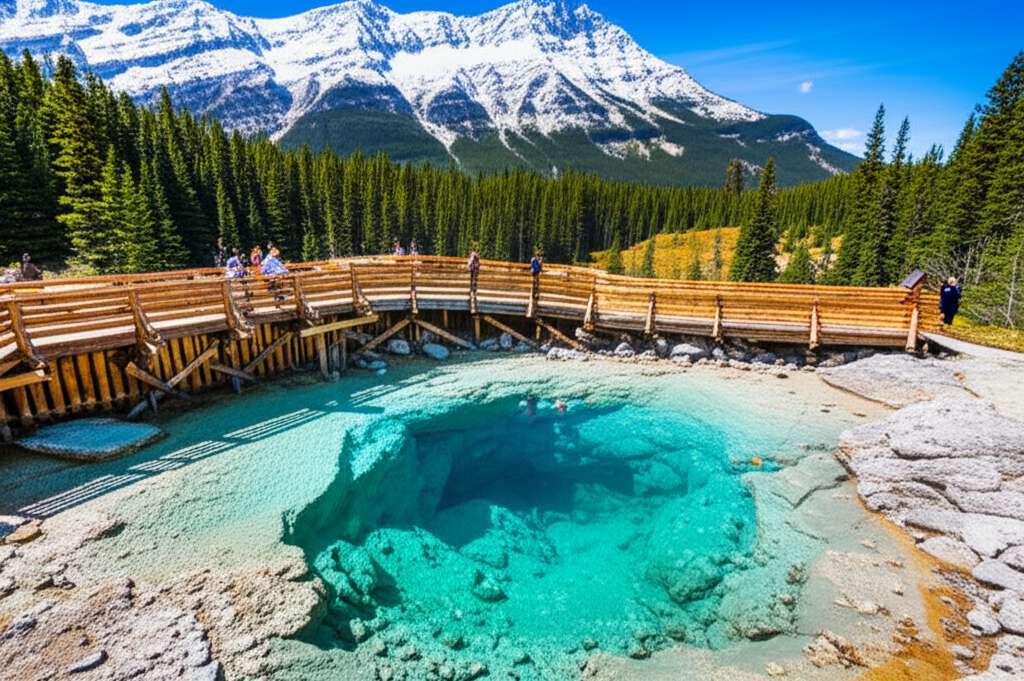
Get ready to uncover some amazing discoveries that will make your Banff adventure even more special. Let’s dive into the history!
Unearthing Banff’s Past: Why History Matters Here
Banff National Park isn’t just a playground for outdoor enthusiasts; it’s a living museum. Its history stretches back thousands of years, long before it became a national park. Indigenous peoples have called this land home for millennia, leaving behind a legacy deeply intertwined with the mountains and rivers.
Later, the arrival of the Canadian Pacific Railway in the late 1800s transformed Banff. It opened the doors to tourism and cemented its status as a world-renowned destination. Understanding this history adds a rich layer to your visit, connecting you to the people and events that shaped this magnificent place.
Your Gateway to History: Planning Your Banff Historic Site Adventure
To make the most of your exploration, a little planning goes a long way. Think about how much time you have and what kind of history interests you most – from early Indigenous life to railway expansion and the birth of tourism.
Find the Best Accommodation Deals
Compare prices from multiple booking platforms and find the best option for your stay.
Compare Hotel Prices
Many of these sites are accessible by car, while others require a short hike or a scenic drive. We’ll guide you through each one, offering tips to make your journey smooth and memorable.
Find the Best Accommodation Deals
Compare prices from multiple booking platforms and discover the best stay options available.
⭐ Trusted by thousands of travelers
💰 Budget to luxury options available
1. The Iconic Banff Springs Hotel: A Castle in the Rockies
Often called the “Castle in the Rockies,” the Fairmont Banff Springs Hotel is more than just a luxurious place to stay; it’s a historic landmark. Opened in 1888, it was built by the Canadian Pacific Railway to encourage transcontinental travel and has hosted royalty, celebrities, and adventurers for over a century.
Its grand architecture, inspired by Scottish baronial castles, instantly transports you back in time. Take a stroll through its opulent public spaces, learn about its storied past, and imagine the elegant parties and significant meetings that took place within its walls.
2. Cave and Basin National Historic Site: The Birthplace of Canada’s National Parks
This is where it all began! The Cave and Basin site is the cradle of Canada’s national parks system. In 1883, three railway workers stumbled upon natural hot springs here, leading to the designation of a small reserve that would eventually grow into Banff National Park.
Best Stay Deals Available
Compare prices across top booking platforms and find the best deal for your stay.
Check Available RoomsExplore the natural thermal mineral springs, learn about the Indigenous peoples who used these waters for centuries, and discover the early efforts to protect this unique landscape. The interpretive displays vividly tell the story of conservation and the birth of a national treasure.
3. The Whyte Museum of the Canadian Rockies: Stories of the Mountains
Nestled in the heart of Banff townsite, the Whyte Museum is an essential stop for anyone wanting to delve deeper into the region’s human history. Founded by Peter and Catharine Whyte, who were passionate about preserving Banff’s heritage, the museum houses extensive archives, art, and artifacts.
Discover exhibits on early Banff settlers, Indigenous culture, mountaineering history, and the development of tourism. It’s a wonderful place to gain context for the other historic sites you’ll visit.
4. The Banff Park Museum National Historic Site: A Natural History Treasure
Step into Canada’s oldest operating natural history museum, housed in a charming log building dating back to 1907. The Banff Park Museum was established to educate visitors about the park’s incredible biodiversity and the importance of conservation.
Inside, you’ll find a fascinating collection of preserved specimens, including mammals, birds, and insects native to the Canadian Rockies. It’s a delightful and educational experience, offering a glimpse into the park’s natural wonders through the eyes of early naturalists.
5. The Banff Indian Trading Post: A Glimpse into Cross-Cultural Exchange
Built in 1938, the Banff Indian Trading Post stands as a testament to the complex relationship between Indigenous peoples and settlers. While the name itself reflects a historical period, the building and its exhibits offer insight into the cultural exchange and trade that occurred in the region.
Today, it serves as a visitor centre and gift shop, but understanding its historical context provides a nuanced perspective on Banff’s multicultural past. It’s a place to reflect on the enduring presence and contributions of Indigenous communities.
6. The Harmon Den Heritage Ranger Station: A Wilderness Sentinel
Located along the scenic Bow Valley Parkway, the Harmon Den Heritage Ranger Station is a beautifully preserved example of early park administration buildings. Built in the 1920s, it served as a base for park wardens who patrolled and protected the vast wilderness.
Imagine wardens on horseback, venturing into remote areas to monitor wildlife and ensure visitor safety. This quiet spot offers a tangible connection to the dedication and hard work involved in managing Canada’s first national park.
7. The Lake Louise Railway Station and Victoria Glacier Viewpoint: A Gateway to Iconic Beauty
The historic Lake Louise Railway Station, built in 1910, is another architectural gem from the Canadian Pacific Railway era. This charming stone station served as the primary arrival point for visitors eager to experience the breathtaking beauty of Lake Louise and the Victoria Glacier.
Admire the station’s rustic elegance and consider the countless travelers who disembarked here, their hearts set on witnessing one of the world’s most stunning alpine landscapes. The nearby viewpoint offers a classic vista that has captivated visitors for generations.
8. The Emerald Lake Lodge: A Historic Hideaway
While technically just outside Banff National Park in Yoho National Park, Emerald Lake Lodge is an essential historic site for any visitor exploring the wider Canadian Rockies. Opened in 1902 by the Canadian Pacific Railway as a wilderness outpost, it provided a luxurious escape in a truly wild setting.
The original log structures have been carefully maintained, offering a unique opportunity to stay or dine in a place steeped in history. Its picturesque location on Emerald Lake makes it a truly unforgettable experience.
9. The Banff Townsite Walking Tour: Discovering Hidden Histories
The town of Banff itself is a treasure trove of historical architecture and stories. Embark on a self-guided walking tour to discover buildings that have witnessed Banff’s evolution from a small railway outpost to a world-class tourist destination.
Look for the historic post office, the old theatre buildings, and the charming residential areas that showcase different architectural styles from the early 20th century. Many plaques provide details about the significance of each location.
10. The Hoodoos Trail: Ancient Formations and Geological Tales
While not a built structure, the Hoodoos are a significant natural historic site. These towering sandstone pillars, sculpted by wind and water erosion over thousands of years, have fascinated visitors and Indigenous peoples for ages.
The trail leading to them offers stunning views of the Bow Valley and the unique geological formations. It’s a reminder of the ancient forces that have shaped this landscape, connecting us to a history far deeper than human settlement.
Banff’s Historic Sites at a Glance
To help you plan your itinerary, here’s a quick overview of some key historic sites and what makes them special.
| Historic Site | Year Established/Opened | Key Historical Significance | Visitor Tip |
|---|---|---|---|
| Banff Springs Hotel | 1888 | Iconic CPR hotel, symbol of early tourism | Take a guided history tour or explore the public areas. |
| Cave and Basin | 1883 (discovery) | Birthplace of Canada’s National Parks | Don’t miss the interpretive center and boardwalks. |
| Whyte Museum | Founded 1968 (building older) | Preserves Banff’s human history and art | Excellent for understanding local culture and pioneers. |
| Banff Park Museum | 1907 | Canada’s oldest natural history museum | See preserved specimens from early park days. |
| Banff Indian Trading Post | 1938 | Cultural exchange and Indigenous history | Reflect on the historical interactions. |
| Harmon Den Ranger Station | 1920s | Early park warden history | A peaceful spot to imagine life as a warden. |
| Lake Louise Station | 1910 | Historic railway gateway to Lake Louise | Admire the architecture and imagine arriving travelers. |
| Emerald Lake Lodge | 1902 | Historic CPR wilderness lodge (Yoho NP) | Consider a meal or overnight stay for a true historic experience. |
| Hoodoos Trail | Ancient geological formations | Natural history, erosion, Indigenous significance | Enjoy the hike and the unique landscape. |
Making the Most of Your Historic Exploration
Here are some practical tips to ensure your journey through Banff’s history is as enjoyable as it is informative:
Check Operating Hours: Many sites, especially museums and visitor centres, have seasonal hours. Always check the official Parks Canada website or the site’s specific website before you go.
Consider a Parks Canada Discovery Pass: If you plan to visit multiple national parks or spend significant time in Banff, a Parks Canada Discovery Pass is usually the most cost-effective option. You can purchase one online or at park gates.
Wear Comfortable Shoes: You’ll be doing a lot of walking, whether it’s through historic buildings, along museum exhibits, or on short trails.
Bring a Camera: You’ll want to capture the stunning architecture and the beautiful settings of these historic locations.
Read Up Before You Go: A little pre-trip research can enhance your appreciation. Consider reading a book or watching a documentary about Banff’s history.
Engage with Interpretive Staff: Park interpreters and museum staff are fantastic resources. Don’t hesitate to ask them questions; they can offer incredible insights.
* Respect the Environment and Heritage: Remember that these are protected sites. Stay on marked trails, do not disturb artifacts or natural features, and pack out everything you pack in.
Frequently Asked Questions About Banff’s Historic Sites
Q1: Is Banff’s history only about the railway?
A1: Not at all! While the Canadian Pacific Railway played a huge role in developing Banff as a tourist destination, the park’s history goes back thousands of years. Indigenous peoples have lived in and used this land for millennia, and their connection to the land is a vital part of Banff’s story.
Q2: How can I visit the Cave and Basin site?
A2: The Cave and Basin National Historic Site is located in the town of Banff. It’s easily accessible by car or public transit. You can explore the interpretive centre, walk the boardwalks around the springs, and learn about its historical significance. It’s a must-see for understanding the park’s origins.
Q3: Are there any historic sites accessible for people with mobility issues?
A3: Many sites offer good accessibility. The Banff Park Museum and the Whyte Museum have accessible entrances and exhibits. The Cave and Basin site has boardwalks and an interpretive centre that are generally accessible. Always check the specific accessibility information for each site on the Parks Canada website.
Q4: What is the best way to see multiple historic sites in Banff?
A4: For sites within the town of Banff, walking is a great option. For sites along the Bow Valley Parkway or Lake Louise, a car is recommended. Consider grouping sites by location to save time and maximize your exploration. A Parks Canada Discovery Pass is essential for entry into the park.
Q5: Are there any guided tours available for historic sites in Banff?
A5: Yes, Parks Canada often offers guided tours and interpretive programs, especially during the peak season. The Fairmont Banff Springs Hotel also offers historical tours. Checking the Parks Canada website or inquiring at visitor centres will give you the most up-to-date information on available tours.
Q6: What should I wear when visiting historic sites in Banff?
A6: Dress in layers, as mountain weather can change quickly. Comfortable walking shoes are a must. Even if you’re only visiting indoor sites, you’ll likely be doing a lot of walking. Bringing rain gear and sun protection is also advisable.
A Legacy Carved in Stone and Spirit
Exploring the 10 historic sites in Banff offers an incredibly rewarding experience. It’s like peeling back layers of time, revealing the human stories that are as compelling as the natural landscapes. From the grandeur of the Banff Springs Hotel to the humble beginnings at Cave and Basin, each location whispers tales of pioneers, conservationists, Indigenous heritage, and the enduring allure of the Canadian Rockies.
You’ve seen how these sites connect us to the past, from the very birth of national parks to the daily lives of those who built and lived in this magnificent region. With this guide, planning your historical adventure is straightforward and exciting, ensuring you create unforgettable memories.
So, pack your bags, grab your camera, and get ready to discover the amazing history that awaits you in Banff. Your journey through time is about to begin, and the stories you uncover will enrich your appreciation of this special corner of the world. Happy exploring!