
Discover Montana’s rich heritage at 8 amazing cultural sites, from ancient Native American landmarks to historic frontier towns. Plan your unforgettable journey through Big Sky Country’s fascinating past with this beginner-friendly guide.
Planning a trip can sometimes feel like navigating a maze, especially when you’re looking to dive into the heart of a new place. Montana, with its vast landscapes, also holds incredible stories waiting to be uncovered.
Check the latest prices and available rooms before they sell out.
You might wonder where to start to truly experience the culture and history of this unique state. It’s easy to feel overwhelmed by all the possibilities.
But don’t worry! We’re here to make it simple and exciting. This guide will walk you through 8 must-visit cultural sites in Montana.
Get ready to explore amazing discoveries that will bring Montana’s past to life!
Montana’s Cultural Tapestry: A Journey for Beginners
Montana is more than just stunning mountains and wide-open prairies; it’s a place where history whispers from ancient rocks and echoes in charming old towns. For first-time visitors, understanding Montana’s cultural landscape can feel like trying to read a map without a legend. Where do you begin to uncover the stories of the Native American tribes who have called this land home for millennia? How do you find the remnants of the Wild West that shaped the state’s identity?
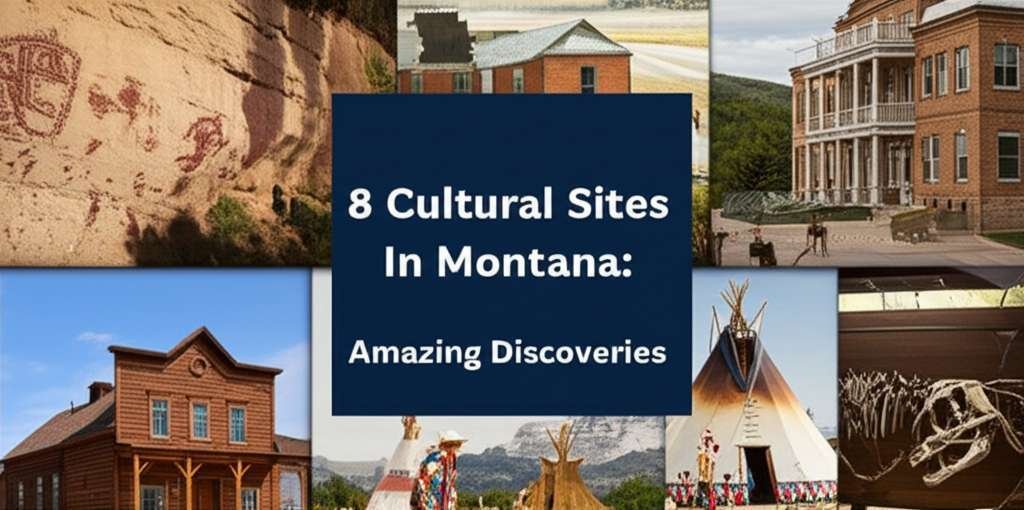
This guide is designed just for you, the curious traveler eager to explore without the stress. We’ll break down the most impactful and accessible cultural sites, making your Montana adventure easy to plan and incredibly rewarding. Think of me as your friendly travel buddy, sharing the best spots and tips to make your trip smooth and unforgettable.
We’ll explore everything from ancient petroglyphs to vibrant living history museums. Prepare to be amazed by the depth of culture Montana offers!
Find the Best Accommodation Deals
Compare prices from multiple booking platforms and find the best option for your stay.
Compare Hotel Prices8 Amazing Cultural Sites in Montana: Your Adventure Awaits
Montana’s cultural heritage is as vast and varied as its landscapes. From the deep roots of its Indigenous peoples to the rugged spirit of the frontier, there’s a story around every corner. Let’s dive into some of the most captivating cultural sites that offer a glimpse into the soul of Big Sky Country.
1. Pictograph Cave State Park: Whispers from the Past
Imagine standing where ancient artists left their mark thousands of years ago. Pictograph Cave State Park, near Billings, is home to some of the oldest rock art in Montana. These pictographs, painted in red ochre and charcoal, depict animals, humans, and abstract symbols.
Find the Best Accommodation Deals
Compare prices from multiple booking platforms and discover the best stay options available.
⭐ Trusted by thousands of travelers
💰 Budget to luxury options available
It’s a powerful reminder of the lives and beliefs of the earliest inhabitants of this region. Walking the short, paved trail to the main cave, you can almost feel the presence of those who came before. This site is a UNESCO World Heritage site, recognizing its global significance.
- Why visit? To see ancient Native American art and connect with thousands of years of history.
- Best for: All ages, history buffs, and anyone interested in ancient cultures.
- Tips: Wear comfortable shoes. The visitor center offers great context about the art and its discovery.
2. Little Bighorn Battlefield National Monument: A Pivotal Moment
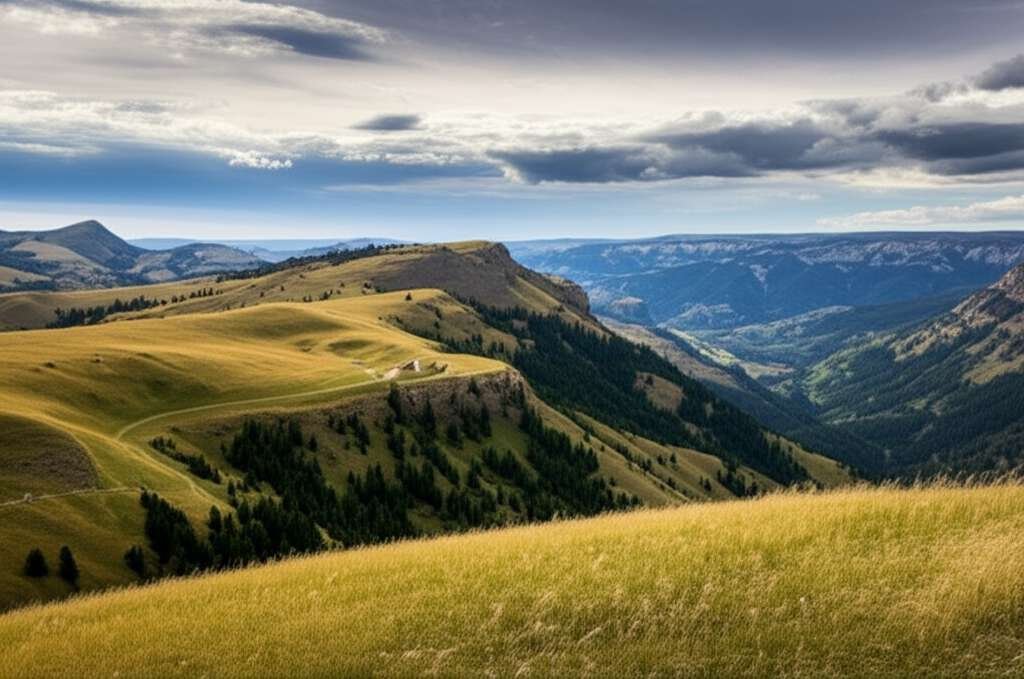
The Little Bighorn Battlefield National Monument near Crow Agency preserves the site of one of the most famous battles in American history: the Battle of the Little Bighorn. On June 25-26, 1876, Lt. Col. George Armstrong Custer and his 7th Cavalry engaged Lakota Sioux, Northern Cheyenne, and Arapaho warriors led by figures like Sitting Bull and Crazy Horse.
Best Stay Deals Available
Compare prices across top booking platforms and find the best deal for your stay.
Check Available RoomsToday, the monument offers a somber yet essential look at this pivotal event from multiple perspectives, including exhibits on Native American culture and the U.S. Army’s campaigns. You can walk the battlefield, visit the Custer National Cemetery, and learn from park rangers and interpretive signs.
External Link: For more information on the battle and its historical context, visit the National Park Service page for Little Bighorn Battlefield National Monument.
- Why visit? To understand a critical event in American history and its impact on Native American tribes.
- Best for: History enthusiasts, students, and those seeking to learn about frontier conflicts.
- Tips: Allow several hours to explore. The visitor center provides excellent orientation. Consider attending a ranger program.
3. Grant-Kohrs Ranch National Historic Site: Life on the Frontier
Step back into the era of vast cattle ranches at the Grant-Kohrs Ranch National Historic Site in Deer Lodge. This site preserves the home and ranching operations of one of the West’s most successful cattle barons, Conrad Kohrs. It offers a fascinating look at the daily lives of cowboys and ranch families in the late 19th century.
You can tour the impressive ranch house, see historic buildings, and learn about the challenges and triumphs of ranching in early Montana. The site often features living history demonstrations, bringing the past to life.
- Why visit? To experience the authentic atmosphere of a working 19th-century cattle ranch.
- Best for: Families, history lovers, and anyone curious about the cowboy way of life.
- Tips: Check the park schedule for living history events. The ranch house tour is highly recommended.
4. Museum of the Rockies: Dinosaurs and Pioneers
Located in Bozeman, the Museum of the Rockies is a treasure trove of cultural and natural history. It boasts one of the finest dinosaur fossil collections in the world, including numerous Tyrannosaurus Rex specimens. But its cultural exhibits are equally compelling.
Explore the history of Montana, from its Indigenous peoples and early settlers to the development of agriculture and industry. The museum also features extensive exhibits on regional art, photography, and the unique geology of the Yellowstone region. It’s a comprehensive look at what makes Montana special.
- Why visit? To see world-class dinosaur fossils and delve into Montana’s diverse history and culture.
- Best for: Dinosaur enthusiasts, families, students, and anyone interested in natural and cultural history.
- Tips: Plan for at least half a day. The museum is large and packed with fascinating displays.
5. First Peoples Buffalo Jump State Park: Ancient Hunting Grounds
Another incredible site offering insight into the lives of Montana’s earliest inhabitants is First Peoples Buffalo Jump State Park, near Great Falls. This park preserves a massive buffalo jump, a cliff face used by Native Americans for thousands of years to hunt bison.
By driving herds of bison over the cliff, tribes could harvest meat, hides, and bones efficiently. The park features interpretive displays explaining this ingenious hunting method and the cultural significance of the bison to Plains tribes. A hike to the top offers breathtaking views and a tangible connection to ancient traditions.
- Why visit? To learn about a vital Native American hunting strategy and its cultural importance.
- Best for: History buffs, nature lovers, and those interested in Indigenous cultures.
- Tips: The interpretive center is excellent. Wear sturdy shoes for walking the trails.
6. Montana Historical Society Museum: The State’s Story
Housed in the Montana State Capitol building in Helena, the Montana Historical Society Museum is the official repository of the state’s history. Its extensive collections cover Montana’s Indigenous heritage, the fur trade, mining booms, the development of agriculture, and the lives of everyday Montanans.
You’ll find impressive displays of Native American artifacts, Western art (including works by Charlie Russell and Frederic Remington), historical photographs, and exhibits detailing the state’s journey to statehood and beyond. It’s a comprehensive and engaging overview of Montana’s rich past.
- Why visit? To get a broad and authoritative overview of Montana’s entire history and culture.
- Best for: Anyone wanting a deep dive into Montana’s heritage, art lovers, and students.
- Tips: Admission is often free or by donation. The museum is easily accessible in downtown Helena.
7. Bannack State Park: A Ghost Town’s Echoes
Step into a genuine ghost town at Bannack State Park, Montana’s first territorial capital. Abandoned after a gold rush, Bannack is remarkably well-preserved, with over 50 structures still standing, including a hotel, schoolhouse, and assay office. It feels like stepping onto a movie set, but it’s all real history.
Wandering through the deserted streets, you can imagine the bustling life that once filled this remote settlement. The park offers a unique glimpse into the rough-and-tumble days of Montana’s early mining era. During the summer, park staff often stay in some of the buildings, adding a living history element.
- Why visit? To explore a remarkably preserved 19th-century mining town and feel the echoes of the past.
- Best for: Photographers, history enthusiasts, families, and anyone fascinated by ghost towns.
- Tips: Visit during the summer for the best chance of seeing historical interpreters. Wear walking shoes.
8. Lewis and Clark Interpretive Center: Charting the West
Located in Great Falls, the Lewis and Clark Interpretive Center brings to life the epic journey of the Corps of Discovery. This center focuses on the challenges Meriwether Lewis and William Clark faced as they navigated the Missouri River through the Great Falls region, a particularly arduous portage.
Through engaging exhibits, interactive displays, and compelling narratives, you’ll gain a deeper appreciation for their scientific observations, their interactions with Native American tribes, and their sheer determination. It’s an essential stop for understanding a foundational chapter of American exploration and Montana’s role in it.
- Why visit? To learn about the iconic Lewis and Clark Expedition and its impact on Montana.
- Best for: Students, history buffs, and anyone interested in American exploration.
- Tips: Combine your visit with the nearby Old Fort Benton, another historic river town.
Planning Your Montana Cultural Itinerary: A Simple Approach
Now that you know about these incredible sites, how do you weave them into a manageable trip? Don’t let the number of options overwhelm you! We can break this down into simple steps.
Step 1: Choose Your Focus
Are you most drawn to ancient Native American history, the Wild West, or the story of exploration? Pick one or two themes that excite you the most. This will help you decide which sites are your top priorities.
Step 2: Map Your Route
Look at where these sites are located. Many are clustered in certain areas, making it easier to visit several in one region. For example, Pictograph Cave and the Museum of the Rockies are relatively close to each other, as are the Lewis and Clark Interpretive Center and First Peoples Buffalo Jump.
Here’s a simplified look at some potential groupings:
| Region | Key Cultural Sites | Approximate Driving Time Between Sites (Examples) |
|---|---|---|
| South Central Montana | Pictograph Cave State Park, Little Bighorn Battlefield National Monument, Museum of the Rockies (Bozeman) | Billings to Little Bighorn: ~1 hour Billings to Bozeman: ~2.5 hours Little Bighorn to Bozeman: ~2 hours |
| Western Montana | Grant-Kohrs Ranch NHS, Bannack State Park | Deer Lodge to Bannack: ~1 hour |
| North Central Montana | First Peoples Buffalo Jump SP, Lewis and Clark Interpretive Center | Great Falls to Buffalo Jump: ~30 minutes |
| Central Montana | Montana Historical Society Museum (Helena) | Helena is a central hub, accessible from many areas. |
Step 3: Consider Your Pace
Don’t try to cram too much into one day. Traveling between sites can take time, and you’ll want to savor each experience. Aim for one major site per day, or perhaps two smaller ones, allowing time for spontaneous stops and relaxation.
Step 4: Book Accommodations
Look for lodging in towns near your chosen sites. Many of these locations offer charming historic hotels, comfortable motels, or cozy B&Bs. Booking in advance is always a good idea, especially during peak travel seasons.
Step 5: Pack Smart
Montana weather can change quickly. Pack layers, comfortable walking shoes, a hat, sunscreen, and a reusable water bottle. Don’t forget your camera to capture the amazing discoveries you’ll make!
Tips for Budget-Friendly Exploration
Exploring Montana’s rich culture doesn’t have to break the bank. Here are some tips to keep your travel costs down:
- Take advantage of free sites: Many state parks and national monuments have low or no entrance fees, or offer free days.
- Pack your own snacks and lunches: Save money on dining out by preparing your own meals, especially for day trips to more remote locations.
- Look for student or senior discounts: If applicable, inquire about reduced admission fees at museums and attractions.
- Travel during the shoulder seasons: Spring and fall often offer lower accommodation prices and fewer crowds than the peak summer months.
- Consider camping: Many state and national parks offer affordable camping options.
Frequently Asked Questions About Montana’s Cultural Sites
Q1: Are these sites suitable for young children?
A1: Yes, many sites like Pictograph Cave, Museum of the Rockies, and Grant-Kohrs Ranch have exhibits and activities that engage children. Bannack State Park also offers a sense of adventure that kids enjoy. Always check the specific site for age recommendations.
Q2: Do I need a special pass to visit these places?
A2: Entrance fees vary. National Parks and Monuments like Little Bighorn Battlefield typically have fees, though an America the Beautiful Pass can cover many if you plan to visit multiple federal sites. State Parks often have day-use fees. Check the official websites for the most current information.
Q3: How much time should I allocate for each site?
A3: It depends on your interest level. For a quick overview, you might spend 1-2 hours at smaller sites like Pictograph Cave or First Peoples Buffalo Jump. For larger museums or battlefields like the Museum of the Rockies or Little Bighorn, plan for at least half a day to a full day.
Q4: Are guided tours available?
A4: Many sites offer guided tours, especially during peak season. Ranger-led programs at national monuments and historical sites are often free and provide invaluable insights. Check the individual park or museum websites for schedules and availability.
Q5: Can I visit these sites year-round?
A5: Most outdoor sites like battlefields and state parks are accessible year-round, though winter conditions can limit access or activities. Museums and interpretive centers have specific operating hours and may close for holidays or during the off-season. Always verify operating hours before your visit.
Q6: What is the best way to learn about the Native American history of Montana?
A6: Sites like Pictograph Cave, First Peoples Buffalo Jump, and Little Bighorn Battlefield offer significant insights. Additionally, visiting tribal museums or cultural centers, where available, and attending cultural events (respectfully, of course) can provide deeper understanding. The Montana Historical Society also has excellent resources.
Conclusion: Your Montana Cultural Adventure Begins!
Montana is a state brimming with stories, from the ancient whispers of its first peoples to the bold narratives of frontier life and exploration. These 8 cultural sites offer a gateway to understanding the heart and soul of Big Sky Country.
Whether you’re tracing the steps of Lewis and Clark, marveling at prehistoric art, or walking the streets of a ghost town, each destination promises an unforgettable discovery. You’ve got the roadmap now – a simple, actionable plan to explore these incredible places with confidence and excitement.
So, pack your curiosity and your sense of adventure. Montana’s rich cultural tapestry is waiting for you to explore. Start planning your journey today and prepare to be amazed!