
Discover the hidden underground wonders of Nebraska! This guide reveals 5 amazing caves, perfect for beginners seeking unique adventures, offering stunning geological formations and fascinating history without the overwhelm.
Nebraska might be known for its wide-open prairies, but did you know it also hides incredible underground secrets? Exploring caves can feel a bit daunting, especially if it’s your first time. You might wonder where to start or if you even have the right gear.
Check the latest prices and available rooms before they sell out.
Don’t worry, planning a cave adventure in Nebraska is simpler than you think! We’ll guide you through some of the most spectacular subterranean spots, making your trip exciting and totally stress-free.
Get ready to uncover the amazing discoveries waiting beneath the surface in the Cornhusker State!
Unearthing Nebraska’s Subterranean Treasures
When you think of Nebraska, images of golden cornfields and vast plains likely come to mind. However, beneath this iconic landscape lies a world of geological marvels and hidden history. These are Nebraska’s caves, offering a unique adventure for those looking to explore beyond the usual tourist trails.
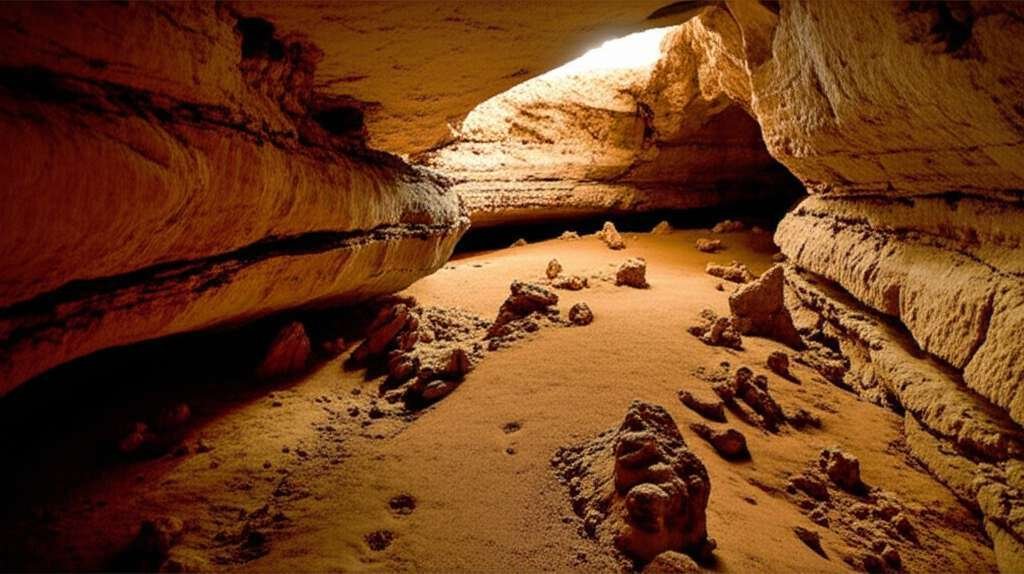
For beginners, the idea of spelunking might sound intimidating. You might picture dark, narrow passages and complex navigation. But the truth is, many of Nebraska’s caves are accessible and offer incredible sights without requiring advanced caving skills.
This guide is designed to make your exploration easy and fun. We’ll introduce you to five of the most amazing caves in Nebraska, highlighting what makes each one special. You’ll find practical tips and inspiring details to help you plan your underground journey with confidence.
Let’s dig into the incredible world of Nebraska’s caves!
Find the Best Accommodation Deals
Compare prices from multiple booking platforms and find the best option for your stay.
Compare Hotel Prices5 Caves In Nebraska: Amazing Discoveries
Nebraska’s geology is full of surprises, and its caves are no exception. From ancient formations to unique ecosystems, these underground spaces offer a glimpse into a different side of the state. Here are five incredible caves in Nebraska that promise an unforgettable adventure for beginners.
1. Schramm Park State Recreation Area Caves (The “Grottoes”)
Located near Gretna, Nebraska, Schramm Park is a fantastic spot for a gentle introduction to cave exploration. While not massive caverns, the “Grottoes” here are easily accessible, carved into the bluffs along the Platte River. These are more like natural alcoves and small caves, perfect for a family outing or a relaxed nature walk.
Find the Best Accommodation Deals
Compare prices from multiple booking platforms and discover the best stay options available.
⭐ Trusted by thousands of travelers
💰 Budget to luxury options available
The area itself is beautiful, offering hiking trails, a fish hatchery, and opportunities for picnicking. The caves provide a cool respite on a warm day and a sense of discovery without any serious spelunking required. They are a great place to introduce children to the concept of caves and natural erosion.
What makes them amazing:
Easy Accessibility: Short, well-maintained trails lead to the cave entrances.
Family-Friendly: Safe for all ages with minimal physical demands.
Scenic Surroundings: Beautiful park setting along the Platte River.
Geological Interest: See how water has shaped the loess bluffs over time.
Best Stay Deals Available
Compare prices across top booking platforms and find the best deal for your stay.
Check Available Rooms2. Toadstool Geologic Park Caves
Toadstool Geologic Park, near the Nebraska National Forest in the northwest corner of the state, is a geologist’s dream. While it’s famous for its striking badlands formations resembling giant toadstools, it also features small caves and overhangs carved by wind and water erosion. These aren’t deep, complex cave systems but rather fascinating geological features that feel like miniature caves.
Exploring Toadstool is like stepping onto another planet. The unique rock formations are a photographer’s delight, and the small cave-like formations offer a sense of adventure. It’s a place where you can wander, explore, and marvel at the power of nature over millennia.
What makes them amazing:
Unique Landscapes: Otherworldly rock formations and colorful strata.
Sense of Exploration: Discovering small, natural alcoves and overhangs.
Educational Opportunity: Learn about erosion and geological history.
Stunning Vistas: Incredible views of the surrounding badlands.
3. Agate Fossil Beds National Monument Caves (Paleontological Significance)
Agate Fossil Beds, situated in western Nebraska, is renowned for its incredibly rich paleontological history. While you won’t find vast cave systems to explore, the monument preserves fossil sites where ancient mammals roamed millions of years ago. Some of the dig sites and exposed rock faces can give the impression of small caves or sheltered areas where fossils are found.
The real “discovery” here is the ancient life preserved in the rock. Guided tours and exhibits at the visitor center bring this prehistoric world to life. You can learn about the creatures that inhabited this area and understand how geological processes, including erosion that created sheltered spots, helped preserve these precious fossils.
What makes them amazing:
World-Class Fossils: Discover evidence of ancient life from the Miocene epoch.
Historical Significance: Learn about early mammal evolution.
Visitor Center & Exhibits: Comprehensive information about the site’s geology and paleontology.
Interpretive Trails: Walk through the landscape where fossils are found.
4. Indian Cave State Park
Indian Cave State Park, located in southeastern Nebraska along the Missouri River, is home to a much more substantial and historically significant cave. Indian Cave itself is a large sandstone cave that served as a shelter for Native Americans for centuries. It’s one of the largest known caves in the state and offers a glimpse into the past.
The cave is accessible via a trail within the park. Inside, you can see pictographs (rock paintings) that offer a direct connection to the people who used this space long ago. The park also offers camping, hiking, and beautiful river views, making it a great destination for a weekend getaway.
What makes it amazing:
Historical Pictographs: See ancient Native American rock art.
Substantial Cave Size: One of Nebraska’s largest natural caves.
Rich History: Used as a shelter by indigenous peoples for generations.
Beautiful Park Setting: Missouri River bluffs, hiking trails, and camping.
5. Wind Cave National Park (South Dakota, but a nearby adventure!)
While technically just across the border in South Dakota, Wind Cave National Park is a truly spectacular and accessible cave system that is a must-mention for anyone exploring the Nebraska region. It’s one of the longest and most complex caves in the world, known for its boxwork calcite formations and its natural “wind” that blows in and out of the cave’s many entrances.
Wind Cave offers several guided tours suitable for beginners, ranging from easy walking tours to more adventurous options. The sheer scale and beauty of the formations, like the delicate boxwork and frostwork, are breathtaking. It’s an experience that truly showcases the wonders of subterranean geology.
What makes it amazing:
World-Renowned Formations: Unique boxwork, frostwork, and other calcite features.
Natural Airflow: Experience the cave’s namesake “wind.”
Variety of Tours: Options for all fitness levels and interests.
National Park Experience: Well-maintained facilities and expert guides.
Planning Your Nebraska Cave Adventure: Tips for Beginners
Ready to explore? Planning your trip to these Nebraska caves doesn’t have to be complicated. Here are some tips to ensure a smooth and enjoyable experience, especially for first-time cave explorers.
Before You Go: Essential Preparations
Check Park Status and Hours: Always visit the official website of the state or national park you plan to visit. This ensures you have the most up-to-date information on opening hours, trail conditions, tour availability, and any potential closures.
Book Tours in Advance: For popular caves like Wind Cave, booking guided tours ahead of time is highly recommended, especially during peak season. This guarantees your spot and saves you potential disappointment.
Weather Check: Nebraska weather can be unpredictable. Check the forecast for the day of your visit and pack accordingly. Caves maintain a consistent temperature, but the journey to and from can be affected by outdoor conditions.
Appropriate Footwear: Comfortable, sturdy walking shoes with good traction are essential. You’ll be walking on uneven surfaces, and good grip will prevent slips. Avoid sandals or open-toed shoes.
Layers of Clothing: Cave temperatures are typically cooler than the outside air, often around 50-60°F (10-15°C) year-round. Wear layers so you can adjust your comfort. A light jacket or sweatshirt is usually sufficient.
Water and Snacks: Stay hydrated, especially if you’re doing any hiking to reach the cave. Some parks have limited facilities, so bringing your own water and snacks is a good idea.
Camera (and Extra Battery): You’ll want to capture the incredible sights! Make sure your camera is fully charged or bring extra batteries. Some tours may have restrictions on flash photography, so check in advance.
What to Bring for Your Cave Exploration
Here’s a quick checklist to make sure you don’t forget anything important:
Sturdy, closed-toe shoes
Light jacket or sweatshirt
Water bottle
Snacks
Camera
Small backpack to carry essentials
Sunscreen and hat (for the hike to the cave entrance)
Insect repellent (especially for areas around park entrances)
During Your Visit: Cave Etiquette and Safety
Stay on Marked Trails: This is crucial for your safety and the preservation of the cave environment. Wandering off can lead to dangerous situations or damage delicate formations.
Do Not Touch Formations: Cave formations are fragile and can be damaged by the oils on human skin. Touching them can stop their growth and alter their appearance for centuries.
Listen to Your Guide: If you’re on a guided tour, pay close attention to the guide’s instructions and information. They are there to ensure your safety and enhance your experience.
Be Mindful of Others: Caves can be enclosed spaces. Be considerate of other visitors and keep noise levels down.
No Food or Drink (inside most caves): To protect the cave environment, consuming food or drinks is usually prohibited inside the cave itself.
Understanding Cave Formations and Geology
Nebraska’s caves, even the smaller ones, are fascinating examples of geological processes. Understanding a bit about how they form can enhance your appreciation.
Karst Topography and Dissolution
Many caves, especially those formed in limestone or dolomite, are created through a process called dissolution. This is common in areas with karst topography.
Rainwater’s Role: Rainwater absorbs carbon dioxide from the atmosphere and soil, becoming slightly acidic.
Dissolving Rock: As this acidic water seeps through cracks in soluble rocks like limestone, it slowly dissolves the rock, widening the cracks over thousands or millions of years.
Cave Formation: Eventually, these widened passages can form extensive cave systems.
While Nebraska doesn’t have vast limestone cave systems like some other states, the loess bluffs and sandstone formations in areas like Toadstool and Indian Cave show how water and wind erosion can sculpt the land to create cave-like features and overhangs.
Other Geological Processes
Erosion: Wind and water erosion are responsible for shaping many of the smaller caves and rock shelters in Nebraska. This is evident in the badlands formations of Toadstool Geologic Park.
Fossil Preservation: In places like Agate Fossil Beds, the geological layers and the way they are exposed by erosion play a key role in preserving ancient fossils. The “caves” or overhangs here are often the result of differential erosion, where softer rock erodes away faster than harder layers, leaving behind interesting shapes and protecting embedded fossils.
Exploring Specific Cave Types in Nebraska
Nebraska’s caves aren’t a single, uniform type. They vary significantly in their formation, size, and what they offer visitors.
Rock Shelters and Alcoves
These are the most common “cave-like” features in many parts of Nebraska. They are essentially shallow overhangs or indentations in rock faces, often formed by erosion.
Examples: Schramm Park Grottoes, formations at Toadstool Geologic Park.
Beginner-Friendly: Very easy to access, often just a short walk from parking areas.
What to Expect: Offers a cool spot, a sense of being in a natural shelter, and opportunities to observe rock textures and weathering.
Sandstone Caves
Indian Cave State Park features a cave formed within sandstone. These caves are shaped by water seeping through and eroding the softer sandstone layers.
Example: Indian Cave State Park.
Beginner-Friendly: Accessible via a trail, though can be a moderate hike.
What to Expect: A larger, more defined cave space with historical significance (pictographs).
Fossil Caves (Preservation Sites)
While not caves in the traditional sense of being open for exploration, sites like Agate Fossil Beds preserve ancient landscapes where fossilized creatures are found. The geological formations create sheltered areas.
Example: Agate Fossil Beds National Monument.
Beginner-Friendly: Primarily visitor center and interpretive trails; direct fossil site access is controlled.
What to Expect: Learning about prehistoric life and the geological processes that preserved it.
Nearby Mammoth Caves (for the Ambitious Beginner)
For those willing to travel a bit further, Wind Cave National Park in South Dakota offers a world-class caving experience that is highly accessible for beginners.
Example: Wind Cave National Park.
Beginner-Friendly: Multiple guided tour options specifically designed for novice cavers.
* What to Expect: Impressive calcite formations, large chambers, and a truly memorable underground adventure.
A Table of Nebraska’s Cave Highlights
Here’s a quick comparison to help you choose your next adventure:
| Cave/Park Name | Location (Nearest Town) | Primary Feature(s) | Best For | Accessibility | Notes |
| :——————————— | :————————— | :—————————————————— | :—————————————————- | :—————- | :————————————————— |
| Schramm Park Grottoes | Gretna | Small rock shelters, bluffs | Families, short nature walks | Easy | Part of a larger park with amenities. |
| Toadstool Geologic Park | Hemingford | Badlands formations, small overhangs | Geology enthusiasts, photographers, mild adventure | Moderate hike | Remote location, unique landscape. |
| Agate Fossil Beds National Monument | Harrison | Fossil beds, exposed geological strata | Paleontology buffs, history lovers | Visitor Center/Trails | Focus on fossils and ancient life. |
| Indian Cave State Park | Tecumseh | Large sandstone cave with pictographs | History, natural history, moderate hiking | Moderate hike | Significant Native American historical site. |
| Wind Cave National Park (SD) | Hot Springs, SD (near NE border) | Boxwork, frostwork, complex cave system | Serious cave exploration, stunning formations | Guided Tours | World-class cave, requires travel into South Dakota. |
Frequently Asked Questions About Nebraska Caves
Here are some common questions beginners might have about exploring caves in Nebraska.
Q1: Are Nebraska caves safe for beginners?
A1: Yes, many of Nebraska’s cave-like features and accessible caves are very safe for beginners. Places like Schramm Park and the trails at Toadstool Geologic Park offer easy exploration. For more structured cave experiences, guided tours at places like Wind Cave National Park are specifically designed for beginners and led by trained professionals. Always check the specific park’s recommendations and safety guidelines.
Q2: What is the best time of year to visit Nebraska caves?
A2: The best time to visit generally depends on the outdoor weather and the specific park. Spring and fall often offer pleasant temperatures for hiking to cave entrances. Summer can be hot, making the cool interior of caves very appealing, but be prepared for the heat on the trails. Winter visits are possible but may depend on snow and ice conditions, and some parks might have reduced hours. Always check park conditions before you go.
Q3: Do I need special equipment to explore Nebraska caves?
A3: For most beginner-friendly sites in Nebraska, you do not need specialized caving equipment. Comfortable walking shoes, a light jacket, and a flashlight or headlamp (especially if exploring smaller, unlit areas like the Grottoes) are usually sufficient. For guided tours at places like Wind Cave, all necessary safety equipment is provided by the park service.
Q4: Can I explore caves on my own without a guide?
A4: For many of the smaller rock shelters and overhangs in Nebraska’s state parks and natural areas, independent exploration is common and encouraged via marked trails. However, for larger or more complex cave systems like Wind Cave National Park, guided tours are mandatory for safety and preservation reasons. Always adhere to park rules regarding guided versus unguided access.
Q5: What should I do if I see wildlife in a cave?
A5: It’s important to respect wildlife and give them plenty of space. Many caves are home to bats, insects, and other small creatures. Observe them from a distance without disturbing them. Never try to touch or feed wildlife. If you encounter larger animals, calmly and quietly back away and alert park staff if necessary.
Q6: Are there any caves in Nebraska that are completely undeveloped?
A6: While Nebraska has many natural formations, most of the easily accessible “caves” are either within state or national parks with marked trails or are small, erosional features. Truly undeveloped caves can be more challenging to find and may require advanced caving knowledge and permits. For beginners, sticking to managed parks and sites is the safest and most rewarding approach.
Q7: How can I find more information about specific caves in Nebraska?
A7: The best resources are the official websites for Nebraska State Parks and the Nebraska Game and Parks Commission. For Wind Cave National Park, visit the National Park Service website. These sites provide details on locations, accessibility, fees, tour information, and any specific regulations for each area.
Conclusion: Your Nebraska Underground Adventure Awaits!
Nebraska’s caves offer a unique and accessible way to add an element of wonder to your travels. From the historical depths of Indian Cave to the geological marvels of Toadstool Park, and the incredible fossil discoveries at Agate Fossil Beds, there’s something to spark curiosity for every beginner explorer.
Even if you venture just across the border to Wind Cave National Park, you’ll find a world-class experience that’s perfectly suited for those new to cave exploration. Remember to plan ahead, pack smart, and always respect the natural environment.
So, step off the beaten path and discover the hidden beauty beneath Nebraska’s surface. These amazing discoveries are waiting for you to explore, offering a memorable adventure that’s both exciting and incredibly rewarding. Happy caving!