
The best time to visit Dallas is generally during the spring (March to May) and fall (September to November). These seasons offer pleasant temperatures, lower humidity, and a good balance of sunshine and mild weather, perfect for exploring all the city has to offer without extreme heat or cold.
Planning a trip to a new city can feel like a puzzle, especially when you’re wondering about the perfect weather. You want to see the sights, enjoy outdoor activities, and simply feel comfortable, not sweltering or shivering!
Check the latest prices and available rooms before they sell out.
Dallas, Texas, is a vibrant city with so much to explore, from its lively arts scene to delicious food. But when is the weather just right?
Don’t worry, I’m here to help make your USA trip planning simple and exciting. We’ll break down the best times to visit Dallas so you can focus on making amazing memories.
Get ready to discover when Dallas truly shines!
Understanding Dallas’s Climate
Dallas experiences a humid subtropical climate, which means it has hot summers and mild winters. Knowing this helps us figure out the sweet spots for visiting. The city is part of the Blackland Prairies region, which contributes to its generally warm weather.
The weather can change throughout the year, bringing distinct seasons. Each season has its own charm and challenges for visitors. Understanding these patterns is key to picking your ideal travel dates.
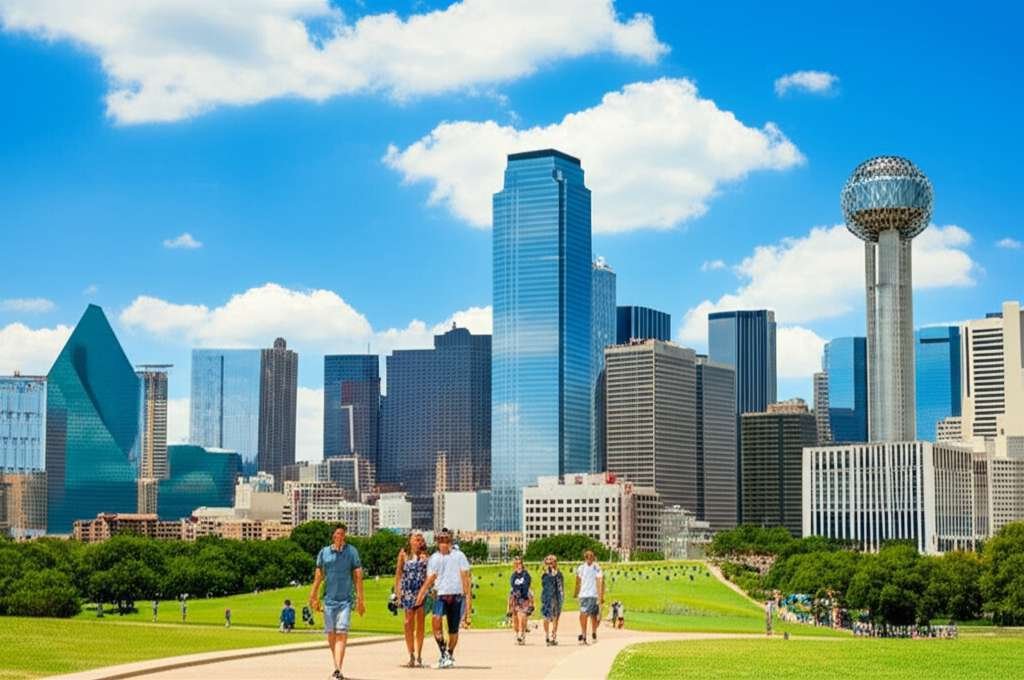
Let’s dive into what each season brings to the Dallas experience.
Find the Best Accommodation Deals
Compare prices from multiple booking platforms and find the best option for your stay.
Compare Hotel PricesSummer in Dallas: The Heat is On!
Summer in Dallas, typically from June through August, is characterized by significant heat and humidity. Daily temperatures often climb into the high 90s Fahrenheit (around 35-37°C), and sometimes even exceed 100°F (38°C).
The high humidity can make the heat feel even more intense. Outdoor activities might require careful planning, like scheduling them for early mornings or late evenings. Staying hydrated and seeking air-conditioned attractions during the hottest parts of the day is essential.
Find the Best Accommodation Deals
Compare prices from multiple booking platforms and discover the best stay options available.
⭐ Trusted by thousands of travelers
💰 Budget to luxury options available
Despite the heat, summer in Dallas can still be enjoyable if you’re prepared. Many attractions are indoors, and there are always opportunities to cool off.
Fall in Dallas: A Breath of Fresh Air
Fall, from September to November, is often considered one of the most beautiful times to visit Dallas. The scorching summer heat begins to subside, and temperatures become much more comfortable.
You can expect average high temperatures in the 70s and 80s Fahrenheit (21-29°C) in September, gradually cooling down into the 60s and 70s Fahrenheit (15-21°C) by November. Humidity also tends to decrease, making outdoor exploration a delight.
Best Stay Deals Available
Compare prices across top booking platforms and find the best deal for your stay.
Check Available RoomsThis season is perfect for enjoying Dallas’s many parks, outdoor dining, and events without feeling overwhelmed by the heat. The fall foliage can also add a lovely touch to the city’s landscapes.
Winter in Dallas: Mild and Mellow
Winter in Dallas, from December to February, is generally mild compared to many other parts of the United States. Snow is rare, though occasional light dustings can occur.
Average high temperatures usually range from the 50s to low 60s Fahrenheit (10-17°C). You’ll experience cooler evenings and mornings, often dipping into the 30s and 40s Fahrenheit (3-9°C).
While it’s cooler, winter is a great time to visit if you prefer avoiding crowds and enjoy indoor attractions like museums and theaters. It’s also a good time for budget-conscious travelers as prices for flights and accommodation can be lower.
Spring in Dallas: Blooming Beauty
Spring in Dallas, from March to May, is another prime time for visitors. Similar to fall, the weather is exceptionally pleasant, with temperatures warming up from winter lows.
March can still have some cooler days, but by April and May, you’ll see average highs in the 70s and 80s Fahrenheit (21-29°C). The city comes alive with blooming flowers and lush greenery, making it visually stunning.
This season is ideal for exploring everything Dallas has to offer outdoors, from the Dallas Arboretum and Botanical Garden to strolling through neighborhoods.
Comparing the Seasons: A Quick Look
To help you visualize, here’s a table comparing the general conditions across the seasons in Dallas. This can make choosing your perfect travel window a bit easier!
| Season | Months | Average High Temp (°F) | Average Low Temp (°F) | Humidity Level | Pros | Cons |
|---|---|---|---|---|---|---|
| Spring | March – May | 70s – 80s | 40s – 60s | Moderate | Pleasant temps, blooming nature, fewer crowds than summer, great for outdoors. | Occasional spring showers, can get warm by late May. |
| Summer | June – August | 90s – 100s+ | 70s – 80s | High | Longer daylight hours, vibrant city life, many indoor options. | Extreme heat and humidity, outdoor activities challenging. |
| Fall | September – November | 60s – 80s | 40s – 60s | Moderate to Low | Comfortable temps, beautiful foliage, ideal for outdoor exploration, less crowded than summer. | Can have unpredictable weather in late November. |
| Winter | December – February | 50s – 60s | 30s – 40s | Low | Mild temperatures, fewest crowds, potentially lower prices, good for indoor attractions. | Colder evenings, possibility of rare frost or ice. |
Why Spring and Fall Reign Supreme for Dallas Visitors
So, what makes spring and fall the top contenders for the “best time to visit Dallas”? It all boils down to the weather and the overall visitor experience.
These shoulder seasons offer that perfect Goldilocks zone: not too hot, not too cold. This means you can comfortably spend your days exploring the Dallas Arts District, visiting the Sixth Floor Museum, or enjoying a stroll through Klyde Warren Park.
Plus, you’ll often find fewer crowds compared to the peak summer months, and sometimes even better deals on flights and accommodation.
Spring: A Symphony of Blooms and Blue Skies
The period from March through May is a visual treat in Dallas. The city shakes off winter’s chill, and nature puts on a spectacular show. The Dallas Arboretum and Botanical Garden is a must-visit during spring, showcasing vibrant floral displays.
Temperatures gradually rise, making it ideal for outdoor dining in areas like Bishop Arts District or exploring the Dallas Farmers Market. You can enjoy long walks without the oppressive heat that summer brings.
A word of caution: spring can sometimes bring unpredictable weather, including thunderstorms. However, these are usually brief and pass, leaving behind fresh, clean air and sunny skies.
Fall: Crisp Air and Colorful Charms
As the summer heat fades, Dallas transitions into a delightful fall season. From September to November, the air becomes crisp and refreshing, perfect for experiencing all the city has to offer.
Imagine exploring Pioneer Plaza or enjoying an outdoor concert with a comfortable breeze. The humidity drops, making even active days more enjoyable. The autumn colors, while perhaps not as dramatic as in some northern states, add a subtle beauty to the city’s parks and tree-lined streets.
This is a fantastic time for festivals and events, as the weather cooperates beautifully. It’s easy to see why so many choose fall for their Dallas adventure.
When to Consider Visiting Dallas for Specific Interests
While spring and fall are generally ideal, your personal interests might sway your decision. Here’s how different seasons align with various travel styles:
For the Budget Traveler
If you’re looking to save money, consider visiting Dallas during the winter months (December to February), excluding the holiday season itself. You’ll often find lower prices on flights and hotels as it’s considered the off-season.
The cooler weather means fewer tourists, leading to potential deals and a more relaxed experience. You can enjoy the city’s world-class museums, restaurants, and shopping without the peak season rush and prices.
For the Heat Seeker or Summer Enthusiast
If you thrive in warmer weather or are planning a trip around specific summer events, then June, July, and August are your months. Just be prepared for the heat and humidity!
Plan your days with air-conditioned activities in mind. Think museums like the Perot Museum of Nature and Science, exploring the Dallas World Aquarium, or catching a show in the Arts District. Evenings are often more pleasant for outdoor dining or exploring.
For the Outdoor Explorer and Nature Lover
For those who want to spend most of their time outdoors, spring (April-May) and fall (September-October) are undeniably the best. The mild temperatures and lower humidity make activities like biking along the Trinity River trails or exploring the many city parks incredibly enjoyable.
The blooming flowers in spring and the crisp air in fall enhance the natural beauty of the region.
For the Culture Vulture and Event Goer
Dallas has a robust cultural calendar year-round. However, spring and fall often host a higher concentration of outdoor festivals, concerts, and art walks, taking advantage of the pleasant weather.
Check local event listings closer to your travel dates. For example, if you’re interested in specific sporting events or holiday markets, that might influence your timing.
Tips for Planning Your Trip to Dallas
No matter when you decide to visit, a little planning goes a long way to ensure a smooth and enjoyable trip. Here are some practical tips to help you make the most of your Dallas adventure:
Booking Flights and Accommodation
Book in Advance: Especially if you’re traveling during popular spring or fall months, booking flights and hotels a few months ahead can secure better prices and availability.
Consider Location: Dallas is a sprawling city. Think about where you want to stay based on your interests. Downtown offers easy access to the Arts District and business areas, while areas like Uptown or Bishop Arts provide a more trendy or bohemian vibe.
Flexibility: If your dates are flexible, try searching for flights on different days of the week. Mid-week travel is often cheaper.
Packing Smart for Dallas Weather
Layer Up: Even in warmer months, evenings can cool down slightly. Packing layers allows you to adjust to changing temperatures throughout the day.
Sun Protection: Dallas gets plenty of sunshine. Bring sunscreen, a hat, and sunglasses, especially if you plan on spending time outdoors.
Comfortable Shoes: You’ll likely be doing a lot of walking, so comfortable footwear is a must.
Rain Gear: Especially in spring, be prepared for occasional rain showers. A light, packable umbrella or rain jacket is a good idea.
Getting Around Dallas
Dallas is a car-centric city, but you do have options:
Rental Car: This offers the most flexibility for exploring at your own pace, especially if you plan on visiting areas outside the immediate downtown core.
Rideshares: Services like Uber and Lyft are readily available and can be a convenient option for getting between popular neighborhoods.
Public Transportation: Dallas has a public transportation system, including the DART (Dallas Area Rapid Transit) light rail and bus network. The light rail can be useful for connecting key areas like the airport, downtown, and the entertainment district.
What to See and Do in Dallas: A Seasonal Sneak Peek
Dallas is brimming with attractions, and the best time to enjoy them can depend on the weather.
Spring Highlights (March-May)
Dallas Arboretum and Botanical Garden: Experience the full bloom of spring flowers.
Klyde Warren Park: Enjoy picnics and outdoor activities on this deck park built over a freeway.
Outdoor Concerts and Festivals: Many local events take place during this pleasant weather.
Summer Activities (June-August)
Perot Museum of Nature and Science: Perfect for escaping the heat with interactive exhibits.
Dallas World Aquarium: An indoor marvel to explore marine and terrestrial life.
Arts District: Enjoy world-class museums like the Dallas Museum of Art and the Nasher Sculpture Center in air-conditioned comfort.
Rooftop Bars: Experience the city views in the cooler evenings.
Fall Favorites (September-November)
State Fair of Texas: Typically held in late September and early October, it’s a quintessential Texas experience.
Bishop Arts District: Wander through unique shops and eateries with comfortable temperatures.
Trinity River Trails: Enjoy biking or walking with pleasant weather.
Winter Wonders (December-February)
Holiday Lights and Events: Dallas sparkles during the festive season.
Museum Hopping: Explore the numerous museums without the crowds.
* Cozy Restaurants and Cafes: Enjoy the local culinary scene.
Frequently Asked Questions About Visiting Dallas
Here are answers to some common questions beginner travelers might have about planning a trip to Dallas.
What is the absolute worst time to visit Dallas?
The absolute worst time to visit Dallas is generally during the peak of summer, from June to August. The extreme heat and high humidity can make outdoor sightseeing uncomfortable and even hazardous if you’re not prepared.
Is Dallas very humid?
Yes, Dallas experiences significant humidity, especially during the summer months. This is a characteristic of its humid subtropical climate. Humidity levels tend to be lower in the fall and winter.
Can you visit Dallas in the winter?
Absolutely! Winter in Dallas is quite mild. While it can get chilly, especially in the mornings and evenings, daytime temperatures are often pleasant enough for exploring. It’s a great time to visit if you prefer fewer crowds and potentially lower prices.
What are the best free things to do in Dallas?
There are many free activities! You can explore Klyde Warren Park, stroll through the Dallas Arts District, visit the Pioneer Plaza cattle drive sculptures, walk or bike the Trinity River Trails, and enjoy window shopping in areas like Bishop Arts.
How many days do you need to see Dallas?
For a good overview, 3-4 days is usually sufficient for a first-time visitor to see the main attractions. If you want to delve deeper into specific neighborhoods, museums, or take day trips, consider 5-7 days.
Is Dallas safe for tourists?
Like any major city, Dallas has areas that are safer than others. It’s important to be aware of your surroundings, especially at night, and stick to well-trafficked areas. Most tourist areas are generally safe, and standard travel precautions apply. For more information on city safety, you can consult resources like the official City of Dallas website or local police department advisories.
What is the best way to get around Dallas if I don’t have a car?
You can get around Dallas using a combination of rideshare services (Uber/Lyft) and the DART public transportation system. The DART light rail connects major points like the airport, downtown, and the entertainment districts, making it a viable option for many visitors.
Conclusion: Your Perfect Dallas Getaway Awaits!
Dallas is a city that offers a fantastic experience no matter when you choose to visit, but understanding the nuances of its climate can help you plan the most comfortable and enjoyable trip.
For those who cherish pleasant weather, vibrant outdoor activities, and fewer crowds, the spring (March to May) and fall (September to November) are your golden tickets. These seasons provide the perfect backdrop for exploring everything from the city’s green spaces and arts districts to its culinary delights.
If budget is your main concern, winter offers a charming, less-crowded alternative. And if you’re a true heat enthusiast, summer can still be a blast with strategic planning.
No matter your preference, Dallas is ready to welcome you with open arms and a wealth of experiences. So, take this guide, pick your perfect time, and get ready to discover the magic of Dallas! Your adventure in the Lone Star State is just a booking away. Happy travels!