
The best time to visit Texas Hill Country is spring (March-May) or fall (September-November) for pleasant weather, vibrant wildflowers or stunning foliage, and fewer crowds. These seasons offer ideal temperatures for outdoor activities and enjoying the region’s natural beauty and charming towns.
Planning a trip to a new place can feel a little daunting, right?
Check the latest prices and available rooms before they sell out.
You want to experience all the best parts, but you’re not sure when to go. The Texas Hill Country is full of amazing sights and activities, from rolling hills to historic towns and delicious food.
But when is the absolute perfect time to pack your bags and head out there? Don’t worry, I’ve got you covered!
We’ll break down the seasons so you can easily pick the ideal time for your adventure. Get ready to discover your perfect Texas Hill Country getaway!
Understanding the Seasons in Texas Hill Country
Texas Hill Country experiences distinct seasons, each with its own charm and set of weather conditions. Understanding these differences is key to planning a trip that aligns with your preferences for activities, scenery, and comfort.
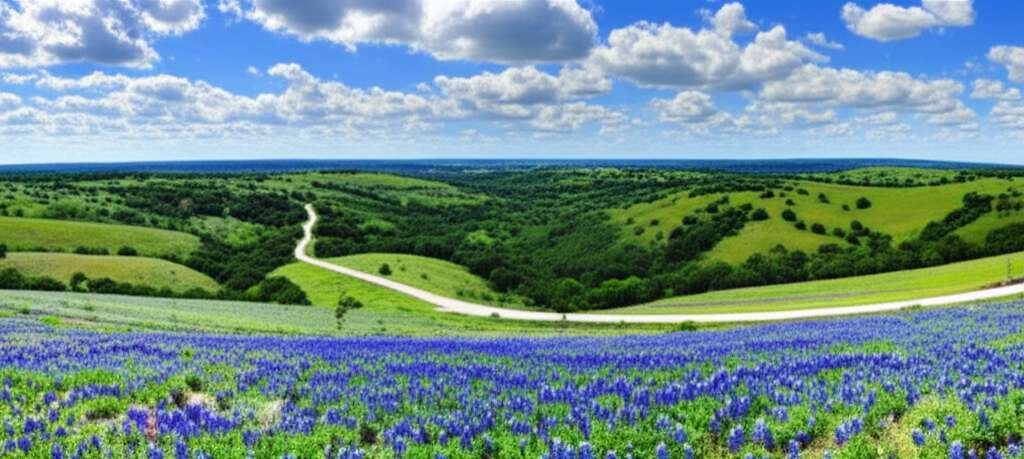
Think of it like choosing the right outfit for a day out – you want to be prepared for what nature has in store!
We’ll explore what makes each season special, from the blooming landscapes of spring to the cozy atmosphere of fall and the unique offerings of summer and winter.
Find the Best Accommodation Deals
Compare prices from multiple booking platforms and find the best option for your stay.
Compare Hotel PricesSpring: A Burst of Color and Pleasant Breezes
Spring in the Texas Hill Country is truly magical. The landscape awakens from its winter slumber, bursting with vibrant colors and life. It’s a favorite for many, and for good reason!
The temperatures are typically mild and inviting, making it perfect for exploring everything the region has to offer without feeling too hot or too cold.
Find the Best Accommodation Deals
Compare prices from multiple booking platforms and discover the best stay options available.
⭐ Trusted by thousands of travelers
💰 Budget to luxury options available
Why Spring Shines:
- Wildflower Season: This is the prime time for the iconic Texas wildflowers, especially the bluebonnets and Indian paintbrush. The hillsides transform into a breathtaking tapestry of color, offering incredible photo opportunities and scenic drives. The peak bloom usually occurs from late March through April, but it can vary slightly year to year depending on rainfall.
- Mild Temperatures: Average daytime temperatures usually range from the 60s to 70s Fahrenheit (15-25°C). This is incredibly comfortable for outdoor adventures like hiking, biking, visiting wineries, or simply strolling through charming small towns. Evenings can still be a bit cool, so packing layers is a good idea.
- Outdoor Activities Galore: With the pleasant weather, it’s the perfect season for exploring the numerous state parks, Guadalupe River for tubing (though the water might still be cool), and enjoying the patios at local restaurants and breweries.
- Festivals and Events: Many local towns host spring festivals celebrating everything from wildflowers and music to BBQ and local crafts. These events add an extra layer of fun and cultural immersion to your trip.
Things to Keep in Mind for Spring:
- Popularity: Because it’s so beautiful, spring, especially during wildflower season and spring break, can be quite busy. Book accommodations and popular tours in advance.
- Rainfall: While rain helps the wildflowers bloom, it can also lead to occasional heavy showers. Always check the weather forecast before you go and be prepared for some damp days.
- Wind: The “windy” part of Texas can be quite literal in the spring. It’s usually a refreshing breeze, but it can sometimes feel stronger.
Fall: Crisp Air and Autumnal Hues
As the summer heat begins to fade, the Texas Hill Country transforms into a cozy autumn paradise. Fall offers a different kind of beauty, with cooler temperatures and a relaxed atmosphere.
It’s a fantastic alternative to spring, especially if you prefer slightly cooler weather and the rich colors of changing leaves.
Best Stay Deals Available
Compare prices across top booking platforms and find the best deal for your stay.
Check Available RoomsWhy Fall is a Great Choice:
- Comfortable Temperatures: Fall boasts some of the most pleasant weather of the year. Daytime highs typically range from the 70s to 80s Fahrenheit (20-29°C) in early fall, cooling down into the 60s and 70s (15-25°C) as the season progresses. This is ideal for all sorts of outdoor exploration.
- Autumn Foliage: While not as dramatic as in some other parts of the country, the Hill Country does offer beautiful fall colors. Look for reds, oranges, and yellows on trees like the Montezuma cypress, bald cypress, and various oaks, especially in the canyons and along riverbanks. The peak foliage usually happens in November.
- Harvest Season: Many wineries celebrate their harvest in the fall, offering special events, wine tastings, and tours. It’s a wonderful time to experience the fruits of the region’s grape cultivation.
- Fewer Crowds (Generally): While still a popular time, fall often sees fewer crowds than the peak spring wildflower season, especially outside of major holidays like Thanksgiving. This can mean more relaxed visits to attractions and easier access to popular spots.
- Outdoor Festivals: Similar to spring, fall is a popular time for local festivals, including Oktoberfests, chili cook-offs, and harvest celebrations.
Things to Keep in Mind for Fall:
- Variability: The transition from summer to fall can be gradual. Early September can still be quite warm, while late November can bring cooler snaps.
- Foliage Timing: Predicting the exact peak of fall colors can be tricky, as it depends on weather patterns.
- Weekend Crowds: Weekends, especially around holidays or popular festivals, can still get busy.
Summer: Heat, Water Fun, and Long Days
Summer in the Texas Hill Country means heat, sunshine, and plenty of opportunities to cool off. If you don’t mind the warmth and love water activities, this season has its own unique appeal.
It’s a time for embracing the sunshine and enjoying the long, warm days to their fullest.
Summer Highlights:
- Water Activities: This is the undisputed king of water activities season! The rivers, like the Guadalupe, Comal, and Frio, are perfect for swimming, tubing, kayaking, and paddleboarding. Many towns have dedicated river outfitters to help you get set up.
- Longer Daylight Hours: The extended daylight means more time for exploring, enjoying outdoor dining, and taking in the sights well into the evening.
- Summer Festivals: Many communities host summer concerts, outdoor movie nights, and local fairs.
- Lush Greenery: After spring rains, the landscape remains lush and green, offering beautiful scenery even in the heat.
Things to Keep in Mind for Summer:
- Heat: Summers are hot and can be humid. Daytime temperatures frequently reach the 90s and can even climb into the 100s Fahrenheit (32-38°C+). Plan your outdoor activities for the cooler morning and late afternoon hours.
- Hydration is Key: Always carry and drink plenty of water. Sunscreen, hats, and light clothing are essential.
- Afternoon Thunderstorms: While often brief, intense thunderstorms are common in the summer afternoons. They can bring dramatic skies and a welcome, temporary drop in temperature.
- Crowds: Summer is a popular time for families and river enthusiasts, so expect crowds, especially on weekends and around major attractions.
Winter: Quiet Charm and Cozy Retreats
Winter in the Texas Hill Country offers a different pace, characterized by cooler temperatures and a peaceful ambiance. It’s a great time for a more relaxed, off-season visit.
If you’re looking for fewer crowds and a chance to experience the region’s charm without the hustle and bustle, winter might be your perfect fit.
Winter Advantages:
- Fewer Crowds: This is the quietest season, meaning you’ll likely encounter fewer tourists at popular spots. This allows for a more intimate experience with the towns and attractions.
- Cozy Atmosphere: The cooler weather is perfect for enjoying cozy evenings by a fire, exploring antique shops, and savoring hearty meals at local eateries.
- Lower Prices: Accommodation and sometimes even activity prices can be lower during the off-season.
- Clear Skies: Winter often brings clear, crisp days perfect for stargazing, as light pollution is minimal in many areas.
- Unique Scenery: While not covered in snow, the bare trees can offer a different perspective on the rolling hills, and you might even catch a glimpse of winter wildflowers in warmer spells.
Things to Keep in Mind for Winter:
- Cold Weather: While not extreme, winter can bring chilly temperatures, with daytime highs often in the 50s and 60s Fahrenheit (10-15°C) and nights dipping into the 30s and 40s (0-5°C). Freezing temperatures are possible.
- Limited Outdoor Activities: Some outdoor activities, especially water-based ones, will be less appealing or unavailable.
- Shorter Daylight Hours: Days are shorter, so plan your sightseeing accordingly.
- Potential for Ice: While rare, occasional ice storms can occur, which can make driving hazardous and close some attractions.
Comparing the Seasons: A Quick Glance
To help you visualize, here’s a quick comparison of the seasons. This table highlights the key features of each period to assist you in making your decision.
| Season | Best For | Average Temperature (Daytime) | Key Attractions/Activities | Crowds | Potential Downsides |
|---|---|---|---|---|---|
| Spring (March-May) | Wildflowers, mild weather, outdoor activities, festivals | 60s-70s°F (15-25°C) | Wildflower viewing, hiking, wineries, river activities (late spring), town festivals | High (especially April) | Rain showers, can be crowded, windy |
| Summer (June-August) | Water activities, long days, vibrant green scenery | 90s-100s°F (32-38°C+) | Tubing, swimming, kayaking, enjoying patios, summer concerts | Moderate to High (especially July/August weekends) | Extreme heat, humidity, afternoon thunderstorms, crowded rivers |
| Fall (September-November) | Pleasant temperatures, fall foliage, harvest season, fewer crowds than spring | 70s-80s°F (20-29°C) early fall, cooling to 60s-70s°F (15-25°C) late fall | Winery tours/tastings, fall colors, hiking, festivals, enjoying crisp air | Moderate (lower than spring, higher on weekends/holidays) | Early fall can still be warm, foliage timing varies |
| Winter (December-February) | Quiet atmosphere, cozy retreats, lower prices, fewer crowds | 50s-60s°F (10-15°C) | Exploring towns, antique shopping, enjoying local cuisine, stargazing | Low | Cold temperatures, limited outdoor/water activities, shorter days, possible ice |
Planning Your Trip: Key Considerations
Once you’ve got a general idea of which season appeals most, let’s dive into some practical tips to make your planning smoother. These considerations will help you book the best options and avoid common pitfalls.
Think of this as your personalized checklist to ensure a stress-free and enjoyable experience.
1. Book Accommodations in Advance
The Texas Hill Country is a popular destination, especially its charming towns like Fredericksburg, Wimberley, and Boerne. Whether you prefer a cozy bed and breakfast, a rustic cabin, a stylish hotel, or a campsite, it’s wise to book your lodging well ahead of time.
This is particularly true for spring and fall, and during any local festivals or major holidays. Last-minute bookings can mean limited choices or higher prices.
2. Consider Your Activities
What do you envision doing in the Hill Country? If river tubing is a must, summer or late spring is your best bet. If chasing wildflowers and scenic drives are your priority, spring is unbeatable. For wine enthusiasts, spring and fall offer harvest events and pleasant touring weather.
Matching your desired activities with the season will ensure you have the most fulfilling experience.
3. Factor in Weekend vs. Weekday Travel
If your schedule allows, visiting the Hill Country on weekdays can offer a more relaxed experience. Attractions are less crowded, parking is easier to find, and you might even snag better deals on accommodations.
Weekends are wonderful for soaking up the local atmosphere and attending events, but be prepared for more people.
4. Transportation and Getting Around
The Texas Hill Country is best explored by car. You’ll want the flexibility to visit multiple towns, wineries, and natural attractions. Renting a car is essential if you’re flying into a major airport like Austin-Bergstrom International Airport (AUS) or San Antonio International Airport (SAT) and don’t have your own vehicle.
Roads can be winding, especially in the more rural areas, and cell service can be spotty, so having a good GPS or downloaded maps is a good idea.
5. Pack Smart
Regardless of the season, packing layers is always a smart move in Texas. Even in summer, evenings can sometimes cool down slightly, and in spring and fall, temperatures can fluctuate significantly between day and night.
Don’t forget comfortable walking shoes, sunscreen, a hat, and sunglasses. If you plan on hitting the rivers, bring swimwear and water shoes. For cooler months, pack a jacket or sweater.
6. Check Local Event Calendars
The Hill Country thrives on its local culture and events. From art fairs and music festivals to chili cook-offs and farmers’ markets, there’s often something happening.
Checking the event calendars for towns like Fredericksburg, Kerrville, Gruene, or San Marcos a few weeks before your trip can help you time your visit with special happenings or help you avoid major disruptions if you prefer a quieter trip.
For example, the Lady Bird Johnson Wildflower Center often provides great insights into wildflower seasons across Texas.
Frequently Asked Questions (FAQ)
Here are some common questions beginners have about visiting the Texas Hill Country.
Q1: Is it too hot to visit Texas Hill Country in the summer?
Summer in Texas Hill Country is definitely hot, with temperatures often in the 90s and 100s Fahrenheit (32-38°C+). If you can handle the heat and plan around it by enjoying water activities like river tubing or swimming during the hottest parts of the day, it can still be a great time. Just be sure to stay hydrated and seek shade during peak sun hours.
Q2: When is the absolute best time to see bluebonnets in Texas Hill Country?
The peak bluebonnet season typically runs from late March through April. However, the exact timing can vary each year depending on rainfall and temperature. It’s best to check local wildflower reports closer to your planned travel dates.
Q3: Are there good hiking opportunities year-round?
Yes, hiking is possible year-round, but it’s most comfortable in spring and fall due to milder temperatures. Summer hikes should be done very early in the morning or late in the afternoon to avoid the extreme heat. Winter hikes are also pleasant, though you’ll need to dress warmly.
Q4: What if I want to avoid crowds?
To avoid the biggest crowds, aim for the shoulder seasons (early spring before peak bloom, late fall after foliage) or consider visiting during the winter months. Weekdays are always less crowded than weekends, no matter the season.
Q5: Is Texas Hill Country safe for solo female travelers?
Generally, the Texas Hill Country is considered safe for solo female travelers. The small towns are known for their friendly atmosphere. As with any travel, it’s always wise to be aware of your surroundings, especially in larger towns or when out at night, and to let someone know your itinerary.
Q6: Can I visit wineries in the winter?
Absolutely! Many wineries are open year-round. While the vineyards might not be in full bloom, winter offers a cozy atmosphere for wine tasting, and you can often enjoy more personalized attention from winery staff. Some wineries even have fireplaces to enhance the experience.
Q7: What are the main towns to visit in the Texas Hill Country?
Some of the most popular and charming towns include Fredericksburg (known for wineries and German heritage), Wimberley (artsy with unique shops and the Blue Hole), Boerne (historic downtown and natural caves), Kerrville (art galleries and the Guadalupe River), and Gruene (historic dance hall and river activities).
Conclusion: Your Perfect Hill Country Adventure Awaits!
Choosing the best time to visit the Texas Hill Country really comes down to what kind of experience you’re dreaming of. Whether you’re picturing yourself surrounded by a sea of bluebonnets in the spring, enjoying the cool, crisp air and fall colors, braving the summer heat for river fun, or embracing the quiet charm of winter, there’s a perfect season for you.
Spring and fall offer that sweet spot of ideal weather and stunning natural beauty, making them the most popular choices for a reason. But don’t discount the unique joys of summer and winter – they offer their own special magic.
No matter when you decide to go, remember to book your accommodations and plan your activities in advance, especially if you’re traveling during peak seasons. Pack smart, stay flexible, and get ready to explore one of the most beautiful regions in Texas!