
The best time to see Texas bluebonnets is typically from late March through mid-April, but this can vary slightly each year based on rainfall and temperature. Peak bloom often occurs around the last week of March. For the most vibrant displays, aim for sunny days after a good amount of rain.
Dreaming of Texas’s stunning bluebonnet fields? You’re not alone!
Check the latest prices and available rooms before they sell out.
These iconic wildflowers paint the Texas landscape with breathtaking color, creating a picture-perfect scene that’s a must-see for any visitor. But timing is everything when it comes to catching them in their full glory.
Don’t worry if you’re new to planning a Texas wildflower adventure. We’ll guide you through exactly when to pack your bags and camera to witness this natural spectacle.
Get ready to plan your perfect bluebonnet trip!
When to Chase the Texas Bluebonnets: Your Ultimate Guide
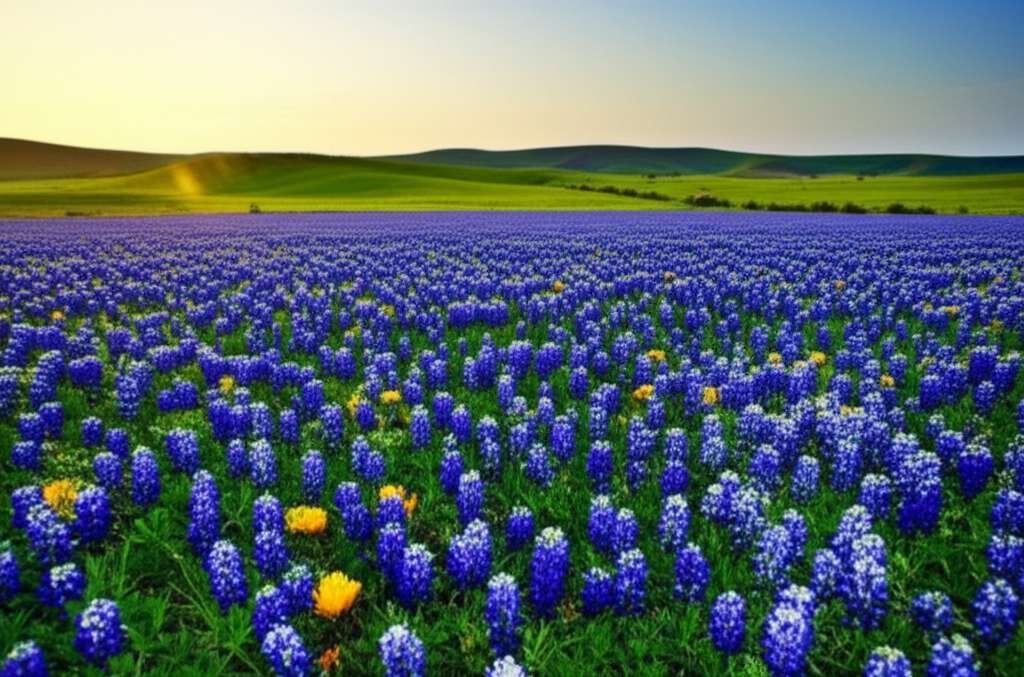
Ah, the Texas bluebonnet. More than just a flower, it’s a symbol of the Lone Star State. Every spring, millions of these vibrant blue blooms carpet the hillsides, roadsides, and open fields, creating a truly magical experience.
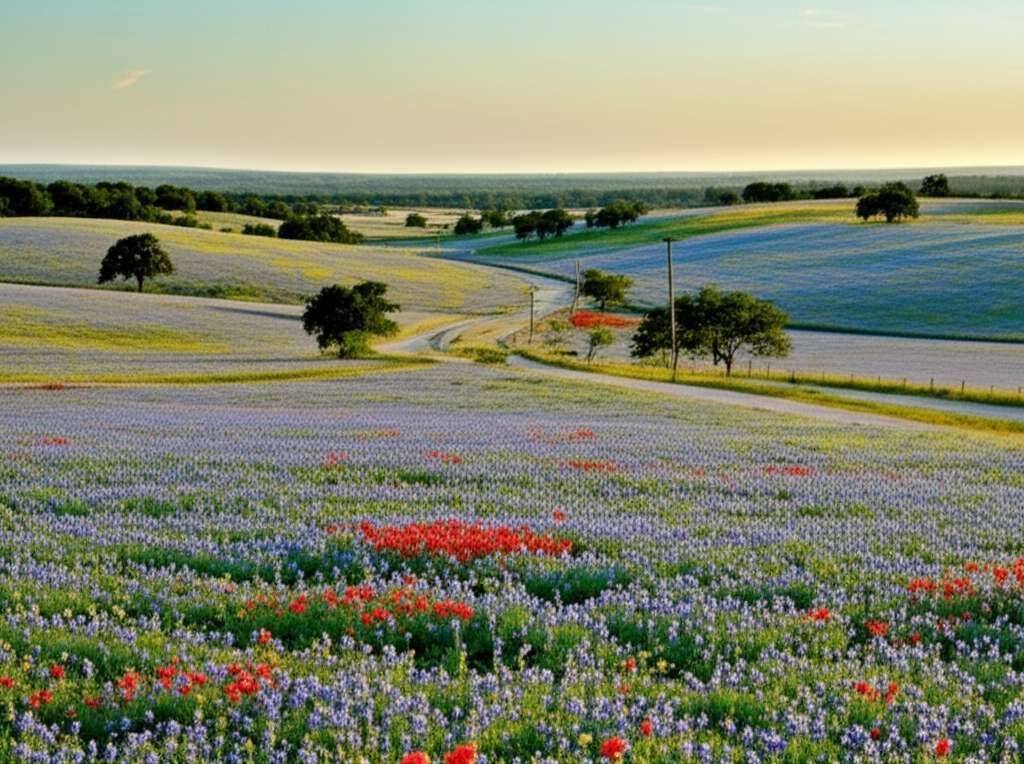
If you’re planning a trip to Texas and want to witness this incredible natural phenomenon, knowing the best time to see bluebonnets in Texas is crucial. It’s not an exact science, as nature has its own schedule, but with a little knowledge, you can significantly increase your chances of seeing a spectacular display.
This guide will break down everything you need to know, from the general blooming season to factors that influence the flowers’ appearance and tips for finding the best spots. Let’s dive in!
Find the Best Accommodation Deals
Compare prices from multiple booking platforms and find the best option for your stay.
Compare Hotel PricesUnderstanding the Bluebonnet Blooming Cycle
Bluebonnets, scientifically known as Lupinus texensis, are native wildflowers that have become synonymous with Texas spring. They are annuals, meaning they complete their life cycle in one year, from germination to seed production. This annual nature is key to understanding their blooming pattern.
The seeds typically germinate in the fall, after the first good rains arrive. They then spend the winter as small plants, often developing a rosette of leaves close to the ground. As the days get longer and warmer in the spring, these plants are triggered to produce their iconic blue flowers.
Find the Best Accommodation Deals
Compare prices from multiple booking platforms and discover the best stay options available.
⭐ Trusted by thousands of travelers
💰 Budget to luxury options available
The exact timing of this blooming process is influenced by several environmental factors, making it a dynamic event each year.
The General Bluebonnet Season: What to Expect
For most of Texas, the prime time to witness bluebonnets in full bloom is during the month of March and extending into early April. This is your general window of opportunity.
Best Stay Deals Available
Compare prices across top booking platforms and find the best deal for your stay.
Check Available RoomsHowever, this window can shift. Early springs with warm temperatures and sufficient rainfall can push the bloom earlier, sometimes starting in early to mid-March. Conversely, a late cold snap or a dry spell might delay the peak bloom or result in a less dense showing.
Think of March as the starting gun and early April as the potential finish line for peak viewing. But the absolute best time to see bluebonnets in Texas often lands in the sweet spot of late March.
Factors Influencing Bluebonnet Blooms
Nature is a complex system, and the bluebonnets are no exception. Several key factors play a role in determining when and how abundantly they bloom:
Rainfall: This is arguably the most important factor. Bluebonnets need adequate moisture, especially in the fall to germinate and in late winter/early spring to grow and flower. A dry fall or winter can significantly impact the bloom.
Temperature: Moderate temperatures are ideal. Extreme cold can damage young plants, while prolonged heat can cause them to dry out prematurely. A typical Texas spring with a gradual warming trend is perfect.
Sunlight: Bluebonnets thrive in full sun. Areas that receive plenty of sunlight will generally produce better blooms than those in shaded locations.
Soil Conditions: While bluebonnets are known for their resilience and ability to grow in various soils, they prefer well-drained soil. They can often be found in alkaline soils, common throughout Texas.
Understanding these influences helps explain why the “best time” can subtly change from year to year.
Regional Differences Across Texas
Texas is a vast state with diverse climates, and this affects the bluebonnet bloom schedule. Generally, you’ll see them bloom earlier in the southern parts of the state and later as you move north.
Here’s a simplified look at regional timing:
South Texas (e.g., Hill Country, San Antonio, Austin areas): Often experiences the earliest blooms, sometimes starting in early to mid-March.
Central Texas (e.g., Waco, Dallas-Fort Worth area): Blooms typically follow shortly after, with peak viewing in mid-to-late March.
West Texas (e.g., Panhandle): Blooms tend to be later, often peaking in late March to early April.
East Texas: Timing can be similar to Central Texas, but is also highly dependent on local rainfall.
This means if you’re traveling from afar, you might have a slightly wider window to catch them if you plan to visit different regions within Texas.
How to Track the Bloom in Real-Time
Because the bloom can vary, experienced bluebonnet hunters don’t just rely on general dates. They track the bloom’s progress!
Several resources are invaluable for real-time updates:
Texas Parks and Wildlife Department (TPWD): The TPWD often provides updates on wildflower conditions. Keep an eye on their website and social media channels.
Local Tourism Websites: Many towns and regions in Texas have tourism boards that actively report on the bluebonnet status. For example, the Texas Hill Country Alliance or specific city visitor bureaus.
Wildflower Societies and Groups: Local wildflower organizations and gardening clubs often share bloom reports online.
Social Media: Hashtags like #TexasBluebonnets, #BluebonnetSeason, and location-specific tags (e.g., #EnchantedRockBluebonnets) on platforms like Instagram and Facebook are fantastic for seeing current photos and reports from fellow travelers.
News Outlets: Local news stations and newspapers often feature segments on the bluebonnet season and where the best blooms are currently located.
Checking these resources a week or two before your planned trip, and even daily while you’re there, can help you pinpoint the most spectacular displays.
Planning Your Bluebonnet Road Trip: Key Considerations
Once you have a general idea of the timing, planning your actual trip involves a few more practical steps. The goal is to make the most of your bluebonnet viewing experience.
Choosing Your Destination: Where Are the Best Spots?
While bluebonnets can pop up anywhere, some areas are particularly famous for their stunning displays. These often become popular destinations for wildflower enthusiasts.
Here are some of the most renowned regions:
The Texas Hill Country: This is the undisputed champion of bluebonnet country. Towns like Fredericksburg, Llano, Marble Falls, Burnet, and San Saba are prime locations. Highway 16, Highway 29, and the Willow City Loop are famous routes.
Enchanted Rock State Natural Area: The area surrounding this iconic granite dome is often carpeted with bluebonnets.
Big Bend National Park: While more remote, parts of West Texas can offer incredible, albeit later, blooms.
Chico, Texas: Located northwest of Fort Worth, this small town is known for its annual Bluebonnet Festival.
Washington County: Near Brenham, this area is also known for its beautiful wildflower fields.
When choosing your destination, consider how far you’re willing to drive and what kind of scenery you prefer. The Hill Country offers rolling hills and charming small towns, making it a popular choice for a reason.
Creating Your Itinerary: Balancing Bloom Chasing with Other Activities
While bluebonnets are the star, Texas has so much more to offer! Integrate your wildflower hunt into a broader Texas adventure.
Here’s a sample approach for a 3-day trip to the Hill Country:
1. Day 1: Arrival and Hill Country Charm: Arrive in Austin or San Antonio, pick up your rental car, and head towards the Hill Country. Settle into a town like Fredericksburg. In the afternoon, take a scenic drive on a local route known for blooms, perhaps exploring part of the Willow City Loop (check conditions first!). Enjoy dinner in town.
2. Day 2: Peak Bloom Exploration: Dedicate this day to driving the famous bluebonnet trails. Focus on areas around towns like Llano or Burnet. Pack a picnic to enjoy amidst the flowers. Visit a state park like Enchanted Rock for hiking and more scenic views.
3. Day 3: Local Flavors and Departure: Enjoy a leisurely breakfast. Visit a local winery or a historic site in Fredericksburg. Depending on your flight schedule, you might have time for one last scenic drive before heading back to your departure city.
Remember to be flexible! If reports indicate the blooms are peaking a bit further north, adjust your driving plans accordingly.
Packing Essentials for Your Bluebonnet Adventure
Beyond your usual travel items, here are some specific things to pack for a bluebonnet trip:
Camera: Absolutely essential! Bring extra batteries and memory cards.
Sunscreen, Hat, and Sunglasses: Texas sun can be strong, even in spring.
Comfortable Walking Shoes: You’ll likely be walking on uneven terrain.
Water Bottle: Stay hydrated, especially if you’re hiking.
Snacks: Perfect for impromptu picnic stops in the fields.
Navigation: A good GPS or map app is crucial, as cell service can be spotty in rural areas. Consider downloading offline maps.
Binoculars: For spotting wildlife or distant floral displays.
Light Jacket or Sweater: Mornings and evenings can still be cool.
First-Aid Kit: For minor scrapes or cuts.
And of course, your sense of adventure!
Respecting the Wildflowers and Private Property
It’s easy to get carried away by the beauty, but it’s vital to be a responsible visitor. Bluebonnets are fragile, and respecting the environment and private property is paramount.
Do Not Pick the Bluebonnets: This is a strict rule! Picking the flowers prevents them from going to seed, which means fewer flowers for future years. It’s also illegal to pick them in state parks and on many public lands.
Stay on Roadsides and Designated Paths: Avoid trampling through fields. Many of the best viewing spots are along public roads. Pull over safely and enjoy the view from the roadside.
Respect Private Property: Many beautiful fields are on private land. Do not trespass. Look for signs that indicate public access or stick to areas clearly visible from public roads.
Leave No Trace: Pack out everything you pack in. Don’t leave trash behind.
Be Mindful of Traffic: When pulling over to take photos, ensure you are safely off the road and not obstructing traffic. Other drivers will also be stopping to admire the flowers.
By following these guidelines, you help ensure that the Texas bluebonnet tradition can continue for generations to come.
Beyond the Blue: Other Wildflowers You Might See
While bluebonnets are the stars of the show, Texas spring wildflowers offer a much richer palette of colors. As you drive through the countryside, keep an eye out for these other beautiful blooms that often share the fields with bluebonnets:
Indian Paintbrushes: These striking wildflowers, with their vibrant red or orange hues, are often found mixed in with bluebonnets, creating a classic Texas wildflower scene.
Mexican Hats (Prairie Coneflowers): Their unique, sombrero-like shape and bright pink or red petals make them easily recognizable and a delightful find.
Texas Thistle: While spiky, their purple blooms add another layer of color to the landscape.
Firewheels (Indian Blankets): These daisy-like flowers with red and yellow petals are prolific bloomers and create a cheerful display.
Coreopsis: Bright yellow, daisy-like flowers that often bloom in abundance.
Verbena: Small, delicate flowers that come in shades of pink, purple, and red, often forming ground cover.
The best bluebonnet viewing often happens when these other wildflowers are also in bloom, creating a dazzling mosaic of color across the landscape.
Bluebonnet Photography Tips for Beginners
Capturing the magic of the bluebonnets is a must. Here are some simple tips to help you get great shots:
Golden Hour is Your Friend: The hour after sunrise and the hour before sunset offer soft, warm light that is perfect for photographing flowers and landscapes. It minimizes harsh shadows and brings out vibrant colors.
Get Down Low: Don’t just shoot from standing height. Crouch down to the level of the flowers. This perspective makes the bluebonnets the hero of your photo and can create a sense of immersion.
Focus on a Single Bloom: Sometimes, a single, perfect bluebonnet against a blurred background of many flowers can be more impactful than a wide shot. Use a shallow depth of field (a lower f-stop number on your camera) to achieve this.
Look for Leading Lines: Use roads, fences, or the natural lines of the field to guide the viewer’s eye into the scene.
Include Scale: If you have a person in your photo (standing respectfully on a roadside or path), it helps show the vastness of the fields.
Experiment with Composition: Try the rule of thirds, leading lines, and symmetry. Don’t be afraid to move around and try different angles.
Check Your White Balance: Natural light can change. Ensure your camera’s white balance is set appropriately for the conditions, or shoot in RAW format to adjust it later.
Most importantly, have fun and capture the joy of the moment!
What to Do if the Bloom Isn’t Peak Yet (or is Past)
Even with the best planning, nature can surprise you. If you arrive and the bluebonnets aren’t quite there or are already fading, don’t despair!
Check Other Wildflowers: As mentioned, many other wildflowers bloom around the same time. You might find stunning Indian Paintbrushes, Mexican Hats, or Firewheels.
Enjoy the Scenery: The Texas Hill Country and other bluebonnet regions are beautiful year-round. Enjoy the rolling hills, charming towns, local food, and wineries.
Visit State Parks: Texas has incredible state parks. Even without peak blooms, places like Enchanted Rock, Pedernales Falls, or Lost Maples offer stunning natural beauty, hiking, and opportunities for relaxation.
Look for Late Bloomers: Sometimes, pockets of bluebonnets might still be blooming in cooler, shadier spots, or in areas that received more rain.
Plan for Next Year: Use this trip as a scouting mission! Take note of areas that looked promising and plan to return next spring.
A bluebonnet trip is never a wasted trip if you approach it with an open mind and an appreciation for Texas’s natural beauty.
Bluebonnets and Budget Travel: Smart Tips
Seeing the bluebonnets is a wonderfully budget-friendly travel experience. Here’s how to make it even more affordable:
Free Viewing: The most spectacular bluebonnet fields are often found along public roadsides, meaning you can see them for free!
Picnics: Pack your own food and drinks. This saves money compared to eating out for every meal. Find a scenic spot by the road (safely!) for a memorable picnic.
Stay Outside Major Cities: Accommodation prices tend to be lower in smaller towns surrounding popular bluebonnet areas compared to staying directly in larger tourist hubs.
Travel Mid-Week: If possible, plan your trip for weekdays rather than weekends. You might find better rates on lodging and fewer crowds.
Focus on Driving Routes: While state parks have entrance fees, many of the best viewing experiences involve scenic drives, which are free.
Utilize Free Attractions: Many towns offer free historical markers, charming downtown areas to walk through, and local parks.
The beauty of Texas wildflowers is a gift to everyone, regardless of budget.
The Best Time to See Bluebonnets in Texas: A Summary Table
To help you quickly visualize the optimal timing, here’s a table summarizing the key periods:
| Region | Early Bloom (Potential) | Peak Bloom (Most Likely) | Late Bloom (Possible) |
|---|---|---|---|
| South Texas (Hill Country, San Antonio, Austin) | Early March | Mid to Late March | Early April |
| Central Texas (Waco, Dallas-Fort Worth) | Mid-March | Late March | Mid-April |
| West Texas (Panhandle) | Late March | Late March to Early April | Mid-April |
| East Texas | Mid-March | Late March to Early April | Mid-April |
Remember, this is a general guideline. Always check real-time reports closer to your travel dates!
Frequently Asked Questions About Texas Bluebonnets
Here are some common questions beginners have about planning their bluebonnet adventure:
Q1: Is there a specific day or date when bluebonnets bloom?
No, there isn’t one exact date. Bluebonnets bloom based on weather conditions like rainfall and temperature each spring. While the general season is March to early April, the exact peak can shift yearly.
Q2: How do I know if the bluebonnets are blooming now?
The best way to check current bloom status is to follow Texas Parks and Wildlife updates, local tourism websites, wildflower groups on social media, or local news reports. These resources provide real-time information from people on the ground.
Q3: Can I pick bluebonnets?
No, you should never pick bluebonnets. It’s illegal in many public areas and state parks, and it prevents the flowers from producing seeds for next year’s blooms. Enjoy them by looking and taking photos!
Q4: Are there specific highways or routes that are best for seeing bluebonnets?
Yes, many scenic routes are famous for bluebonnets, especially in the Texas Hill Country. Popular ones include Highway 16, Highway 29, and the Willow City Loop. Always check local advisories, as bloom intensity can vary.
Q5: What if I visit and the bluebonnets haven’t bloomed yet or are already fading?
Don’t worry! Texas has many other beautiful wildflowers like Indian Paintbrushes and Mexican Hats that bloom around the same time. You can also enjoy the state’s natural beauty, visit parks, or plan a return trip for another year.