
Discover Texas’s rich past at must-see historical sites! From ancient missions to frontier forts, explore iconic landmarks offering a captivating journey through the Lone Star State’s heritage. Plan your Texas history adventure with this easy guide.
Planning a trip to Texas can feel like a big adventure, especially when you want to soak in all its amazing history. Texas has a story around every corner, from its days as part of Mexico to its own republic and finally, its place in the United States. It’s easy to get lost in all the options!
Check the latest prices and available rooms before they sell out.
But don’t worry, I’m here to make it simple and fun. We’ll uncover some of the most incredible historical places in Texas, perfect for anyone new to exploring this vast and fascinating state.
Get ready to step back in time and experience the legends and landmarks that shaped Texas. Let’s dive into the wonders that await!
Why Texas History is a Must-Explore Adventure
Texas history is a vibrant tapestry woven with tales of Native American cultures, Spanish explorers, Mexican rule, brave Texan revolutionaries, and the Wild West. Each era has left its mark, creating a diverse and engaging landscape of historical sites.
Exploring these places isn’t just about looking at old buildings; it’s about connecting with the people, events, and spirit that define Texas. It’s a chance to learn, be inspired, and create unforgettable memories.
Whether you’re a student on a budget, a couple seeking a unique getaway, or a family wanting an educational and exciting vacation, Texas has something special for you. Let’s uncover some of the best.
Step Back in Time: Top Historical Places in Texas
Texas is bursting with history, and choosing where to start can be tricky. To make it easier, I’ve picked some of the most significant and accessible historical places that offer a fantastic glimpse into the Lone Star State’s past. These spots are not just educational; they’re also incredibly scenic and full of stories.
Find the Best Accommodation Deals
Compare prices from multiple booking platforms and find the best option for your stay.
Compare Hotel Prices1. The Alamo: A Symbol of Texas Independence
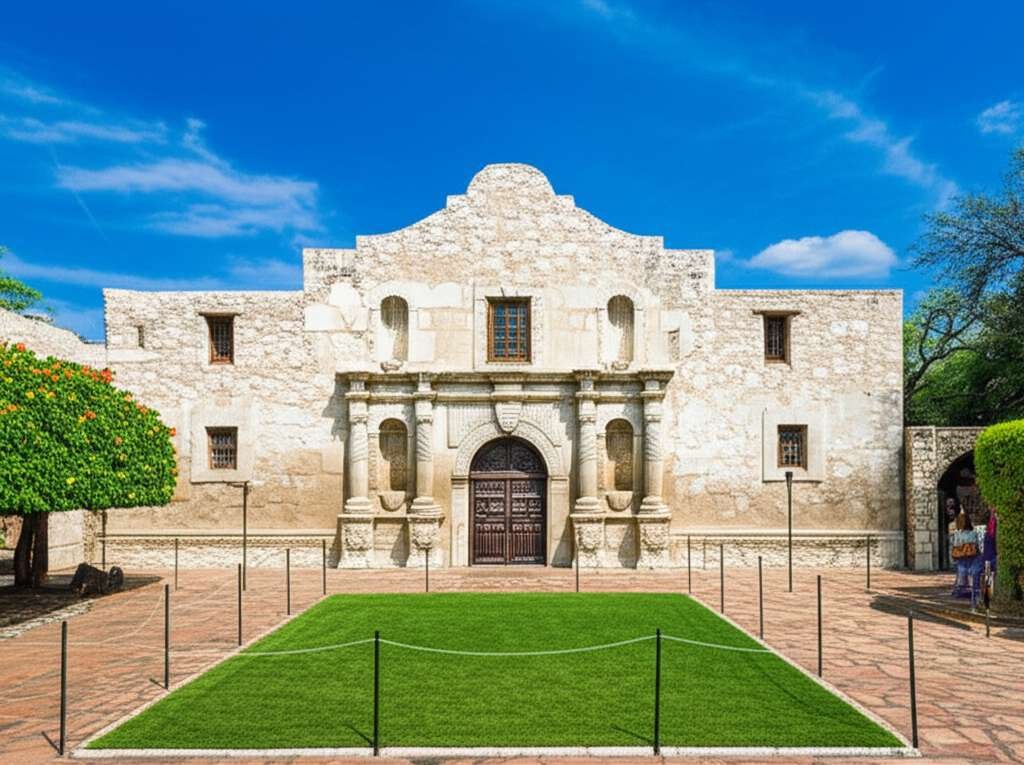
No historical tour of Texas is complete without a visit to The Alamo in San Antonio. This former Spanish mission is famously known as the site of the Battle of the Alamo in 1836, a pivotal moment in the Texas Revolution.
Walking through its hallowed grounds, you can feel the echoes of courage and sacrifice. It’s a powerful reminder of the fight for Texas independence.
Find the Best Accommodation Deals
Compare prices from multiple booking platforms and discover the best stay options available.
⭐ Trusted by thousands of travelers
💰 Budget to luxury options available
What to expect:
- Explore the historic church and long barracks.
- Discover exhibits detailing the battle and the lives of its defenders.
- Enjoy the beautiful gardens and peaceful atmosphere.
Travel Tip: Arrive early, especially on weekends, as it can get crowded. Admission to the Alamo church and gardens is free, but some special exhibits may have a fee. Plan at least 2-3 hours for your visit.
2. San Antonio Missions National Historical Park
Just a short drive from The Alamo, the San Antonio Missions National Historical Park offers a broader look at Spanish colonial life in Texas. This UNESCO World Heritage Site preserves four of the five Spanish frontier missions established in the 18th century along the San Antonio River.
Best Stay Deals Available
Compare prices across top booking platforms and find the best deal for your stay.
Check Available RoomsThese well-preserved missions—Concepción, San José, San Juan, and Espada—showcase stunning architecture and tell stories of religious conversion, community life, and agricultural innovation.
Why visit:
- Experience the grandeur of Spanish mission architecture.
- Learn about the complex history of European settlers and Native Americans.
- Enjoy leisurely walks or bike rides along the Mission Trail connecting the sites.
External Link: For more details and planning your visit, check out the official San Antonio Missions National Historical Park website.
3. Battleship Texas
For a different kind of history, head to La Porte to board the historic Battleship Texas. Commissioned in 1914, she is the last surviving dreadnought battleship in the world and the oldest American warship still afloat.
The Battleship Texas served with distinction in both World Wars, witnessing significant naval battles and carrying a crew of over 1,000 men. It’s a tangible piece of maritime history and American military might.
Highlights include:
- Touring the ship’s decks, from the bridge to the gun turrets.
- Learning about naval warfare and the daily life of sailors.
- Imagining the stories these historic decks could tell.
Tip: Check their official website for current visiting hours and any ongoing restoration updates, as the ship occasionally undergoes significant work.
4. Fort Worth Stockyards National Historic District
Experience the authentic Old West at the Fort Worth Stockyards. This area preserves the history of Texas’s cattle industry and its cowboy culture. It’s a lively place where you can still see a cattle drive twice a day!
Beyond the cattle drives, the Stockyards offer a glimpse into frontier life with its historic buildings, saloons, and Western shops. It’s a fun and engaging way to connect with the legendary cowboy spirit.
Don’t miss:
- The daily cattle drive at the Stockyards.
- Exploring the historic buildings and Western wear shops.
- Enjoying live country music and authentic Texas cuisine.
Budget-friendly tip: The cattle drive is free to watch, making it an excellent activity for families and budget travelers.
5. State Historic Sites of the Texas Independence Trail
Texas has designated several key locations as the Texas Independence Trail, highlighting sites crucial to the state’s fight for independence. Visiting these locations provides a chronological understanding of the events leading up to and following the Texas Revolution.
These sites often include battlefields, historic homes of key figures, and important government buildings from the Republic of Texas era.
Key sites along the trail include:
- Washington-on-the-Brazos: Where Texas declared independence.
- San Jacinto Battlefield State Historic Site: The site of the final, decisive battle.
- Republic of Texas Capitol: Now the Texas State Capitol building in Austin, showcasing the transition to statehood.
Planning tip: You can visit these sites individually or string them together for a more comprehensive historical road trip. Check the official Texas Independence Trail website for a map and more details.
6. The Goliad Massacre Site and Mission Espíritu Santo
The Goliad State Park & Historic Site is another crucial location in understanding the Texas Revolution. It encompasses the ruins of Mission Espíritu Santo and the site of the Goliad Massacre, where hundreds of Texan soldiers were executed by Mexican forces.
This somber but important site offers a deeper insight into the sacrifices made during the struggle for independence. The restored mission itself is a beautiful example of Spanish colonial architecture.
What to see:
- The preserved Presidio La Bahía, where the massacre occurred.
- The restored Mission Espíritu Santo and its museum.
- The poignant monument commemorating the fallen Texan soldiers.
Remember: This site is a place of remembrance. Approach your visit with respect for the history and the lives lost.
7. Presidio La Bahía
While part of the Goliad State Park, Presidio La Bahía is significant enough to warrant its own mention. It’s one of the most historically important Spanish colonial presidios (forts) in Texas and played a critical role in several key events, including the Battle of Goliad and the Goliad Massacre.
The fort has been meticulously restored and offers an authentic look at frontier military life. It’s a fascinating place to explore for anyone interested in military history or Spanish colonial Texas.
Key features:
- Walk the ramparts and imagine life as a soldier.
- Visit the museum housing artifacts from the Spanish and Mexican periods.
- Learn about its role in the Texas Revolution and subsequent conflicts.
Tip: Look for living history demonstrations, which are sometimes held here, to bring the past to life.
8. The Texas State Capitol Building, Austin
The Texas State Capitol in Austin is more than just the seat of government; it’s a magnificent historical landmark. Built in 1888, it’s one of the largest and most impressive state capitols in the United States, and it’s made from distinctive Texas pink granite.
The building itself is a work of art, with stunning architecture and beautiful grounds. It also houses exhibits and offers tours that detail Texas history and its governance.
Why it’s a must-see:
- Admire the impressive architecture and the rotunda’s murals.
- Take a free guided tour to learn about Texas history and government.
- Explore the beautiful Capitol grounds and surrounding monuments.
For students and families: This is a great way to combine learning about civics with appreciating historical architecture. Tours are generally very engaging.
9. The Sixth Floor Museum at Dealey Plaza, Dallas
For a more recent, yet profoundly impactful historical experience, visit The Sixth Floor Museum at Dealey Plaza in Dallas. Located in the former Texas School Book Depository, this museum chronicles the assassination and legacy of President John F. Kennedy.
The exhibits are thoughtfully curated, providing historical context and exploring the national and global reactions to this tragic event. It’s a moving and educational experience that offers a different perspective on American history.
What to expect:
- Learn about the events leading up to and following the assassination.
- See historical artifacts, photographs, and films.
- Gain insight into the profound impact of JFK’s death.
Important note: This museum deals with sensitive subject matter. Prepare for an emotional visit. Booking tickets in advance is highly recommended.
10. The San Jacinto Monument and Battlefield
Standing proudly near La Porte, the San Jacinto Monument commemorates the Battle of San Jacinto, the final battle of the Texas Revolution where General Sam Houston’s army defeated Santa Anna’s Mexican forces in just 18 minutes. The monument itself is taller than the Washington Monument!
The site offers a museum, observation deck, and a stunning monument that serves as a powerful symbol of Texas independence. It’s a place where history comes alive.
Key attractions:
- Ascend to the observation deck for panoramic views.
- Explore the museum and exhibits detailing the battle.
- Walk the battlefield and feel the significance of the ground.
Tip: Combine this visit with the Battleship Texas, as they are located very close to each other, making for a full day of historical exploration.
Planning Your Texas History Road Trip
Texas is a big state, so planning is key to making the most of your historical journey. Here’s how to approach it:
1. Choose Your Focus
Are you most interested in the Texas Revolution, Spanish colonial history, or the cowboy era? Focusing your trip can help you prioritize destinations and create a more cohesive itinerary.
2. Map Your Route
Use a map to group nearby historical sites. For example, San Antonio Missions and The Alamo are close together, as are the Battleship Texas and San Jacinto Monument.
3. Consider Travel Time
Texas is vast! Factor in driving distances between locations. Using tools like Google Maps can help you estimate travel times accurately.
4. Book Accommodations
Book hotels or other lodging in advance, especially if traveling during peak season or holidays. Look for places near your main historical interests to save on travel time and costs.
5. Budget Wisely
Many historical sites have free admission or low entry fees. Factor in costs for gas, food, and any special tours or exhibits you might want to experience. Look for student or family discounts if applicable.
A Table of Must-See Texas Historical Sites
To help you visualize your options, here’s a quick overview of some top historical places in Texas, their location, and what they offer.
| Historical Site | Location | Main Historical Significance | Key Attractions |
|---|---|---|---|
| The Alamo | San Antonio | Texas Revolution; symbol of independence | Historic church, long barracks, exhibits |
| San Antonio Missions NHP | San Antonio | Spanish colonial era; religious and cultural centers | Mission Concepción, San José, San Juan, Espada; Mission Trail |
| Battleship Texas | La Porte | World War I & II naval history | Ship tour, naval exhibits |
| Fort Worth Stockyards | Fort Worth | Cattle industry, Western heritage | Cattle drive, historic buildings, shops |
| Washington-on-the-Brazos | Washington County | Declaration of Texas Independence | Visitor center, Star of the Republic Museum, Barrington Living History Farm |
| San Jacinto Battlefield | La Porte | Final battle of Texas Revolution | Monument, museum, observation deck |
| The Sixth Floor Museum | Dallas | JFK assassination and legacy | Exhibits on the assassination, museum |
Making Your Trip Enjoyable and Affordable
Exploring historical places in Texas doesn’t have to break the bank. Here are some tips to keep your adventure fun and budget-friendly:
- Pack Snacks and Water: This saves money on impulse purchases and keeps you fueled for exploration.
- Look for Free Days: Some museums offer free admission on certain days of the month or year. Check their websites.
- Utilize Public Parks: Many historical sites are located within state or national parks, which often have affordable entry fees or are free.
- Consider a Texas State Parks Pass: If you plan to visit multiple state parks and historic sites, a pass can save you money.
- Stay in Budget-Friendly Areas: Look for hotels or vacation rentals slightly outside the main tourist hubs for better rates.
- Travel Off-Season: If your schedule allows, visiting during the shoulder seasons (spring and fall, excluding major holidays) can mean lower prices and fewer crowds.
- Embrace the Outdoors: Many historical sites have beautiful grounds that are perfect for picnics and leisurely strolls, offering free enjoyment.
Frequently Asked Questions (FAQs)
Q1: What are the best historical places for families in Texas?
A1: Families often enjoy the Fort Worth Stockyards for its lively atmosphere and cattle drives, The Alamo for its iconic status, and the San Antonio Missions for their beautiful grounds and educational value. The San Jacinto Monument also offers great views and a sense of grandeur.
Q2: Are most historical sites in Texas expensive to visit?
A2: No, many historical sites in Texas are quite affordable. The Alamo church and gardens are free, and San Antonio Missions National Historical Park is free to enter. State historic sites typically have low entrance fees. It’s always good to check individual site websites for current pricing.
Q3: How much time should I allocate for visiting historical sites in Texas?
A3: This varies greatly! A quick visit to The Alamo might take 2-3 hours. For the San Antonio Missions, you could spend a full day exploring all four. A visit to the Battleship Texas or The Sixth Floor Museum can take 2-4 hours. For a road trip, plan multiple days to cover several locations.
Q4: What is the most significant historical site in Texas?
A4: While “most significant” is subjective, The Alamo is arguably the most iconic and symbolic historical site in Texas, representing the spirit of Texan independence. The San Antonio Missions are also highly significant as a UNESCO World Heritage site, showcasing early Spanish colonial life.
Q5: When is the best time of year to visit historical sites in Texas?
A5: Spring (March-May) and Fall (September-November) offer the most pleasant weather for exploring Texas’s historical sites, with mild temperatures and less humidity. Summers can be very hot, especially in South Texas.
Q6: Can I visit these historical sites independently, or do I need a guided tour?
A6: Most historical sites can be visited independently. Many offer free brochures, self-guided tour apps, or informational signage. Guided tours are often available and can provide deeper insights, but they are usually optional and may have an additional cost.
Conclusion: Your Texas History Adventure Awaits!
Texas is a state brimming with history, offering a captivating journey through centuries of pivotal events and diverse cultures. From the heroic stand at The Alamo to the sprawling Spanish missions and the rugged spirit of the cowboy era, these historical places provide an unparalleled opportunity to connect with the Lone Star State’s unique past.
Whether you’re a history buff or simply curious about what shaped this incredible region, exploring Texas’s historical wonders is a rewarding experience for all. You’ve got a roadmap now, filled with must-see destinations, practical tips, and ways to keep your adventure affordable.
So, pack your bags, plan your route, and get ready to be inspired. The stories of Texas are waiting for you to discover them. Happy travels!