
Explore Texas’s rich past! Discover amazing historical places like the Alamo, San Antonio Missions, and historic state parks. Perfect for beginner travelers wanting an unforgettable journey through Texas history.
Texas is a vast state, brimming with stories from its frontier days to its modern triumphs. Planning a trip to see these amazing historical places can feel a little overwhelming, especially if you’re new to exploring the USA.
Check the latest prices and available rooms before they sell out.
But don’t worry! This guide is here to make it simple and fun. We’ll walk you through some of the most incredible historical gems Texas has to offer, giving you all the info you need to plan your adventure with confidence.
Get ready to step back in time and discover the heart of the Lone Star State!
Unearthing Texas’s Past: Your Beginner’s Guide to Historical Gems
Texas history is as grand and diverse as the state itself. From ancient Native American sites to the battlegrounds of revolutions and the bustling streets of early settlements, there’s a story waiting around every corner. For first-time visitors, choosing where to start can be a delightful challenge.
This guide is designed to be your friendly roadmap. We’ll highlight some of the most iconic and fascinating historical places that offer a true taste of Texas heritage. Whether you’re a student on a budget, a couple seeking a unique getaway, or a family eager to learn, these sites promise an enriching experience.
Let’s dive into the amazing historical places to visit in Texas!
Iconic Landmarks: Must-See Historical Sites in Texas
Texas is dotted with landmarks that echo with history. These places are not just buildings or monuments; they are gateways to understanding the events and people that shaped the state.
Find the Best Accommodation Deals
Compare prices from multiple booking platforms and find the best option for your stay.
Compare Hotel Prices1. The Alamo: A Symbol of Courage
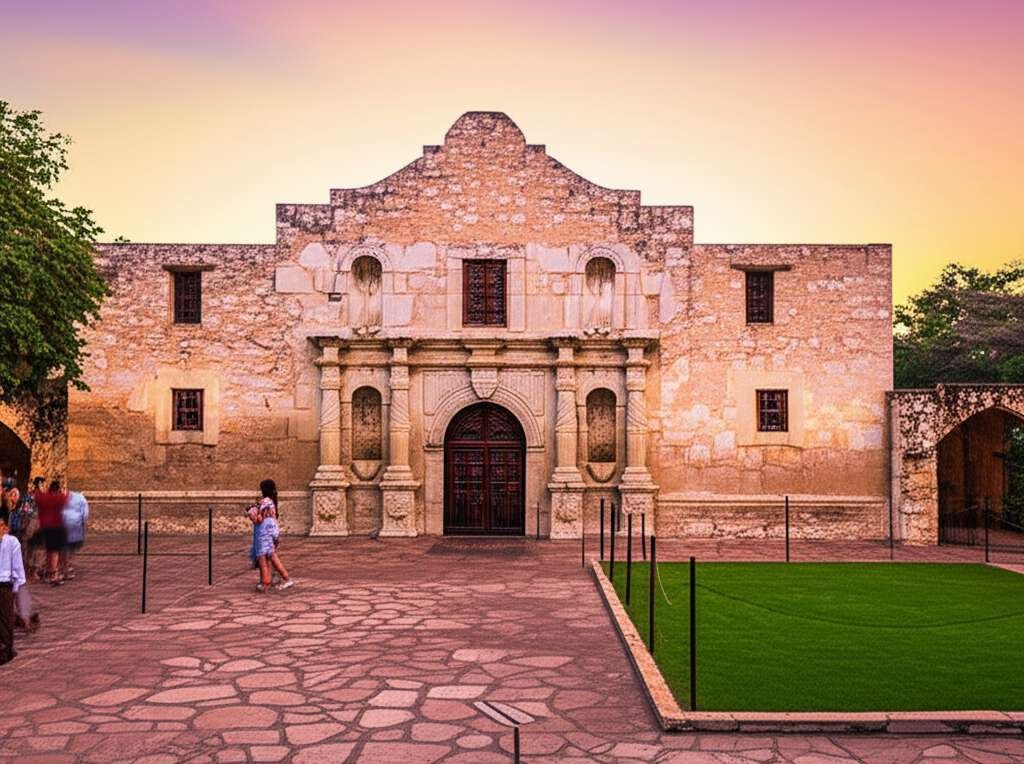
The Alamo in San Antonio is perhaps the most famous historical site in Texas. It’s a former Spanish mission and fortress that became the site of a pivotal battle during the Texas Revolution in 1836.
Visiting the Alamo is a deeply moving experience. You can explore the iconic mission church, the Long Barrack museum, and the beautiful gardens. It’s a place that inspires awe and remembrance, offering a vivid glimpse into the bravery of those who fought there.
Find the Best Accommodation Deals
Compare prices from multiple booking platforms and discover the best stay options available.
⭐ Trusted by thousands of travelers
💰 Budget to luxury options available

Location: San Antonio, Texas
Why visit: To understand a key moment in Texas history and honor the heroes of the Alamo.
Tip for beginners: Arrive early to avoid crowds, especially during peak seasons. Wear comfortable shoes as you’ll be doing a lot of walking.
2. San Antonio Missions National Historical Park: A UNESCO World Heritage Site
Just south of downtown San Antonio lies a collection of Spanish colonial missions that tell a different, but equally important, part of Texas history. These include Mission Concepción, Mission San Jose, Mission San Juan, and Mission Espada.
Best Stay Deals Available
Compare prices across top booking platforms and find the best deal for your stay.
Check Available RoomsThese well-preserved missions offer a fascinating look into the lives of the Spanish missionaries and the indigenous people who lived and worked there. They showcase a unique blend of European and Native American cultures and architectural styles.
Location: San Antonio, Texas
Why visit: To explore four distinct, stunning missions and learn about Spanish colonial life and its impact. It’s also a UNESCO World Heritage site, recognized for its outstanding universal value.
Tip for beginners: Consider renting a bike to explore the missions along the Mission Reach trail. It’s a scenic and eco-friendly way to see them all. Check the National Park Service website for ranger-led tours.
3. Texas State Capitol Building: Grandeur and Governance
Located in Austin, the Texas State Capitol is an architectural marvel and a working government building. It’s renowned for its impressive Romanesque Revival architecture and its striking red granite exterior.
The Capitol building is more than just a beautiful structure; it’s the heart of Texas governance. Guided tours are available, offering insights into the state’s political history, the legislative process, and the building’s rich past. The surrounding grounds are also lovely for a stroll.
Location: Austin, Texas
Why visit: To admire stunning architecture and learn about Texas government and history.
Tip for beginners: Free guided tours are offered daily. They provide a great overview of the building’s history and significance.
4. The Sixth Floor Museum at Dealey Plaza: A Solemn Reflection
For those interested in more recent, impactful history, The Sixth Floor Museum at Dealey Plaza in Dallas is a must-visit. It chronicles the assassination and legacy of President John F. Kennedy.
Located in the former Texas School Book Depository building, the museum offers a comprehensive look at the events of November 22, 1963. It uses exhibits, films, and artifacts to present a factual account and explore Kennedy’s life and impact.
Location: Dallas, Texas
Why visit: To gain a deeper understanding of a pivotal moment in American history.
Tip for beginners: This museum can be emotionally impactful. Consider visiting with a companion and allow ample time for reflection.
Beyond the Big Names: Hidden Historical Gems
Texas has countless historical sites beyond the most famous ones. Exploring these lesser-known spots can offer a more intimate connection with the past.
1. Fort Worth Stockyards National Historic District: A Glimpse of the Old West
Step back into the rugged days of the Wild West at the Fort Worth Stockyards. This district preserves the atmosphere of a historic livestock trading center.
You can witness a daily cattle drive, explore Western-themed shops, and soak in the authentic cowboy culture. It’s a living history experience that brings the frontier spirit to life.
Location: Fort Worth, Texas
Why visit: To experience a tangible piece of cowboy heritage and the cattle industry’s history.
Tip for beginners: Check the schedule for the daily cattle drive – it’s a highlight! Also, consider attending a rodeo for an even more immersive experience.
2. Galveston Historic Strand District: Victorian Charm by the Sea
Galveston Island boasts a beautifully preserved Victorian-era downtown known as The Strand. This area was once a bustling port and a center of commerce.
Wander through streets lined with ornate architecture, browse unique boutiques, and enjoy the coastal ambiance. Galveston’s history is deeply tied to its role as a major port and its resilience through hurricanes.
Location: Galveston, Texas
Why visit: To admire stunning Victorian architecture and learn about Texas’s maritime history.
Tip for beginners: Take a self-guided walking tour to appreciate the architectural details. Don’t miss the opportunity to learn about the devastating 1900 hurricane.
3. Washington-on-the-Brazos State Historic Site: Birthplace of Texas
Often called “The Birthplace of Texas,” Washington-on-the-Brazos was the site where Texas declared independence from Mexico in 1836.
Here, you can explore the reconstructed Star of the Republic Museum and the Barrington Living History Farm, which depicts life on a 19th-century farm. It’s a place where you can truly feel the spirit of Texas independence.
Location: Washington, Texas
Why visit: To stand on the very ground where Texas declared its independence.
Tip for beginners: Visit on a day when reenactments or special events are happening for a more engaging experience.
4. Goliad State Park & Historic Site: A Place of Remembrance
Goliad is a site of significant historical events, including the Goliad Massacre, a tragic episode during the Texas Revolution. The park preserves the ruins of Mission Espiritu Santo and the Presidio La Bahia.
It’s a place for quiet reflection and learning about the sacrifices made for Texas liberty. The park offers beautiful natural scenery alongside its historical importance.
Location: Goliad, Texas
Why visit: To understand the often-overlooked Goliad Massacre and explore a well-preserved Spanish mission and presidio.
Tip for beginners: The park is a great place for camping if you want to spend more time immersing yourself in the history and nature.
Planning Your Historical Texas Adventure: Tips for Beginners
Embarking on a historical journey through Texas is an exciting prospect! Here are some practical tips to make your trip smooth and enjoyable.
Getting Around Texas
Texas is huge, so transportation is key.
Rental Car: This is often the most convenient way to explore historical sites, especially those outside major cities. It gives you the freedom to set your own pace.
Public Transportation: In cities like San Antonio and Austin, public transport can get you to some attractions, but it might not be ideal for reaching dispersed historical sites.
Guided Tours: For a stress-free experience, consider city tours or specialized historical tours. These often cover multiple sites and include transportation and expert commentary.
Best Time to Visit
Texas weather can be extreme.
Spring (March-May): Pleasant temperatures, blooming wildflowers, and fewer crowds than summer. This is an ideal time for outdoor historical exploration.
Fall (September-November): Mild weather returns, making it comfortable for sightseeing. The fall colors can also add beauty to historical landscapes.
Summer (June-August): Very hot and humid, especially in South Texas. Be prepared for heat if traveling during these months, and plan indoor activities or early morning/late evening visits.
Winter (December-February): Mild in many parts of the state, though occasional cold snaps can occur. This can be a good time to visit with fewer tourists.
Budget-Friendly Travel
Exploring history doesn’t have to break the bank.
Free Attractions: Many historical sites, like the San Antonio Missions National Historical Park and the Texas State Capitol grounds, offer free entry or tours.
Look for Deals: Check websites for discounts on admission fees or package deals if you plan to visit multiple attractions.
Pack Snacks and Water: Especially important for Texas heat and if you’re visiting sites with limited amenities.
Consider Off-Season Travel: You might find lower prices on accommodation and fewer crowds.
Essential Items to Pack
Be prepared for your historical explorations.
Comfortable Walking Shoes: You’ll be doing a lot of walking at historical sites.
Sun Protection: A hat, sunglasses, and sunscreen are crucial, even on cloudy days.
Reusable Water Bottle: Stay hydrated, especially in warmer months. Many historical sites have water fountains.
Lightweight Clothing: Breathable fabrics are best for Texas weather.
Camera: To capture the amazing historical gems you discover!
Texas History Through the Ages: A Timeline Overview
Understanding the timeline of Texas history can help you appreciate the context of the historical places you visit.
| Era | Key Historical Periods & Events | Notable Historical Sites |
| :—————————— | :————————————————————– | :————————————————————————————- |
| Pre-Columbian Era | Indigenous peoples inhabit the land for thousands of years. | Archeological sites (often require special access or guided tours). |
| Spanish Colonial Era (1519-1821) | Exploration, mission building, establishment of presidios. | San Antonio Missions, Presidio La Bahia (Goliad), Mission Tejas State Park. |
| Mexican Texas Era (1821-1836) | Mexican independence, Anglo colonization, growing tensions. | San Felipe de Austin State Historic Site, Washington-on-the-Brazos State Historic Site. |
| Texas Revolution (1835-1836) | Key battles for independence. | The Alamo, San Jacinto Battleground State Historic Site, Goliad State Park & Historic Site. |
| Republic of Texas (1836-1845) | Independent nation, territorial expansion, early governance. | Republic of Texas Museum (Austin), various historic homes of prominent figures. |
| Statehood & Antebellum (1845-1861) | Texas joins the U.S., growth of agriculture and slavery. | Historic homes in cities like Galveston and Jefferson, early courthouses. |
| Civil War & Reconstruction (1861-1877) | Texas secedes, battles, political upheaval. | Various battle sites (less prominent than Civil War sites elsewhere), Reconstruction-era government buildings. |
| Late 19th & Early 20th Century | Cattle drives, oil boom, industrialization, rise of cities. | Fort Worth Stockyards, historic downtowns (Galveston, Jefferson), early oil field sites. |
| Modern Texas (Mid-20th Century to Present) | World Wars, civil rights, economic diversification. | The Sixth Floor Museum (Dallas), LBJ Ranch, historic downtowns. |
This table provides a simplified overview. Each period is rich with detail and many sites represent overlaps or transitions between eras.
Immersive Historical Experiences
Some historical places offer more than just a visit; they provide an immersive experience that transports you back in time.
1. Living History Farms and Sites
These places allow you to see history come alive. Costumed interpreters demonstrate daily life, crafts, and skills from past eras.
Barrington Living History Farm (Washington-on-the-Brazos): Experience farm life in the 1850s.
Fortstitution (Various locations): Many historic forts offer reenactments and demonstrations.
2. Historic Downtowns and Districts
Many Texas towns and cities have beautifully preserved historic districts that feel like stepping onto a movie set.
Jefferson: Known for its antebellum homes and steamboat history.
Gruene: A historic German-Texan town with a famous dance hall.
Marfa: While known for art, it has a rich history tied to its railroad and military past.
3. Museums and Archives
Beyond the major museums, look for smaller, specialized museums.
Texas Ranger Museum (Waco): Dedicated to the legendary Texas Rangers.
Texas Air & Space Museum (Beaumont): Showcases aviation history.
Local Historical Societies: Many small towns have local museums that offer unique insights into regional history.
Frequently Asked Questions About Visiting Historical Places in Texas
Here are some common questions beginner travelers have about exploring Texas’s historical sites.
Q1: How much does it cost to visit historical places in Texas?
A1: Costs vary widely. Many state parks and historic sites have modest entrance fees, often around $5-$10 per person. Major museums like The Sixth Floor Museum have higher admission fees, typically $15-$25. However, many places like the San Antonio Missions and the Texas State Capitol offer free admission or tours. Always check the official website for the most current pricing.
Q2: Do I need to book tickets in advance?
A2: For most historical sites, especially during off-peak times, you can purchase tickets upon arrival. However, for very popular attractions like The Alamo or The Sixth Floor Museum, booking tickets online in advance is highly recommended, especially during weekends, holidays, or school breaks, to secure your preferred entry time and avoid disappointment.
Q3: Are historical sites in Texas family-friendly?
A3: Absolutely! Many historical sites are very family-friendly, offering engaging exhibits, outdoor spaces for kids to explore, and educational programs. Sites like the San Antonio Missions, Fort Worth Stockyards, and many state parks are great for all ages. Some sites, like The Sixth Floor Museum, might be more somber and better suited for older children who can grasp the historical context.
Q4: What is the best way to learn about the history at these sites?
A4: Take advantage of guided tours offered by park rangers or museum staff. They provide invaluable context and stories you might miss on your own. Read interpretive signs, watch any available films or presentations, and consider downloading audio guides if offered. Doing a little pre-trip research on the specific site can also enhance your understanding.
Q5: Are there any historical places in Texas related to Native American history?
A5: Yes, Texas has a rich Native American history. While many sites are archaeological and may not be easily accessible for public tours, places like the Museum of the Great Plains (Wichita Falls) and exhibits within larger museums often cover indigenous history. Some state parks might also have interpretive trails or information about the native peoples who lived there. Always approach these sites with respect for their cultural significance.
Q6: How can I make my historical trip more budget-friendly?
A6: Focus on state parks and National Historical Parks, which often have lower entry fees than private museums. Look for cities that offer historical walking tours that are free or donation-based. Pack your own food and drinks, and utilize free Wi-Fi for planning. Consider visiting during weekdays or the shoulder seasons for potentially lower accommodation rates.
Q7: What historical era should I focus on if I have limited time?
A7: If you have limited time, focusing on a specific era or region can be more manageable. For the Texas Revolution, San Antonio (Alamo, Missions) and Washington-on-the-Brazos are key. For the Old West, the Fort Worth Stockyards are a great stop. For more recent history, Dallas offers The Sixth Floor Museum. Researching what interests you most will help narrow down your choices.
Conclusion: Your Texas Historical Adventure Awaits!
Texas is a treasure trove of history, offering a journey through diverse eras and pivotal moments. From the iconic walls of the Alamo to the serene beauty of the San Antonio Missions and the frontier spirit of Fort Worth, these historical places provide an unparalleled opportunity to connect with the past.
As a beginner traveler, exploring these gems is more accessible and rewarding than you might imagine. With a little planning, comfortable shoes, and a sense of adventure, you can uncover the rich tapestry of stories that make Texas so unique.
Don’t let the size of Texas or the endless options deter you. Start with a few key sites that capture your interest, and let your curiosity guide you. Each historical place you visit will add another layer to your understanding and appreciation of this incredible state.
So, pack your bags, get ready to explore, and create your own unforgettable Texas history adventure. The Lone Star State is calling!