
Discover Oklahoma’s burgeoning wine scene with this guide to 6 must-visit wineries, offering unique flavors, stunning scenery, and memorable tasting experiences perfect for any traveler.
Oklahoma’s Wine Trail: A Surprising Destination
Oklahoma, often recognized for its cowboy heritage and wide-open spaces, is also home to a growing and exciting wine industry. Nestled across the state, from the rolling hills of the Ozarks to the plains of Western Oklahoma, you’ll find dedicated vintners crafting exceptional wines. These wineries offer more than just a tasting; they provide a glimpse into the ingenuity and passion of Oklahoma’s agricultural spirit.
Check the latest prices and available rooms before they sell out.
The state’s diverse climate and soil types are surprisingly well-suited for grape cultivation, with winemakers experimenting with both classic European varietals and hardy native grapes. Visitors can explore charming tasting rooms, learn about the winemaking process, and savor unique flavors that reflect the local terroir. Planning a visit to these Oklahoma wineries offers a delightful and unexpected addition to any travel itinerary, providing a refreshing change of pace and a chance to support local businesses.
Let’s look at everything you need to know before planning your visit to these fantastic Oklahoma wineries.
Why Visit Oklahoma Wineries?
Oklahoma’s wine country is a hidden gem, offering a unique travel experience for wine enthusiasts and casual explorers alike. The wineries are spread across the state, allowing for diverse regional exploration, from the lush landscapes of Eastern Oklahoma to the more arid terrains of the west. Each winery presents its own distinct character, influenced by its location, the grape varietals grown, and the vision of its owners.
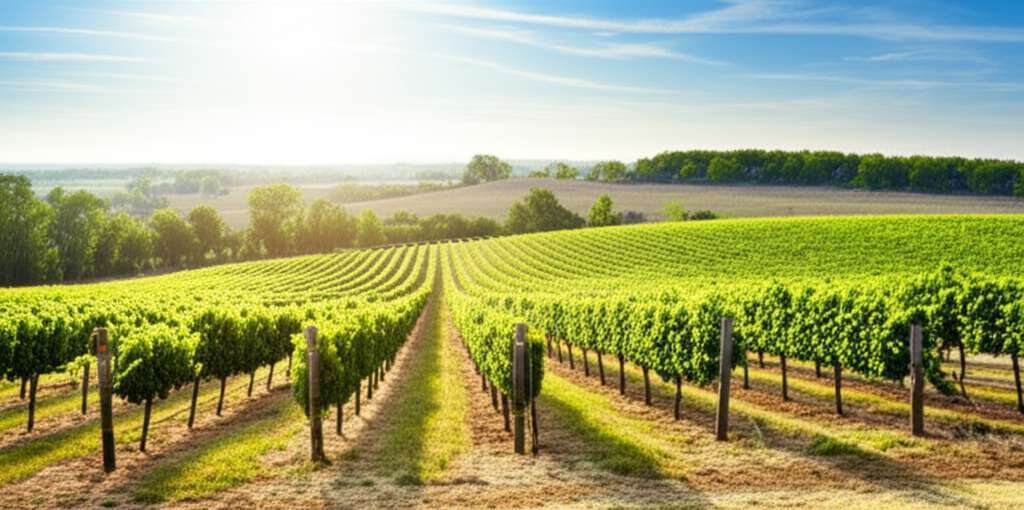
Beyond the wine itself, visiting these establishments provides an opportunity to engage with the local culture and agricultural heritage. Many wineries are family-owned and operated, offering a personal touch and a chance to hear the stories behind the bottles. You can often enjoy scenic views, live music, and delicious food pairings, making a winery visit a well-rounded outing. The relatively lower visitor numbers compared to more established wine regions mean a more relaxed and intimate experience.
Here’s what you should know next.
How to Get to Oklahoma’s Wine Regions
Oklahoma’s wineries are scattered across the state, so planning your transportation is key to a successful wine tour. The most common way to explore is by car, allowing you the flexibility to visit multiple locations and enjoy the scenic drives between them. Major highways like I-35, I-40, and I-44 connect the state’s larger cities, providing access to many of the wine-producing areas.
Find the Best Accommodation Deals
Compare prices from multiple booking platforms and find the best option for your stay.
Compare Hotel PricesFor those flying into Oklahoma, the primary airports are Will Rogers World Airport (OKC) in Oklahoma City and Tulsa International Airport (TUL) in Tulsa. Renting a car at either airport is highly recommended. If you plan on visiting several wineries, consider the distances involved. Some wineries are clustered in specific regions, making day trips feasible, while others are more isolated and may require dedicated travel time. Designated drivers or ride-sharing services can be options for tasting days, though availability can vary outside of major urban centers.
When is the Best Time to Visit Oklahoma Wineries?
The best time to visit Oklahoma wineries often depends on your preferences for weather and activities. Spring (April to May) and Fall (September to October) generally offer the most pleasant weather, with mild temperatures ideal for outdoor tasting and exploring the vineyards. During these seasons, the landscape is often at its most beautiful, with spring wildflowers or vibrant autumn foliage.
Find the Best Accommodation Deals
Compare prices from multiple booking platforms and discover the best stay options available.
⭐ Trusted by thousands of travelers
💰 Budget to luxury options available
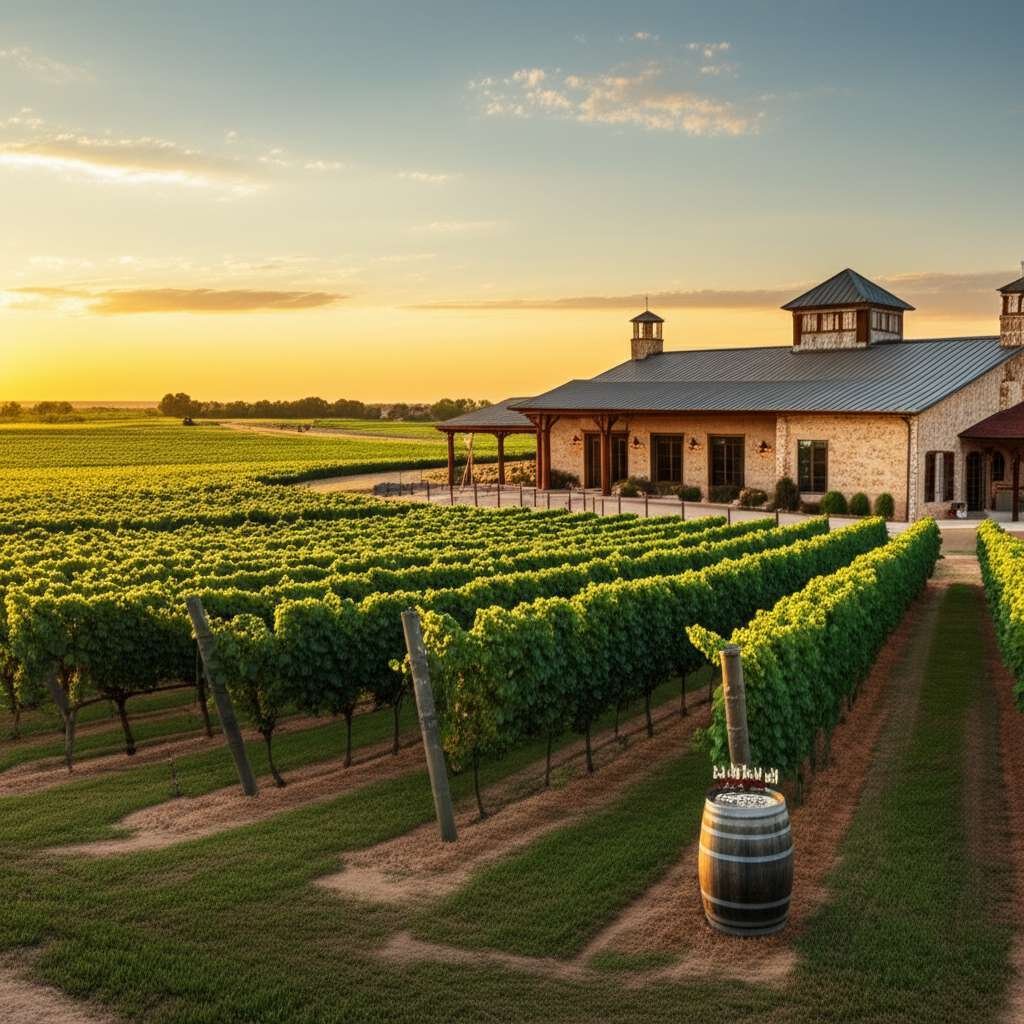
Summer can be hot in Oklahoma, with temperatures often exceeding 90°F (32°C). While wineries are still open and many have air-conditioned tasting rooms, outdoor activities might be less comfortable. However, summer is also a time of peak grape growth, and some wineries host special summer events. Winter offers the fewest crowds and can be a cozy time to enjoy indoor tastings, though some outdoor vineyard activities may be limited, and checking operating hours is advisable.
Here’s a look at average monthly temperatures to help you plan:
Best Stay Deals Available
Compare prices across top booking platforms and find the best deal for your stay.
Check Available Rooms| Month | Average High | Average Low |
|---|---|---|
| April | 74°F | 51°F |
| May | 81°F | 61°F |
| September | 84°F | 64°F |
| October | 75°F | 54°F |
This table shows that spring and fall provide the most comfortable temperatures for touring. Consider visiting in late April or early May for pleasant weather and blooming scenery, or in September or October for crisp air and beautiful fall colors.
The 6 Wineries in Oklahoma You Must Discover
Oklahoma’s wine scene is diverse and growing. Here are six outstanding wineries that offer unique experiences, exceptional wines, and a true taste of the Sooner State.
1. Scissortail Winery (Sulphur, OK)
Located in the heart of the Arbuckle Mountains, near the charming town of Sulphur and the popular Chickasaw National Recreation Area, Scissortail Winery is a must-visit. This winery focuses on fruit wines, using locally sourced fruits like blackberries, peaches, and strawberries, alongside traditional grape varietals. Their tasting room offers a warm and welcoming atmosphere, perfect for sampling their wide array of flavorful wines.
The winery’s proximity to natural attractions makes it an ideal stop for visitors exploring the region. You can enjoy a tasting and then head out for a hike or a relaxing dip in the nearby mineral springs. Scissortail Winery is known for its creative blends and its commitment to using high-quality ingredients, resulting in wines that are both refreshing and memorable. It’s a fantastic example of Oklahoma’s agricultural versatility.
2. Canadian River Vineyards (Norman, OK)
Canadian River Vineyards, situated just south of Oklahoma City, is one of the state’s pioneers in grape wine production. They cultivate traditional European grape varietals like Cabernet Sauvignon, Merlot, and Chardonnay, as well as some hybrid grapes suited to the Oklahoma climate. The winery offers a sophisticated tasting experience in its elegant tasting room, often accompanied by knowledgeable staff eager to share insights into their winemaking philosophy.
This vineyard is a great destination for those seeking a more classic wine-tasting experience. Their commitment to quality and traditional winemaking techniques has earned them numerous awards. Visitors can often enjoy the vineyard views and learn about the challenges and rewards of growing fine wine grapes in Oklahoma. It’s a testament to the state’s growing capability in producing high-quality grape wines.
3. Coal Creek Vineyard & Winery (McAlester, OK)
Nestled in the rolling hills of southeastern Oklahoma, Coal Creek Vineyard & Winery is a family-owned gem that offers a delightful escape. They specialize in both grape and fruit wines, with a particular emphasis on Muscadine grapes, a native Southern variety. The winery boasts a beautiful setting, with a charming tasting room where visitors can sample their handcrafted beverages.
The atmosphere at Coal Creek is friendly and laid-back, making it a perfect spot for a relaxed afternoon. They often host events and offer picnic areas, allowing visitors to linger and enjoy the scenery. Their dedication to small-batch production ensures a high level of quality and attention to detail in every bottle, making each tasting a unique discovery.
4. Cloud Nine Winery (Cheyenne, OK)
Located in Western Oklahoma, Cloud Nine Winery is a unique destination that brings a touch of elegance to the plains. This winery is known for its creative approach, offering a range of wines, including fruit wines and sparkling options. The tasting room provides a cozy and inviting space to sample their offerings, with friendly staff ready to guide you through their selection.
Cloud Nine Winery is a testament to the adaptability of winemaking in diverse Oklahoma landscapes. Visitors often appreciate the welcoming atmosphere and the surprising quality of the wines produced in this less conventional wine-growing region. It’s an excellent stop for those traveling through Western Oklahoma, offering a delightful surprise for the palate.
5. Whispering Meadows Vineyard & Winery (Catoosa, OK)
Situated near Tulsa, Whispering Meadows Vineyard & Winery offers a convenient and enjoyable wine-tasting experience. This winery focuses on producing quality grape wines, cultivating varietals suited to the northeastern Oklahoma climate. Their tasting room provides a pleasant environment to sample their wines, and they often feature live music and events, especially during warmer months.
Whispering Meadows is a great option for those looking for a wine destination close to a major city. They emphasize sustainable farming practices and a passion for creating distinctive Oklahoma wines. The vineyard setting itself is quite lovely, offering a peaceful retreat from the hustle and bustle, making it a popular choice for locals and visitors alike.
6. Kindred Spirits Winery (Pocola, OK)
Located in the southeastern part of the state, near the Arkansas border, Kindred Spirits Winery is a family-run establishment that prides itself on handcrafted wines. They produce a variety of wines, including fruit wines and classic grape varietals, with a focus on quality and flavor. The winery offers a warm and inviting tasting room experience, perfect for discovering new favorites.
Kindred Spirits is known for its friendly service and its commitment to creating approachable and delicious wines. Visitors often enjoy the relaxed atmosphere and the opportunity to chat with the winemakers about their craft. It’s a charming stop that embodies the spirit of community and passion found in Oklahoma’s growing wine industry.
What Can You Do at Oklahoma Wineries?
Visiting Oklahoma wineries offers a variety of enjoyable activities beyond simply tasting wine. Most wineries feature dedicated tasting rooms where you can sample several different wines, often for a small fee which may be waived with a purchase. This is the perfect way to explore the diverse range of flavors available.
Many wineries also offer tours of their vineyards and production facilities. These tours provide fascinating insights into the winemaking process, from grape cultivation to bottling. You can learn about the specific techniques used by each winery and the challenges of growing grapes in Oklahoma’s climate. Some wineries also have outdoor seating areas or picnic spots, allowing you to relax and enjoy the scenery with a glass of your favorite wine.
Here are some popular activities:
Wine Tastings: Sample a selection of wines, often guided by knowledgeable staff.
Vineyard Tours: Learn about grape growing and winemaking from cultivation to bottle.
Bottle Purchases: Buy your favorite wines to take home and enjoy later.
Picnics: Many wineries allow you to bring your own food to enjoy with your wine on their grounds.
Events and Live Music: Check winery schedules for special events, festivals, and live music performances, especially during peak seasons.
Shopping: Some wineries offer local crafts, gourmet food items, and wine-related merchandise.
Planning Your Winery Itinerary
When planning your winery visits, consider grouping wineries by region to minimize travel time. For example, if you are near Tulsa, Whispering Meadows is a convenient option. If you are exploring the Arbuckle Mountains, Scissortail Winery is a perfect addition. For those venturing further west, Cloud Nine Winery offers a unique experience on the plains.
It’s always a good idea to check the operating hours and days of each winery before your visit, as these can vary, especially during the off-season. Many wineries welcome walk-ins for tastings, but if you are planning a group visit or a special event, it is best to make a reservation in advance. Consider the distances between wineries and factor in time for meals and relaxation.
Here’s a sample itinerary consideration for a weekend trip:
Day 1 (North/East Oklahoma):
Morning: Arrive in Tulsa, check into accommodation.
Late Morning: Visit Whispering Meadows Vineyard & Winery (Catoosa, OK). Enjoy a tasting and light lunch.
Afternoon: Drive towards Pocola to visit Kindred Spirits Winery.
Evening: Dinner in Tulsa.
Day 2 (Central/South Oklahoma):
Morning: Drive towards Norman to visit Canadian River Vineyards. Enjoy a tasting and explore the grounds.
Lunch: Have lunch in Norman or pack a picnic.
Afternoon: Drive south to Sulphur to visit Scissortail Winery. Enjoy their fruit wines and explore the nearby Arbuckle Mountains.
Evening: Return to your starting point or continue your journey.
This sample itinerary allows for exploration of different wine styles and regions within a manageable timeframe. Remember to adjust based on your interests and location.
What to Expect at a Tasting
A wine tasting at an Oklahoma winery is typically a relaxed and educational experience. You’ll usually be seated or stand at a bar area and be presented with a selection of wines to sample. The tasting pour is a smaller amount than a full glass, allowing you to try multiple wines without overindulging.
Winery staff are usually knowledgeable and happy to describe each wine, its flavor profile, and the story behind its creation. Don’t hesitate to ask questions about the grapes, the winemaking process, or pairing suggestions. Many wineries offer flights, which are pre-selected groups of wines, or you can often choose individual wines to taste. Spittoons are often provided, which is a polite way to sample many wines without consuming large quantities.
Here’s a quick guide to tasting etiquette:
Swirl: Gently swirl the wine in your glass to release its aromas.
Sniff: Inhale the bouquet to detect the wine’s scent.
Sip: Take a small sip and let it coat your palate.
Savor: Note the flavors and the finish.
Spit (Optional): If you are tasting many wines, using a spittoon is a common practice to manage alcohol intake.
Food and Wine Pairings
While not all wineries have full kitchens, many offer small food items or encourage visitors to bring their own picnics to complement their wines. This is a fantastic way to enhance your tasting experience. The key to food and wine pairing is to find a balance where the food and wine enhance each other without overpowering one another.
For lighter, fruitier wines like those often found at Scissortail or Cloud Nine Winery, consider pairing them with salads, light cheeses, or fruit-based desserts. For the more robust grape wines from Canadian River Vineyards or Whispering Meadows, think about pairing them with grilled meats, pasta dishes, or aged cheeses. The goal is to create a harmonious combination that elevates both the food and the wine.
Consider these general pairing ideas:
Fruit Wines (e.g., Blackberry, Peach): Pair well with light salads, creamy cheeses, or fruit tarts.
Dry Whites (e.g., Chardonnay, Viognier): Excellent with seafood, chicken, and mild cheeses.
Dry Reds (e.g., Merlot, Cabernet Sauvignon): Complement grilled steaks, lamb, hearty pasta, and aged cheeses.
Sweet Wines: Often pair well with desserts, spicy dishes, or blue cheeses.
Accommodations Near Oklahoma Wineries
When planning your winery visits, consider where you will stay. Many wineries are located in rural or semi-rural areas, so accommodation options can vary. Larger towns near wine regions often offer a range of hotels, motels, and bed and breakfasts.
For example, if you plan to visit Scissortail Winery, Sulphur offers several charming bed and breakfasts and hotels. If you are exploring Canadian River Vineyards, Norman provides a wider selection of lodging. For Whispering Meadows and Kindred Spirits, the cities of Tulsa and Fort Smith (Arkansas), respectively, offer ample accommodation choices. Always book in advance, especially if you are traveling during peak season or attending a special event.
Here are some general accommodation types you might find:
Hotels and Motels: Available in most towns and cities, offering standard amenities.
Bed and Breakfasts (B&Bs): Often found in smaller towns or near scenic areas, providing a more intimate and personalized experience.
Vacation Rentals (e.g., Airbnb): Can be a great option for groups or families, offering more space and amenities like kitchens.
Campgrounds: Available near state and national parks, offering a more budget-friendly and nature-focused option.
Cost Considerations for Visiting Wineries
The cost of visiting Oklahoma wineries can vary depending on the winery and the activities you choose. Wine tastings are typically the primary expense. Most wineries charge a fee for a tasting flight, which usually includes several samples. This fee can range from $10 to $25 per person. Some wineries may waive the tasting fee if you purchase a bottle of wine.
Purchasing bottles of wine is, of course, an additional cost. Oklahoma wines can range in price from $15 to $30 or more per bottle, depending on the varietal and the winery’s prestige. Tours of vineyards and production facilities may have separate fees, though they are often included with tastings or are complimentary. Remember to factor in the cost of transportation, accommodation, and any meals or snacks you plan to enjoy.
Here’s an estimated cost breakdown for a typical winery visit:
| Item | Estimated Cost Range | Notes |
|---|---|---|
| Wine Tasting Flight | $10 – $25 | Includes 4-6 samples. Fee may be waived with purchase. |
| Bottle of Wine | $15 – $30+ | Varies by varietal and winery. |
| Vineyard Tour | $0 – $20 | Often complimentary or included in tasting fee. |
| Food (Snacks/Picnic Items) | $10 – $30 | Optional, depending on winery offerings or if bringing your own. |
This table gives you a general idea of what to budget. Spring and fall tend to be the most popular times to visit, so prices for accommodation and potentially tastings might be slightly higher. Visiting during weekdays or the off-season can often lead to cost savings.
Tips for a Great Winery Experience
To make the most of your visit to Oklahoma wineries, keep a few tips in mind. Pacing yourself is crucial; enjoy each tasting and don’t rush through the experience. Hydration is also important, especially on warmer days. Many wineries offer water, or you can bring your own.
Wear comfortable shoes, as you may be doing some walking around vineyards or tasting rooms. If you plan to purchase wine, consider how you will transport it, especially if you are flying. Many wineries ship their wines, which can be a convenient option. Finally, be open to trying new things and engaging with the people at the wineries – they are often passionate about their craft and eager to share their knowledge.
Here are some essential tips:
Hydrate: Drink plenty of water between tastings.
Pace Yourself: Enjoy the experience; don’t feel pressured to drink everything.
Eat: Have a meal or snacks before or during your tasting.
*