
Confused by the New York subway? This guide breaks down everything you need to know—from buying a MetroCard to reading maps and avoiding common mistakes. Navigate NYC like a local with confidence.
Key Takeaways
- Get a MetroCard or OMNY: Use the OMNY contactless system or a MetroCard to pay your fare—both work on subways and buses.
- Understand the map: The NYC subway map uses colors, letters, and numbers to identify lines—learn how to read it to plan your route.
- Know uptown vs. downtown: Trains run in two directions—always check signs to avoid going the wrong way.
- Use apps for real-time info: Apps like Citymapper or MYmta help track delays, service changes, and the fastest routes.
- Avoid rush hour if possible: Trains are packed between 7–9 a.m. and 5–7 p.m.—travel off-peak for a smoother ride.
- Stay aware and safe: Keep your belongings close, stand clear of doors, and report suspicious activity.
- Ask for help: Station agents and fellow riders are usually happy to assist—don’t hesitate to ask.
Why the New York Subway Feels So Confusing
The New York City subway is one of the oldest and busiest public transit systems in the world. With 472 stations and over 665 miles of track, it’s no wonder first-time riders feel overwhelmed. But don’t worry—once you learn the basics, it becomes second nature. This guide will walk you through everything you need to know to use the subway safely, efficiently, and without stress.
Check the latest prices and available rooms before they sell out.
Step 1: Choose Your Payment Method
Before you step onto a train, you need a way to pay. New York offers two main options: the traditional MetroCard and the newer OMNY system.
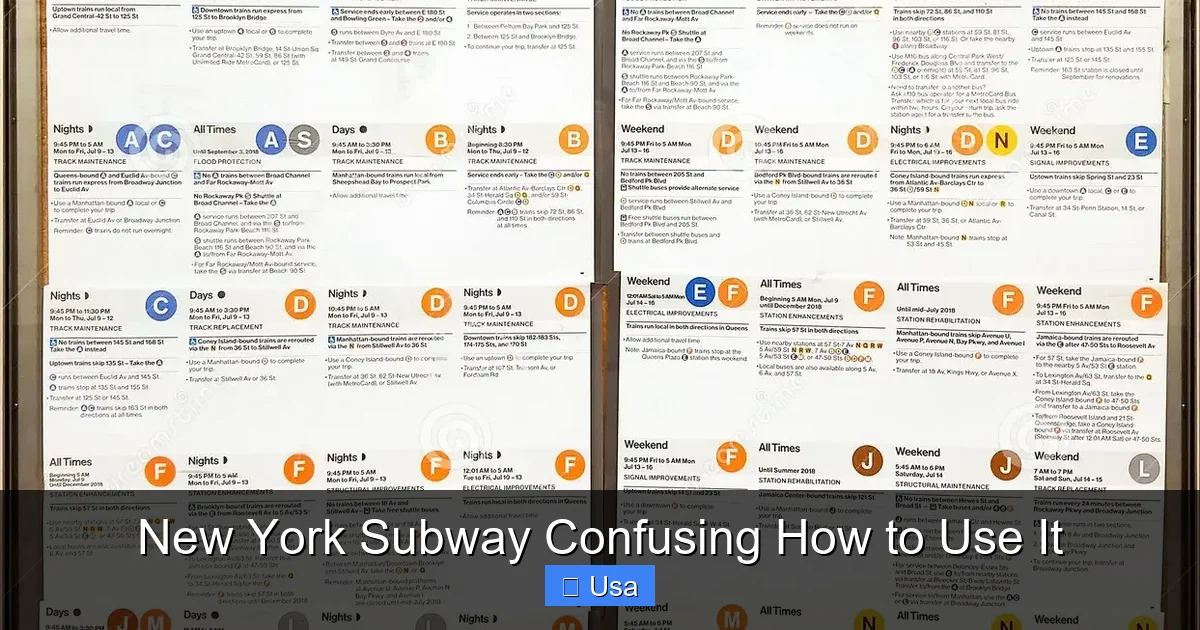
Visual guide about New York Subway Confusing How to Use It
Image source: thumbs.dreamstime.com
OMNY (Recommended for New Riders)
OMNY is the modern, contactless way to pay. Simply tap your credit or debit card, smartphone, or smartwatch on the OMNY reader at the turnstile. No need to buy a separate card or worry about running out of balance. OMNY works on all subway lines and buses, and it automatically gives you the best fare—like free transfers between subway and bus within two hours.
MetroCard (Still Widely Used)
If you prefer a physical card, you can buy a MetroCard at any subway station from a vending machine or booth. Choose between a Pay-Per-Ride card (add money as needed) or an Unlimited Ride card (great for tourists staying a week or more). Insert the card into the slot at the turnstile and pull it out quickly—don’t swipe slowly like a credit card.
Tip: Avoid Common Payment Mistakes
- Don’t tap your card twice—it will deduct another fare.
- If using OMNY, make sure your card isn’t in a metal wallet (it blocks the signal).
- Keep your MetroCard clean and undamaged—scratched cards won’t work.
Step 2: Read the Subway Map Like a Pro
The NYC subway map looks like a rainbow exploded, but it’s actually logical once you understand the system.
Find the Best Accommodation Deals
Compare prices from multiple booking platforms and find the best option for your stay.
Compare Hotel Prices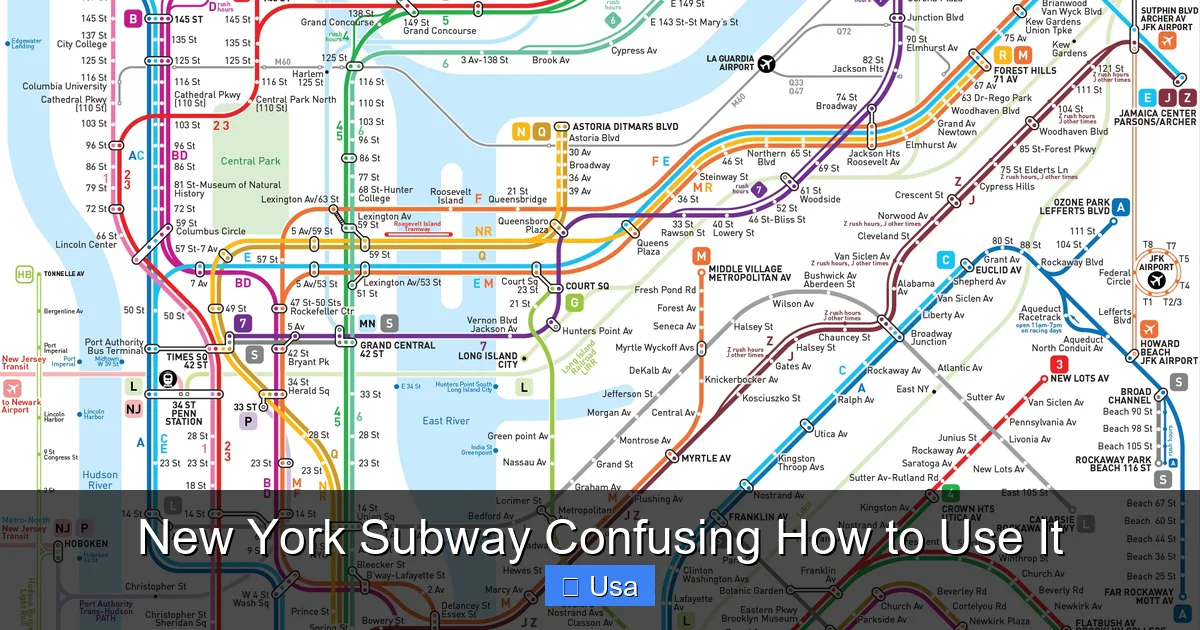
Visual guide about New York Subway Confusing How to Use It
Find the Best Accommodation Deals
Compare prices from multiple booking platforms and discover the best stay options available.
⭐ Trusted by thousands of travelers
💰 Budget to luxury options available
Image source: pluspng.com
Colors and Lines
Each subway line has a color and a letter or number. For example, the 4, 5, and 6 trains are green and run along the Lexington Avenue Line. The A, C, and E trains are blue and run under 8th Avenue. The colors help you quickly identify which line you’re on or need to take.
Express vs. Local Trains
Some lines have both express and local trains. Express trains skip certain stops and are faster, while local trains stop at every station. Look for signs on the platform: “Express” or “Local.” For example, the 4 and 5 trains are express on the Lexington Line, while the 6 is local.
Best Stay Deals Available
Compare prices across top booking platforms and find the best deal for your stay.
Check Available RoomsUptown vs. Downtown
Trains run in two directions: uptown (north) and downtown (south). Always check the signs on the platform to make sure you’re boarding the right train. The destination sign on the front of the train will say “Uptown” or “Downtown,” or list the final stop (e.g., “Brooklyn Bridge” or “Coney Island”).
Tip: Use the Map Strategically
- Look for transfer points—stations where you can switch between lines without exiting.
- Notice that some lines only run express during rush hour—check service updates.
- Download a map on your phone or take a photo of one in the station.
Step 3: Plan Your Route
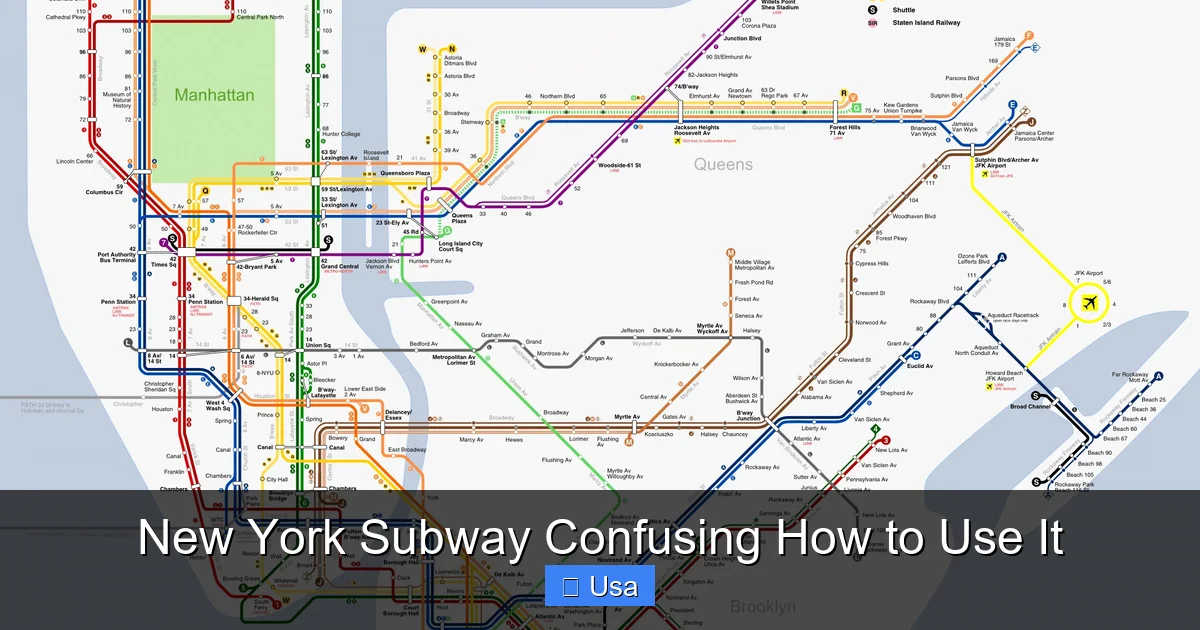
Don’t just hop on the first train you see. Planning ahead saves time and stress.
Visual guide about New York Subway Confusing How to Use It
Image source: pluspng.com
Use a Transit App
Apps like Citymapper, Google Maps, or the official MYmta app show real-time arrivals, service changes, and the fastest route. Just enter your start and end points, and the app will guide you step by step.
Example: Getting from Times Square to Brooklyn Bridge
- At Times Square-42nd St, take the downtown 4, 5, 6, or R train.
- Get off at Brooklyn Bridge-City Hall (4, 5, 6) or City Hall (R).
- Walk a few blocks to the Brooklyn Bridge entrance.
This route takes about 15 minutes and avoids unnecessary transfers.
Tip: Allow Extra Time
Delays happen—especially during rush hour or bad weather. Always leave a buffer in your schedule, especially if you’re catching a flight or attending an important event.
Step 4: Navigate the Station
Subway stations can be maze-like, but a few tips help you find your way.
Find the Right Entrance
Most stations have multiple entrances. Look for signs pointing to specific lines or directions (e.g., “4, 5, 6 to Brooklyn”). If you’re unsure, ask a station agent or check the station map near the entrance.
Follow the Signs
Inside the station, follow the colored signs that match your train line. Arrows will guide you to the correct platform. If you see “No Entry” or “Exit Only,” don’t go that way—you might get stuck.
Wait on the Right Platform
Once you’re on the platform, stand behind the yellow safety line. Listen for announcements and watch for the train’s destination sign. If you’re unsure, ask another rider or check the digital boards above the platform.
Tip: Avoid Rush Hour Crowds
Trains are packed between 7–9 a.m. and 5–7 p.m. If possible, travel before 7 a.m. or after 9 a.m. for a more comfortable ride. Stand near the doors if you’re getting off soon—this helps others board quickly.
Step 5: Ride the Train Safely
Once you’re on board, stay aware and respectful.
Find a Seat or Hold On
Seats are limited, especially during peak hours. If standing, hold onto a pole or strap—don’t lean against the doors. Let passengers exit before you board.
Keep Your Belongings Close
Pickpocketing can happen in crowded trains. Keep your bag in front of you, and don’t leave items unattended. Avoid loud conversations or playing music without headphones.
Know When to Get Off
Listen for station announcements or watch the digital signs inside the car. If you miss your stop, don’t panic—just get off at the next station and take a train back. Most lines run frequently.
Tip: Be Courteous
- Offer your seat to elderly, pregnant, or disabled passengers.
- Don’t block the doors—step aside to let people pass.
- Keep food and strong-smelling items to a minimum.
Troubleshooting Common Problems
Even experienced riders run into issues. Here’s how to handle them.
Missed Your Stop?
Stay calm. Get off at the next station and look for a train going in the opposite direction. Most lines are bidirectional, so you can usually backtrack easily.
Train Delayed or Not Running?
Check the MTA website or app for service alerts. Use an alternate route or consider taking a bus, rideshare, or walking if it’s not too far.
Lost Your MetroCard or OMNY Card?
If you lose a MetroCard, the balance is gone—there’s no way to recover it. With OMNY, your fare history is tied to your card or device, so you’re covered. Always register your OMNY account online for added protection.
Can’t Get Through the Turnstile?
If your card or tap doesn’t work, try again. If it still fails, go to the station agent for help. They can check your balance or issue a temporary pass.
Final Tips for a Smooth Ride
With practice, the NYC subway becomes easy—and even enjoyable. Here are a few final tips:
- Travel light: Avoid bulky luggage during rush hour.
- Stay hydrated: Bring a water bottle—stations have water fountains.
- Be patient: Delays happen. Take a deep breath and go with the flow.
- Explore: The subway connects you to neighborhoods, museums, parks, and food spots you might otherwise miss.
Conclusion
The New York subway may seem confusing at first, but it’s one of the most efficient ways to get around the city. By understanding payment options, reading the map, planning your route, and staying aware, you’ll navigate like a local in no time. Don’t let fear hold you back—step onto that platform, tap your card, and enjoy the ride. Welcome to New York!