
Winter in New York City can be magical—but also challenging. This guide helps you prepare for snowstorms, transit delays, and icy conditions so you can explore safely and comfortably. Stay warm, stay smart, and enjoy the city that never sleeps—even in January.
Key Takeaways
- Pack smart for the cold: Layer clothing, wear waterproof boots, and bring hand warmers to stay comfortable in freezing temperatures.
- Check transit updates daily: Snow and ice can delay subways and buses—use the MTA app or website to stay informed.
- Walk with caution: Sidewalks and crosswalks may be icy; wear grippy shoes and avoid rushing.
- Book flexible travel plans: Flights and trains can be disrupted—choose refundable tickets and allow extra time.
- Know emergency resources: Save local numbers, locate nearby shelters, and carry a charged phone at all times.
- Embrace indoor attractions: When it’s too cold outside, explore museums, theaters, and cozy cafes.
- Stay hydrated and fueled: Cold weather dehydrates you faster—drink water and eat warm meals regularly.
Quick Answers to Common Questions
Should I rent a car in NYC during winter?
No—renting a car in winter is not recommended. Parking is expensive, roads can be icy, and public transit is usually more reliable. Stick to subways, buses, and rideshares.
Check the latest prices and available rooms before they sell out.
What’s the best time to visit NYC in winter?
Late January to early February is cold but less crowded. Avoid the week between Christmas and New Year’s—it’s busy and expensive.
How do I stay warm while waiting for the subway?
Stand near heated areas (like near vents or inside stations), wear all your layers, and use hand warmers. Avoid standing on cold metal benches.
Are tourist attractions open in winter?
Most are, but hours may change. Check websites in advance. Some outdoor spots like ice rinks (Rockefeller Center, Bryant Park) are seasonal and worth visiting.
What should I do if I get stranded in a snowstorm?
Stay inside, call 311 for help, and use your phone to contact your hotel or a friend. Avoid walking long distances in heavy snow or high winds.
Introduction: Why Winter Travel in NYC Is Both Beautiful and Challenging
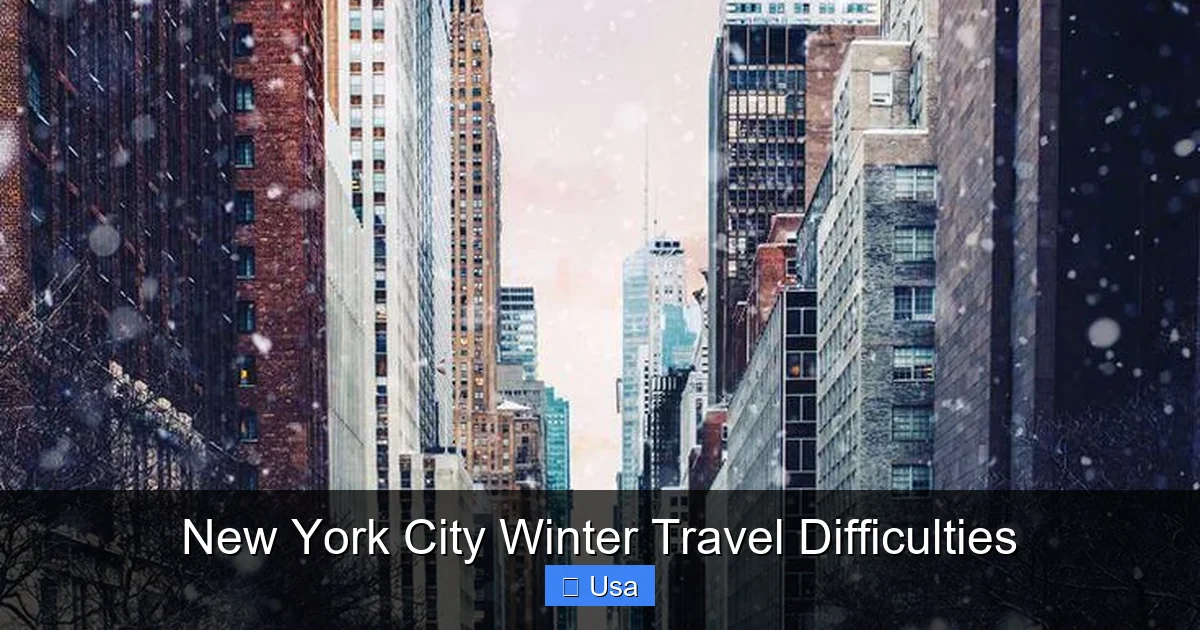
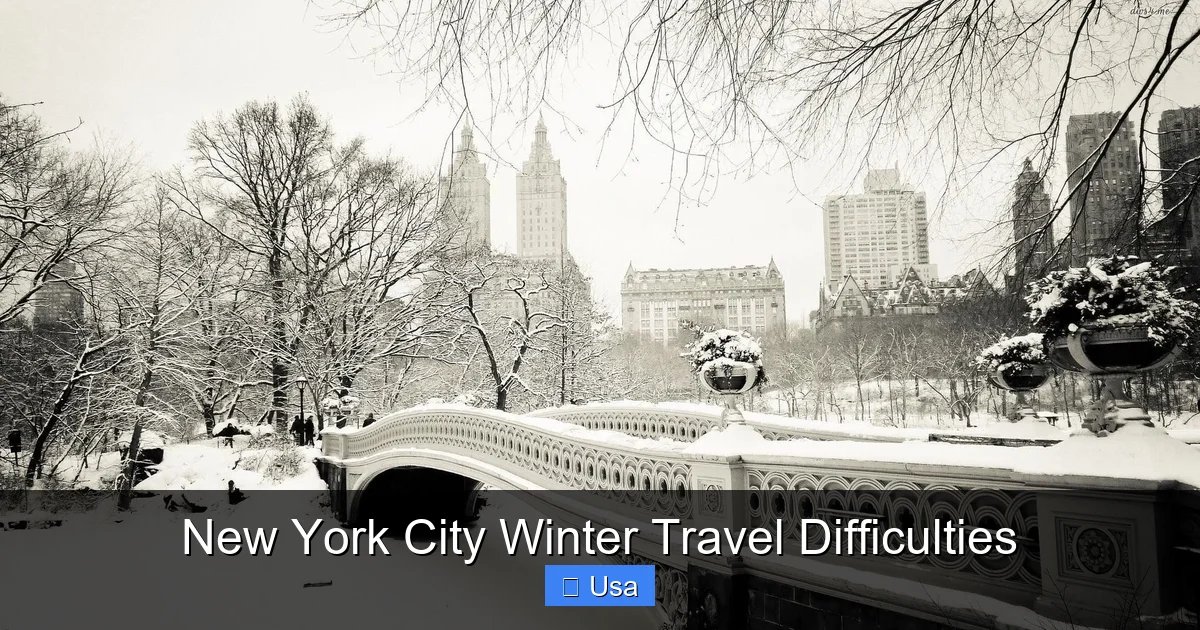
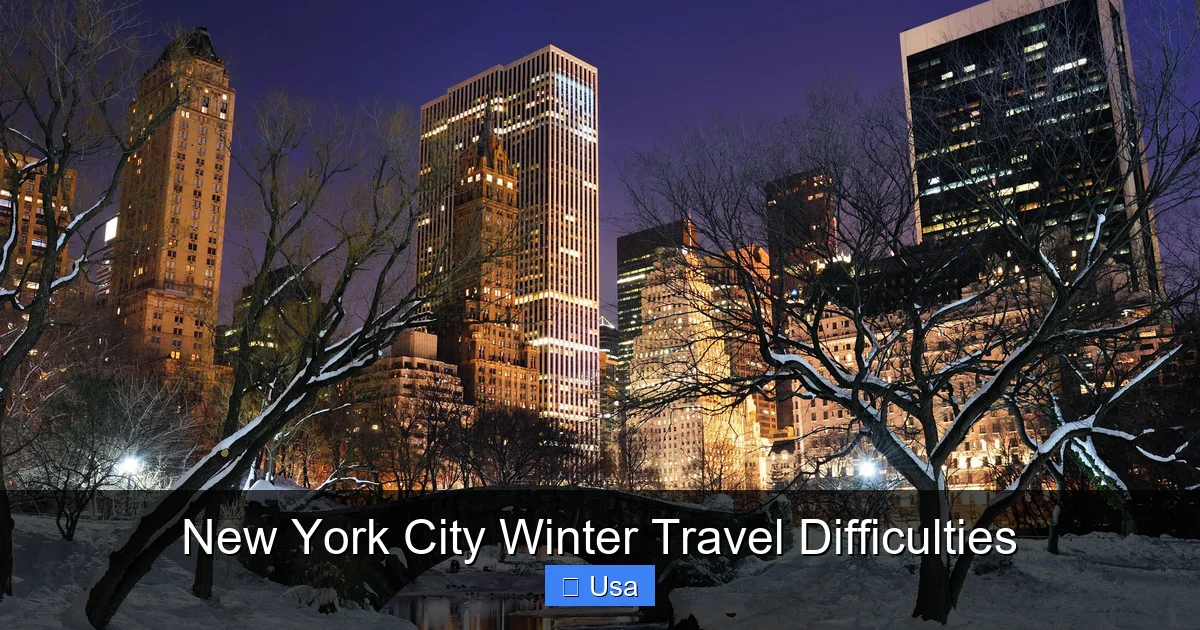
New York City in winter is a postcard come to life—sparkling snow on Central Park, holiday lights on Fifth Avenue, and cozy cafes glowing in the cold. But behind the charm lies real travel difficulty. From sudden snowstorms to delayed subways and icy sidewalks, winter in NYC demands preparation.
This guide will walk you through everything you need to know to travel safely and comfortably during the colder months. Whether you’re visiting for a weekend or staying longer, you’ll learn how to pack, navigate transit, avoid hazards, and make the most of your trip—even when the weather turns harsh.
Step 1: Prepare Your Wardrobe for Extreme Cold
Dressing properly is the first step to enjoying NYC in winter. The city can drop below 20°F (-7°C), and wind chill near skyscrapers makes it feel even colder.
Find the Best Accommodation Deals
Compare prices from multiple booking platforms and find the best option for your stay.
Compare Hotel PricesLayer Up Like a Pro
Start with a moisture-wicking base layer (like thermal underwear), add an insulating mid-layer (fleece or wool), and finish with a windproof, waterproof outer shell. This system traps heat and keeps you dry if snow melts on your clothes.
Invest in Quality Footwear
Regular sneakers won’t cut it. Choose boots with thick soles, good tread, and insulation. Brands like Sorel, Columbia, or even waterproof hiking boots work well. Avoid fashion boots—they often lack grip and warmth.
Find the Best Accommodation Deals
Compare prices from multiple booking platforms and discover the best stay options available.
⭐ Trusted by thousands of travelers
💰 Budget to luxury options available
Don’t Forget Accessories
Pack a warm hat (covering your ears), insulated gloves or mittens, a scarf, and hand warmers. You can buy disposable hand warmers at pharmacies or outdoor stores—they’re cheap and last for hours.
Example Outfit for a Day Out
- Thermal top and leggings
- Fleece pullover
- Puffer jacket with a hood
- Waterproof boots with wool socks
- Beanie, scarf, and gloves
Step 2: Plan Your Transportation Wisely
NYC’s public transit is usually reliable, but winter weather can cause delays, cancellations, or service changes.
Use Real-Time Transit Apps
Download the MTA Subway Time app or visit new.mta.info for live updates. These tools show which lines are running, delays, and service changes due to snow or ice.
Best Stay Deals Available
Compare prices across top booking platforms and find the best deal for your stay.
Check Available RoomsAllow Extra Time for Commutes
Snow removal, signal issues, and increased ridership can slow down trains and buses. Add 20–30 minutes to your usual travel time, especially during or after a storm.
Consider Alternatives When Transit Fails
If subways are shut down, try:
- Citi Bike (in select areas): Some stations remain open, but check conditions—icy roads are dangerous.
- Rideshares or taxis: Prices may surge during bad weather, so compare apps like Uber, Lyft, and local cabs.
- Walking (short distances): If sidewalks are clear, walking can be faster than waiting for delayed trains.
Airport Travel Tips
JFK, LaGuardia, and Newark airports often face winter delays. Check your flight status the night before and morning of travel. Allow 2–3 hours extra for check-in and security. Consider taking the AirTrain or subway to the airport—it’s cheaper and sometimes more reliable than taxis in snow.
Step 3: Navigate Sidewalks and Streets Safely
Icy sidewalks are a major hazard in NYC. The city plows major roads, but side streets and sidewalks may not be cleared quickly.
Watch Where You Step
Black ice—thin, nearly invisible ice—can form overnight. Look for glossy patches on pavement, especially in shaded areas or under snow.
Walk Like a Penguin
Take short, flat steps and keep your center of gravity over your front leg. Avoid walking with your hands in your pockets—you’ll need them to balance if you slip.
Use Handrails and Crosswalks
Hold onto railings on stairs and bridges. At intersections, wait for the walk signal and check that cars have fully stopped—some drivers don’t slow down in snow.
Report Dangerous Conditions
If you see an icy sidewalk or unplowed street, report it to 311 (call or use the app). The city responds to complaints, especially in high-traffic areas.
Step 4: Stay Informed About Weather and Alerts
Winter storms can develop quickly. Staying updated helps you avoid getting stranded.
Check the Forecast Daily
Use reliable sources like the National Weather Service or apps like Weather Underground. Look for snow totals, wind speeds, and temperature drops.
Sign Up for Alerts
Register for Notify NYC (text or email alerts) for emergency updates, transit changes, and shelter openings. You can also follow @NotifyNYC on Twitter.
Know the Difference Between Snow Advisories
- Winter Weather Advisory: 2–5 inches of snow expected—travel may be difficult.
- Winter Storm Warning: 6+ inches or dangerous conditions—avoid travel if possible.
- Blizzard Warning: High winds and heavy snow—stay indoors.
Step 5: Choose the Right Accommodations
Where you stay can make or break your winter trip.
Stay Near Public Transit
Pick a hotel or Airbnb close to subway lines. This reduces walking in bad weather and makes it easier to get around if roads are closed.
Check Heating and Amenities
Older buildings may have uneven heating. Read reviews to ensure your room stays warm. Look for places with 24/7 front desks, in case you need help late at night.
Consider Indoor Perks
Hotels with gyms, lounges, or nearby malls give you warm places to retreat. Some even offer free hot cocoa or heated lobbies—perfect after a cold day out.
Step 6: Embrace Indoor Activities When It’s Too Cold
Sometimes, the best thing to do is go inside. NYC has world-class indoor attractions.
Top Indoor Spots for Winter
- The Metropolitan Museum of Art: Warm, spacious, and full of masterpieces.
- Broadway Shows: Catch a musical or play—tickets are often discounted in winter.
- Brooklyn Museum or MoMA: Great for art lovers.
- Grand Central Terminal: Explore the hidden gems and dine under the stars.
- Chelsea Market: Food hall with warm seating and unique shops.
Cozy Cafes and Bookstores
Warm up with a latte at Bluestone Lane or Devoción, or browse books at Strand Bookstore or McNally Jackson.
Troubleshooting Common Winter Travel Problems
Even with preparation, things can go wrong. Here’s how to handle common issues.
Problem: Flight or Train Delayed
Contact your airline or Amtrak immediately. Ask about rebooking, refunds, or hotel vouchers. Use apps like FlightAware to track delays in real time.
Visual guide about New York City Winter Travel Difficulties
Image source: wallpaperaccess.com
Visual guide about New York City Winter Travel Difficulties
Image source: wallpapercave.com
Visual guide about New York City Winter Travel Difficulties
Image source: wallpapercave.com
Problem: Lost or Slippery Footing
If you slip, try to roll with the fall to avoid injury. If you’re hurt, call 911 or go to the nearest urgent care. Most hotels and stores will help if you’re nearby.
Problem: Power Outage or Hotel Issue
Call your hotel front desk. If it’s widespread, check Notify NYC for updates. Keep a flashlight and portable charger in your bag.
Problem: Running Out of Warm Clothes
Visit a nearby store like Uniqlo, Target, or Duane Reade. Many sell affordable gloves, hats, and hand warmers. Avoid tourist traps with inflated prices.
Conclusion: Enjoy NYC Winter with Confidence
Winter travel in New York City doesn’t have to be stressful. With the right clothes, tools, and mindset, you can navigate snowstorms, icy streets, and transit delays like a local. Remember to pack layers, check transit updates, walk carefully, and embrace indoor adventures when needed.
The city’s winter charm—frosted windows, steaming street food, and twinkling lights—is worth the extra effort. Stay prepared, stay warm, and you’ll create memories that last long after the snow melts.