
New York City is vibrant at night, but staying safe requires awareness and preparation. This guide covers practical steps to protect yourself after dark, from choosing safe transit to using safety apps and knowing emergency resources.
Key Takeaways
- Plan your route in advance: Know where you’re going and how to get there before heading out. Use trusted apps like Google Maps or Citymapper to avoid getting lost.
- Stick to well-lit, busy areas: Avoid shortcuts through alleys or quiet side streets. Stay on main roads with pedestrian traffic and streetlights.
- Use reliable transportation: Opt for licensed taxis, rideshares like Uber or Lyft, or the subway during late hours. Avoid unmarked cabs or hitchhiking.
- Stay aware of your surroundings: Keep your phone down, avoid loud headphones, and stay alert. Trust your instincts if something feels off.
- Carry emergency contacts and a charged phone: Have 911, a trusted friend, and local precinct numbers saved. Keep your phone charged and consider a portable charger.
- Use safety apps: Apps like Noonlight, bSafe, or Citizen can alert contacts or authorities if you feel unsafe.
- Know your rights and resources: Familiarize yourself with NYC’s 311 non-emergency line and local precinct locations for quick help.
Quick Answers to Common Questions
Should I walk alone late at night in NYC?
It’s best to avoid walking alone in quiet or poorly lit areas. Stick to busy streets and consider using a rideshare or subway instead.
Check the latest prices and available rooms before they sell out.
Is the NYC subway safe after midnight?
Generally yes, but stay alert, sit near others, and avoid empty cars. Check service updates to avoid delays.
What app can help me stay safe at night?
Noonlight and bSafe are excellent choices. They let you alert contacts or emergency services with a button press or voice command.
What should I do if I feel followed?
Cross the street, enter a store, or call a friend. If you’re in immediate danger, shout for help and call 911.
Can I call 311 for safety help?
Yes! Use 311 for non-emergencies like finding a precinct, reporting suspicious activity, or getting directions late at night.
Introduction: Staying Safe in the City That Never Sleeps
New York City is famous for its energy, culture, and round-the-clock activity. Whether you’re catching a late show, working the night shift, or enjoying a night out, the city offers endless opportunities after dark. But with that vibrancy comes responsibility—staying safe during late-night hours requires awareness, planning, and smart choices.
This guide will walk you through practical steps to protect yourself while navigating NYC after sunset. From choosing safe transportation to using technology wisely, we’ll cover everything you need to enjoy the city confidently. By the end, you’ll have a clear action plan to minimize risks and respond effectively if something goes wrong.
Step 1: Plan Your Night Before You Go Out
The best way to stay safe is to prepare ahead of time. A little planning can prevent a lot of stress later.
Find the Best Accommodation Deals
Compare prices from multiple booking platforms and find the best option for your stay.
Compare Hotel Prices
Visual guide about New York City Late Night Safety Concerns
Find the Best Accommodation Deals
Compare prices from multiple booking platforms and discover the best stay options available.
⭐ Trusted by thousands of travelers
💰 Budget to luxury options available
Image source: bellpollockinjury.com
Research Your Destination
Before heading out, look up the neighborhood you’re visiting. Is it well-lit? Are there active businesses or restaurants nearby? Use Google Street View to get a feel for the area. Avoid places that look deserted or poorly maintained.
Share Your Plans
Let a friend or family member know where you’re going and when you expect to return. Send them your destination and route. If you’re meeting someone, share their name and contact info. This simple step can be a lifesaver in an emergency.
Best Stay Deals Available
Compare prices across top booking platforms and find the best deal for your stay.
Check Available RoomsCheck Public Transit Schedules
The NYC subway runs 24/7, but some lines may have reduced service late at night. Check the MTA website or app for real-time updates. If you’re taking the bus, confirm the last departure time to avoid being stranded.
Step 2: Choose Safe Transportation Options
How you get around after dark can make a big difference in your safety.
Visual guide about New York City Late Night Safety Concerns
Image source: thumbs.dreamstime.com
Use Licensed Rideshares and Taxis
Uber, Lyft, and yellow cabs are regulated and tracked, making them safer than unmarked vehicles. Always check the license plate, driver name, and car model before getting in. Sit in the back seat and share your trip details with someone you trust using the app’s built-in feature.
Avoid Walking Alone in Isolated Areas
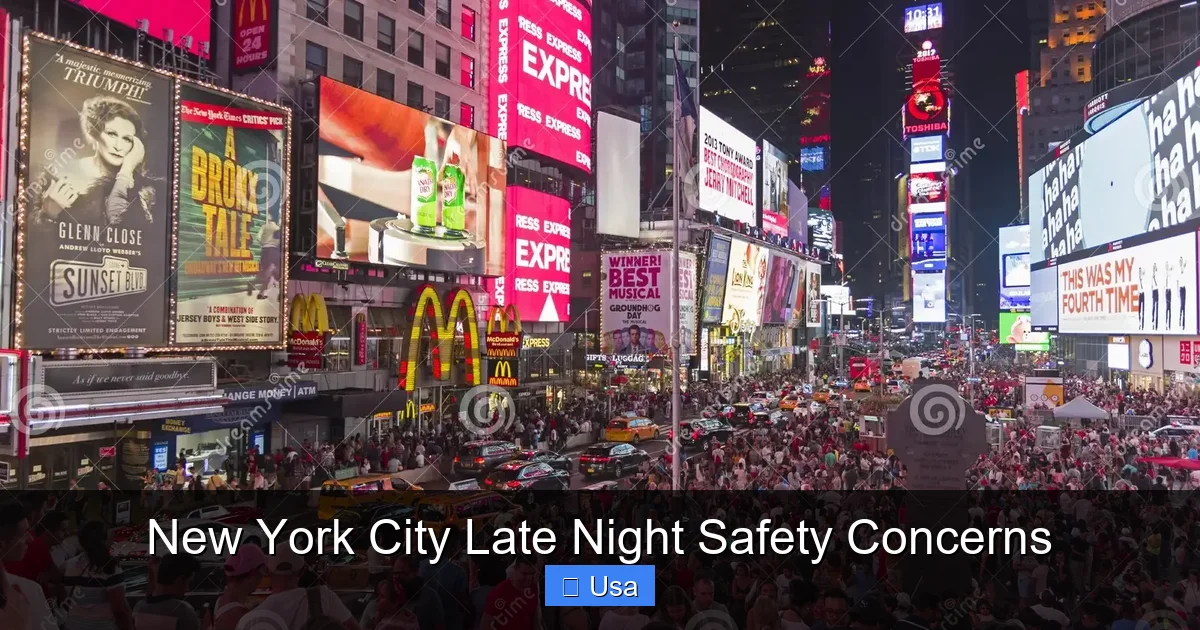
If you must walk, stay on main streets with good lighting and foot traffic. Avoid shortcuts through parks, alleys, or subway tunnels unless they’re busy and well-lit. For example, walking through Times Square at 2 a.m. is safer than cutting through a quiet residential block in Brooklyn.
Consider the Subway with Caution
The subway is generally safe, but late-night rides can feel less crowded. Sit near the conductor’s car if possible, and avoid empty platforms. Keep your belongings close and stay awake—don’t fall asleep on the train.
Step 3: Stay Alert and Aware of Your Surroundings
Being aware is one of the most effective safety tools you have.
Visual guide about New York City Late Night Safety Concerns
Image source: i.pinimg.com
Limit Distractions
Avoid using your phone excessively or wearing noise-canceling headphones. You need to hear and see what’s happening around you. If you’re texting, stop walking and step aside to a safe spot.
Trust Your Gut
If a situation feels off—like someone following you or a place that seems too quiet—trust your instincts. Move to a busier area, enter a store, or call a friend. It’s better to be overly cautious than regretful later.
Watch for Scams and Distractions
Be cautious of people asking for money, offering unsolicited help, or trying to distract you (e.g., spilling something on you). These can be tactics to steal your belongings. Politely decline and walk away.
Step 4: Use Technology to Enhance Safety
Smartphones and apps can be powerful safety tools when used correctly.
Download Safety Apps
Apps like Noonlight let you discreetly alert emergency services. Press and hold the button, and if you don’t enter a code within a set time, help is dispatched. bSafe allows you to share your location with trusted contacts and trigger an alarm with your voice.
Enable Location Sharing
Use built-in features like iPhone’s “Find My” or Google’s location sharing to let friends track your real-time location during your outing. Turn it off when you’re home safe.
Keep Your Phone Charged
Carry a portable charger or power bank. A dead phone leaves you disconnected and vulnerable. Charge your phone before heading out, especially if you’ll be out past midnight.
Step 5: Know Emergency Resources and How to Use Them
Quick access to help can make all the difference in a crisis.
Call 911 for Emergencies
For crimes in progress, medical emergencies, or immediate danger, call 911. Stay on the line and provide your location, even if you can’t speak—operators can often trace calls.
Use 311 for Non-Emergencies
If you’re lost, need directions, or see something suspicious but not urgent, call 311. They can connect you to local services or direct you to the nearest precinct.
Locate the Nearest Police Precinct
Know where the closest NYPD precinct is in the area you’re visiting. Many have 24-hour front desks. You can find precinct locations on the NYPD website or Google Maps.
Step 6: Dress and Act Confidently
How you present yourself can influence how others perceive you.
Wear Comfortable, Practical Clothing
Choose shoes you can walk in quickly if needed. Avoid flashy jewelry or expensive gadgets that might draw unwanted attention. Dress appropriately for the weather—being cold or overheated can distract you from staying alert.
Walk with Purpose
Even if you’re unsure of your route, walk like you know where you’re going. Head up, shoulders back, and move with confidence. This reduces the chance of being targeted.
Troubleshooting Common Late-Night Safety Issues
Even with preparation, things can go wrong. Here’s how to handle common problems.
What to Do If You’re Lost
Stay calm. Use your phone to check your location. If you’re near a subway station, go inside—staff can help. If you’re in a safe area, ask a store employee or police officer for directions. Avoid asking strangers who seem intoxicated or aggressive.
Handling Unwanted Attention
If someone is bothering you, don’t engage. Walk away quickly and enter a public place like a restaurant, pharmacy, or subway station. If they follow you, call 911 or shout for help. Bystanders often step in when they hear someone in distress.
Dealing with a Lost or Stolen Phone
If your phone is stolen, use another device to log into your accounts and enable “Find My” to lock or erase it remotely. Report the theft to the police and your carrier. Having a backup plan—like a cheap prepaid phone—can help in a pinch.
Conclusion: Enjoy the Night, Stay Safe
New York City at night is full of life, music, food, and adventure. With the right mindset and tools, you can enjoy everything the city offers while staying safe. Remember: preparation, awareness, and smart choices are your best allies.
By planning your route, using trusted transportation, staying alert, and knowing how to get help, you’re already ahead of the game. Share this guide with friends, keep your phone charged, and trust your instincts. The city that never sleeps can be explored safely—just do it wisely.