
Hiking poles are essential gear for many outdoor enthusiasts. Durability varies based on materials and usage, but with proper care, they can last for years. This guide will help you understand what makes hiking poles durable and how to choose the best pair for your needs.
Key Takeaways
- Material Matters: High-quality materials like carbon fiber and aluminum significantly influence durability.
- Construction Quality: Well-made joints and locking mechanisms ensure longevity and safety.
- Proper Maintenance: Regular cleaning and storage extend the lifespan of your hiking poles.
- Intended Use: Choose poles suited for your terrain and activity level to prevent early wear.
- Cost vs. Durability: Investing in reputable brands may cost more but offers better durability.
- Signs of Wear: Check for cracks, loose parts, or corrosion to avoid sudden failures.
- Replacement Tips: Know when to repair or replace your hiking poles for safety and performance.
Quick Answers to Common Questions
Tip 1: How do I know if my hiking pole is durable?
Check for cracks, loose joints, and corrosion. A durable pole will withstand regular use without showing significant wear or damage.
Check the latest prices and available rooms before they sell out.
Tip 2: Should I choose carbon fiber or aluminum?
Aluminum is more durable and better suited for rough terrains, while carbon fiber is lighter but more prone to cracking under impact.
Tip 3: How do I maintain my hiking poles?
Clean them after hikes, inspect for damage, lubricate joints, and store in a dry place to extend their lifespan.
Tip 4: Can I repair my damaged hiking poles?
Yes, many issues like worn grips or loose locks can be repaired or replaced. However, serious cracks or fractures may require replacement.
Tip 5: How long do hiking poles typically last?
With proper care, high-quality hiking poles can last 3-5 years or longer, depending on usage and terrain.
Introduction
Hiking poles are a game-changer on rugged trails, providing stability and reducing stress on your joints. But one common question is: Are hiking poles durable enough to last through tough terrains and frequent use? In this guide, we’ll explore what makes hiking poles durable, how to choose the right ones, and tips to keep them in top shape. Whether you’re a casual hiker or a seasoned trekker, understanding durability helps you make smarter choices and get the most out of your gear.
Understanding what makes hiking poles durable
Materials used in hiking poles
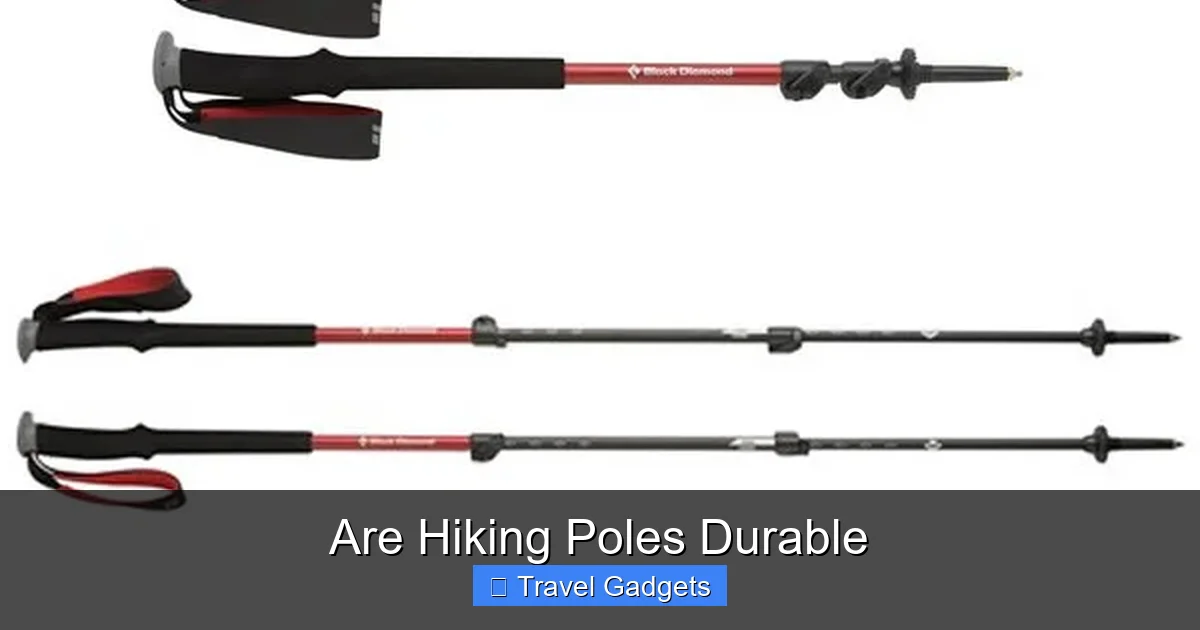
The core of durability lies in the materials used. Most hiking poles are made from:
Find the Best Accommodation Deals
Compare prices from multiple booking platforms and find the best option for your stay.
Compare Hotel PricesVisual guide about Are Hiking Poles Durable
Image source: outdoorhire.co.uk
Find the Best Accommodation Deals
Compare prices from multiple booking platforms and discover the best stay options available.
⭐ Trusted by thousands of travelers
💰 Budget to luxury options available
- Aluminum: Widely used, aluminum is lightweight and reasonably durable. High-grade aluminum alloys like 7075 or 6061 are stronger and more resistant to bending or breaking.
- Carbon fiber: Known for being incredibly lightweight and stiff, carbon fiber poles are also quite durable. However, they can be more prone to cracking under severe impacts if damaged.
Other materials like composite blends exist but are less common. The choice depends on your activity level, terrain, and budget.
Construction quality and design
Beyond raw materials, how the pole is built affects durability. Look for:
- Strong joints: Locking mechanisms (twist locks vs. lever locks) should be sturdy and reliable.
- Reinforced shafts: Areas prone to stress, like the lower shaft, should have reinforcements.
- Quality grips and baskets: Well-made grips and baskets prevent early wear and provide comfort.
Choosing durable hiking poles: Step-by-step guide
Step 1: Assess your hiking needs
Before buying, identify your typical terrain and usage:
Best Stay Deals Available
Compare prices across top booking platforms and find the best deal for your stay.
Check Available Rooms
Visual guide about Are Hiking Poles Durable
Image source: monkeysandmountains.com
- Are you hiking on rocky, uneven trails?
- Will you use poles for winter or summer hikes?
- Do you need lightweight poles for long-distance hikes?
This helps narrow down material and design choices.
Step 2: Select the right material
Aluminum or carbon fiber?
- Aluminum: Durable, affordable, great for rough terrains.
- Carbon fiber: Lighter, ideal for long-distance hikes, but slightly more fragile.
Pro tip: For rugged terrains, aluminum often offers better durability at a lower cost.
Step 3: Check locking mechanisms and joints
- Test the locks: They should secure tightly without slipping.
- Look for trouble-free operation: Twist locks should turn smoothly; lever locks should click firmly into place.
- Avoid cheap locks that may fail over time.
Note: Some advanced models have anti-shock features that can also impact durability.
Step 4: Examine the grip and baskets
- Choose ergonomic grips made from rubber, cork, or foam for comfort and longevity.
- Ensure baskets are sturdy and replaceable if needed.
Step 5: Consider brand reputation and reviews
Opt for reputable brands known for quality and durability. Read customer reviews to learn about real-world performance and longevity.
Maintenance tips for extending the lifespan of hiking poles
- Regular cleaning: Wipe down after hikes to remove dirt and moisture.
- Inspect frequently: Check for cracks, loose parts, or corrosion.
- Store properly: Keep in a dry, cool place away from direct sunlight.
- Lubricate joints: Apply light oil if joints become stiff.
- Replace worn parts: Swap out grips, baskets, or locking mechanisms as needed.
Troubleshooting common durability issues
- Loose locks: Tighten or replace locking mechanisms.
- Cracks in shaft: If you notice cracks, especially in carbon fiber, consider replacing the pole to avoid failure.
- Corrosion: Clean rust spots and apply a protective coating if necessary.
- Wobbly grips: Replace worn grips for comfort and safety.
When to replace your hiking poles
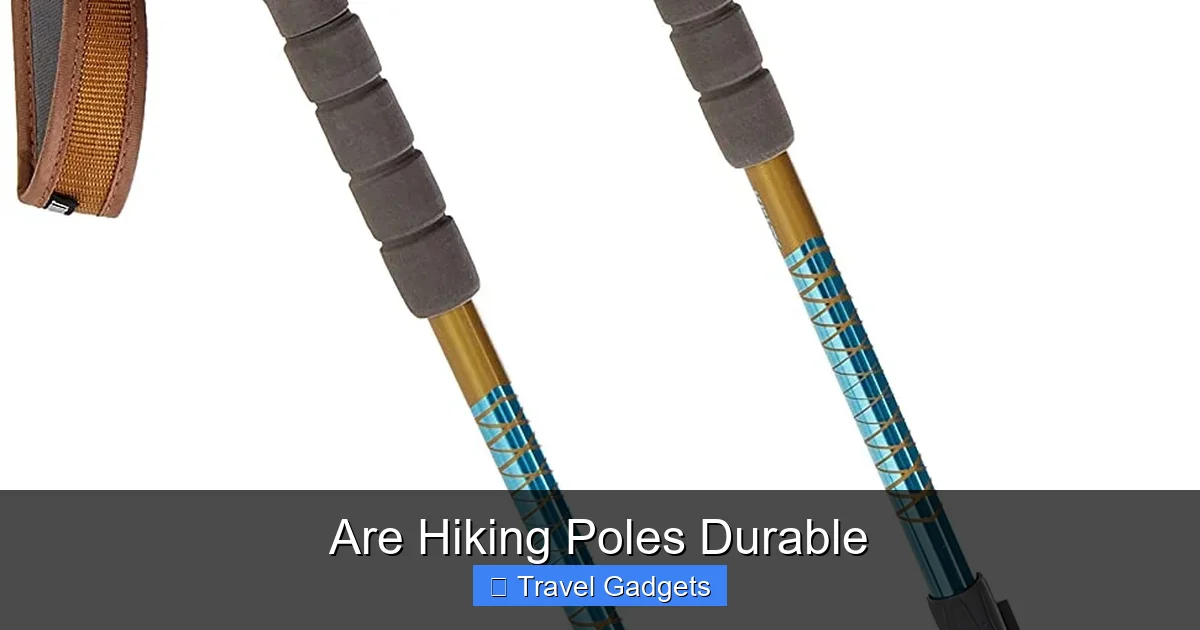
If your poles show signs of significant damage or wear, it’s time to replace them. Common signs include:
Visual guide about Are Hiking Poles Durable
Image source: travelfashiongirlpostphotos.s3.us-east-2.amazonaws.com
- Cracks or fractures in the shaft
- Broken or slipping locks
- Severe corrosion or rust
- Worn-out grips or baskets that cannot be repaired
Always prioritize safety. Faulty poles can cause accidents or injuries.
Conclusion
In 2026, the durability of hiking poles depends on a combination of material quality, construction, and maintenance. By choosing wisely and caring for your gear, you can ensure your hiking poles last for many adventures to come. Remember to assess your needs, inspect regularly, and replace parts or the entire pole when necessary. Well-maintained hiking poles will serve as reliable companions on every trail.
🎥 Related Video: Stop using trekking poles wrong! #shorts #hiking #trekking #trekkingpoles
📺 Oscar Hikes
Here’s how you should be using trekking poles. When you put your hand through the fabric loop, don’t put it in from the top.