
Hiking poles are more than just trekking aids; they can play a significant role in injury prevention. This guide explains how to choose, use, and maintain hiking poles to protect yourself on the trails, ensuring safer and more enjoyable hikes.
Key Takeaways
- Proper technique matters: Using hiking poles correctly reduces strain and prevents falls.
- Adjust to your height: Properly fitted poles improve balance and reduce joint stress.
- Choose the right poles: Lightweight, ergonomic, and suitable for your terrain enhance safety.
- Engage your upper body: Using poles correctly distributes weight and minimizes lower limb injuries.
- Maintain your gear: Regular checks and maintenance prevent equipment failure that could cause accidents.
- Practice falls prevention: Proper pole use can help avoid slips, trips, and falls on uneven terrain.
Quick Answers to Common Questions
Tip/Question?
How can I prevent wrist strain when using hiking poles?
Check the latest prices and available rooms before they sell out.
Use adjustable straps and grip the handles gently. Keep your wrists in a neutral position to avoid unnecessary tension.
Tip/Question?
Should I use hiking poles on flat trails?
Yes, they can still provide stability and help distribute effort, reducing fatigue and lowering injury risk even on flat terrain.
Tip/Question?
What’s the best way to adjust poles for uphill hiking?
Shorten your poles slightly to improve leverage and stability while ascending.
Tip/Question?
Can hiking poles help prevent falls in snowy conditions?
Absolutely, poles with snow baskets can improve traction and balance, reducing slip-related injuries.
Find the Best Accommodation Deals
Compare prices from multiple booking platforms and find the best option for your stay.
Compare Hotel PricesTip/Question?
How often should I replace parts of my hiking poles?
Inspect them after each hike and replace worn-out tips, grips, or locks as needed to ensure safety and performance.
Find the Best Accommodation Deals
Compare prices from multiple booking platforms and discover the best stay options available.
⭐ Trusted by thousands of travelers
💰 Budget to luxury options available
Introduction
If you love exploring the outdoors, you’ve probably wondered whether hiking poles can prevent injuries. The truth is, when used correctly, hiking poles can be a game-changer for safety. They help improve balance, reduce joint strain, and protect you from common trail mishaps. In this guide, we’ll explore how to select, use, and maintain hiking poles to maximize their injury-preventing benefits. Whether you’re a beginner or a seasoned hiker, these tips will help you hike safer and smarter in 2026.
Step 1: Choosing the Right Hiking Poles
Assess Your Terrain and Hiking Style
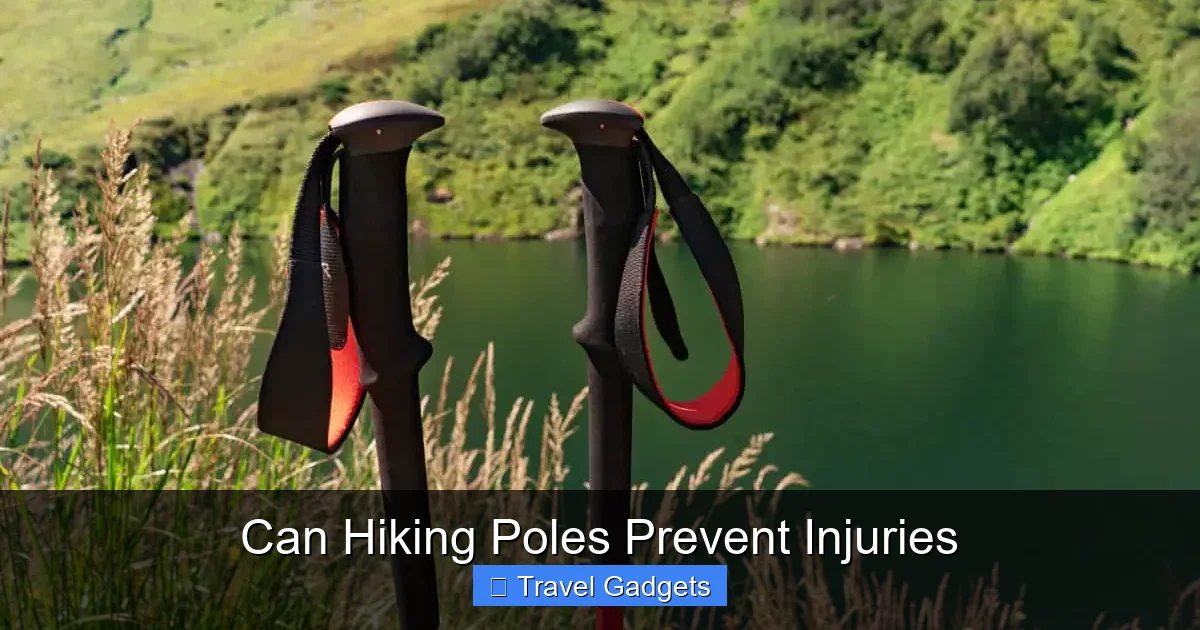
Before buying hiking poles, consider where you’ll hike most often. Are your trails rocky, muddy, or snowy? Do you prefer long-distance walks or short day hikes? Different terrains require different features. For rocky trails, look for durable, shock-absorbing poles. For snowy conditions, choose poles with snow baskets. Matching your hiking style ensures better injury prevention.
Best Stay Deals Available
Compare prices across top booking platforms and find the best deal for your stay.
Check Available RoomsVisual guide about Can Hiking Poles Prevent Injuries
Image source: nomadhiker.com
Select the Correct Length
Properly fitted poles are essential to prevent strain. To find your ideal length:
- Stand upright with your arms relaxed at your sides.
- Hold a pole with your hand gripping the handle, and place the tip on the ground.
- Your elbow should form about a 90-degree angle.
Adjust the poles accordingly. Many modern poles have adjustable lengths, making it easy to customize for different terrains.
Opt for Lightweight and Ergonomic Design
Heavier poles can cause fatigue and increase injury risk. Look for lightweight materials like carbon fiber or aluminum. Ergonomic handles reduce hand fatigue and improve grip, helping you maintain control and prevent slips that can lead to falls.
Step 2: Correct Technique for Using Hiking Poles
Proper Grip and Hand Position
Use a relaxed grip to avoid unnecessary tension. Hold the handle with your palms slightly cupped, and avoid gripping too tightly. Many poles have adjustable straps; insert your hand through the strap so that it supports your grip, reducing wrist strain.
Visual guide about Can Hiking Poles Prevent Injuries
Image source: winehikingsociety.com
Timing and Placement of Poles
Use your poles in sync with your steps:
- Plant the pole slightly ahead and to the side of your foot as you step forward.
- Push down gently to help propel you upward or stabilize yourself on uneven terrain.
- Avoid planting poles too far ahead, which can cause tripping or overextension.
Adjusting for Different Terrains
On steep inclines, shorten your poles to maintain balance. On descents, lengthen them slightly to help absorb shock and reduce knee strain. Practice adjusting your poles quickly for changing terrain to stay safe and injury-free.
Step 3: Using Hiking Poles to Prevent Common Injuries
Preventing Knee and Joint Strain
Walking downhill puts extra pressure on your knees. Use your poles to offload some of that weight by planting them ahead of you and pushing back. This distributes force and lessens joint stress.
Visual guide about Can Hiking Poles Prevent Injuries
Image source: winehikingsociety.com
Reducing Fall Risks on Uneven Terrain
On rocky or slippery trails, poles provide extra stability. Keep your arms slightly bent and plant your poles firmly on stable ground before proceeding. Proper technique helps you avoid slips and falls that could cause sprains or fractures.
Alleviating Upper Body Fatigue
Engaging your arms and shoulders helps distribute effort. Use your poles to propel yourself uphill or steady yourself on descents, reducing fatigue and the risk of losing balance.
Step 4: Maintenance and Troubleshooting
Regular Inspection of Your Poles
Check for cracks, loose parts, or worn-out grips regularly. Replace or repair damaged components promptly to prevent equipment failure during a hike, which could lead to injuries.
Cleaning and Storage Tips
Clean your poles after each hike to remove dirt and mud. Store them in a dry place to prevent corrosion. Proper maintenance extends the lifespan of your gear and ensures reliable performance.
Troubleshooting Common Issues
- Stripped or loose locks: Tighten or replace locking mechanisms.
- Worn grips: Replace handles or add grip tape for comfort.
- Broken tips: Replace or carry spare tips for rocky trails.
Conclusion
Hiking poles are a valuable tool for injury prevention when used correctly. They help improve balance, reduce joint stress, and provide stability on challenging terrain. By choosing the right poles, mastering proper techniques, and maintaining your gear, you can enjoy safer, more comfortable hikes in 2026. Remember, safety begins with knowledge and preparation — so gear up and hike smart!
Final Tips for Injury-Free Hiking
- Practice using your poles on easy trails before tackling difficult terrain.
- Adjust your poles frequently to match changing terrain and conditions.
- Stay relaxed and avoid gripping your poles too tightly.
- Combine pole use with proper footwear and pacing for maximum injury prevention.
🎥 Related Video: STOP Knee PAIN When HIKING Downhill
📺 Front Row with Ed and Elizabeth
There are many health benefits of getting outside, especially spending time in the forest. Hiking is a great way to reduce stress, get …