
Hiking poles are more than just accessories; they are powerful tools to reduce fatigue during long hikes. This guide explains how proper use of hiking poles can conserve energy, improve stability, and enhance your overall hiking experience.
Key Takeaways
- Proper technique reduces muscle strain: Using hiking poles correctly distributes effort across your body, minimizing fatigue.
- Enhanced stability prevents energy loss: Poles help maintain balance on uneven terrain, reducing unnecessary muscle exertion.
- Weight transfer improves efficiency: Proper pole placement allows for better weight transfer from legs to arms, conserving leg energy.
- Adjustable poles optimize comfort: Tailoring pole length ensures proper posture and reduces strain on joints.
- Consistent rhythm boosts endurance: Using poles helps establish a steady pace, delaying fatigue over long distances.
- Terrain-specific techniques maximize benefits: Different terrains require adjusted pole use for maximum fatigue reduction.
Quick Answers to Common Questions
Tip 1: Should I use shock-absorbing poles?
Yes, shock-absorbing poles can reduce joint impact, especially on rough or downhill terrain, helping to prevent fatigue and injury.
Check the latest prices and available rooms before they sell out.
Tip 2: How tight should my wrist straps be?
Adjust wrist straps so they are snug but not tight. They should support your wrist without constricting movement, allowing for better power transfer.
Tip 3: Can I use hiking poles on snow or ice?
Absolutely. Use poles with carbide tips or snow baskets for better grip and stability on snow or ice, which helps reduce fatigue and prevent slips.
Tip 4: How often should I rest during long hikes?
Take short breaks every 1-2 hours to stretch and relax your muscles. Proper rest prevents fatigue and maintains your energy levels.
Tip 5: What’s the best way to store my hiking poles after a hike?
Collapse adjustable poles and store them in a dry, cool place. Clean the tips and grips regularly to prolong their lifespan and maintain performance.
Introduction
Are you tired of feeling exhausted after a long day on the trail? Do your legs ache, knees hurt, or back feel strained? If so, you’re not alone. Many hikers face fatigue, especially on challenging terrain or during extended hikes. But there’s good news—hiking poles can help you reduce fatigue and hike more comfortably. In this guide, you’ll learn how to use hiking poles effectively to conserve energy, improve stability, and enjoy your adventures more. Whether you’re a beginner or seasoned hiker, these tips will help you get the most out of your hiking poles in 2026.
Understanding How Hiking Poles Reduce Fatigue
Hiking poles aren’t just for balance—they assist your body by sharing the workload. When used correctly, they help distribute effort between your legs and arms, reduce impact on your joints, and keep you moving efficiently. This means less muscle strain and less fatigue, even on tough terrains or long hikes. Let’s explore how you can harness these benefits step by step.

Find the Best Accommodation Deals
Compare prices from multiple booking platforms and find the best option for your stay.
Compare Hotel PricesVisual guide about How Hiking Poles Reduce Fatigue
Image source: mytrailco.com
Find the Best Accommodation Deals
Compare prices from multiple booking platforms and discover the best stay options available.
⭐ Trusted by thousands of travelers
💰 Budget to luxury options available
Step 1: Choose the Right Hiking Poles
Selecting the Proper Material and Features
Start with the right gear. Look for lightweight, durable materials like aluminum or carbon fiber. Adjustable length poles are essential for customizing fit and terrain adaptability. Features like shock absorption can further reduce impact fatigue.

Visual guide about How Hiking Poles Reduce Fatigue
Best Stay Deals Available
Compare prices across top booking platforms and find the best deal for your stay.
Check Available RoomsImage source: weatherradioreview.com
Picking the Correct Length
Proper pole length is crucial. When standing upright with your arms relaxed at your sides, your elbows should be at about a 90-degree angle when holding the grips. Adjustable poles make fine-tuning easy, so you can adapt to different terrains.
Step 2: Master Proper Technique
Adjusting Your Poles
Before starting, set your poles to the correct length. For flat terrain, keep them at your measured length. When climbing uphill, shorten them slightly. When descending, lengthen for better control.
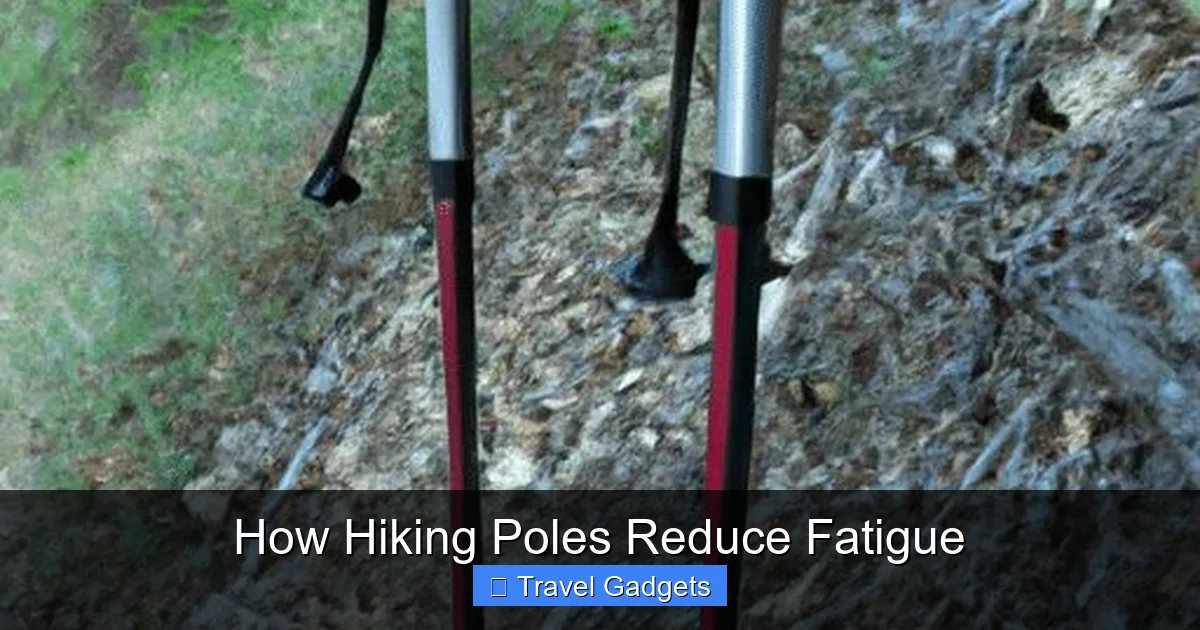
Visual guide about How Hiking Poles Reduce Fatigue
Image source: weatherradioreview.com
Using Poles Correctly
- Grip: Hold the grips firmly but not too tight. Use wrist straps to transfer power efficiently and prevent hand fatigue.
- Arm Movement: Use your arms to push off with each step, not just your wrists or shoulders. Keep your elbows close to your body.
- Footwork: Coordinate your steps with pole planting. Place the poles slightly ahead of your feet, planting them securely before taking your next step.
Walking Technique for Fatigue Reduction
Focus on a smooth, rhythmic motion. Push down on the poles as you step forward, engaging your arm muscles. This movement offloads some effort from your legs, especially your knees and hips.
Step 3: Use Terrain-Appropriate Techniques
On Flat Trails
Maintain a steady rhythm. Use your poles to propel yourself forward, conserving leg energy. Keep your arms engaged but relaxed.
On Uphill Terrain
Shorten your poles slightly to provide more leverage. Use a powerful push-off to help lift your body, reducing strain on your knees and quadriceps.
On Downhill Terrain
Lengthen your poles for stability. Place them slightly behind your body to control descent and absorb shock, preventing fatigue in your legs and reducing joint impact.
Step 4: Maintain Proper Posture and Body Mechanics
Keep your back straight and eyes forward. Avoid leaning heavily on your poles; instead, use them to assist your balance and momentum. Good posture reduces muscle fatigue and prevents injury.
Step 5: Incorporate Rest and Recovery
Take regular breaks to stretch and relax your muscles. Proper rest prevents overexertion and helps maintain energy levels throughout your hike.
Practical Tips and Examples
- Tip: Practice uphill and downhill techniques on easier trails before tackling more challenging terrain.
- Example: During a long mountain trek, switch between different pole lengths to adapt to changing slopes, which helps conserve energy and reduce fatigue.
- Tip: Use your poles to check for loose rocks or unstable footing, preventing falls that could cause fatigue or injury.
Troubleshooting Common Issues
- Issue: Hands cramping or fatigue.
- Issue: Poles slipping or bouncing.
- Issue: Discomfort in shoulders or back.
Solution: Adjust your grip to be more relaxed and ensure wrist straps are properly fitted so you can transfer effort to your arms.
Solution: Check the tip grip and clean the tips regularly. Use rubber tips or baskets for better traction on different surfaces.
Solution: Reassess pole length and your posture. Shortening or lengthening poles can relieve strain.
Conclusion
Hiking poles are a simple yet effective tool to reduce fatigue on your hikes. By choosing the right poles, mastering proper technique, and adapting to terrain, you can hike longer and more comfortably. Remember, practice makes perfect. Incorporate these tips into your routine, and you’ll enjoy hiking more in 2026 and beyond!
🎥 Related Video: Walking Sticks Or Trekking Poles – For Beginners: All You Need To Know!
📺 Bob & Brad
Bob and Brad demonstrate how to stop pain or injuries with the right tape or wraps. Website: https://bobandbrad.com/ Youtube …