
Hiking poles can be a valuable tool for navigating muddy trails, offering stability and reducing strain. This guide explores how to choose, use, and maintain hiking poles to tackle muddy terrain confidently and safely.
Key Takeaways
- Proper gear matters: Use hiking poles with rubber tips or mud-compatible baskets for better traction on muddy trails.
- Enhanced stability: Hiking poles help maintain balance and prevent slips on slippery, muddy surfaces.
- Adjust length correctly: Proper pole length ensures optimal support and reduces fatigue during muddy hikes.
- Technique is key: Using correct pole planting techniques provides maximum grip and stability on mud.
- Maintenance helps: Cleaning and inspecting poles after muddy hikes prolong their lifespan and performance.
- Not a magic solution: While helpful, hiking poles do not eliminate all risks of muddy trails; caution remains essential.
Quick Answers to Common Questions
Tip/Question?
What kind of tips should I use on muddy trails? Use rubber tips or mud baskets to prevent slipping and sinking into deep mud.
Check the latest prices and available rooms before they sell out.
Tip/Question?
How should I adjust my hiking poles on muddy slopes? Make your poles longer for steep inclines and shorter on flat terrain for better control.
Tip/Question?
Can I use regular hiking poles in muddy conditions? Yes, but ensure they have mud-compatible baskets and sturdy tips for better performance.
Tip/Question?
What’s the best way to clean muddy hiking poles? Rinse with water, scrub gently if needed, and dry thoroughly to prevent corrosion and damage.
Tip/Question?
Any additional gear I need for muddy trails? Waterproof boots with good grip and extra baskets for poles can significantly improve your experience.
Introduction
If you love hiking, you know muddy trails can be both challenging and fun. But mud can be slippery, dangerous, and frustrating. So, are hiking poles good for muddy trails? The short answer is yes—when used correctly. In this guide, we’ll explore how hiking poles can improve your stability, safety, and confidence on muddy terrain. We’ll also share tips on choosing the right poles, proper techniques, and maintenance. Whether you’re a seasoned hiker or a beginner, this guide will help you navigate muddy trails more effectively in 2026.
1. Why Use Hiking Poles on Muddy Trails?
Enhanced Stability and Balance
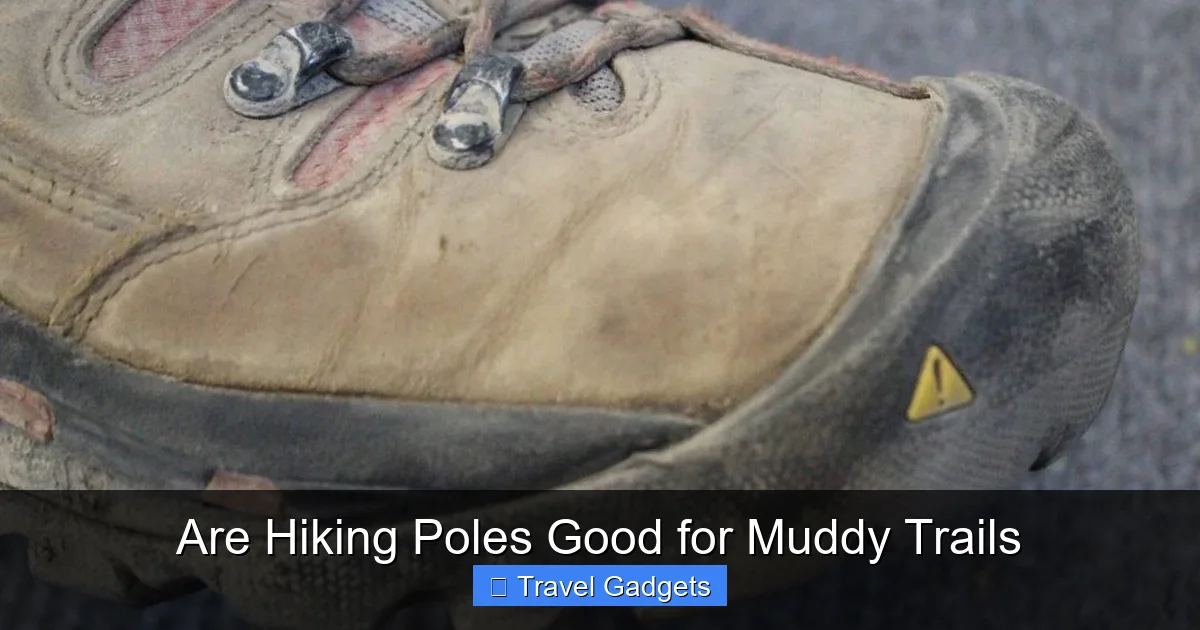
Muddy surfaces are often slippery and uneven. Hiking poles act as additional points of contact, helping you stay balanced. They reduce the risk of slips and falls, especially on steep or uneven muddy slopes.
Find the Best Accommodation Deals
Compare prices from multiple booking platforms and find the best option for your stay.
Compare Hotel PricesVisual guide about Are Hiking Poles Good for Muddy Trails
Image source: deepertrails.com
Find the Best Accommodation Deals
Compare prices from multiple booking platforms and discover the best stay options available.
⭐ Trusted by thousands of travelers
💰 Budget to luxury options available
Reduced Strain and Fatigue
Walking through mud can be tiring. Hiking poles distribute some of your weight, easing stress on your knees and hips. This makes long muddy hikes more comfortable and less exhausting.
Better Traction and Support
With the right tips and baskets, poles grip the ground better, preventing you from slipping. They also help you push off and propel forward, making muddy terrain easier to traverse.
2. Choosing the Right Hiking Poles for Muddy Trails
Material and Durability
Look for lightweight yet sturdy materials like aluminum or carbon fiber. Aluminum is durable and affordable, while carbon fiber is lighter but more expensive. For muddy trails, durability is key to withstand rough conditions.
Best Stay Deals Available
Compare prices across top booking platforms and find the best deal for your stay.
Check Available Rooms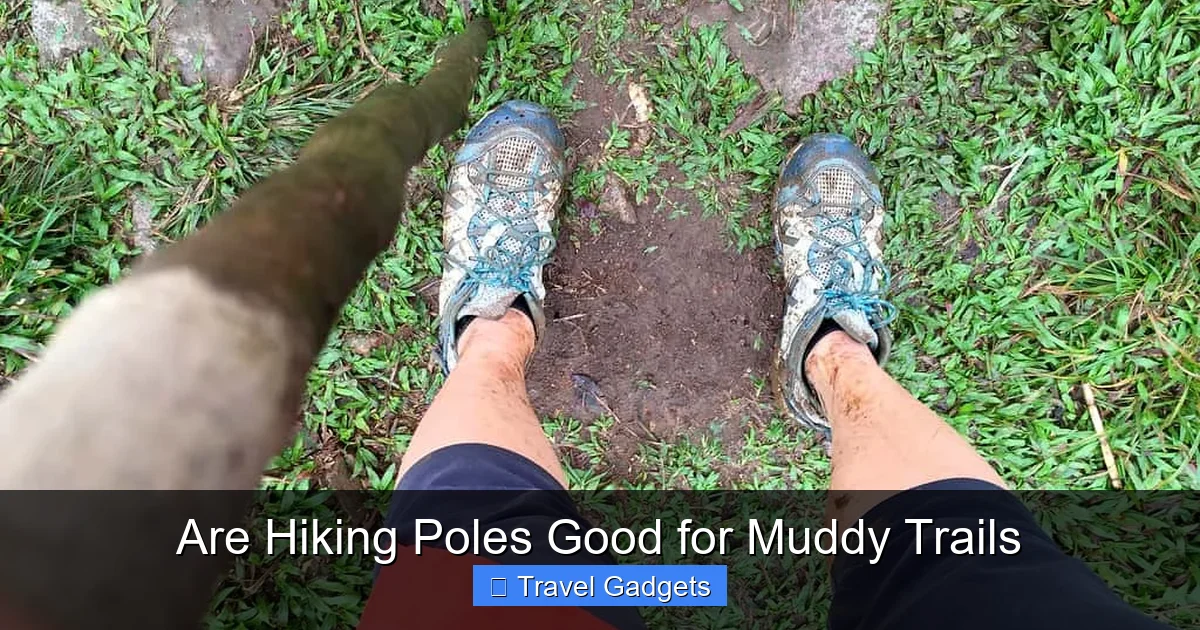
Visual guide about Are Hiking Poles Good for Muddy Trails
Image source: deepertrails.com
Tip and Basket Compatibility
Use poles with interchangeable tips and mud-friendly baskets. Rubber tips provide grip on slippery surfaces, while larger baskets prevent sticking in deep mud. Consider using mud baskets for especially muddy sections.
Adjustable Lengths
Adjustable poles allow you to customize the height for different terrains. For muddy slopes, longer poles can provide extra leverage, while shorter settings help on flat or uneven ground.
Grip and Comfort
Choose ergonomic grips with textured surfaces for a secure hold even when wet. Wrist straps should be adjustable and comfortable to reduce fatigue.
3. Proper Technique for Using Hiking Poles in Muddy Terrain
Adjust Your Poles Correctly
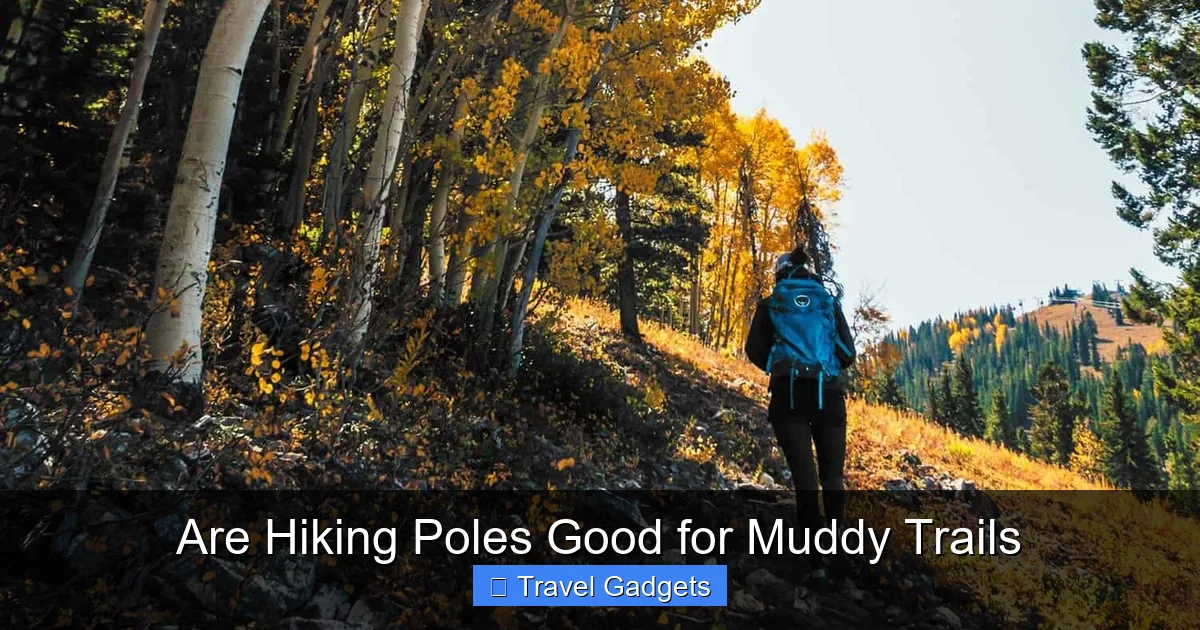
Set your poles to a length where your elbows are at about a 90-degree angle when holding the grips. This gives optimal support and control.
Visual guide about Are Hiking Poles Good for Muddy Trails
Image source: dayhikesneardenver.com
Plant Poles Before You Step
Place your poles ahead of your feet on stable ground. This helps distribute your weight evenly and prevents slips.
Use Poles to Steady Yourself
Press down firmly with your arms as you move forward, especially on steep or slick sections. Avoid over-relying on the poles—use them as support, not crutches.
Navigate Deep Mud Carefully
Wider baskets help prevent the poles from sinking too deep. Use shorter, controlled plantings to avoid getting stuck or losing balance.
4. Practical Tips for Hiking on Muddy Trails with Poles
- Test your gear before hitting the trail: Practice using your poles on different surfaces to get comfortable with the technique.
- Carry extra baskets: Muddy conditions may require swapping out baskets for better grip.
- Wear appropriate footwear: Waterproof hiking boots with good traction complement your use of poles.
- Keep your poles clean: Rinse mud off after hikes to prevent damage and maintain grip quality.
- Watch your step: Always look ahead and choose the firmest ground possible.
5. Troubleshooting Common Issues
Poles Sinking into Deep Mud
Switch to wider baskets or shorten the pole length to prevent sinking. Use the poles to push against firm ground or roots nearby.
Slipping Despite Using Poles
Ensure you’re planting the tips firmly and at the right angle. Switch to rubber tips if using metal ones, and consider mud baskets for extra grip.
Poles Bending or Breaking
Use lightweight, sturdy poles suited for rough terrain. Inspect for damage after each hike and avoid excessive force on unstable ground.
6. Conclusion
In 2026, hiking poles are indeed a valuable tool for muddy trails. They provide extra stability, reduce fatigue, and help you navigate tricky terrain more safely. Choosing the right equipment, mastering proper techniques, and maintaining your gear will maximize your hiking experience. With the tips in this guide, you’ll be well-prepared to tackle muddy trails confidently and enjoy your outdoor adventures to the fullest.
Additional Resources
For more tips and gear recommendations, visit your local outdoor store or trusted hiking forums. Remember, safety always comes first—happy hiking!
🎥 Related Video: How To Run With Poles | Salomon How-To
📺 Salomon TV
Trail poles can save you a lot of energy on the trails, but you need to know how to use them correctly. Gregory Vollet, a trail runner …