
Blisters from hiking boots can ruin an outdoor adventure. Prevent them with proper fitting, moisture control, and foot care techniques. In this guide, you’ll learn step-by-step methods to keep your feet happy and blister-free during your hikes.
Key Takeaways
- Choose the right hiking boots: Proper fit and supportive design help prevent unnecessary friction.
- Break in your boots: Gradually wear new boots to mold them to your feet before long hikes.
- Use moisture-wicking socks: Socks that draw moisture away from your skin reduce blister risk.
- Apply foot protection: Use lubricants, powders, or blister pads to minimize friction points.
- Keep feet dry: Regularly change socks and manage sweat to prevent skin irritation.
- Adjust lacing techniques: Proper lacing distributes pressure evenly and prevents hotspots.
- Pay attention to hot spots: Address any discomfort immediately to avoid blister formation.
Quick Answers to Common Questions
Tip/Question?
How tight should my laces be?
Laces should be snug but not tight enough to cause pressure points or restrict circulation. Adjust as needed during your hike.
Check the latest prices and available rooms before they sell out.
Tip/Question?
Can I wear new boots on a long hike?
No, always break in new hiking boots first to prevent blisters and discomfort on the trail.
Tip/Question?
What socks are best for blister prevention?
Moisture-wicking synthetic or merino wool socks are ideal for keeping feet dry and blister-free.
Tip/Question?
How do I treat a hot spot during a hike?
Stop walking, adjust your laces, and apply blister pads or tape to the area immediately to prevent blister formation.
Tip/Question?
Should I carry extra socks?
Yes, changing damp socks can prevent blisters and keep your feet comfortable during long hikes.
Introduction
Hiking is an incredible way to explore nature, but blisters from hiking boots can quickly turn an enjoyable outing into a painful experience. Blisters occur when friction causes skin to separate from underlying layers, often due to ill-fitting footwear, moisture, or repetitive rubbing. But don’t worry—by following a few simple steps, you can prevent blisters and keep your feet comfortable on all your hikes. In this comprehensive guide, you’ll learn how to select the right boots, prepare your feet, and adopt best practices to avoid blisters in 2026 and beyond.
1. Choose the Right Hiking Boots
Understand Proper Fit
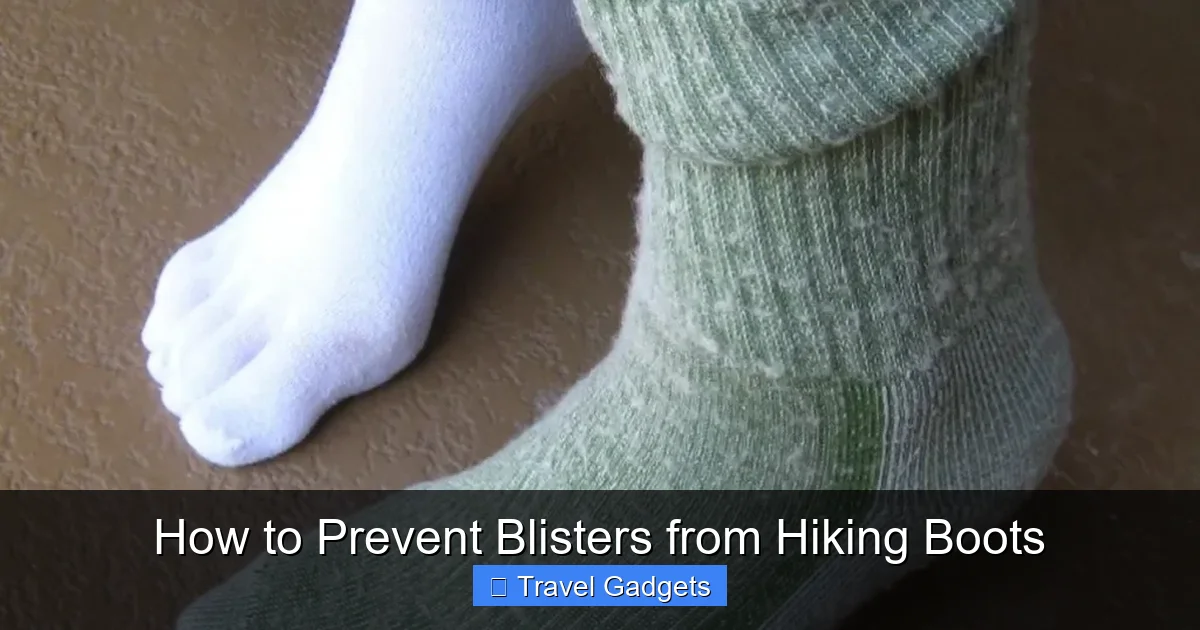
Start with boots that fit well. Too tight, and they’ll cause pressure points; too loose, and your feet will slide around, creating friction. Your hiking boots should have about a thumb’s width of space at the toe for wiggle room, especially when going downhill. Ensure the heel fits snugly without slipping.
Find the Best Accommodation Deals
Compare prices from multiple booking platforms and find the best option for your stay.
Compare Hotel PricesVisual guide about How to Prevent Blisters from Hiking Boots
Image source: i0.wp.com
Find the Best Accommodation Deals
Compare prices from multiple booking platforms and discover the best stay options available.
⭐ Trusted by thousands of travelers
💰 Budget to luxury options available
Consider Support and Material
Look for boots with good arch support and cushioning. Breathable materials like Gore-Tex or other moisture-wicking fabrics help keep feet dry. Select a boot style suited to your terrain—mountain hikes may require sturdier boots, while lighter trails might need less bulky options.
2. Break in Your Hiking Boots
Gradual Wear
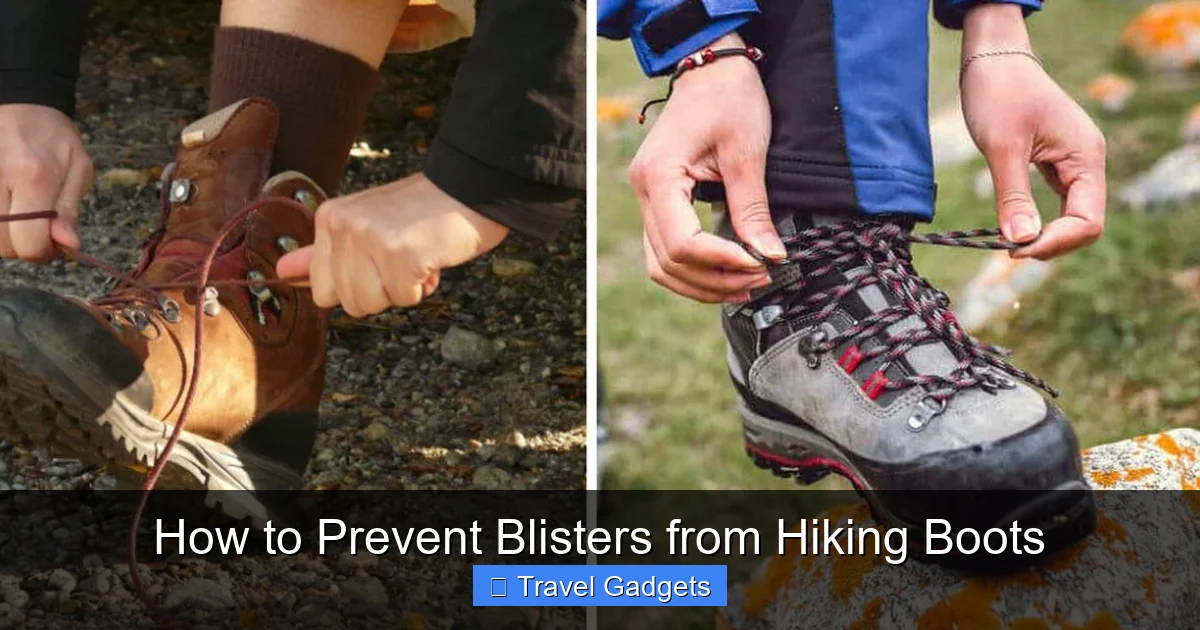
Never wear new hiking boots on a long hike without breaking them in first. Start by wearing them around the house or on short walks. Increase usage gradually over a week or two to allow the material to mold to your feet.
Best Stay Deals Available
Compare prices across top booking platforms and find the best deal for your stay.
Check Available RoomsVisual guide about How to Prevent Blisters from Hiking Boots
Image source: leatherek.com
Use Proper Socks During Break-In
Wear the socks you plan to hike in during break-in. This helps the boots settle into the right fit and prevents surprises on the trail.
3. Select and Use the Right Socks
Opt for Moisture-Wicking Socks
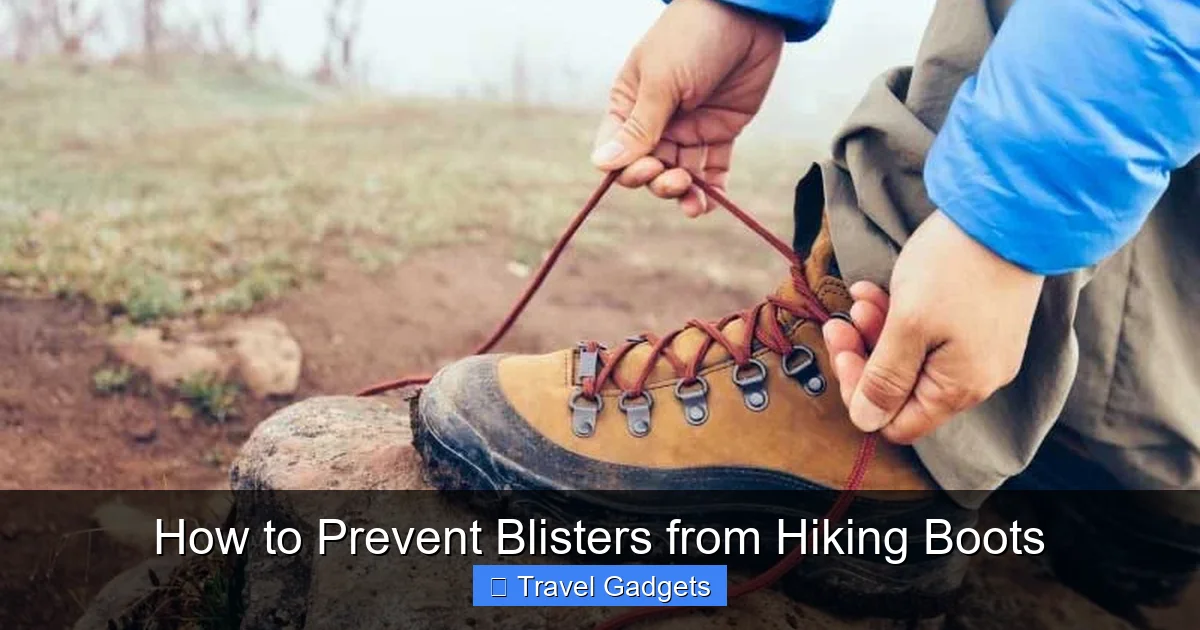
Choose socks made from synthetic fibers like polyester or merino wool. These materials draw sweat away from your skin, keeping feet dry and reducing blister risk.
Visual guide about How to Prevent Blisters from Hiking Boots
Image source: purehiker.com
Layer Socks if Needed
In colder weather, layering thin socks can offer extra comfort. Always ensure socks fit snugly without bunching, which can cause friction.
4. Apply Foot Protection Techniques
Use Lubricants and Powders
Apply a blister prevention lubricant like petroleum jelly or specialized anti-chafe creams to areas prone to friction. Talcum or foot powders also help keep feet dry and reduce rubbing.
Wear Blister Pads or Tapes
Place blister pads, moleskin, or kinesiology tape over hotspots or areas where you feel friction. These protective layers cushion your skin and prevent blisters from forming.
5. Keep Feet Dry During the Hike
Change Socks When Needed
Carry extra socks and change them if they become damp from sweat or rain. Dry feet are less prone to blisters.
Use Foot Powders or Antiperspirants
Applying foot powders or antiperspirants can help reduce sweating and moisture buildup inside your boots.
6. Master Proper Lacing Techniques
Distribute Pressure Evenly
Adjust your lacing to prevent pressure points at the toes, instep, and ankle. Use techniques like heel-lock lacing to prevent heel slippage and hotspots.
Secure Fit Without Restriction
Lace your boots snugly but not painfully tight. Looser lacing can cause your foot to slide, while overly tight laces can restrict circulation and cause discomfort.
7. Address Hot Spots Immediately
Recognize Early Signs
If you feel a hotspot—an area that’s rubbing or feeling uncomfortable—stop immediately. Ignoring it can lead to blister formation.
Take Action
Adjust your laces, add blister pads, or change socks to relieve pressure. Don’t wait until the end of your hike to deal with discomfort.
Troubleshooting Common Issues
If you notice persistent hotspots or blisters forming despite these measures, reassess your footwear choice or lacing technique. Sometimes, a different sock material or a different boot size can make a big difference. Remember, preventing blisters is about proactive care and paying attention to your feet.
Conclusion
Blisters don’t have to be a part of your hiking experience. By choosing the right boots, properly breaking them in, using moisture-wicking socks, and paying attention to foot care, you can greatly reduce your risk. Remember to stay vigilant during your hike—address hot spots immediately and keep your feet dry. With these tips, you’ll enjoy more comfortable, blister-free adventures in 2026 and beyond!