
Going on multi-day hikes? Smelly hiking boots can ruin your trip. This guide shows you simple, effective steps to keep your boots smelling fresh. From proper drying techniques to odor-fighting products, learn how to maintain your boots for odor-free hiking adventures.
Key Takeaways
- Proper drying is crucial: Always dry your boots thoroughly after each hike to prevent odor-causing bacteria from thriving.
- Use odor-fighting products: Incorporate sprays, powders, or inserts designed to absorb moisture and neutralize odors.
- Keep boots clean: Regularly clean your boots to remove dirt and sweat that contribute to bad smells.
- Rotate your footwear: Avoid wearing the same pair every day; give boots time to air out between hikes.
- Store boots properly: Store in a cool, dry place with proper ventilation to prevent mold and odor buildup.
- Use natural remedies: Items like baking soda or cedar inserts can naturally absorb odors and keep your boots fresh.
Quick Answers to Common Questions
Tip/Question?
How often should I clean my hiking boots?
Check the latest prices and available rooms before they sell out.
Clean your boots after each multi-day trip, or at least once a week if you’re using them regularly. Regular cleaning prevents odor buildup and extends their lifespan.
Tip/Question?
Can I put my hiking boots in the washing machine?
It depends on the material. Most synthetic boots can be washed on a gentle cycle, but leather boots should be cleaned by hand. Always check the manufacturer’s instructions.
Tip/Question?
What’s the best way to dry my boots quickly?
Use a boot dryer or place them in a well-ventilated area with a fan. Stuffing them with newspaper also helps absorb moisture faster.
Tip/Question?
Are natural remedies effective for odor control?
Yes, natural remedies like baking soda, cedar inserts, and tea tree oil can effectively absorb odors and keep your boots smelling fresh.
Find the Best Accommodation Deals
Compare prices from multiple booking platforms and find the best option for your stay.
Compare Hotel PricesTip/Question?
How can I prevent mold in my hiking boots?
Ensure your boots are completely dry before storing and keep them in a dry, ventilated space. Using cedar or odor-absorbing sachets also helps prevent mold.
Find the Best Accommodation Deals
Compare prices from multiple booking platforms and discover the best stay options available.
⭐ Trusted by thousands of travelers
💰 Budget to luxury options available
Introduction
Hiking is an exciting way to explore nature, but one common issue can dampen the experience—smelly hiking boots. If you’ve ever returned from a multi-day trip with shoes that smell worse than when you started, you’re not alone. Fortunately, with a few simple steps, you can prevent unpleasant odors and keep your boots fresh, comfortable, and ready for your next adventure. In this guide, we’ll walk through practical tips and proven methods to combat and prevent hiking boot odor, ensuring your gear stays clean and odor-free even after extended use.
Why Do Hiking Boots Smell?
Understanding why your boots develop bad odors helps you tackle the problem effectively. The main culprits are bacteria, fungi, and moisture. Sweat, dirt, and dampness create an ideal environment for bacteria to grow. Over time, this leads to persistent smells. If not addressed, odors can become ingrained, making your boots uncomfortable and unpleasant to wear.

Best Stay Deals Available
Compare prices across top booking platforms and find the best deal for your stay.
Check Available RoomsVisual guide about How to Prevent Hiking Boots from Smelling on Multi Day Trips
Image source: alsherry.com
Step 1: Clean Your Boots Properly
Remove Dirt and Debris
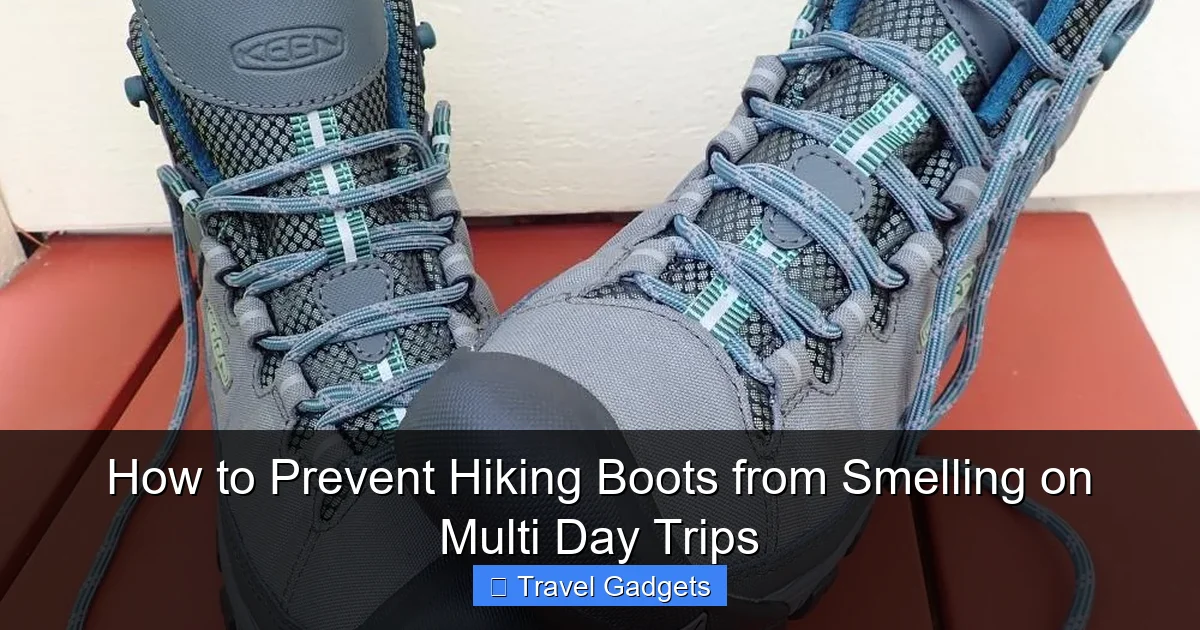
Start by removing loose dirt and mud from your boots after each hike. Use a soft brush or damp cloth to wipe away mud and dust. This prevents buildup that can harbor bacteria.
Visual guide about How to Prevent Hiking Boots from Smelling on Multi Day Trips
Image source: hiking-for-her.com
Wash Your Boots Regularly
Depending on your hiking conditions, wash your boots every few trips. Use mild soap and warm water to scrub the exterior. For the interior, wipe with a damp cloth and a gentle disinfectant if needed. Avoid submerging leather boots completely unless specified by the manufacturer.
Deep Cleaning for Persistent Odors
If odors persist, consider using specialized boot cleaning solutions or a mixture of water and white vinegar (1:1 ratio). Vinegar helps kill bacteria and neutralize smells. Rinse thoroughly and dry completely.
Step 2: Dry Your Boots Thoroughly
Air Dry in a Well-Ventilated Area
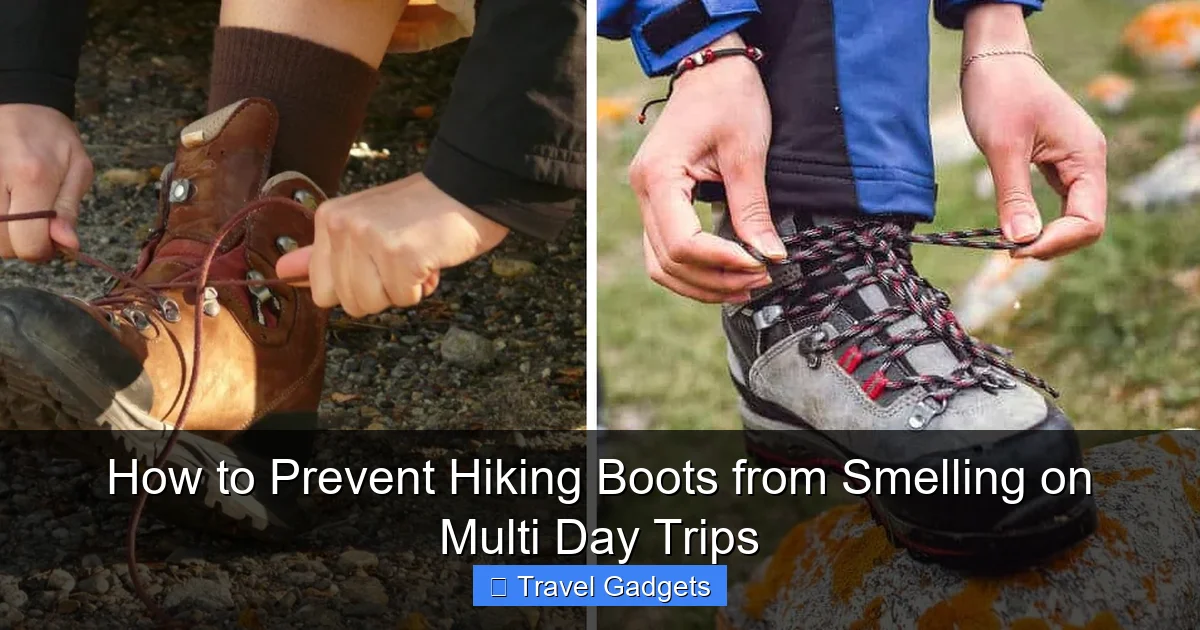
After cleaning, dry your boots in a cool, well-ventilated space away from direct sunlight, which can damage materials. Stuff them with newspaper or paper towels to absorb moisture and help retain shape.
Visual guide about How to Prevent Hiking Boots from Smelling on Multi Day Trips
Image source: leatherek.com
Use Boot Dryers or Fans
Invest in a boot dryer or place a fan nearby to speed up drying. Avoid using direct heat sources like radiators or hairdryers, as excessive heat can warp or damage your boots.
Dry Inside and Out
Ensure the interior is completely dry. You can remove insoles and wash or air them separately. Drying thoroughly prevents mold growth and odor buildup.
Step 3: Use Odor-Absorbing Products
Foot and Boot Sprays
Apply antimicrobial sprays designed for footwear after each trip. These sprays kill bacteria and neutralize odors.
Odor-Absorbing Powders or Sprays
Use powders or sprays containing baking soda, activated charcoal, or silica gel inside your boots. These substances absorb moisture and odors effectively.
Inserts and Odor-Fighting Liners
Replace insoles with odor-controlling insoles or add charcoal or cedarwood liners. These help absorb sweat and prevent smell formation.
Step 4: Rotate and Rest Your Footwear
Alternate Between Pairs
If possible, have multiple pairs of hiking boots. Rotate them to give each pair time to air out and dry completely between trips.
Rest Days for Your Boots
Allow your boots at least 24-48 hours to air out after a hike. This reduces bacteria buildup and helps keep odors at bay.
Step 5: Proper Storage Techniques
Store in a Dry, Ventilated Space
Keep your boots in a cool, dry place with good airflow. Avoid storing them in damp basements or enclosed containers.
Use Cedar or Natural Odor Absorbers
Place cedar blocks, sachets, or natural odor absorbers inside your boots or storage area. Cedar naturally repels moisture and bacteria, keeping your boots smelling fresh.
Step 6: Natural and DIY Remedies
Baking Soda
Sprinkle baking soda inside your boots after each use. Leave it overnight and shake out before wearing. Baking soda absorbs moisture and neutralizes odors.
Cedar Inserts
Use cedar shoe inserts or blocks. Cedar not only absorbs moisture but also leaves a pleasant scent.
Tea Tree Oil
Apply diluted tea tree oil to insoles or spray inside your boots. Its antimicrobial properties help combat bacteria that cause odors.
Troubleshooting Common Problems
- Persistent Odor Despite Cleaning: Ensure boots are completely dry and consider replacing insoles or using stronger odor-absorbing products.
- Mold or Mildew Growth: Clean thoroughly with vinegar solution, dry completely, and improve storage conditions.
- Leather Damage from Moisture: Use specialized leather conditioners and avoid excessive water exposure.
Conclusion
Keeping your hiking boots odor-free on multi-day trips doesn’t have to be a challenge. With proper cleaning, thorough drying, effective odor-absorbing products, and good storage habits, you can enjoy fresh, comfortable footwear throughout your adventures. Remember, prevention is key. Incorporate these habits into your hiking routine, and your boots will stay smelling great for many trips to come. Happy hiking!
🎥 Related Video: This is our hygiene system while backpacking.
📺 thruhikers
Details on hygiene in these videos: Pooping: https://youtube.com/shorts/cGaSlSxtUtg?feature=share Periods: …