
When hiking, unexpected issues with your boots can happen. This guide covers the best temporary fixes for common hiking boot problems, helping you stay comfortable and safe on the trail until permanent repairs can be made.
Key Takeaways
- Temporary fixes can save your hike: Quick repairs can prevent discomfort and further damage during your trail journey.
- Identify the problem first: Understanding whether your boots have a tear, sole detachment, or leak is key to choosing the right fix.
- Use readily available materials: Items like duct tape, super glue, and plastic bags are often enough for a temporary fix.
- Seal leaks effectively: Waterproofing sprays or plastic wrap can stop water from entering your boots temporarily.
- Reinforce weak spots: Applying patches or tape can extend the life of your hiking boots on the trail.
- Know when to seek a permanent repair: Temporary fixes are not long-term solutions; plan to repair or replace your boots soon after your hike.
Quick Answers to Common Questions
Tip/Question?
How can I prevent my hiking boots from tearing during a hike? Use boots appropriate for your terrain, avoid excessive wear, and break in new boots before long trips.
Check the latest prices and available rooms before they sell out.
Tip/Question?
What’s the best emergency repair tool to carry? A small kit with duct tape, super glue, waterproof spray, and extra laces is ideal for quick fixes.
Tip/Question?
Can waterproof sprays be used as a temporary fix? Yes, especially if your boots are leaking, but they should be reapplied regularly for best results.
Tip/Question?
Is duct tape reliable for waterproofing? Duct tape offers short-term water resistance but isn’t fully waterproof. It’s best used in combination with waterproof sprays or plastic wraps.
Tip/Question?
How do I reinforce a loose sole temporarily? Use super glue or shoe adhesive, then secure with duct tape or repair tape to hold the sole in place.
Introduction
Hiking is a wonderful way to explore nature, but even the best hiking boots can face issues on the trail. A tear, a loose sole, or a leak can quickly turn a good hike into an uncomfortable ordeal. Fortunately, you can perform effective temporary fixes to keep going until you reach proper repair facilities or replace your gear. In this guide, you’ll learn the best temporary fixes for common hiking boot problems, step-by-step, so you stay comfortable and safe during your outdoor adventures.
Understanding Common Hiking Boot Problems
Before diving into fixes, it’s important to know what kind of problem you’re facing. Here are the most common issues:

Find the Best Accommodation Deals
Compare prices from multiple booking platforms and find the best option for your stay.
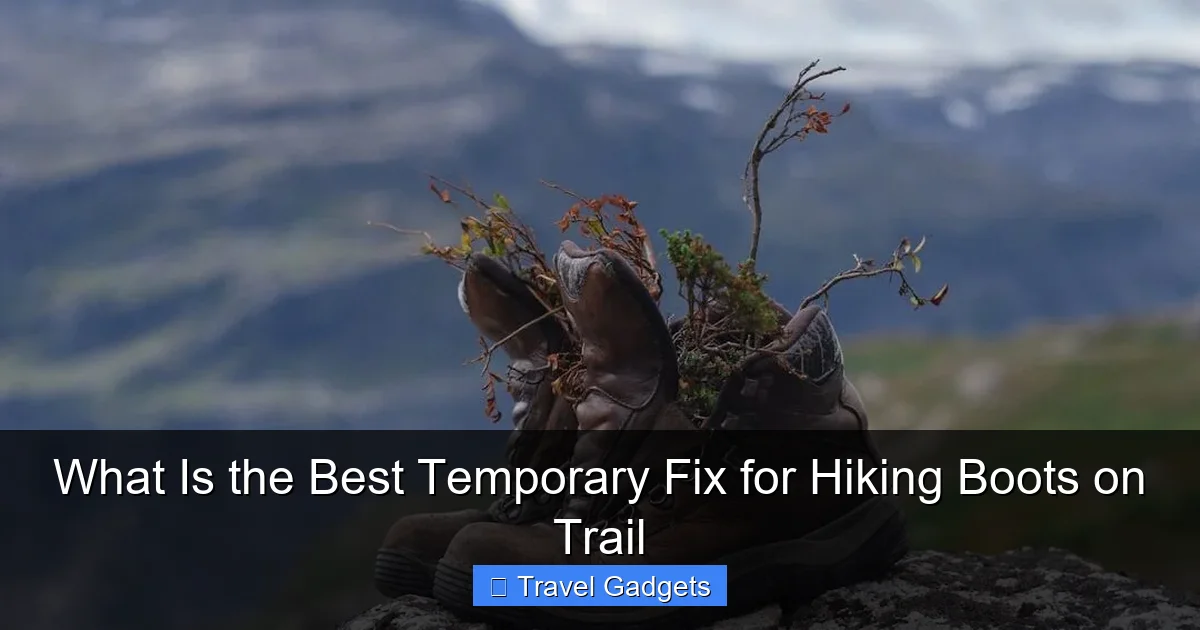
Compare Hotel PricesVisual guide about What Is the Best Temporary Fix for Hiking Boots on Trail
Image source: stories.hanwag.com
Find the Best Accommodation Deals
Compare prices from multiple booking platforms and discover the best stay options available.
⭐ Trusted by thousands of travelers
💰 Budget to luxury options available
- Tears or holes in the fabric or leather: Usually caused by rough terrain or wear and tear.
- Loose or detached sole: Happens over time due to frequent use or poor adhesion.
- Leaks or water ingress: Common in waterproof boots that have developed a crack or tear.
- Broken laces or eyelets: Minor, but can cause discomfort or difficulty in tightening boots.
Step-by-Step Guide to Temporary Fixes
1. Fixing Tears or Holes in the Fabric or Leather
Materials Needed:
- Duct tape or waterproof tape
- Super glue or waterproof adhesive
- Plastic patch (if available)
Steps:
- Clean the area: Wipe the tear or hole with a damp cloth. Let it dry completely to ensure good adhesion.
- Apply super glue: For small tears, apply super glue along the edges of the tear. Hold for a few seconds.
- Attach a patch: For larger holes, place a plastic or fabric patch over the tear. Secure it with super glue or waterproof adhesive.
- Seal with tape: Once the glue dries (usually 10-15 minutes), wrap the area with waterproof tape for extra protection.
Tip: For extra durability, fold the tape over the edges of the patch to prevent peeling.

Visual guide about What Is the Best Temporary Fix for Hiking Boots on Trail
Best Stay Deals Available
Compare prices across top booking platforms and find the best deal for your stay.
Check Available RoomsImage source: blttrails.ca
Visual guide about What Is the Best Temporary Fix for Hiking Boots on Trail
Image source: nushoe.com
2. Reattaching or Reinforcing the Sole
Materials Needed:
- Heavy-duty duct tape or repair tape
- Super glue or specialized shoe adhesive
Steps:
- Clean the area: Remove dirt and old adhesive from the sole and boot surface.
- Apply adhesive: Use super glue or shoe adhesive along the edges of the detached sole.
- Press and hold: Firmly press the sole back onto the boot. Use clamps or heavy objects to hold for at least 30 minutes.
- Secure with tape: Wrap duct tape around the joint for additional support.
Note: This fix is temporary; plan for a professional repair soon.
3. Waterproofing Leaks or Cracks
Materials Needed:
- Waterproofing spray (silicone or rubber-based)
- Plastic wrap or heavy-duty plastic bags
- Rubber or waterproof tape
Steps:
- Dry the area: Make sure the boot is completely dry.
- Apply waterproof spray: Spray generously over the cracked or leaking area. Follow manufacturer instructions.
- Seal with plastic wrap: For larger cracks, wrap the area tightly with plastic wrap or a plastic bag, then secure with waterproof tape.
- Test and reinforce: After the spray dries, test for leaks and add more tape if necessary.
Tip: Reapply waterproofing spray after your hike for best results.
4. Fixing Broken Laces or Eyelets
Materials Needed:
- Extra shoelaces
- Replacing eyelets (if available)
- Temporary fix: safety pins or paper clips
Steps:
- Replace broken laces: Use spare laces or cut a new length from other laces for a quick replacement.
- Secure loose eyelets: If an eyelet is missing or broken, temporarily secure the laces with a safety pin or paper clip.
- Plan for permanent repair: Find an outdoor gear shop for proper replacement as soon as possible.
Additional Practical Tips
- Carry a small repair kit: Include duct tape, super glue, waterproof spray, extra laces, and a plastic patch.
- Test repairs before hitting tough terrain: Make sure your temporary fix holds under light stress.
- Monitor your repairs: Keep an eye on the fix during your hike. Reapply or reinforce if necessary.
- Prioritize safety: If the damage impairs your safety or comfort significantly, consider turning back or seeking help.
Troubleshooting Common Issues
If your temporary fix isn’t holding:
- Reapply adhesive or tape: Sometimes, a second layer can improve durability.
- Use stronger materials: Duct tape and super glue are usually reliable, but in tough conditions, consider epoxy or specialized gear repair tapes.
- Assess damage severity: If damage is extensive, it’s best to replace the boot or seek professional repairs at the earliest opportunity.
Conclusion
While a permanent repair is always the goal, knowing how to make a reliable temporary fix for your hiking boots can save your trip. Whether it’s patching a tear, reattaching a sole, or sealing a leak, these simple steps can keep you comfortable and safe until you reach proper repair services. Always carry a basic repair kit on your hikes and be prepared for unexpected issues. Happy hiking!
Remember:
Temporary fixes are just that—temporary. After your hike, get your boots professionally repaired or replaced to ensure they perform well on your next adventure.
🎥 Related Video: Hiking boots vs. trail runners for backpacking!
📺 thruhikers
Unhappy feet can make a backpacking trip miserable. When we first started backpacking we wore boots and our feet were always …