
Eastern Europe is a treasure trove of rich history, stunning architecture, and breathtaking landscapes waiting to be explored. From the cobblestone streets of Prague to the dramatic peaks of the Carpathians, this region offers unforgettable experiences for every traveler.
If you’re dreaming of a European adventure that’s rich in history, culture, and natural beauty—without the hefty price tag of Western Europe—then it’s time to explore the best places to visit in Eastern Europe. This often-overlooked region is bursting with charm, from fairy-tale cities and ancient fortresses to serene lakes and snow-capped mountains. Whether you’re a history buff, a foodie, or an outdoor enthusiast, Eastern Europe has something magical to offer.
Check the latest prices and available rooms before they sell out.
Unlike the crowded tourist hotspots of Paris or Rome, Eastern Europe offers a more authentic and intimate travel experience. You’ll find fewer crowds, lower costs, and a genuine warmth in the local hospitality. Plus, many of these destinations are well-connected by trains and budget airlines, making it easy to hop from one incredible city to the next. So pack your bags and get ready to discover a part of Europe that’s full of surprises.
Key Takeaways
- Prague, Czech Republic: A fairy-tale city with Gothic spires, charming bridges, and vibrant nightlife.
- Budapest, Hungary: Known for its thermal baths, ruin bars, and the majestic Danube River.
- Kraków, Poland: A cultural hub with a well-preserved medieval core and deep historical significance.
- Sofia, Bulgaria: A blend of ancient ruins, Soviet-era architecture, and modern energy.
- Bucharest, Romania: Home to the world’s heaviest building and a lively arts scene.
- The Carpathian Mountains: Perfect for hiking, skiing, and discovering traditional villages.
- Affordable travel: Eastern Europe offers high value for money compared to Western Europe.
Quick Answers to Common Questions
What is the best time to visit Eastern Europe?
The best time to visit is late spring (May to June) or early fall (September to October), when the weather is mild, crowds are smaller, and prices are lower.
Is Eastern Europe safe for tourists?
Yes, most Eastern European countries are safe for travelers. As with any destination, stay aware of your surroundings and avoid poorly lit areas at night.
Do I need a visa to visit Eastern Europe?
It depends on your nationality. EU citizens can travel freely, while others may need a Schengen visa or national visa. Check your country’s requirements before traveling.
What currency is used in Eastern Europe?
Currencies vary: Czech Republic uses the Czech koruna, Hungary the forint, Poland the złoty, and Romania the leu. Some places accept euros, but local currency is best.
Can I travel between Eastern European countries easily?
Yes! Trains and buses connect major cities, and budget airlines like Ryanair and Wizz Air offer affordable flights between countries.
📑 Table of Contents
Prague, Czech Republic: The City of a Hundred Spires
No list of places to visit in Eastern Europe is complete without Prague. This enchanting capital is like stepping into a storybook, with its winding cobblestone streets, Gothic cathedrals, and colorful baroque buildings. At the heart of the city stands the iconic Prague Castle, one of the largest ancient castles in the world, offering panoramic views of the Vltava River and the city skyline.
Find the Best Accommodation Deals
Compare prices from multiple booking platforms and find the best option for your stay.
Compare Hotel PricesMust-See Attractions
Start your day at Charles Bridge, a 14th-century stone bridge adorned with 30 statues of saints. Arrive early to avoid the crowds and watch the sunrise over the river. Then, explore the Old Town Square, home to the famous Astronomical Clock that puts on a show every hour. Don’t miss the chance to climb the clock tower for a bird’s-eye view of the square.
Local Eats and Hidden Gems
For a true taste of Prague, try trdelník, a sweet pastry rolled in sugar and nuts, or sample a hearty bowl of goulash at a traditional Czech pub. For a quieter experience, wander through the Lesser Town (Malá Strana), where charming gardens and hidden courtyards await. And if you’re a fan of beer, you’re in luck—Czechs drink more beer per capita than any other nation!
Find the Best Accommodation Deals
Compare prices from multiple booking platforms and discover the best stay options available.
⭐ Trusted by thousands of travelers
💰 Budget to luxury options available
Budapest, Hungary: The Pearl of the Danube
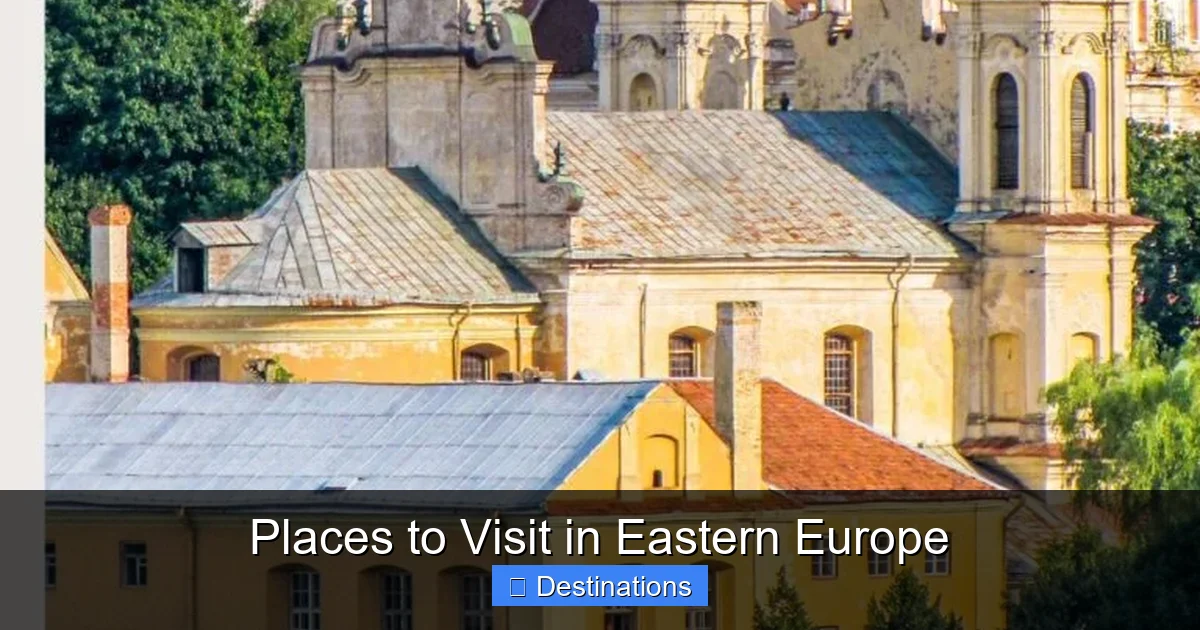
Budapest is a city of contrasts—where grand imperial architecture meets edgy street art, and thermal baths coexist with underground music scenes. Split by the Danube River into Buda and Pest, the city offers a perfect blend of relaxation and excitement.
Visual guide about Places to Visit in Eastern Europe
Best Stay Deals Available
Compare prices across top booking platforms and find the best deal for your stay.
Check Available RoomsImage source: savoredjourneys.com
Relax in Thermal Baths
One of the top reasons to visit Budapest is its legendary thermal baths. The Széchenyi Baths in City Park are the most famous, with their ornate yellow façade and outdoor pools that stay warm even in winter. For a more historic experience, try the Gellért Baths, known for their Art Nouveau design and healing waters.
Explore Buda Castle and Ruin Bars
Cross the Chain Bridge to Buda and explore the Buda Castle District, a UNESCO World Heritage site with cobblestone alleys and stunning views. At night, head to Pest for the city’s famous ruin bars—unique nightlife venues set in abandoned buildings and courtyards, filled with eclectic decor and live music. Szimpla Kert is the most iconic, but don’t miss smaller spots like Instant or Fogasház.
Kraków, Poland: A Cultural and Historical Gem
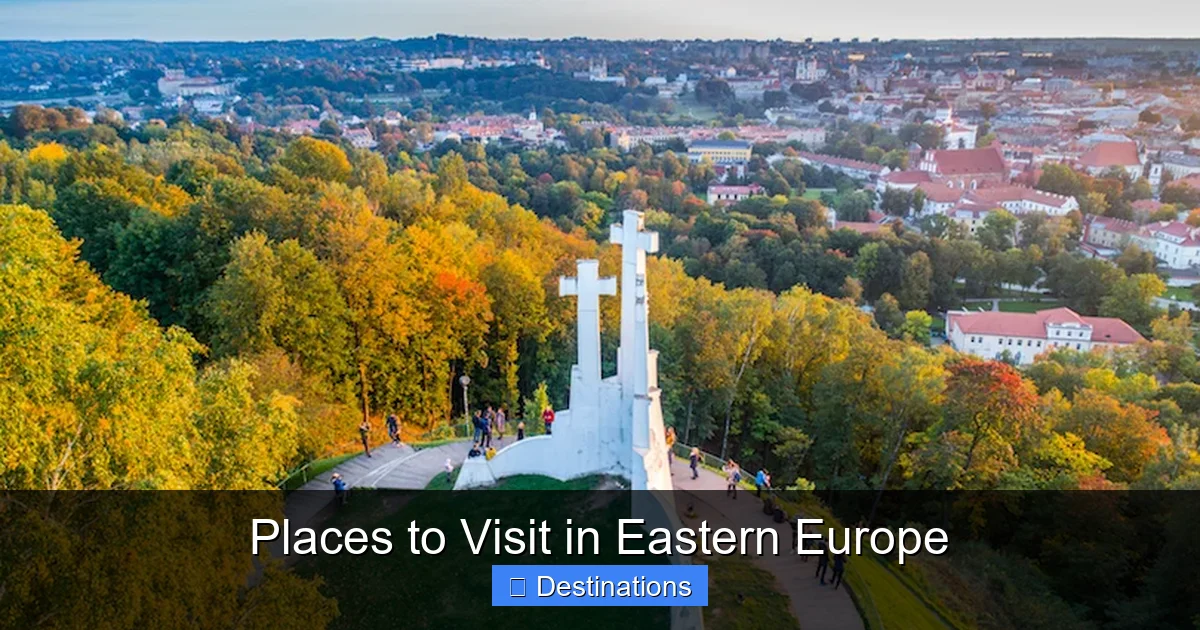
Kraków is one of Poland’s oldest and most beautiful cities, with a rich Jewish heritage and a vibrant arts scene. Its medieval Old Town is one of the best-preserved in Europe and a UNESCO World Heritage site.
Visual guide about Places to Visit in Eastern Europe
Image source: touropia.com
Wander the Main Market Square
The Main Market Square is Europe’s largest medieval town square and the heart of Kraków’s social life. Here, you’ll find the stunning St. Mary’s Basilica, with its towering spires and hourly trumpet call from the tower. Visit the Cloth Hall, a historic trading center now filled with souvenir shops and cafes.
Day Trip to Auschwitz and Wieliczka Salt Mine
Kraków is also a gateway to two powerful historical sites. A visit to Auschwitz-Birkenau is a sobering but important experience, offering insight into the Holocaust and World War II history. Alternatively, explore the Wieliczka Salt Mine, a subterranean wonder with chapels, sculptures, and lakes carved entirely from salt. Both are easily accessible via guided tours.
Sofia, Bulgaria: Where Ancient Meets Modern
Sofia, the capital of Bulgaria, is a city where Roman ruins sit beside Soviet monuments, and trendy cafes thrive in historic buildings. It’s a destination that rewards curiosity and exploration.
Visual guide about Places to Visit in Eastern Europe
Image source: touropia.com
Discover Ancient History
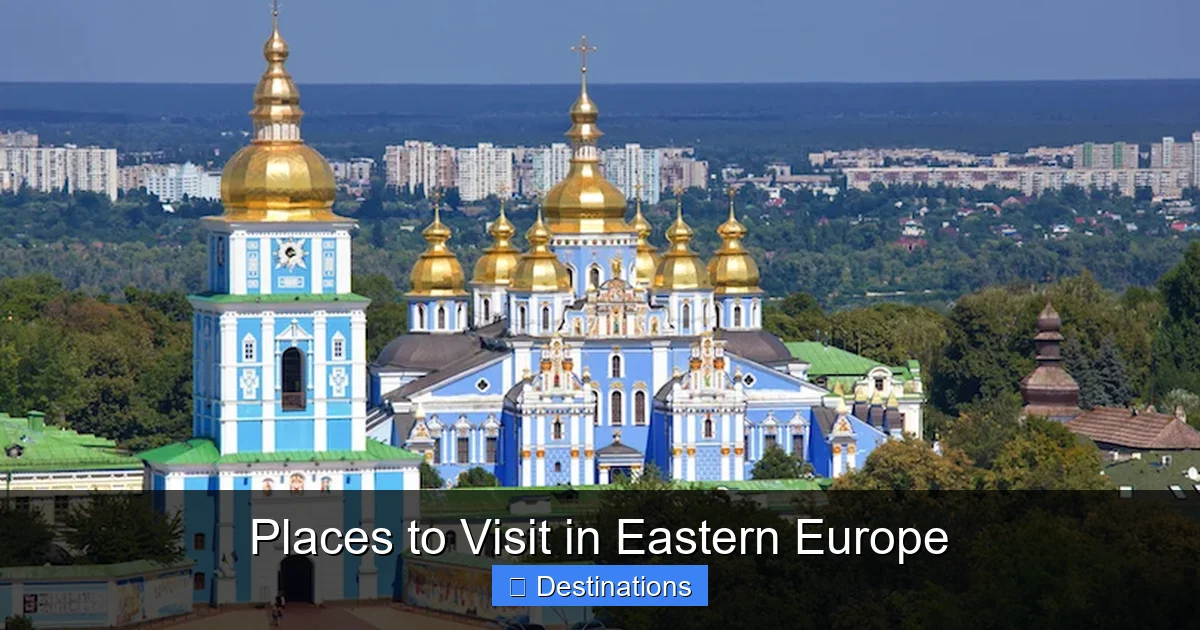
Start at the Alexander Nevsky Cathedral, a stunning Orthodox church with golden domes and intricate mosaics. Nearby, the St. George Rotunda is one of the oldest buildings in Sofia, dating back to the 4th century. Don’t miss the Serdica Archaeological Complex, where you can walk through ancient Roman streets beneath modern plazas.
Enjoy the Local Vibe
Sofia is known for its affordable dining and lively café culture. Try banitsa (cheese-filled pastry) for breakfast or sample shopska salad and grilled meats at a local mehana (tavern). For a break from the city, hike up Vitosha Mountain, which looms over Sofia and offers hiking trails, skiing, and panoramic views.
Bucharest, Romania: The City of Contrasts
Bucharest, often called “Little Paris” for its Belle Époque architecture, is a city of dramatic contrasts. It’s home to the Palace of the Parliament, the second-largest administrative building in the world, and a thriving arts and nightlife scene.
Explore the Old Town
The Lipscani district is the historic heart of Bucharest, filled with cobbled streets, outdoor cafes, and boutique shops. By day, it’s perfect for strolling and people-watching; by night, it transforms into a buzzing nightlife hub with bars, clubs, and live music.
Visit the Village Museum
For a glimpse into traditional Romanian life, visit the Village Museum (Muzeul Satului), an open-air museum featuring authentic peasant houses, windmills, and churches from across the country. It’s a peaceful escape from the city’s energy and a great way to learn about rural heritage.
The Carpathian Mountains: Nature’s Playground
Beyond the cities, the Carpathian Mountains stretch across Romania, Slovakia, and Ukraine, offering some of Europe’s most pristine wilderness. Whether you love hiking, skiing, or simply soaking in nature, the Carpathians are a must-visit.
Hiking in the Retezat National Park
In Romania, Retezat National Park is a hiker’s paradise, with glacial lakes, dense forests, and rare wildlife like brown bears and lynx. The park is less crowded than the Alps, making it ideal for those seeking solitude and adventure.
Skiing in the Tatra Mountains
For winter sports, head to the Tatra Mountains on the Poland-Slovakia border. Resorts like Zakopane (Poland) and Štrbské Pleso (Slovakia) offer excellent skiing, cozy mountain chalets, and stunning alpine scenery.
Eastern Europe is more than just a budget-friendly alternative to Western Europe—it’s a region full of soul, stories, and stunning landscapes. Whether you’re sipping wine in a Transylvanian village, wandering through ancient castles, or dancing the night away in a Budapest ruin bar, you’ll find experiences here that stay with you long after you’ve returned home.
Frequently Asked Questions
What are the must-visit places in Eastern Europe for first-time travelers?
Prague, Budapest, and Kraków are ideal starting points. They offer a mix of history, culture, and easy navigation, making them perfect for first-timers.
Is Eastern Europe expensive to travel in?
No, Eastern Europe is generally more affordable than Western Europe. You can enjoy meals, accommodations, and attractions at a fraction of the cost.
What languages are spoken in Eastern Europe?
Languages vary by country, but English is widely spoken in tourist areas. Learning a few basic phrases in the local language is always appreciated.
Are there good food scenes in Eastern Europe?
Absolutely! Each country has its own culinary traditions, from Hungarian goulash to Polish pierogi and Romanian sarmale. Food is hearty, flavorful, and affordable.
Can I visit Eastern Europe in winter?
Yes! Winter brings festive Christmas markets, skiing opportunities, and fewer tourists. Just pack warm clothes and check weather conditions.
What’s the best way to get around Eastern Europe?
Trains are comfortable and scenic, buses are budget-friendly, and flights are great for longer distances. Renting a car is ideal for exploring rural areas.