
Chengdu, the capital of Sichuan Province, blends ancient traditions with modern charm. It’s famous for its relaxed lifestyle, world-class cuisine, and adorable giant pandas. Whether you’re exploring historic temples, savoring fiery Sichuan dishes, or strolling through lush parks, Chengdu offers unforgettable experiences for every traveler.
Key Takeaways
- Giant Panda Base: Home to over 80 pandas, this research center is a must-visit for animal lovers and families.
- Authentic Sichuan Cuisine: Try mapo tofu, hotpot, and dan dan noodles at local eateries like Chen Mapo Tofu or Jinli Street.
- Wuhou Shrine: A peaceful temple complex honoring Zhuge Liang, perfect for history buffs and quiet reflection.
- Jinli Ancient Street: A lively pedestrian street with traditional snacks, crafts, and street performances.
- Wide and Narrow Alleys: Explore Qing-era architecture, tea houses, and local life in this historic district.
- People’s Park: Experience local culture with tea drinking, mahjong, and the famous “Matchmaking Corner.”
- Emei Mountain Day Trip: Take a high-speed train to this UNESCO site for hiking, temples, and stunning views.
Quick Answers to Common Questions
What is Chengdu most famous for?
Chengdu is most famous for its giant pandas, spicy Sichuan cuisine, and relaxed lifestyle. It’s also known for its historic temples, tea culture, and as a gateway to natural wonders like Mount Emei.
Check the latest prices and available rooms before they sell out.
How many days do I need in Chengdu?
Three to four days is ideal to explore the main attractions, enjoy the food, and take a day trip to nearby sites like the Leshan Giant Buddha or Dujiangyan.
Is Chengdu safe for tourists?
Yes, Chengdu is very safe for tourists. The city is clean, well-organized, and welcoming to visitors. Petty crime is rare, and locals are generally friendly and helpful.
What is the best time to visit Chengdu?
The best times are spring (March to May) and autumn (September to November), when the weather is mild and comfortable. Summers can be hot and humid, while winters are cool and foggy.
Do I need to speak Chinese to get around Chengdu?
While English is not widely spoken, major tourist areas have signs in English, and translation apps work well. Learning a few basic Mandarin phrases can enhance your experience.
📑 Table of Contents
- Welcome to Chengdu: The Land of Abundance
- Giant Panda Breeding Research Base
- Wuhou Shrine: A Tribute to Wisdom and Loyalty
- Jinli Ancient Street: Taste and Tradition
- Wide and Narrow Alleys: A Glimpse into Old Chengdu
- People’s Park: Where Locals Unwind
- Day Trips from Chengdu: Nature and Spirituality
- Where to Eat: A Foodie’s Guide to Chengdu
- Final Thoughts: Why Chengdu Should Be on Your Bucket List
Welcome to Chengdu: The Land of Abundance
Nestled in the fertile Sichuan Basin, Chengdu is one of China’s most livable cities—and one of the most rewarding destinations for curious travelers. Known as the “Land of Abundance,” this city has been a cultural and economic hub for over 2,000 years. Unlike the fast-paced energy of Shanghai or Beijing, Chengdu moves at a slower, more relaxed rhythm. Locals love their tea, their pandas, and their spicy food—and once you experience it, you’ll understand why.
What makes Chengdu truly special is its perfect blend of tradition and modernity. You can sip tea in a 300-year-old pavilion in the morning and ride a high-speed train to a mountain temple by afternoon. The city’s wide tree-lined avenues, lush parks, and friendly atmosphere make it ideal for solo travelers, families, and couples alike. Plus, it’s a gateway to some of China’s most stunning natural landscapes, including Mount Emei and the Leshan Giant Buddha.
Giant Panda Breeding Research Base

Find the Best Accommodation Deals
Compare prices from multiple booking platforms and find the best option for your stay.
Compare Hotel PricesVisual guide about Places to Visit in Chengdu
Image source: i.pinimg.com
Find the Best Accommodation Deals
Compare prices from multiple booking platforms and discover the best stay options available.
⭐ Trusted by thousands of travelers
💰 Budget to luxury options available
No trip to Chengdu is complete without visiting the Giant Panda Breeding Research Base. Located just 10 miles northeast of the city center, this sprawling sanctuary is home to more than 80 giant pandas and a handful of red pandas. It’s not just a zoo—it’s a world-leading conservation center dedicated to breeding and protecting these beloved animals.
Why Visit the Panda Base?
The best time to see pandas is in the early morning, between 8:00 and 10:00 AM, when they’re most active and munching on bamboo. You’ll get to watch baby pandas tumbling over each other in playpens and adults lounging in treehouses like furry royalty. The base also features educational exhibits about panda conservation, making it both fun and informative.
Tips for Your Visit
Arrive early to avoid crowds and catch the pandas at their liveliest. Wear comfortable shoes—there’s a lot of walking on uneven paths. Bring a camera, but remember that flash photography is not allowed near the animals. Entry tickets cost around ¥58 (about $8 USD), and you can easily reach the base by taxi, metro, or tour bus.
Best Stay Deals Available
Compare prices across top booking platforms and find the best deal for your stay.
Check Available RoomsWuhou Shrine: A Tribute to Wisdom and Loyalty
Visual guide about Places to Visit in Chengdu
Image source: gpsmycity.com
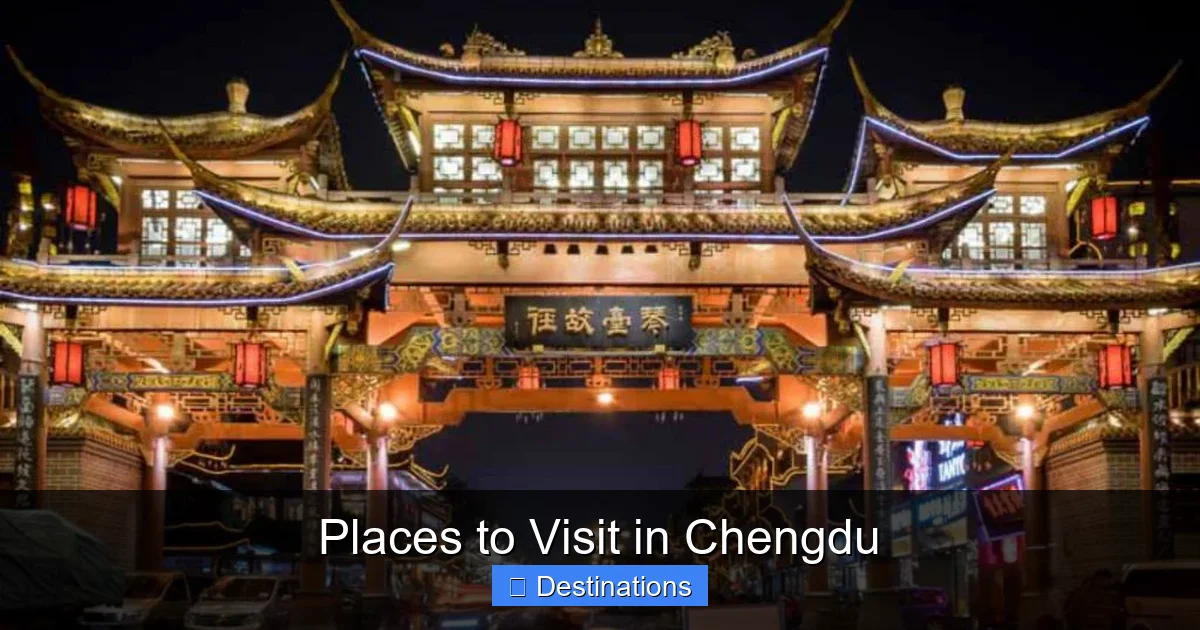
Step back in time at the Wuhou Shrine, a serene temple complex dedicated to Zhuge Liang, the legendary military strategist from the Three Kingdoms period. Built during the Tang Dynasty, this UNESCO World Heritage site is one of the most important historical sites in Chengdu.
Explore the Temple Grounds
The shrine features traditional Chinese architecture, tranquil gardens, and stone tablets inscribed with ancient calligraphy. You’ll walk through halls honoring Zhuge Liang, Liu Bei, and other key figures from the era. It’s a peaceful escape from the city’s hustle, perfect for reflection and photography.
Cultural Significance
The Three Kingdoms story is deeply woven into Chinese culture, and the Wuhou Shrine brings it to life. Even if you’re not familiar with the history, the atmosphere and beauty of the site are worth the visit. Combine your trip with a stop at the nearby Jinli Street for a full cultural experience.
Jinli Ancient Street: Taste and Tradition
Visual guide about Places to Visit in Chengdu
Image source: images.moondeveloper.com
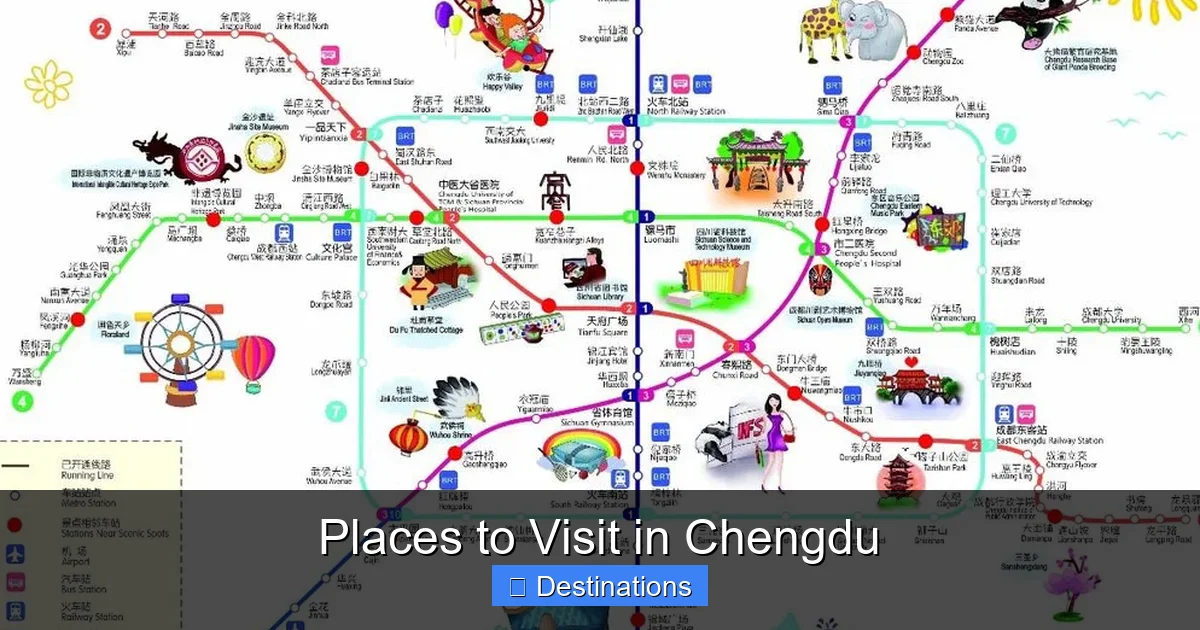
Just a short walk from the Wuhou Shrine, Jinli Ancient Street is a vibrant pedestrian lane that feels like stepping into old Chengdu. Lined with red lanterns, wooden buildings, and bustling food stalls, it’s a sensory delight.
Must-Try Street Foods
Come hungry—Jinli is a food lover’s paradise. Try zhong dumplings (savory dumplings with a tangy sauce), spicy rabbit heads (yes, really—locals swear by them), and sugar paintings made by street artists. Don’t miss the ma la (numbing and spicy) snacks that Sichuan is famous for.
Shopping and Performances
Browse handmade crafts, silk fans, and traditional opera masks. In the evenings, the street comes alive with folk music, shadow puppet shows, and lion dances. It’s touristy, but in the best way—authentic local culture with a festive twist.
Wide and Narrow Alleys: A Glimpse into Old Chengdu
For a more laid-back historic experience, head to the Wide and Narrow Alleys (Kuanzhai Xiangzi). These three parallel alleys—Wide Alley,窄 Alley, and Jing Alley—were once residential areas for Qing Dynasty officials and soldiers.
What to Do Here
Today, the alleys are filled with boutique shops, art galleries, tea houses, and cafes. It’s a great place to sip a cup of jasmine tea, listen to live erhu music, or watch a Sichuan opera performance. The architecture is beautifully preserved, with gray-tiled roofs and courtyard homes.
Local Life and Hidden Gems
Unlike Jinli, the Wide and Narrow Alleys feel more residential and less commercial. You’ll see locals playing chess, practicing tai chi, or simply enjoying a slow afternoon. Look for small family-run restaurants serving home-style Sichuan dishes—often more authentic than the tourist spots.
People’s Park: Where Locals Unwind
If you want to see how Chengdu residents truly live, spend an afternoon at People’s Park. This green oasis in the heart of the city is where locals come to relax, socialize, and enjoy simple pleasures.
Tea Culture in the Heming Teahouse
The park’s centerpiece is the Heming Teahouse, one of the oldest in Chengdu. Grab a seat, order a pot of jasmine or oolong tea, and watch the world go by. For just a few yuan, you can enjoy tea service with snacks and even a foot massage.
The Famous Matchmaking Corner
One of the park’s quirkiest attractions is the “Matchmaking Corner,” where parents gather on weekends to post photos and bios of their single adult children. It’s a humorous and eye-opening look at Chinese family values and dating culture.
Other Activities
You can also watch elderly locals play mahjong, join a group doing square dancing, or take a peaceful boat ride on the lake. It’s a slice of everyday life that no guidebook can fully capture.
Day Trips from Chengdu: Nature and Spirituality
While Chengdu itself is full of wonders, it’s also a perfect base for exploring nearby natural and cultural sites.
Mount Emei and the Leshan Giant Buddha
Take a high-speed train (about 1.5 hours) to Mount Emei, one of China’s Four Sacred Buddhist Mountains. The hike to the summit is challenging but rewarding, with temples, monkeys, and panoramic views. On the way, stop in Leshan to see the Giant Buddha, a 71-meter-tall stone statue carved into a cliff face over 90 years.
Dujiangyan Irrigation System
Another UNESCO site, Dujiangyan is an ancient engineering marvel that still functions today. Built over 2,000 years ago, it diverts water from the Min River to prevent floods and irrigate farmland. It’s a fascinating look at early Chinese innovation.
Where to Eat: A Foodie’s Guide to Chengdu
Chengdu is the birthplace of Sichuan cuisine, and food is a religion here. The flavors are bold—spicy, numbing, sweet, and sour all at once.
Must-Eat Dishes
Start with mapo tofu (soft tofu in a fiery sauce), dan dan noodles (spicy sesame noodles), and hotpot (a communal boiling pot of broth and ingredients). For dessert, try tangyuan (sweet glutinous rice balls).
Top Restaurants
Visit Chen Mapo Tofu for the original version of the dish, or Shu Jiu Xiang Hotpot for an authentic, mouth-numbing experience. For a more upscale meal, try Long Chao Shi, known for its traditional Sichuan banquet-style dining.
Final Thoughts: Why Chengdu Should Be on Your Bucket List
Chengdu is more than just a stopover on the way to Tibet or Jiuzhaigou—it’s a destination in its own right. With its unique blend of history, nature, food, and culture, it offers something for every kind of traveler. Whether you’re watching pandas play, sipping tea in a centuries-old park, or braving a plate of spicy hotpot, you’ll leave with unforgettable memories.
And if you’re planning a trip to other vibrant cities, consider exploring best places to visit in Malaysia for tropical beaches and cultural diversity, or 10 best places to visit in Vietnam for stunning landscapes and rich history. For a European twist, check out best places to visit in Amsterdam for canals, museums, and bike-friendly streets.
Frequently Asked Questions
What are the top free things to do in Chengdu?
Visit People’s Park, explore the Wide and Narrow Alleys, and stroll along the Funan River. These spots offer great experiences without an entrance fee.
Can I see pandas in the wild near Chengdu?
No, giant pandas are only found in captivity in research centers like the Chengdu Panda Base. Wild pandas live in remote mountain forests and are rarely seen.
Is Chengdu expensive for tourists?
No, Chengdu is very affordable. Meals cost $3–$10, attractions are under $10, and public transport is cheap. It’s one of the most budget-friendly major cities in China.
What should I wear when visiting Chengdu?
Comfortable walking shoes are a must. Dress in layers, as indoor heating can be strong in winter and summers are humid. Modest clothing is recommended for temples.
How do I get from Chengdu airport to the city center?
Take the metro Line 10 from Shuangliu International Airport to Taipingyuan, then transfer to Line 3 or 7. Taxis and ride-hailing apps like DiDi are also convenient.
Are there vegetarian options in Chengdu?
Yes, many Sichuan dishes can be made vegetarian. Look for tofu, mushroom, and vegetable-based dishes. Inform restaurants of your dietary needs to avoid hidden meat in sauces.