
Bhutan, the Land of the Thunder Dragon, offers a unique blend of spiritual heritage, untouched nature, and vibrant culture. From sacred temples perched on cliffs to serene valleys and vibrant festivals, this Himalayan kingdom promises an unforgettable journey for every traveler.
Key Takeaways
- Paro Taktsang (Tiger’s Nest): One of Bhutan’s most iconic landmarks, this cliffside monastery is a must-visit for its stunning views and spiritual significance.
- Thimphu: The capital city blends tradition and modernity, offering museums, markets, and the majestic Buddha Dordenma statue.
- Punakha Dzong: Known as the “Palace of Great Happiness,” this fortress is a masterpiece of Bhutanese architecture and history.
- Himalayan Scenery: From snow-capped peaks to lush forests, Bhutan’s natural beauty is perfect for hiking and photography.
- Cultural Festivals (Tsechus): These vibrant religious festivals feature masked dances, music, and community gatherings.
- Sustainable Tourism: Bhutan limits visitors through a daily tariff, ensuring eco-friendly and culturally respectful travel.
- Best Time to Visit: Spring (March–May) and autumn (September–November) offer ideal weather and festival seasons.
Quick Answers to Common Questions
What is the best time to visit Bhutan?
The best time to visit Bhutan is during spring (March to May) and autumn (September to November) when the weather is pleasant and major festivals take place.
Check the latest prices and available rooms before they sell out.
Do I need a visa to visit Bhutan?
Yes, all tourists (except from India, Bangladesh, and the Maldives) need a visa, which must be arranged through a licensed Bhutanese tour operator.
Is Bhutan expensive to visit?
Bhutan has a daily tariff system, which includes accommodation, meals, transport, and a guide. While it may seem high, it ensures sustainable and responsible tourism.
Can I travel independently in Bhutan?
No, independent travel is not allowed. All tourists must book through a licensed tour operator and be accompanied by a guide.
What should I wear when visiting Bhutan?
Modest clothing is recommended, especially when visiting religious sites. Men should wear long pants, and women should cover their shoulders and knees.
📑 Table of Contents
Discover the Magic of Bhutan: A Journey Through the Land of the Thunder Dragon
Tucked away in the eastern Himalayas, Bhutan is a country that feels like a dream. Known as the Land of the Thunder Dragon, it’s a place where ancient traditions thrive, mountains kiss the sky, and happiness is more than just a feeling—it’s a national policy. Bhutan measures its success not by GDP, but by Gross National Happiness, making it one of the most unique destinations on Earth.
What sets Bhutan apart is its commitment to preserving culture and nature. Unlike many popular tourist spots, Bhutan limits the number of visitors each year through a sustainable tourism policy. This means you’ll experience pristine landscapes, authentic traditions, and a peaceful atmosphere that’s hard to find elsewhere. Whether you’re a nature lover, culture enthusiast, or spiritual seeker, Bhutan offers something truly special.
Top Places to Visit in Bhutan
Find the Best Accommodation Deals
Compare prices from multiple booking platforms and find the best option for your stay.
Compare Hotel PricesVisual guide about Places to Visit in Bhutan
Image source: worldtravelfamily.com
Find the Best Accommodation Deals
Compare prices from multiple booking platforms and discover the best stay options available.
⭐ Trusted by thousands of travelers
💰 Budget to luxury options available
1. Paro Taktsang – The Tiger’s Nest Monastery
No list of places to visit in Bhutan is complete without Paro Taktsang, also known as the Tiger’s Nest. Perched dramatically on a cliffside 900 meters above the Paro Valley, this sacred monastery is one of the most photographed and revered sites in the country.
According to legend, Guru Rinpoche flew to this spot on the back of a tigress in the 8th century to meditate. Today, visitors can hike up to the monastery, a journey that takes about 2–3 hours depending on your pace. The trail winds through pine forests, past prayer flags fluttering in the wind, and offers breathtaking views of the valley below.
Tip: Start your hike early in the morning to avoid the midday heat and crowds. Wear comfortable shoes and bring water. The monastery itself is closed to tourists during certain religious periods, so check ahead.
Best Stay Deals Available
Compare prices across top booking platforms and find the best deal for your stay.
Check Available Rooms2. Thimphu – The Heart of Bhutan
As the capital and largest city, Thimphu is a fascinating blend of old and new. You won’t find traffic lights here—just a friendly police officer directing traffic at the main intersection. This quirky detail reflects Bhutan’s commitment to maintaining its cultural identity.
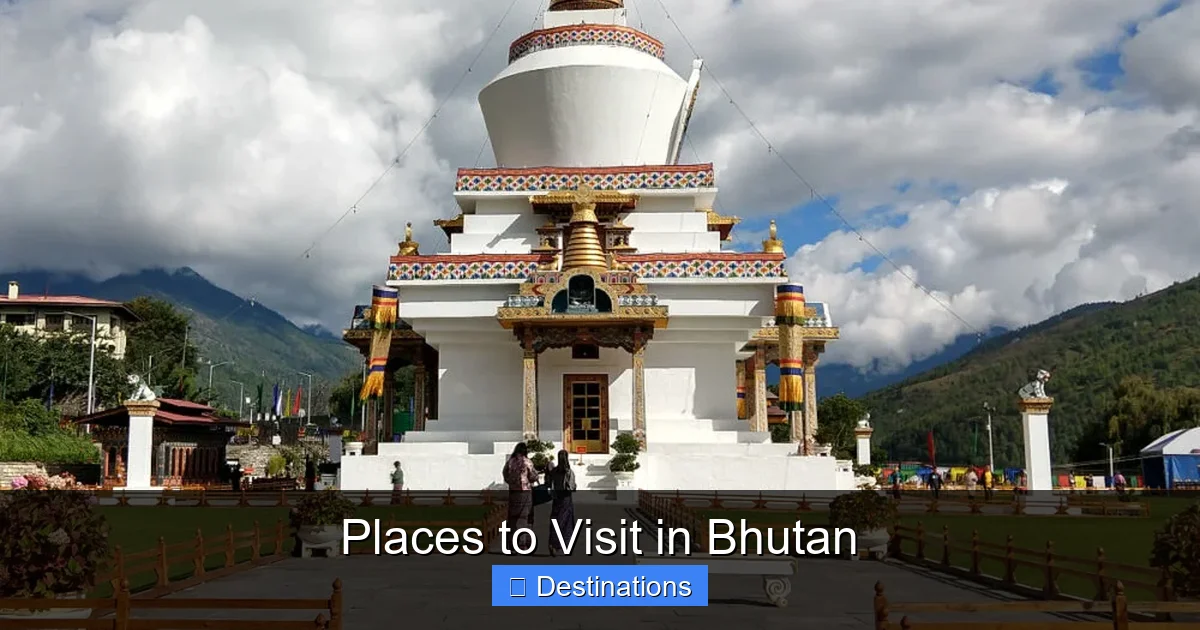
Must-see attractions in Thimphu include the Buddha Dordenma, a massive golden statue overlooking the city. It houses over 100,000 smaller Buddha statues inside. The National Memorial Chorten, a whitewashed stupa, is another spiritual landmark where locals gather to pray and spin prayer wheels.
Don’t miss the weekend market at Changlimithang Stadium, where farmers from across the country sell fresh produce, spices, and handmade crafts. For art lovers, the National Textile Museum showcases Bhutan’s intricate weaving traditions.
3. Punakha Dzong – The Palace of Great Happiness
Located at the confluence of the Pho Chhu and Mo Chhu rivers, Punakha Dzong is one of Bhutan’s most beautiful and historically significant fortresses. Built in 1637, it served as the capital of Bhutan and the seat of government until the 1950s.
The dzong is a masterpiece of Bhutanese architecture, with whitewashed walls, red accents, and golden roofs. Inside, you’ll find ancient murals, sacred relics, and serene courtyards. The structure is especially stunning during the spring when the jacaranda trees bloom, covering the grounds in purple flowers.
Punakha is also the gateway to the Punakha Suspension Bridge, one of the longest in Bhutan. Walking across it offers thrilling views of the river and surrounding valley. It’s a great spot for photos and a fun adventure for travelers.
4. Gangtey Valley – A Hidden Gem in the Himalayas
For those seeking tranquility and natural beauty, Gangtey Valley in the Wangdue Phodrang district is a must-visit. This glacial valley is home to the endangered black-necked cranes, which migrate here from Tibet between October and March.
The Gangtey Monastery, perched on a ridge, offers panoramic views of the valley and is a peaceful place for reflection. The surrounding area is perfect for gentle hikes through pine forests and along meadows dotted with wildflowers.
If you’re visiting in winter, join the Black-Necked Crane Festival, a celebration of the birds’ arrival with traditional dances and local food. It’s a wonderful way to experience Bhutanese culture in a serene setting.
5. Bumthang Valley – The Spiritual Heartland
Often called the cultural heart of Bhutan, Bumthang Valley is a cluster of four valleys rich in history and spirituality. It’s home to some of the oldest temples and monasteries in the country, including Jambay Lhakhang and Kurjey Lhakhang.
Kurjey Lhakhang is believed to contain a cave where Guru Rinpoche meditated and left an imprint of his body on the rock. Pilgrims come here to seek blessings and participate in rituals.
Bumthang is also known for its traditional crafts. Visit local workshops to see artisans making wooden bowls, handmade paper, and intricate textiles. The valley’s peaceful atmosphere makes it ideal for meditation and slow travel.
6. Chele La Pass – The Highest Motorable Road in Bhutan
For stunning mountain views, head to Chele La Pass, the highest motorable road in Bhutan at 3,988 meters. The drive from Paro takes about 1.5 hours and offers breathtaking scenery, including views of Mount Jomolhari, one of Bhutan’s highest peaks.
The pass is especially beautiful in spring when rhododendrons bloom in vibrant colors. In winter, it’s often covered in snow, creating a winter wonderland. There’s a small temple at the top where you can light a butter lamp and enjoy the silence.
Tip: Bring warm clothes, even in summer, as temperatures can drop quickly at high altitudes. The pass is usually open from April to November.
Experiencing Bhutanese Culture and Festivals
Visual guide about Places to Visit in Bhutan
Image source: bhutanpelyabtours.com
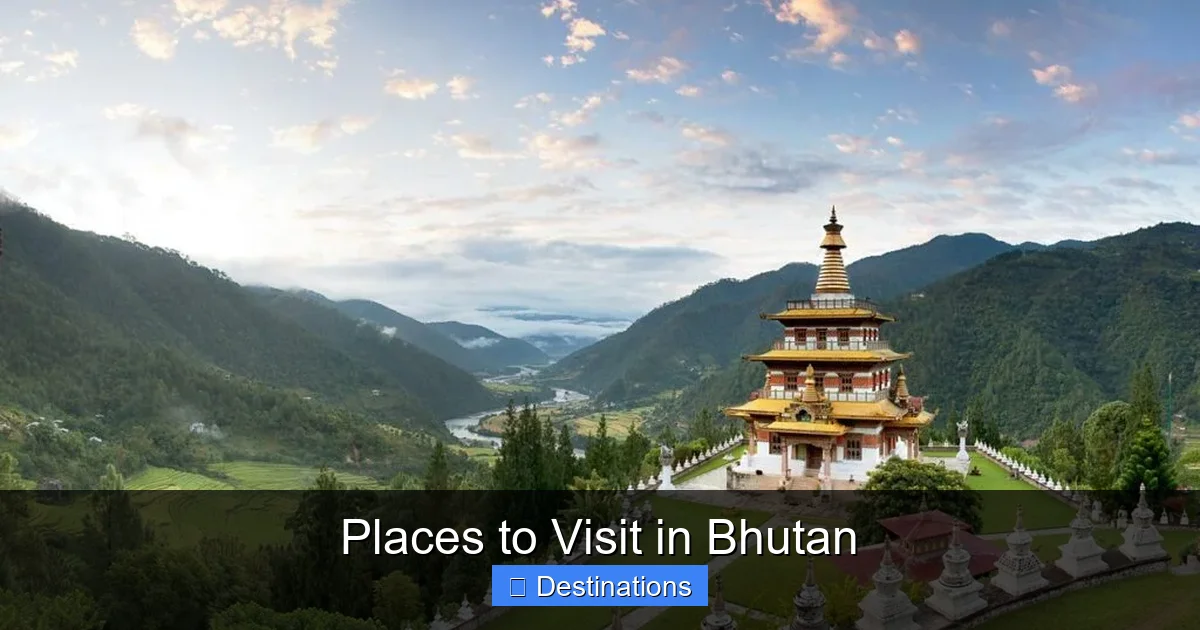
One of the best ways to connect with Bhutan is through its festivals, known as Tsechus. These religious events are held annually in different districts and feature masked dances, traditional music, and communal feasting.
The Paro Tsechu and Thimphu Tsechu are among the most popular. Locals dress in their finest ghos and kiras (traditional attire) and gather to watch sacred dances performed by monks. It’s believed that attending a Tsechu brings merit and washes away sins.
Even if you’re not visiting during a festival, you’ll likely see prayer flags, mani stones (stone slabs inscribed with mantras), and chortens (stupas) throughout your journey. These symbols are part of everyday life and reflect Bhutan’s deep Buddhist roots.
Travel Tips for Visiting Bhutan
Visual guide about Places to Visit in Bhutan
Image source: taleof2backpackers.com
Bhutan operates on a “high-value, low-impact” tourism model. All tourists (except those from India, Bangladesh, and the Maldives) must book their trip through a licensed tour operator and pay a daily tariff. This includes accommodation, meals, transport, and a guide.
The tariff helps fund free education, healthcare, and environmental conservation. It also ensures that tourism benefits local communities. While it may seem expensive, the all-inclusive nature means you don’t have to worry about hidden costs.
The best time to visit is during spring (March to May) and autumn (September to November). These seasons offer clear skies, moderate temperatures, and the chance to witness major festivals.
Why Bhutan Should Be on Your Travel List
Bhutan isn’t just a destination—it’s a journey into a different way of life. It’s a place where nature is revered, culture is alive, and happiness is a shared value. Whether you’re hiking to a cliffside monastery, sipping butter tea with a local family, or watching a sacred dance under the Himalayan sun, every moment in Bhutan feels meaningful.
If you’re looking for a travel experience that’s authentic, peaceful, and transformative, Bhutan should be at the top of your list. It’s not just about seeing new places—it’s about feeling something deeper.
For travelers who enjoy exploring rich cultures and stunning landscapes, consider adding destinations like Qatar’s cultural gems or Thailand’s vibrant cities to your bucket list. And if you love mountain adventures, Malaysia’s highlands offer a different but equally rewarding experience.
Frequently Asked Questions
How many days do I need to visit Bhutan?
A minimum of 5 to 7 days is recommended to explore key places like Paro, Thimphu, Punakha, and Gangtey. This allows time for travel, sightseeing, and cultural experiences.
Is Bhutan safe for solo travelers?
Yes, Bhutan is considered very safe for solo travelers. The crime rate is low, and locals are friendly and welcoming. However, a guide is required for all tourists.
What language is spoken in Bhutan?
Dzongkha is the official language, but English is widely spoken, especially in tourist areas and by guides and hotel staff.
Can I use my mobile phone in Bhutan?
Yes, international roaming is available, but it can be expensive. Many travelers buy a local SIM card at the airport for better rates.
What is the currency in Bhutan?
The currency is the Bhutanese Ngultrum (BTN), which is pegged to the Indian Rupee. Indian currency is also widely accepted.
Are there vegetarian food options in Bhutan?
Yes, vegetarian meals are available, especially in hotels and restaurants catering to tourists. Ema datshi (chili and cheese) is a popular dish, but milder options can be requested.