
Agra, a jewel in India’s cultural crown, is home to some of the world’s most breathtaking monuments. From the timeless beauty of the Taj Mahal to the grandeur of Agra Fort, this city offers a rich blend of history, architecture, and local charm that every traveler should experience.
Agra, nestled along the banks of the Yamuna River in northern India, is a city that needs no introduction. It’s the kind of destination that sparks the imagination—where love stories are carved in marble, empires rise and fall, and every corner tells a tale. Whether you’re a history buff, a photography enthusiast, or simply someone who loves exploring new cultures, Agra has something magical to offer.
Check the latest prices and available rooms before they sell out.
Most travelers come to Agra for one reason: the Taj Mahal. But this city is so much more than its most famous monument. From ancient forts to tranquil gardens and bustling bazaars, Agra blends grandeur with everyday charm. In this guide, we’ll walk you through the must-see places to visit in Agra, share insider tips, and help you make the most of your trip—whether you’re visiting for a day or planning a longer stay.
Key Takeaways
- Taj Mahal: The crown jewel of Agra and a UNESCO World Heritage Site, best visited at sunrise or sunset for stunning views.
- Agra Fort: A massive red sandstone fortress with palaces, mosques, and panoramic views of the Yamuna River.
- Fatehpur Sikri: A deserted Mughal city just outside Agra, showcasing stunning Indo-Islamic architecture.
- Mehtab Bagh: A serene riverside garden offering the perfect photo op of the Taj Mahal from across the Yamuna.
- Local Cuisine: Don’t miss trying petha, Mughlai dishes, and street food at Sadar Bazaar.
- Best Time to Visit: October to March, when the weather is cool and ideal for sightseeing.
- Travel Tips: Hire a local guide, wear comfortable shoes, and carry water—especially during summer months.
Quick Answers to Common Questions
What is the best time of day to visit the Taj Mahal?
The best time is sunrise or sunset. Sunrise offers soft light and fewer crowds, while sunset gives the marble a warm, golden glow.
Can I visit Fatehpur Sikri and Agra in one day?
Yes, many travelers do. It’s about 40 km from Agra and can be reached by car or train. Plan for a full day to see both comfortably.
Is photography allowed inside the Taj Mahal?
Yes, photography is allowed, but tripods and drones are not permitted. You must remove footwear before entering the main dome.
What should I eat in Agra?
Try petha (a sweet made from ash gourd), Mughlai biryani, kebabs, and street chaat at Sadar Bazaar.
How far is Agra from Delhi?
Agra is about 230 km from Delhi. It takes around 3–4 hours by car or 2 hours by train.
📑 Table of Contents
The Taj Mahal: A Monument of Eternal Love
The Taj Mahal is not just a building—it’s a symbol. Built by Mughal emperor Shah Jahan in memory of his beloved wife Mumtaz Mahal, this white marble mausoleum is often called the most beautiful structure in the world. Its symmetry, intricate inlay work, and changing hues at different times of day make it a photographer’s dream.
Find the Best Accommodation Deals
Compare prices from multiple booking platforms and find the best option for your stay.
Compare Hotel PricesBest Time to Visit the Taj Mahal
While the Taj is open from sunrise to sunset (closed on Fridays), the best time to visit is early morning or late afternoon. Sunrise offers soft golden light and fewer crowds, while sunset paints the marble in warm, romantic tones. Avoid midday visits during summer, as the heat can be intense.
What to Expect Inside
Inside, you’ll find the cenotaphs of Shah Jahan and Mumtaz Mahal, beautifully decorated with floral motifs and calligraphy. The real tombs lie in a basement chamber, but visitors aren’t allowed there. Don’t miss the detailed pietra dura (stone inlay) work—semi-precious stones like lapis lazuli and jade are set into the marble like living paintings.
Find the Best Accommodation Deals
Compare prices from multiple booking platforms and discover the best stay options available.
⭐ Trusted by thousands of travelers
💰 Budget to luxury options available
Pro Tips for Visiting
- Book tickets online in advance to skip the long queues.
- Wear covered shoes or bring shoe covers—you’ll need to remove footwear before entering the main dome.
- Photography is allowed, but tripods and drones are strictly prohibited.
- Hire a licensed guide to learn the fascinating stories behind the architecture and history.
Agra Fort: The Red Sandstone Marvel
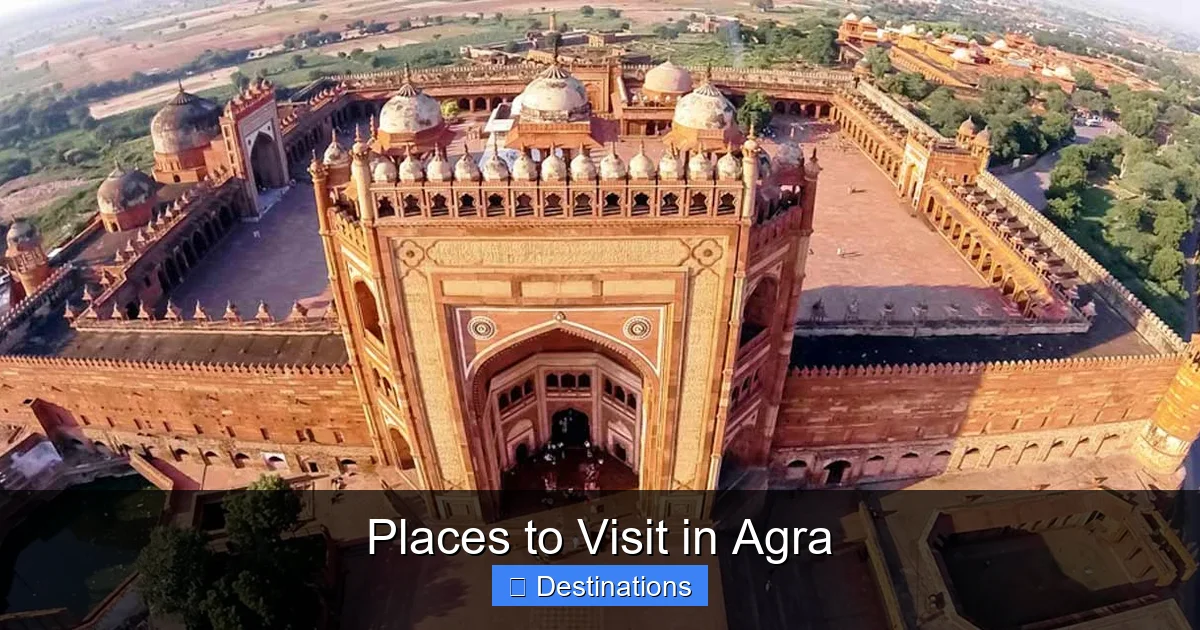
Just a short distance from the Taj Mahal lies another UNESCO World Heritage Site—Agra Fort. This massive red sandstone fortress was the main residence of the Mughal emperors until they shifted the capital to Delhi. With its high walls, grand gates, and lush courtyards, it feels like stepping back into the 16th century.
Visual guide about Places to Visit in Agra
Best Stay Deals Available
Compare prices across top booking platforms and find the best deal for your stay.
Check Available RoomsImage source: agratourism.in
Highlights of Agra Fort
Inside the fort, you’ll find a mix of palaces, audience halls, and mosques. The Jahangir Palace, built by Akbar, showcases a blend of Hindu and Islamic styles. The Sheesh Mahal (Palace of Mirrors) is a glittering highlight, with walls and ceilings covered in thousands of tiny mirrors that reflect even the smallest light.
Views of the Taj Mahal
One of the best-kept secrets of Agra Fort is the view it offers of the Taj Mahal. From the Musamman Burj—a small octagonal tower—you can see the Taj across the river. It’s a quieter, more intimate perspective than the crowded gardens near the monument itself.
Visiting Tips
- Combine your visit with the Taj Mahal—they’re only 2.5 km apart.
- Allow at least 2–3 hours to explore the fort thoroughly.
- Wear sunscreen and a hat—there’s little shade in the open courtyards.
Fatehpur Sikri: The Ghost City of the Mughals
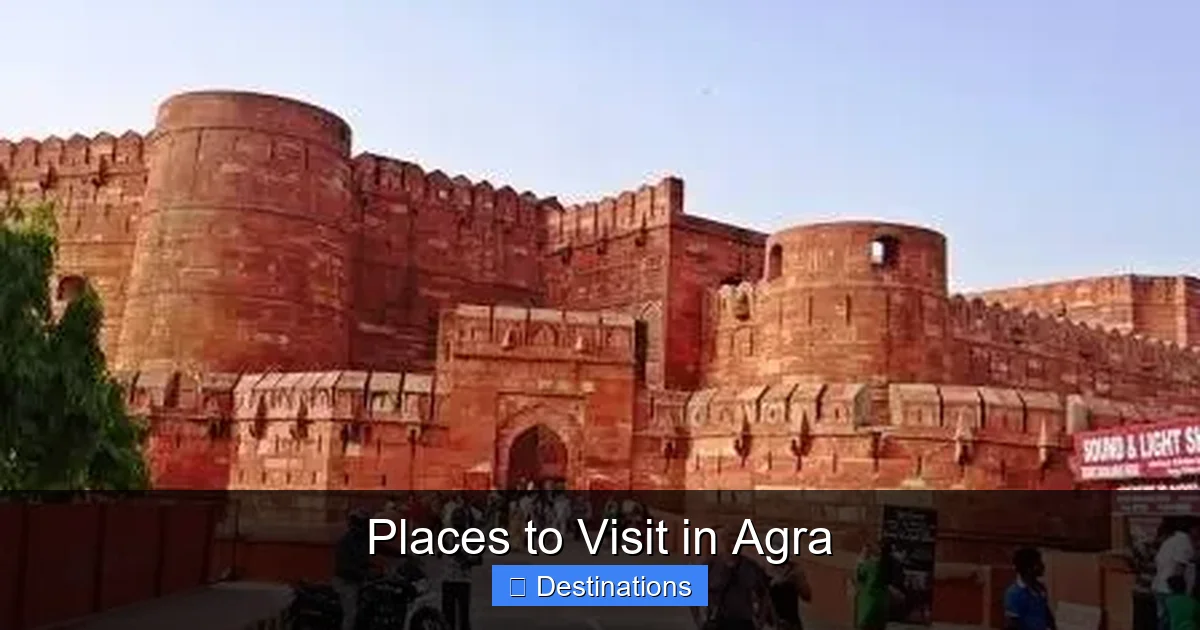
About 40 km from Agra lies Fatehpur Sikri, a city built by Emperor Akbar in the 16th century. Though it was abandoned after just 14 years due to water shortages, it remains one of the best-preserved examples of Mughal architecture. Today, it’s a UNESCO site and a must-visit for anyone interested in history.
Visual guide about Places to Visit in Agra
Image source: i0.wp.com
Architectural Wonders
The city is a blend of Persian, Indian, and Islamic styles. The Buland Darwaza, a towering victory gate, is one of the tallest doorways in the world. The Jama Masjid, with its massive courtyard and ornate mihrab, is still used for prayers. Don’t miss the Panch Mahal, a five-story palace that looks like a Mughal version of a pagoda.
Birbal’s House and the I’timad-ud-Daulah
Explore the residential quarters, including the house of Akbar’s close friend and minister, Birbal. Nearby, the tomb of I’timad-ud-Daulah—often called the “Baby Taj”—is a smaller, more delicate version of the Taj Mahal, with intricate marble work and Persian-style gardens.
Getting There
Fatehpur Sikri is accessible by car, taxi, or train. Many travelers combine it with a visit to Agra in a single day. If you’re short on time, consider hiring a guided tour that includes transportation and entry fees.
Mehtab Bagh: The Perfect Taj Viewpoint
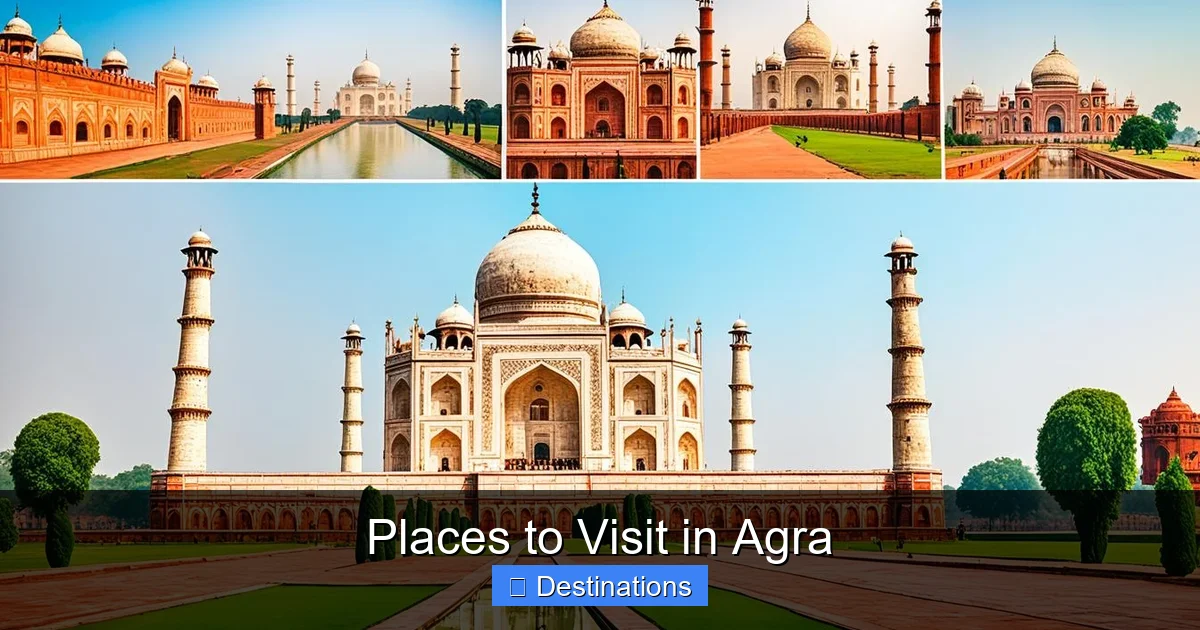
If you’ve ever seen a photo of the Taj Mahal reflected in water, chances are it was taken from Mehtab Bagh. This Mughal garden, located across the Yamuna River, was designed as a moonlit viewing spot for the Taj. Though it fell into ruin for centuries, it has been restored and is now a peaceful escape from the crowds.
Visual guide about Places to Visit in Agra
Image source: indiatravel.app
Why Visit Mehtab Bagh?
It offers one of the most iconic views of the Taj Mahal—especially at sunset. The symmetry of the garden mirrors the monument, creating a stunning visual balance. It’s also less crowded than the main Taj complex, making it ideal for quiet reflection or photography.
Best Time to Go
Sunset is the magic hour here. The golden light bathes the Taj, and the reflections in the garden’s water channels are breathtaking. Early morning is also beautiful, with soft light and fewer people.
Visitor Tips
- Entry is free, but you may need to show ID.
- Wear insect repellent—mosquitoes can be active near the river.
- Bring a camera with a good zoom lens for close-up shots of the Taj.
Local Culture and Cuisine
Agra isn’t just about monuments—it’s also a city of flavors, crafts, and vibrant street life. To truly experience Agra, take time to explore its markets, taste its food, and interact with locals.
Must-Try Foods
Start with petha, a sweet made from ash gourd that’s Agra’s signature treat. Available in flavors like saffron, rose, and pistachio, it’s a favorite souvenir. For a hearty meal, try Mughlai dishes like biryani, kebabs, and korma at restaurants near Jama Masjid. Don’t miss the chaat and jalebi at Sadar Bazaar—Agra’s bustling market area.
Shopping in Agra
Sadar Bazaar is the heart of Agra’s shopping scene. You’ll find everything from marble handicrafts and miniature Taj replicas to leather goods and traditional textiles. Bargaining is expected, so don’t hesitate to negotiate. For authentic marble inlay work, visit shops near the Taj Mahal—many artisans still use techniques passed down through generations.
Cultural Experiences
Consider attending a Mughal-era dance or music performance, often held at heritage hotels or cultural centers. These shows offer a glimpse into the artistic traditions of the era and make for a memorable evening.
Planning Your Trip to Agra
Agra is well-connected by road, rail, and air. The nearest airport is Kheria Airport (AGR), about 13 km from the city center. The railway station is a major hub, with trains from Delhi, Jaipur, and other cities. Most tourists visit Agra as part of the “Golden Triangle” tour, which also includes Delhi and Jaipur.
Best Time to Visit
The ideal time to visit Agra is from October to March, when the weather is cool and pleasant. Summers (April to June) can be extremely hot, with temperatures exceeding 40°C (104°F). Monsoon season (July to September) brings rain, which can disrupt travel plans.
How Many Days to Spend?
Most travelers spend 1–2 days in Agra. One day is enough to see the Taj Mahal, Agra Fort, and Mehtab Bagh. Add a second day to explore Fatehpur Sikri, shop, and enjoy local food. If you’re a history lover, you could easily spend three days uncovering every corner.
Accommodation Tips
Agra offers a range of stays—from luxury heritage hotels with Taj views to budget guesthouses. Staying near the Taj Mahal or Agra Fort makes sightseeing easier. For a unique experience, book a heritage property like the Oberoi Amarvilas, which offers direct views of the Taj from your room.
Conclusion
Agra is more than a stop on a tourist map—it’s a journey through time, love, and architectural brilliance. Whether you’re standing in awe before the Taj Mahal, wandering the silent streets of Fatehpur Sikri, or savoring a piece of petha at a local stall, you’ll feel the city’s magic in every moment. With its rich history, warm people, and unforgettable sights, Agra deserves a place on every traveler’s bucket list. So pack your bags, bring your camera, and get ready to fall in love with one of India’s most enchanting destinations.
Frequently Asked Questions
Is Agra safe for tourists?
Yes, Agra is generally safe for tourists. Like any popular destination, be cautious of pickpockets in crowded areas and avoid isolated spots at night.
Do I need a guide to visit the Taj Mahal?
A guide isn’t required, but highly recommended. A knowledgeable guide can enrich your experience with historical context and hidden stories.
Can I visit the Taj Mahal on Fridays?
No, the Taj Mahal is closed to tourists on Fridays for prayers at the mosque inside the complex.
Are there any dress code restrictions at the monuments?
There’s no strict dress code, but modest clothing is appreciated. Avoid revealing outfits, especially at religious sites.
What is the entry fee for the Taj Mahal?
Entry fees vary for Indian and foreign tourists. As of 2024, it’s around ₹50 for Indians and ₹1100 for foreigners, with additional charges for the main dome.
Can I visit Agra with kids?
Absolutely! Agra is family-friendly. Kids will enjoy the grandeur of the monuments, and many hotels offer kid-friendly amenities. Just keep them hydrated and protected from the sun.