
Athens is a city where ancient history meets modern charm. From the iconic Acropolis to lively streets in Plaka, there’s something for every traveler. Whether you love archaeology, food, or scenic views, Athens delivers unforgettable experiences.
Athens isn’t just a city—it’s a living museum, a cultural hub, and a gateway to the soul of Greece. As the birthplace of democracy, philosophy, and Western civilization, Athens carries the weight of history in every stone, street, and sunset. But don’t let its ancient reputation fool you. This vibrant capital pulses with modern energy, from buzzing rooftop bars to innovative art galleries and some of the best street food in the Mediterranean.
Check the latest prices and available rooms before they sell out.
Whether you’re a history buff, a foodie, or simply someone who loves to wander through colorful neighborhoods, Athens has a rhythm that invites you in. The city blends the old and new seamlessly. You can spend the morning exploring 2,500-year-old ruins and the afternoon sipping freddo cappuccino at a sidewalk café while watching locals go about their day. It’s this unique mix that makes Athens one of the most captivating places to visit in Europe.
Key Takeaways
- The Acropolis and Parthenon are must-see landmarks: These ancient sites offer breathtaking views and a deep dive into Greek history.
- Plaka and Monastiraki are perfect for strolls and shopping: These historic neighborhoods blend old-world charm with cafes, boutiques, and street art.
- The National Archaeological Museum houses world-class artifacts: It’s one of the greatest collections of ancient Greek art and relics.
- Mount Lycabettus offers the best panoramic views: Hike or take the funicular for sunset views over the city and the Aegean Sea.
- Local food is a highlight: Try authentic souvlaki, spanakopita, and Greek coffee in traditional tavernas.
- Day trips to nearby islands are easy: Consider a quick ferry ride to Aegina or Hydra for a coastal escape.
- Athens is walkable and rich in culture: Most major attractions are within a short distance, making it ideal for explorers on foot.
Quick Answers to Common Questions
What is the best time to visit Athens?
The ideal times are spring (April to June) and fall (September to October), when the weather is pleasant and crowds are smaller.
Is Athens safe for tourists?
Yes, Athens is generally safe. Like any major city, stay aware of your surroundings, especially in crowded areas and on public transport.
How many days should I spend in Athens?
3 to 4 days is enough to see the main attractions, but you could easily spend a week exploring neighborhoods, museums, and nearby sites.
Do I need to speak Greek to get around?
No, English is widely spoken in tourist areas, hotels, and restaurants. Basic Greek phrases are appreciated but not required.
Can I visit the Acropolis at night?
The Acropolis is closed at night, but you can see it illuminated from viewpoints like Mount Lycabettus or Areopagus Hill.
📑 Table of Contents
- The Acropolis and Parthenon: The Heart of Ancient Athens
- Plaka: The Neighborhood of the Gods
- The National Archaeological Museum: A Treasure Trove of History
- Mount Lycabettus: The Best View in Athens
- Monastiraki and Psiri: Markets, Music, and Nightlife
- Day Trips from Athens: Islands and More
- Conclusion
The Acropolis and Parthenon: The Heart of Ancient Athens
No trip to Athens is complete without visiting the Acropolis, the city’s most iconic landmark. Perched on a rocky hill above the city, this ancient citadel is home to several monumental structures, with the Parthenon stealing the spotlight. Built in the 5th century BCE, the Parthenon was a temple dedicated to the goddess Athena and remains a symbol of classical architecture and Greek pride.
Find the Best Accommodation Deals
Compare prices from multiple booking platforms and find the best option for your stay.
Compare Hotel PricesWhat to Expect When Visiting
The Acropolis is open daily, but it’s best to arrive early—ideally right when it opens—to beat the crowds and the heat. Wear comfortable shoes, as the climb is steep and the marble steps can be slippery. Audio guides are available, or you can join a guided tour to learn about the history, mythology, and engineering marvels behind the structures.
Don’t miss the Propylaea (the grand entrance), the Erechtheion with its famous Caryatids, and the Temple of Athena Nike. Each tells a story of war, worship, and artistic brilliance. For the best photo op, head to the nearby Areopagus Hill, where you can snap a picture of the Parthenon framed by the city skyline.
Find the Best Accommodation Deals
Compare prices from multiple booking platforms and discover the best stay options available.
⭐ Trusted by thousands of travelers
💰 Budget to luxury options available
Tips for a Better Experience
– Visit during sunset for golden-hour lighting and fewer tourists.
– Combine your visit with the Acropolis Museum, located just a 10-minute walk away.
– Stay hydrated—there are water fountains near the entrance.
Plaka: The Neighborhood of the Gods
Visual guide about Places to Visit in Athens
Best Stay Deals Available
Compare prices across top booking platforms and find the best deal for your stay.
Check Available RoomsImage source: i0.wp.com
Nestled at the foot of the Acropolis, Plaka is one of Athens’ oldest and most charming neighborhoods. With its narrow cobblestone streets, neoclassical houses, and vibrant bougainvillea, Plaka feels like stepping into a postcard. It’s a favorite among tourists and locals alike, offering a mix of history, shopping, and dining.
Things to Do in Plaka
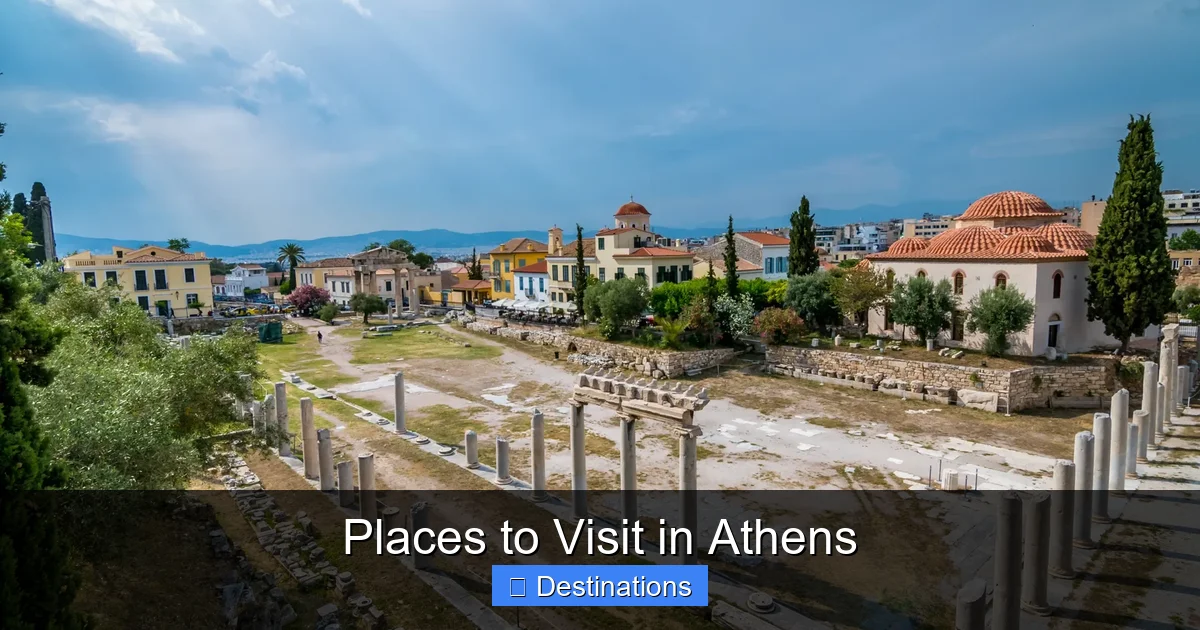
Stroll along Adrianou Street, the main pedestrian road, lined with souvenir shops, artisan boutiques, and cozy cafes. Stop by the Ancient Agora, once the heart of political and social life in Athens, and explore the Temple of Hephaestus—one of the best-preserved ancient Greek temples.
For a quieter experience, wander into the side alleys where you’ll find hidden courtyards, family-run tavernas, and small museums like the Museum of Greek Folk Art. Plaka is also a great place to pick up handmade jewelry, olive wood carvings, and traditional Greek musical instruments.
Where to Eat in Plaka
Try a meal at a traditional taverna like “Taverna Tou Psirri” or “Oinomageiremata,” where you can enjoy grilled meats, fresh seafood, and homemade tzatziki. Don’t leave without trying a piece of baklava or a scoop of loukoumades (Greek doughnuts) from a local sweet shop.
The National Archaeological Museum: A Treasure Trove of History

Visual guide about Places to Visit in Athens
Image source: i.ytimg.com
If you’re passionate about ancient civilizations, the National Archaeological Museum is a must-visit. It’s the largest museum of its kind in Greece and one of the most important in the world. The collection spans over 5,000 years of history, from prehistoric times to the Roman period.
Highlights of the Museum
The museum houses over 11,000 artifacts, including the gold mask of Agamemnon, the Antikythera mechanism (an ancient astronomical calculator), and stunning frescoes from Santorini. The Sculpture Collection features masterpieces like the Kouros of Anavyssos and the Artemision Bronze, believed to depict Zeus or Poseidon.
Visitor Tips
– Allow at least 2–3 hours to explore the museum thoroughly.
– Photography is allowed in most areas, but flash is prohibited.
– The museum is air-conditioned, making it a great retreat on hot days.
Mount Lycabettus: The Best View in Athens

Visual guide about Places to Visit in Athens
Image source: thissplendidshambles.com
For the most breathtaking panoramic view of Athens, head to the top of Mount Lycabettus. Rising 278 meters above the city, this limestone hill offers 360-degree views that stretch from the Acropolis to the Saronic Gulf. Whether you visit at sunrise, midday, or sunset, the sight is unforgettable.
How to Reach the Summit
You can hike up the winding path, which takes about 30–45 minutes depending on your pace. The trail is well-marked and shaded in parts, but bring water and wear sunscreen. Alternatively, take the Lycabettus Funicular, a scenic ride that departs every 30 minutes from the base near Kolonaki.
What to Do at the Top
At the summit, you’ll find a small chapel, a restaurant, and plenty of benches to sit and soak in the view. It’s a popular spot for proposals, photoshoots, and quiet reflection. Visit in the evening to watch the city lights come alive—especially magical during summer months.
Monastiraki and Psiri: Markets, Music, and Nightlife
Just a short walk from Plaka, Monastiraki is the bustling heart of Athens’ market scene. The famous Monastiraki Flea Market operates on Sundays, offering everything from vintage clothing and antique coins to handmade crafts and Greek spices.
Exploring the Neighborhoods
By day, Monastiraki is a maze of shops, cafes, and historic sites like the Tzistarakis Mosque and the ruins of the Roman Agora. As the sun sets, the area transforms. Nearby Psiri comes alive with music, bars, and open-air restaurants. It’s the perfect place to experience Athens’ nightlife, from live rebetiko music to modern DJ sets.
Local Eats and Drinks
Grab a souvlaki wrap from a street vendor or sit down for a full meal at a taverna. Try ouzo or raki with meze (small dishes) like dolmades, fava, and grilled octopus. For dessert, head to a kafeneio (traditional coffeehouse) for Greek coffee and galaktoboureko.
Day Trips from Athens: Islands and More
While Athens has plenty to offer, it’s also a great base for short excursions. A quick ferry ride takes you to nearby islands like Aegina, known for its pistachios and ancient temples, or Hydra, a car-free island with stunning harbor views.
Other Nearby Attractions
– Cape Sounion: Visit the Temple of Poseidon at sunset.
– Delphi: A UNESCO World Heritage site and ancient oracle center.
– Ancient Corinth: Explore ruins and the Corinth Canal.
These trips can be done in a day and offer a refreshing change of scenery from the city.
Conclusion
Athens is more than just a stopover on the way to the Greek islands—it’s a destination rich in history, culture, and charm. From the awe-inspiring Acropolis to the lively streets of Psiri, every corner of the city tells a story. Whether you’re marveling at ancient artifacts, savoring authentic Greek cuisine, or watching the sunset from Mount Lycabettus, Athens leaves a lasting impression.
Plan your visit with curiosity and an open mind, and you’ll discover why this city has captivated travelers for centuries. For more inspiration on European destinations, check out our guide to the 10 Best Places to Visit in Spain or explore Amsterdam’s top attractions. If you’re planning a broader Mediterranean trip, don’t miss our tips on the best time to visit Spain.
Frequently Asked Questions
What are the must-see historical sites in Athens?
The Acropolis, Parthenon, Ancient Agora, and Temple of Olympian Zeus are essential stops for history lovers. Each offers a unique glimpse into ancient Greek civilization.
Where can I find the best views of Athens?
Mount Lycabettus, Areopagus Hill, and the Acropolis Museum’s rooftop terrace offer some of the most stunning panoramic views of the city.
What should I eat when visiting Athens?
Try souvlaki, moussaka, Greek salad, spanakopita, and fresh seafood. Don’t miss desserts like baklava and galaktoboureko, and sip on Greek coffee or ouzo.
Is public transportation easy to use in Athens?
Yes, Athens has an efficient metro, bus, and tram system. The metro is clean, safe, and connects major attractions. A multi-day pass is cost-effective.
Are there family-friendly activities in Athens?
Absolutely. Kids love the Acropolis, the Hellenic Children’s Museum, and interactive exhibits at the Acropolis Museum. Day trips to the beach or islands are also great for families.
Can I visit Athens on a budget?
Yes, Athens is affordable compared to other European capitals. Many museums have free entry days, and street food like souvlaki is delicious and inexpensive.