
Australia is a land of breathtaking landscapes, vibrant cities, and unique wildlife. Whether you’re drawn to the Great Barrier Reef, the Outback, or cosmopolitan Sydney, this guide highlights the top places to visit in Australia for every traveler.
Australia is a continent of extremes—vast deserts, lush rainforests, turquoise coastlines, and bustling cities. It’s a destination that feels both familiar and wildly different, offering something for every kind of traveler. Whether you’re an adventure seeker, a culture lover, or someone who just wants to relax on a sun-kissed beach, Australia delivers in spades.
Check the latest prices and available rooms before they sell out.
From the moment you step off the plane, you’ll notice the country’s unique blend of modernity and natural beauty. The cities are clean, safe, and full of energy, while the landscapes stretch endlessly, inviting exploration. Australia’s isolation has preserved its ecosystems, making it one of the few places on Earth where you can see koalas in the wild, snorkel with sea turtles, or hike through ancient rainforests—all in one trip.
Key Takeaways
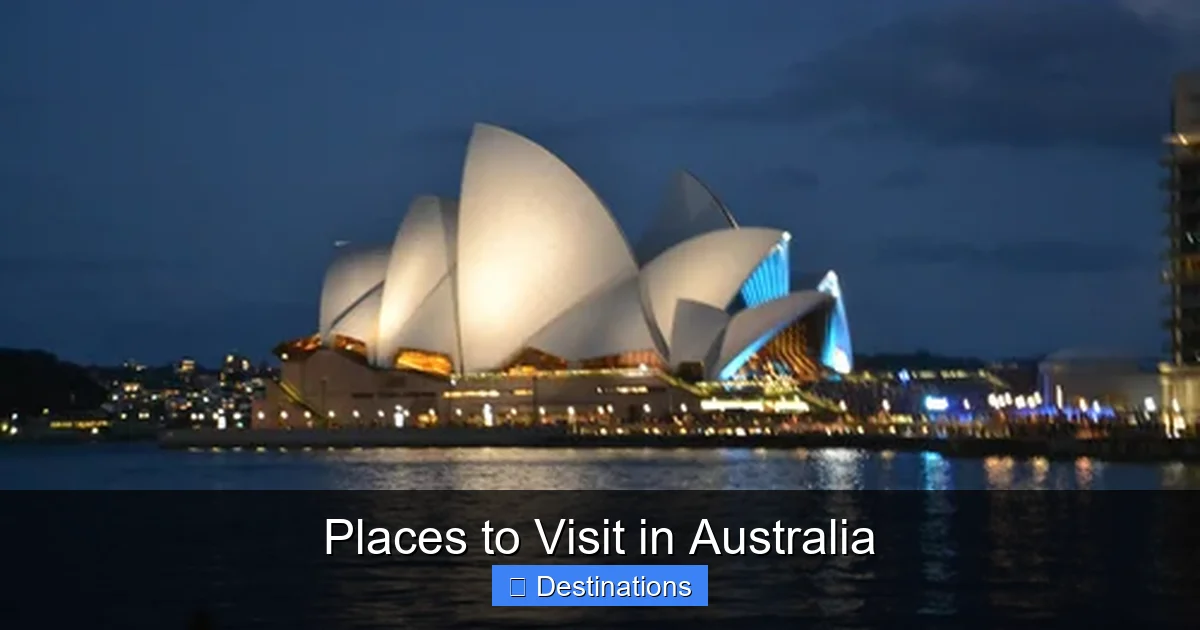
- Sydney offers iconic landmarks like the Opera House and Harbour Bridge, perfect for first-time visitors.
- The Great Barrier Reef is a world-famous diving and snorkeling destination with unmatched marine biodiversity.
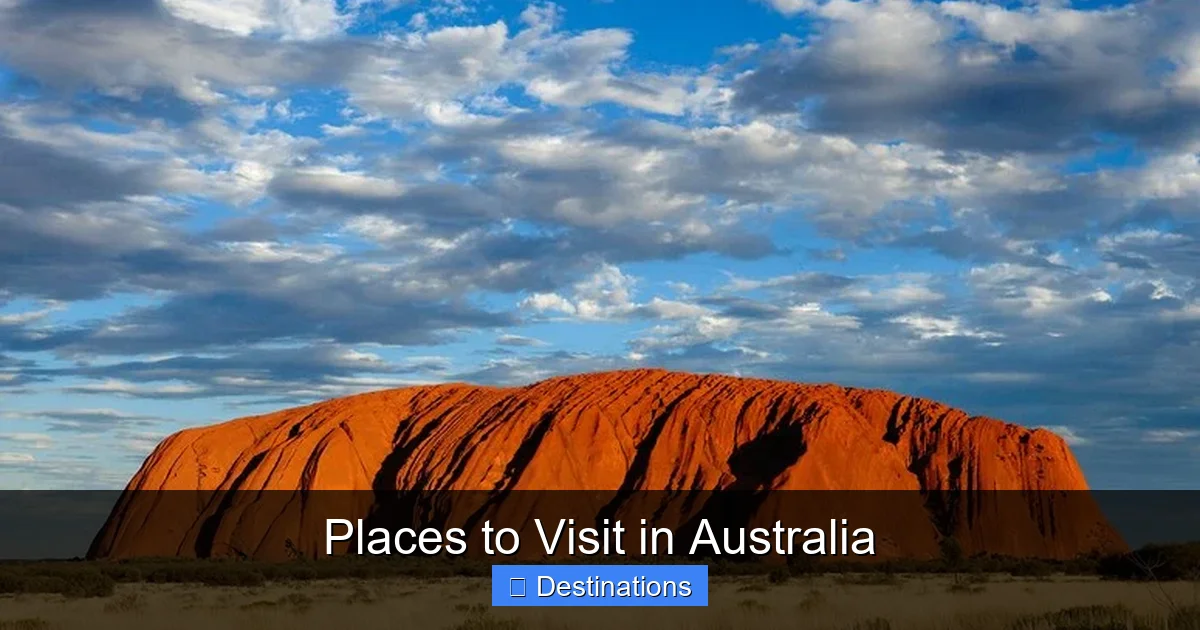
- Uluru, a sacred red rock formation, provides a spiritual and scenic experience in the heart of the Outback.
- Melbourne is renowned for its arts, coffee culture, and hidden laneway cafes.
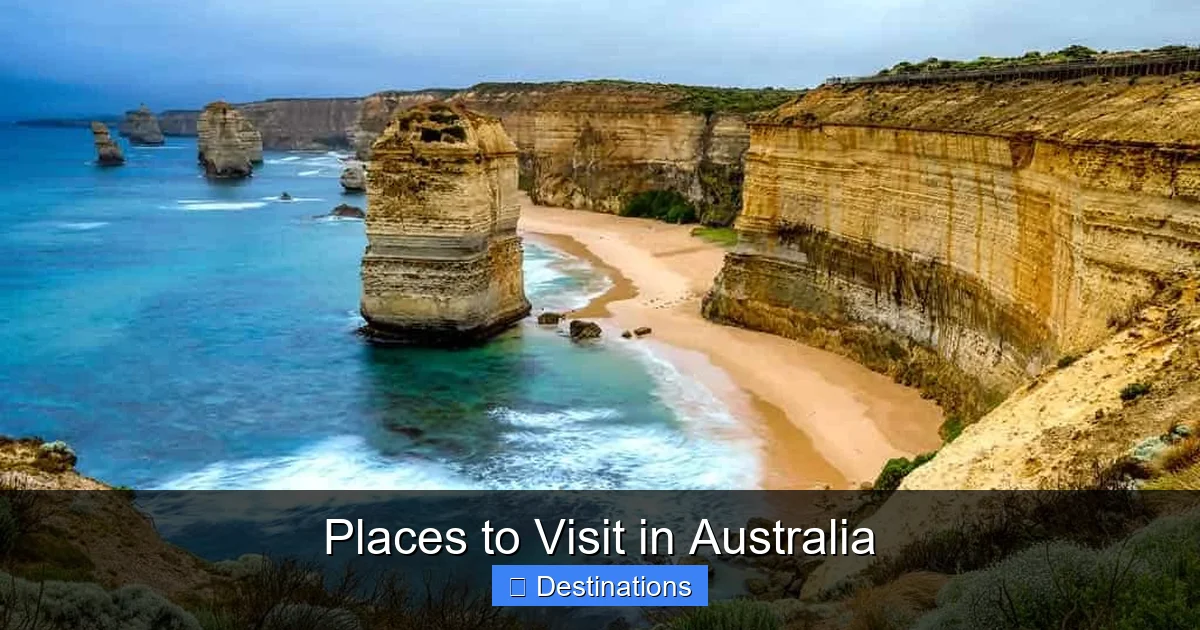
- The Great Ocean Road features dramatic coastal scenery, including the Twelve Apostles limestone stacks.
- Tasmania combines rugged wilderness with gourmet food and historic towns like Hobart.
- Kangaroo Island offers close encounters with native wildlife in a pristine natural setting.
Quick Answers to Common Questions
What is the best time to visit Australia?
The best time to visit Australia depends on the region. Generally, spring (September–November) and autumn (March–May) offer pleasant weather and fewer crowds. Summer (December–February) is great for beach destinations, while winter (June–August) is ideal for the Red Centre and skiing in the mountains.
Is Australia safe for tourists?
Yes, Australia is considered one of the safest countries for tourists. Crime rates are low, and the infrastructure is well-developed. However, always take standard precautions, especially in cities, and be aware of natural hazards like strong sun and ocean currents.
Do I need a visa to visit Australia?
Most visitors need a visa to enter Australia. Travelers from many countries can apply for an Electronic Travel Authority (ETA) or eVisitor visa online. Check the Australian government’s immigration website for the most up-to-date requirements.
What currency is used in Australia?
Australia uses the Australian dollar (AUD). Credit cards are widely accepted, but it’s a good idea to carry some cash for small purchases, especially in rural areas.
Can I see the Great Barrier Reef without getting wet?
Yes! You can view the reef from a glass-bottom boat, take a scenic helicopter flight, or visit underwater observatories like the one at Reef HQ in Townsville. These options are great for non-swimmers or those with mobility concerns.
📑 Table of Contents
1. Sydney: The Iconic Harbor City
Sydney is often the first stop for international travelers, and for good reason. This vibrant coastal city is home to some of the world’s most recognizable landmarks. The Sydney Opera House, with its sail-like design, sits proudly on Bennelong Point, while the Sydney Harbour Bridge offers panoramic views from its summit—especially during the famous New Year’s Eve fireworks.
Find the Best Accommodation Deals
Compare prices from multiple booking platforms and find the best option for your stay.
Compare Hotel PricesTop Attractions in Sydney
Beyond the big names, Sydney has plenty to offer. Take a ferry to Manly Beach for a laid-back coastal vibe, or stroll through the Royal Botanic Garden for a peaceful escape in the city center. The Rocks neighborhood is perfect for history buffs, with cobblestone streets, weekend markets, and colonial-era buildings.
For a taste of local life, visit Bondi Beach. It’s not just for surfers—Bondi has great cafes, coastal walks, and a lively weekend market. Don’t miss the Bondi to Coogee coastal walk, a 6-kilometer trail with stunning ocean views and hidden coves.
Find the Best Accommodation Deals
Compare prices from multiple booking platforms and discover the best stay options available.
⭐ Trusted by thousands of travelers
💰 Budget to luxury options available
Travel Tips for Sydney
- Use the Opal card for easy travel on trains, buses, and ferries.
- Book tickets for the Opera House tour in advance, especially during peak season.
- Visit during autumn (March–May) for pleasant weather and fewer crowds.
2. The Great Barrier Reef: A Marine Wonderland
Stretching over 2,300 kilometers along Queensland’s coast, the Great Barrier Reef is the world’s largest coral reef system and a UNESCO World Heritage Site. It’s home to thousands of species of fish, corals, sharks, and sea turtles, making it a dream destination for underwater explorers.
Best Ways to Experience the Reef
The most popular access points are Cairns, Port Douglas, and the Whitsunday Islands. From Cairns, you can take a day trip on a glass-bottom boat or join a snorkeling or scuba diving tour. For a more luxurious experience, consider a liveaboard dive trip that lets you explore remote sections of the reef.
Best Stay Deals Available
Compare prices across top booking platforms and find the best deal for your stay.
Check Available RoomsVisual guide about Places to Visit in Australia
Image source: darwinsairwar.com.au
If you’re not a diver, don’t worry—there are plenty of ways to enjoy the reef. Visit Green Island, a coral cay with a rainforest and beach, or take a scenic helicopter flight for a bird’s-eye view of the reef’s vibrant colors.
Conservation and Responsible Travel
The reef faces threats from climate change and pollution, so it’s important to choose eco-certified tour operators. Always use reef-safe sunscreen and avoid touching the coral. Supporting local conservation efforts helps protect this natural wonder for future generations.
3. Uluru: The Heart of the Outback
Located in the Red Centre of Australia, Uluru (also known as Ayers Rock) is a massive sandstone monolith that rises dramatically from the flat desert landscape. Sacred to the local Anangu people, it’s a place of deep cultural and spiritual significance.
What to Do at Uluru
Watching the sunrise or sunset over Uluru is a must. The rock changes color from deep red to fiery orange as the light shifts, creating a truly magical experience. Guided walks with Anangu elders offer insight into the rock’s creation stories and traditional practices.
Visual guide about Places to Visit in Australia
Image source: nomadasaurus.com
Nearby, Kata Tjuta (the Olgas) is another stunning rock formation worth exploring. The Valley of the Winds walk takes you through rugged domes and offers breathtaking views.
Respectful Visitation
Climbing Uluru was officially banned in 2019 out of respect for Indigenous culture. Instead, visitors are encouraged to walk around the base or join a cultural tour. Stay at Ayers Rock Resort for comfortable accommodations and easy access to the site.
4. Melbourne: The Cultural Capital
Melbourne is often called Australia’s cultural capital, and it’s easy to see why. This city pulses with creativity, from its street art and live music scene to its world-class museums and food culture.
Exploring Melbourne’s Neighborhoods
Start in the CBD, where historic arcades like Block Arcade and Royal Arcade offer boutique shopping. Then wander into the laneways—Hosier Lane is famous for its ever-changing graffiti art. Don’t miss the Queen Victoria Market for fresh produce, local crafts, and international street food.
Visual guide about Places to Visit in Australia
Image source: assets-news.housing.com
For a taste of Melbourne’s café culture, head to Fitzroy or Carlton. These neighborhoods are packed with cozy cafes, vintage shops, and indie bookstores. The city is also known for its coffee—Melbourne has more cafes per capita than almost any other city in the world.
Day Trips from Melbourne
If you have extra time, take a day trip to the Yarra Valley for wine tasting, or visit the historic gold rush town of Ballarat. For nature lovers, the Dandenong Ranges offer lush forests and scenic train rides.
5. The Great Ocean Road: A Scenic Coastal Drive
Stretching 243 kilometers along Victoria’s southwest coast, the Great Ocean Road is one of the world’s most beautiful drives. Built by returned soldiers after World War I, it winds through rainforests, past towering cliffs, and along pristine beaches.
Must-See Stops Along the Way
The Twelve Apostles—limestone stacks rising from the Southern Ocean—are the most famous attraction. Visit at sunrise or sunset for the best lighting. Other highlights include the Loch Ard Gorge, London Bridge, and the charming town of Port Campbell.
For adventure, try surfing at Bells Beach or hiking in the Great Otway National Park. The region is also known for its wildlife—spot koalas in the trees near Kennett River or take a whale-watching tour during migration season.
Travel Tips
- Rent a car for the full experience—public transport is limited.
- Allow at least two days to drive the entire route comfortably.
- Stay in Apollo Bay or Lorne for cozy accommodations and great seafood.
6. Tasmania: Wilderness and Wonder
Just a short flight from Melbourne or Sydney, Tasmania feels like a world apart. This island state is known for its rugged wilderness, clean air, and slow-paced lifestyle.
Top Destinations in Tasmania
Hobart, the capital, is a charming port city with a rich history. Visit the Museum of Old and New Art (MONA), one of Australia’s most controversial and fascinating museums. The Salamanca Market, held every Saturday, is a great place to sample local produce and handmade goods.
For nature lovers, Cradle Mountain-Lake St Clair National Park is a highlight. Hike the Dove Lake Circuit for stunning views of Cradle Mountain, or tackle the Overland Track—a six-day trek through some of the country’s most pristine wilderness.
Wildlife and Food
Tasmania is home to unique wildlife, including the Tasmanian devil. Visit Bonorong Wildlife Sanctuary near Hobart to see these iconic animals up close. The island is also a foodie paradise, with fresh seafood, artisan cheeses, and cool-climate wines.
7. Kangaroo Island: Australia’s Wildlife Sanctuary
Located off the coast of South Australia, Kangaroo Island is a haven for native animals and natural beauty. It’s one of the best places in Australia to see wildlife in the wild.
Wildlife Encounters
As the name suggests, kangaroos are abundant here—especially at sunrise and sunset. You’ll also find sea lions at Seal Bay, koalas in the trees, and penguins at Penneshaw. The island is a birdwatcher’s paradise, with species like the glossy black cockatoo and fairy penguin.
Natural Attractions
Flinders Chase National Park is the island’s main draw. See the Remarkable Rocks, a cluster of weathered granite formations, and Admirals Arch, a natural rock bridge that’s home to a colony of New Zealand fur seals. The island’s coastline is dotted with pristine beaches and dramatic cliffs.
Getting There and Staying
Fly from Adelaide or take a ferry from Cape Jervis. Accommodations range from luxury eco-lodges to cozy B&Bs. Plan to stay at least two nights to fully experience the island.
Conclusion
Australia is a destination that rewards curiosity and adventure. From the urban energy of Sydney and Melbourne to the raw beauty of Uluru and the Great Barrier Reef, the places to visit in Australia are as diverse as they are unforgettable. Whether you’re exploring ancient landscapes, meeting unique wildlife, or soaking up city culture, this country offers experiences that stay with you long after you’ve left.
With so much to see and do, it’s worth planning your trip around your interests—whether that’s diving, hiking, food, or history. And don’t forget to take your time. Australia is vast, and the journey between destinations is often as rewarding as the destinations themselves.
So pack your bags, grab your camera, and get ready to discover why Australia is one of the world’s most beloved travel destinations.
Frequently Asked Questions
How many days do I need to see Australia?
To see the major highlights, plan for at least two weeks. This allows time for 3–4 key destinations, such as Sydney, the Great Barrier Reef, Uluru, and Melbourne. For a more relaxed trip, consider three weeks or more.
Is it expensive to travel in Australia?
Australia can be pricey, especially in major cities and tourist areas. Accommodation, dining, and tours add up, but budget options like hostels, self-catering apartments, and free attractions help reduce costs. Traveling in the off-season can also save money.
What should I pack for a trip to Australia?
Pack lightweight, breathable clothing for warm weather, but include layers for cooler evenings. Don’t forget sunscreen, a hat, sunglasses, and sturdy walking shoes. If visiting the Outback or national parks, bring insect repellent and a reusable water bottle.
Are there direct flights to Australia from the US or Europe?
Yes, there are direct flights from major US cities like Los Angeles and San Francisco, as well as from cities in Europe such as London and Frankfurt. Flight times vary, but expect 14–17 hours from the US West Coast and 20+ hours from Europe.
Can I drive in Australia as a tourist?
Yes, tourists can drive in Australia with a valid driver’s license from their home country. If your license isn’t in English, you may need an International Driving Permit. Remember, Australians drive on the left side of the road.
What are some family-friendly places to visit in Australia?
Great family-friendly destinations include Sydney (with its beaches and Taronga Zoo), the Gold Coast (theme parks and surf beaches), and Kangaroo Island (wildlife encounters). Melbourne and Adelaide also offer excellent museums, parks, and interactive attractions for kids.