
Tasmania is a hidden gem in Australia, offering jaw-dropping natural beauty, rich history, and unforgettable outdoor adventures. Whether you love hiking through ancient forests, tasting fresh seafood, or spotting rare wildlife, Tasmania delivers experiences you won’t find anywhere else.
From the rugged wilderness of Cradle Mountain to the charming streets of Hobart, this island state blends adventure, culture, and relaxation in perfect harmony.
Check the latest prices and available rooms before they sell out.
Tasmania isn’t just an island—it’s a world of its own. Nestled south of mainland Australia, this rugged state is a paradise for nature lovers, foodies, history buffs, and adventure seekers alike. With ancient rainforests, dramatic coastlines, and a surprisingly vibrant culture, Tasmania delivers experiences that feel both wild and refined. Whether you’re wandering through misty forests, savoring fresh seafood by the water, or learning about the island’s convict past, Tasmania surprises you at every turn.
What makes Tasmania truly special is how it balances raw wilderness with small-town charm. You can hike to a summit and watch the sun rise over glacial lakes, then spend the afternoon exploring a cozy café in Hobart or sampling award-winning local cheese. It’s an island where time slows down, and every corner feels like a secret waiting to be discovered. If you’re dreaming of a destination that’s off the beaten path but still packed with adventure, Tasmania should be at the top of your list.
Key Takeaways
- Explore UNESCO World Heritage Sites: Tasmania is home to incredible natural wonders like Cradle Mountain-Lake St Clair National Park and the Tasmanian Wilderness, offering hiking, kayaking, and wildlife spotting.
- Delight in Fresh Seafood: From Tasmanian salmon to oysters and crayfish, the island’s coastal towns like Hobart and Launceston serve up some of the world’s best seafood.
- Encounter Unique Wildlife: See Tasmanian devils, quolls, and echidnas in their natural habitat or visit the Tasmanian Devil Unzoo for close-up encounters.
- Discover Historic Ports: Wander through beautifully preserved colonial towns like Port Arthur and Richmond, rich in convict history and charming architecture.
- Experience Stunning Coastal Drives: The East Coast and Tasman Peninsula offer dramatic cliffs, white-sand beaches, and the famous Three Sisters rock formation.
- Enjoy Local Cuisine and Breweries: Tasmania’s food scene blends fresh produce with artisanal flavors—don’t miss craft beer, cheese, and cider tastings.
- Plan for All Seasons: Whether you visit in summer for hiking or winter for cozy cafes and festivals, Tasmania offers something year-round.
Quick Answers to Common Questions
What is the best time to visit Tasmania?
The best time is spring (September–November) and autumn (March–May) when the weather is mild and crowds are smaller. Summer is great for beach activities, while winter offers cozy cafes and fewer tourists.
Do I need a car to explore Tasmania?
Yes, renting a car is the most convenient way to explore Tasmania, especially for accessing national parks and remote areas. Public transport is limited outside major towns.
Is Tasmania safe for solo travelers?
Yes, Tasmania is very safe for solo travelers. It’s known for its friendly locals, low crime rates, and well-marked trails, making it a great destination for independent explorers.
What should I pack for a Tasmania trip?
Pack layers, sturdy hiking shoes, a rain jacket, sunscreen, and a good camera. The weather can change quickly, especially in the mountains, so prepare for all conditions.
Are there any unique wildlife experiences in Tasmania?
Absolutely! You can see Tasmanian devils at the Hobart Zoo or the Devil Unzoo, spot echidnas and quolls in the wild, and even see penguins at dusk in Bicheno and Maria Island.
Find the Best Accommodation Deals
Compare prices from multiple booking platforms and find the best option for your stay.
Compare Hotel Prices
📑 Table of Contents
Explore Tasmania’s Natural Wonders
Tasmania’s landscapes are nothing short of spectacular. From towering mountains to deep forests and wild coastlines, the island offers some of the most untouched nature on Earth.
Hike Cradle Mountain-Lake St Clair National Park
One of the best things to do in Tasmania is hike through Cradle Mountain-Lake St Clair National Park. This UNESCO World Heritage Site is the heart of Tasmanian wilderness. The Overland Track—a 40-kilometer trek—takes you through alpine meadows, ancient forests, and past frozen lakes. Even if you don’t do the full hike, shorter walks like Dove Lake or the summit of Cradle Mountain offer breathtaking views. Tip: Book your permits months in advance, especially during summer.
Find the Best Accommodation Deals
Compare prices from multiple booking platforms and discover the best stay options available.
⭐ Trusted by thousands of travelers
💰 Budget to luxury options available
Walk Among Ancient Rainforests
Tasmania’s forests are some of the oldest in the world. Walk the Fern Tree Dell track in the Tasman Wilderness or visit the Trowunna Rainforest Walk near Cradle Mountain. You’ll find towering myrtle beech trees, ferns older than dinosaurs, and even glow worms in hidden caves. These walks are peaceful, easy, and perfect for all fitness levels.
Kayak or Swim in the Freycinet National Park
Freycinet National Park is a coastal gem with pink granite peaks and white-sand beaches. Rent a kayak to paddle around Wineglass Bay or simply relax on the shore. The park is also great for snorkeling and birdwatching. Pro tip: Visit early in the morning to avoid crowds and catch the golden light hitting the bay.
Experience Tasmania’s Coastal Beauty
Best Stay Deals Available
Compare prices across top booking platforms and find the best deal for your stay.
Check Available RoomsVisual guide about Things to Do in Tasmania
Image source: s3.tasmania.com
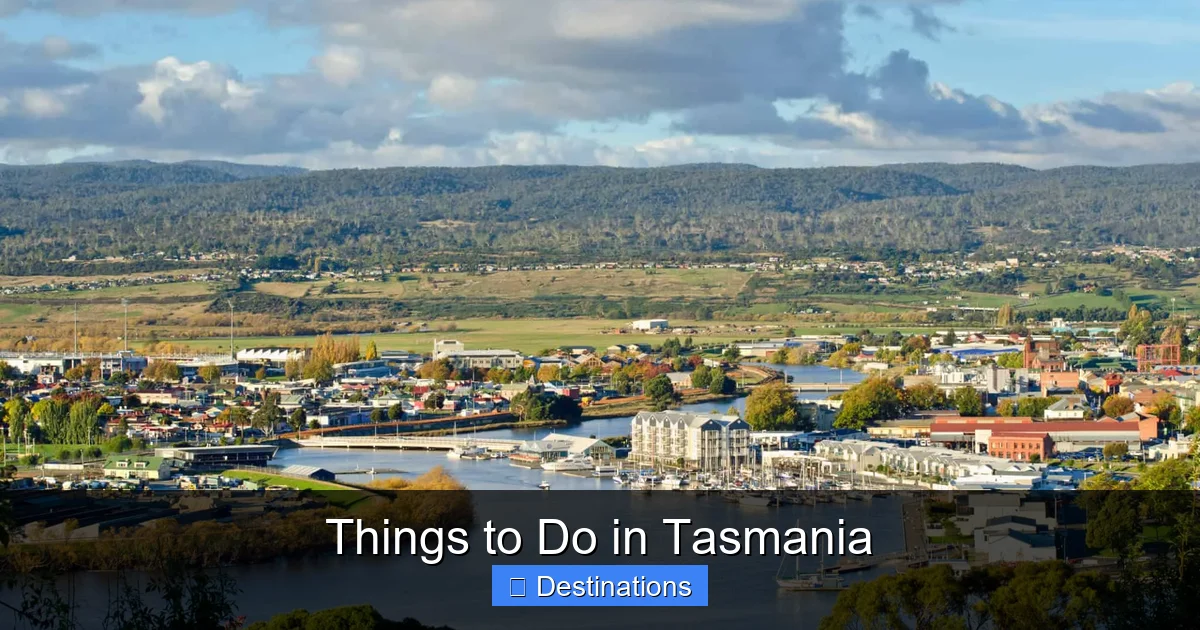
Tasmania’s coastline is dotted with hidden coves, dramatic cliffs, and charming fishing villages. It’s the perfect place for a scenic drive, a beach day, or a sunset cruise.
Drive the East Coast
The East Coast Road (Route A3) is one of the most beautiful drives in Australia. Stop at Bicheno for penguin spotting, visit the historic town of Triabunna, and explore the stunning bay at St Helens. Don’t miss the Bay of Fires—a series of white-sand beaches with turquoise waters and orange lichen that makes the sand look painted.
Explore the Tasman Peninsula
Just a short ferry ride from Hobart, the Tasman Peninsula is rugged and wild. Walk the Three Sisters rock formation, visit the historic Port Arthur site, and explore the Devil’s Cove. The peninsula offers some of the best coastal hikes in Tasmania, including the challenging but rewarding Cape Pillar Track.
Relax on Wineglass Bay
Wineglass Bay in Freycinet National Park is often ranked among the most beautiful beaches in the world. The short hike to the lookout is worth it—just bring water and wear sturdy shoes. In winter, the bay is quieter, and you might spot whales migrating offshore.
Immerse Yourself in History and Culture
Visual guide about Things to Do in Tasmania
Image source: theroad-islife.com
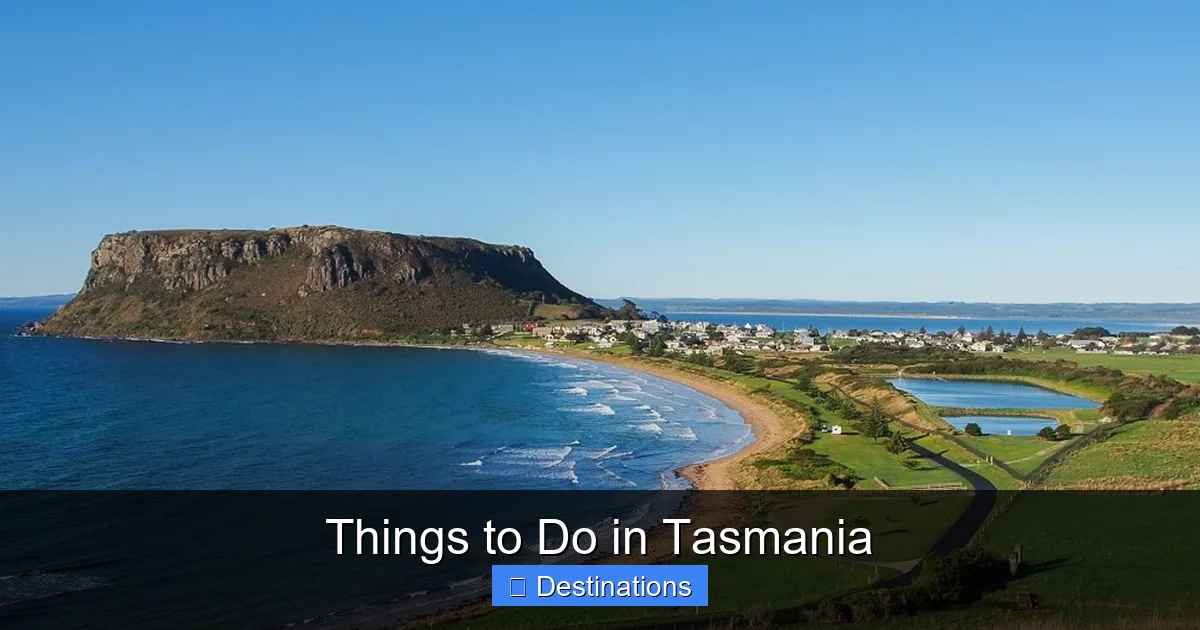
Tasmania has a fascinating past shaped by convicts, explorers, and indigenous heritage. The island’s historic sites offer a deep look into Australia’s colonial history.
Visit Port Arthur Historic Site
Once a notorious penal settlement, Port Arthur now serves as a museum and heritage site. Take a guided tour to learn about convict life, walk the quiet cemetery, and explore the preserved buildings. It’s a sobering but important experience that adds depth to your Tasmanian trip.
Explore Richmond’s Colonial Charm
Richmond is one of Tasmania’s oldest towns, dating back to the early 1800s. Stroll along the cobblestone streets, visit the Richmond Bridge (the oldest surviving stone arch bridge in Australia), and enjoy a meal at a historic pub. It’s a peaceful, walkable town that feels like stepping back in time.
Learn About Aboriginal Culture
Tasmania’s First Nations people have lived here for over 40,000 years. Visit the Tasmanian Museum and Art Gallery in Hobart or join a guided tour with a local Aboriginal guide. Understanding this culture adds respect and meaning to your visit.
Indulge in Tasmania’s Food and Drink Scene
Visual guide about Things to Do in Tasmania
Image source: discovertasmania.com.au
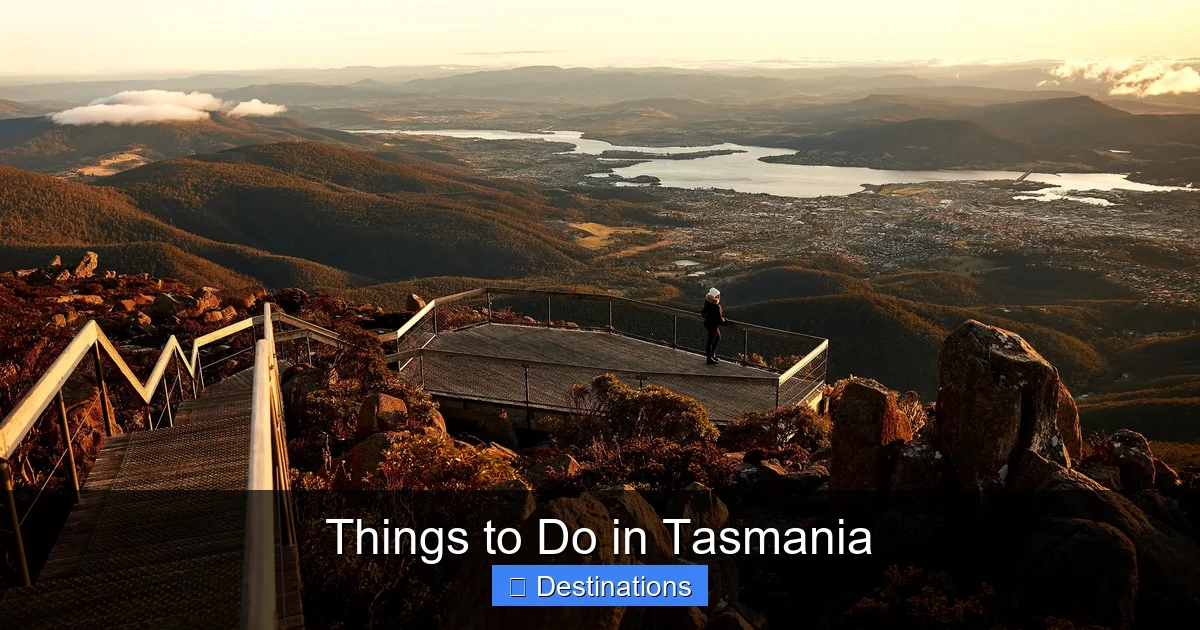
Tasmania’s food culture is fresh, local, and deeply connected to the land. From farm-to-table restaurants to artisanal producers, the island is a food lover’s paradise.
Try Fresh Seafood in Hobart
Hobart’s waterfront is lined with restaurants serving the day’s catch. Head to Franklin Wharf for oysters, salmon, and crayfish. Must-try dish: Tasmanian salmon with native herbs or a platter of fresh oysters.
Visit Local Markets
The Salamanca Market in Hobart (Saturdays) and the Launceston Farmers Market (Saturdays) are great places to sample local produce. Look for handmade cheeses, jams, honey, and baked goods. Many vendors offer tastings and stories about their farms.
Sample Craft Beer and Cider
Tasmania has a thriving craft beer scene. Visit breweries like Boags, Cascade, or local favorites like Moon Dog or Boon Brewery. For something sweeter, try a cider from Pipers or a glass of Tasmanian sparkling wine.
Adventure Activities for Thrill-Seekers
Whether you’re into climbing, cycling, or water sports, Tasmania has plenty of ways to get your adrenaline pumping.
Climb or Abseil in Mount Field National Park
Mount Field offers some of the best rock climbing in the southern hemisphere. The park has routes for beginners and experts alike. For a unique experience, try abseiling down the cliffs near the lakes.
Cycle the Great Ride Way
The Great Ride Way is a 72-kilometer trail connecting Launceston and George Town. It’s mostly flat and perfect for road bikes or e-bikes. Along the way, you’ll pass farmland, forests, and small towns.
Whale Watch in Strahan
On the west coast, Strahan is a gateway to whale watching. Take a boat tour from May to November to see humpbacks and southern right whales. The Gordon River and Franklin River add to the dramatic scenery.
Plan Your Perfect Tasmania Itinerary
To make the most of your trip, plan your route based on the season and your interests. Here’s a quick guide:
– Spring (September–November): Wildflowers in bloom, mild weather—ideal for hiking and outdoor activities.
– Summer (December–February): Warm days, long light—perfect for beaches and festivals.
– Autumn (March–May): Fewer crowds, golden forests—great for photography and wine tours.
– Winter (June–August): Cozy cafes, indoor markets, and winter festivals in Launceston and Hobart.
Start in Hobart for history and food, then drive north to Cradle Mountain for hiking, or head east to explore the coast. Use a rental car to get around—public transport is limited outside major towns.
Tasmania is more than just a destination—it’s an experience. Whether you’re hiking through ancient forests, tasting fresh oysters, or learning about the island’s rich history, every moment feels special. With its mix of adventure, culture, and natural beauty, Tasmania offers something for everyone. So pack your hiking boots, bring your camera, and get ready to fall in love with one of Australia’s most unique destinations.
Frequently Asked Questions
What are the must-see places in Tasmania?
You can’t miss Cradle Mountain, Wineglass Bay, Port Arthur, Hobart’s waterfront, and the Bay of Fires. These sites showcase Tasmania’s natural beauty and history.
How long should I stay in Tasmania?
At least 7–10 days is ideal to explore the main attractions, including Hobart, Cradle Mountain, and the East Coast. Longer stays allow you to enjoy slower-paced experiences like food tours or cycling.
Is Tasmania expensive?
Tasmania is moderately priced compared to other Australian destinations. Accommodation, food, and activities can add up, but there are budget-friendly options like camping, picnics, and free walking tours.
Can I see the Aurora Australis in Tasmania?
Yes, Tasmania is one of the best places in the world to see the Southern Lights. The best viewing spots are in remote areas away from city lights, such as Cradle Mountain or the West Coast.
Are there any free things to do in Tasmania?
Yes! You can walk through national parks, visit historic sites like Richmond, enjoy free viewpoints along the coast, and explore markets like Salamanca Market on weekends.
What is the local currency in Tasmania?
Tasmania uses the Australian Dollar (AUD). Credit cards are widely accepted, but it’s a good idea to carry some cash for smaller towns and markets.