
Phnom Penh blends history, culture, and modern energy in Cambodia’s capital. From haunting genocide museums to lively street food scenes, the city offers unforgettable experiences for every traveler. Whether you’re exploring royal palaces or sipping coffee in riverside cafés, Phnom Penh promises a dynamic and meaningful journey.
Phnom Penh, Cambodia’s vibrant capital, is a city where ancient history meets modern energy. Nestled along the banks of the Tonlé Sap River, this bustling metropolis offers travelers a unique blend of cultural depth, historical significance, and urban excitement. While many visitors fly straight to Siem Reap for Angkor Wat, Phnom Penh often gets overlooked—but it’s a gem in its own right.
Check the latest prices and available rooms before they sell out.
From the haunting yet powerful memorials of Cambodia’s tragic past to the lively street food scenes and riverside cafés, Phnom Penh invites you to experience a side of Southeast Asia that’s both raw and resilient. Whether you’re a history buff, food lover, or culture seeker, there’s something in this city for everyone.
In this guide, we’ll walk you through the top things to do in Phnom Penh, so you can make the most of your time in this dynamic capital. Let’s dive in!
Key Takeaways
- Explore historical sites: Visit the Killing Fields and S21 Museum to learn about Cambodia’s past and honor its resilience.
- Shop at bustling markets: Wander through Central Market (Phsar Thmei) and Russian Market (Phsar Toul Tom Poung) for souvenirs, clothes, and local crafts.
- Enjoy riverside dining: Take in stunning sunsets over the Tonlé Sap River while savoring fresh seafood and Khmer cuisine.
- Discover art and culture: Stroll through the National Museum and Wat Phnom to understand Cambodia’s heritage and spiritual traditions.
- Try street food: Sample authentic dishes like fish amok, nom banh chok, and fresh fruit shakes from local vendors.
- Take day trips: Day trips to Angkor Wat or floating villages on Tonlé Sap offer deeper insights into Cambodian life and history.
- Experience nightlife: Enjoy rooftop bars, live music venues, and cultural shows in the city’s growing entertainment district.
Quick Answers to Common Questions
What are the top things to do in Phnom Penh for first-time visitors?
First-time visitors should start with the Tuol Sleng Genocide Museum and Choeung Ek Killing Fields to understand Cambodia’s history. Then, explore Central Market and Wat Phnom, followed by a riverside dinner with sunset views. Don’t miss trying fish amok and street food at Wat Phnom Market.
Is Phnom Penh safe for tourists?
Yes, Phnom Penh is generally safe for tourists. Like any major city, it’s wise to stay aware of your surroundings and keep valuables secure. Avoid walking alone at night in isolated areas, but most tourist attractions and public spaces are well-patrolled and safe.
How long should I spend in Phnom Penh?
Plan to spend at least 2–3 days in Phnom Penh to see the major attractions. If you want to take a day trip to Angkor Wat or a floating village, consider 4 days. This gives you time to explore museums, markets, and enjoy the city’s relaxed pace.
What is the best time to visit Phnom Penh?
The best time to visit Phnom Penh is from November to March. During this period, the weather is cool and dry, making it ideal for sightseeing. Avoid the rainy season (May–October) if you prefer sunny days, though the city is still lively year-round.
Can I visit Angkor Wat from Phnom Penh in one day?
Yes, it’s possible to visit Angkor Wat from Phnom Penh in one day with an early morning departure. However, the drive is 6–7 hours each way, so you’ll be tired. Most travelers prefer to stay overnight near Angkor for a better experience.
Find the Best Accommodation Deals
Compare prices from multiple booking platforms and find the best option for your stay.
Compare Hotel Prices
📑 Table of Contents
- Explore Cambodia’s History at the Killing Fields and S21 Museum
- Stroll Through Phnom Penh’s Iconic Markets
- Relax Along the Riverside and Enjoy Sunset Views
- Discover Art and Spirituality at Wat Phnom and National Museum
- Indulge in Phnom Penh’s Street Food Scene
- Take a Day Trip to Nearby Attractions
- Experience Phnom Penh’s Nightlife and Entertainment
- Plan Your Visit: Tips for Travelers
Explore Cambodia’s History at the Killing Fields and S21 Museum
No visit to Phnom Penh is complete without paying respects at the Tuol Sleng Genocide Museum (S21) and the Choeung Ek Killing Fields. These sites are powerful reminders of Cambodia’s dark chapter under the Khmer Rouge regime from 1975 to 1979.
Tuol Sleng Genocide Museum (S21)
Once a high school, Tuol Sleng was transformed into a secret prison where thousands were tortured and executed. The museum now preserves the chilling history, displaying old photos of prisoners, interrogation rooms, and personal belongings. It’s a somber but essential stop for understanding Cambodia’s past.
Find the Best Accommodation Deals
Compare prices from multiple booking platforms and discover the best stay options available.
⭐ Trusted by thousands of travelers
💰 Budget to luxury options available
Tip: Allow at least 2–3 hours here. Consider hiring a local guide for deeper context and emotional insight.
Choeung Ek Killing Fields
Just outside the city, Choeung Ek is where most of the victims from Tuol Sleng were executed. The site features a memorial stupa filled with thousands of skulls. It’s a place of quiet reflection and remembrance.
Pro tip: Visit early in the morning to avoid crowds and bring a scarf to cover your shoulders as a sign of respect.
Best Stay Deals Available
Compare prices across top booking platforms and find the best deal for your stay.
Check Available RoomsThese two sites are not just historical landmarks—they’re emotional journeys that highlight the strength and resilience of the Cambodian people.
Stroll Through Phnom Penh’s Iconic Markets
Visual guide about Things to Do in Phnom Penh
Image source: ilovetripping.com
Phnom Penh comes alive in its markets, where locals shop, bargain, and connect. The city’s markets offer everything from fresh produce to handmade crafts and trendy fashion.
Central Market (Phsar Thmei)
Built in 1937 during the French colonial era, Central Market is a stunning Art Deco building shaped like an upturned lotus. Inside, you’ll find jewelry, silk scarves, souvenirs, and even traditional Cambodian clothing.
Fun fact: The market also has a rooftop area with great views of the surrounding cityscape.
Russian Market (Phsar Toul Tom Poung)
Located in the Chbar Ampov district, this open-air market is popular for its wide range of goods—from electronics and clothing to fake designer bags and vintage items. It’s a great spot for bargain hunters and those looking for unique finds.
Tip: Visit in the late afternoon when the market is at its busiest and most colorful.
Markets are more than just shopping destinations—they’re the heart of daily life in Phnom Penh.
Relax Along the Riverside and Enjoy Sunset Views
Visual guide about Things to Do in Phnom Penh
Image source: triptins.com
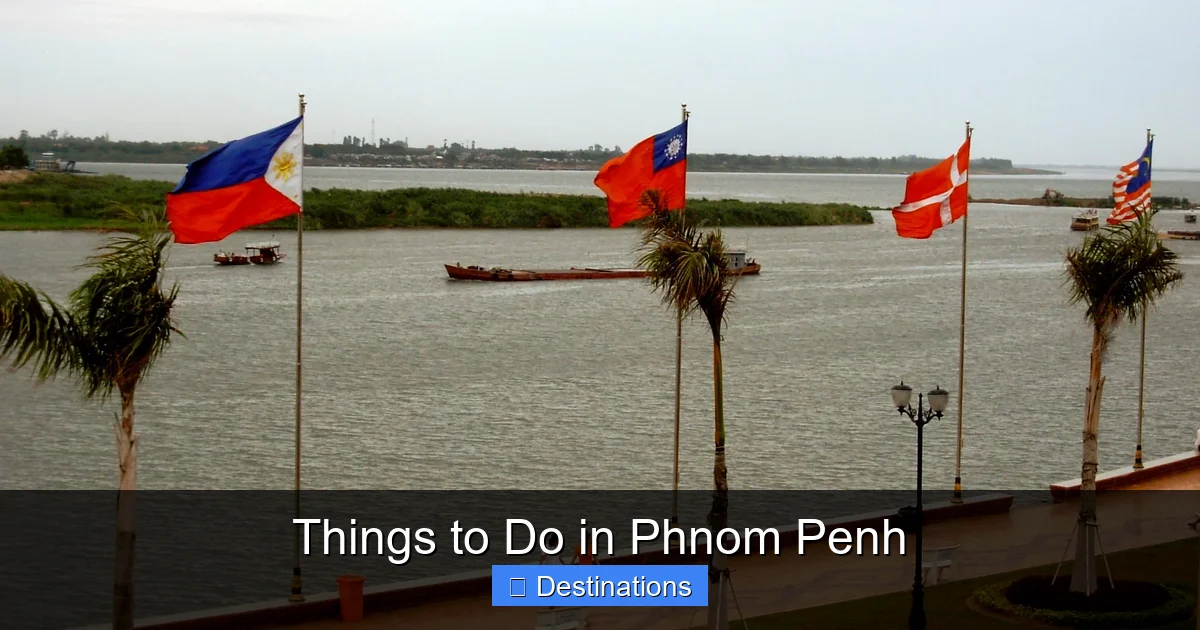
One of the best ways to experience Phnom Penh is from the water. The city’s riverside promenade offers stunning views, especially at sunset.
Phnom Penh Riverside Walk
Take a peaceful stroll along the banks of the Tonlé Sap River. You’ll see locals fishing, children playing, and vendors selling snacks. It’s a peaceful contrast to the city’s bustling streets.
Riverside Restaurants and Cafés
End your walk at one of the many riverside restaurants. Try Smile Restaurant or Sorya Restaurant for fresh fish amok (a creamy coconut curry dish) with a view. Many places also serve international dishes, making them great for travelers with varied tastes.
Bonus: Some rooftop bars like Sky Bar at Sokimex Hotel offer panoramic views and craft cocktails—perfect for a relaxed evening.
Riverside dining in Phnom Penh isn’t just about the food—it’s about the atmosphere and connection to the city’s soul.
Discover Art and Spirituality at Wat Phnom and National Museum

Visual guide about Things to Do in Phnom Penh
Image source: d368ufu7xgcs86.cloudfront.net
For a deeper cultural experience, explore Phnom Penh’s spiritual and artistic heritage.
Wat Phnom
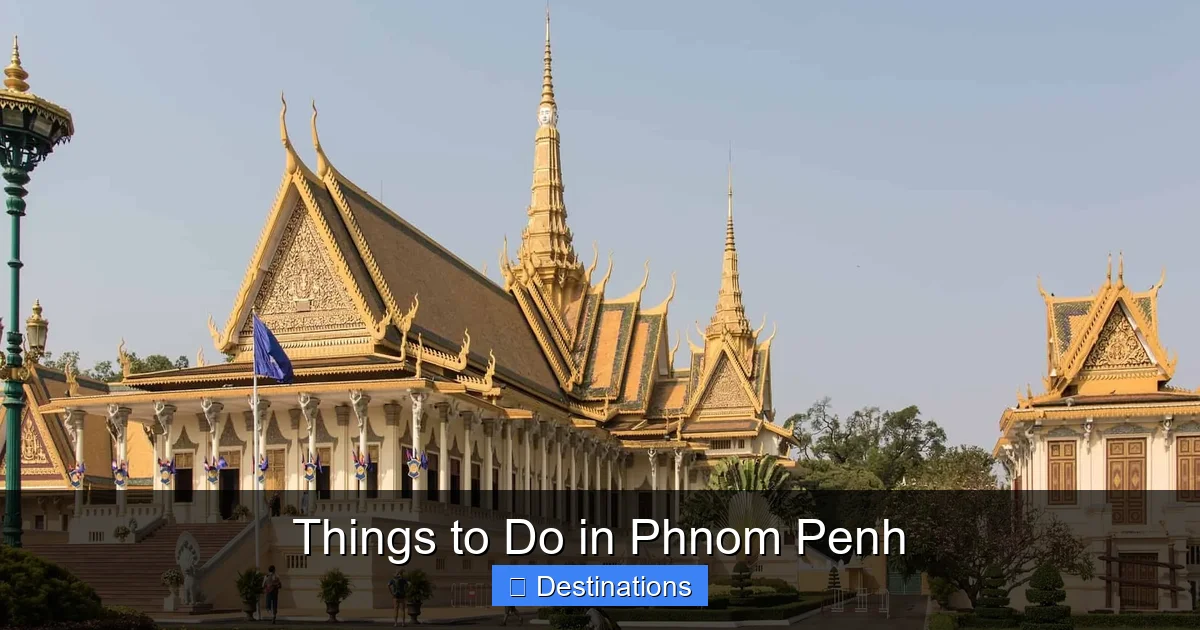
Phnom Penh’s name literally means “hill temple,” and Wat Phnom is the city’s most sacred Buddhist temple. Legend says a kind woman named Penh found four Buddha statues on the hill and offered them to the people. The temple has been a center of worship ever since.
National Museum of Cambodia
Located near Wat Phnom, the museum houses one of Southeast Asia’s finest collections of Khmer art and artifacts. Highlights include the famous Angkor-era stone carvings and a vast collection of ancient statues.
Tip: Combine your visit to Wat Phnom and the museum—they’re within walking distance and make for a full morning of culture.
These sites offer a window into Cambodia’s rich spiritual and artistic traditions, making them must-see attractions in Phnom Penh.
Indulge in Phnom Penh’s Street Food Scene
Phnom Penh’s street food is legendary. The city offers bold flavors, affordable prices, and dishes that reflect centuries of culinary tradition.
Must-Try Dishes
- Nom banh chok: A rice noodle soup popular for breakfast, served with fish sauce and fresh herbs.
- Fish amok: A creamy coconut curry cooked in banana leaves—Phnom Penh’s national dish.
- Num pang: Grilled pork and rice noodles wrapped in a baguette, similar to a Vietnamese bánh mì.
- Fresh fruit shakes: Try mango, banana, or dragon fruit shakes from roadside stalls.
Where to Eat
Popular spots include Wat Phnom Market food stalls, Orkidey Restaurant (known for fish amok), and KFC Street for quick bites.
Safety tip: Choose busy stalls with high turnover—this means the food is fresh and popular.
Street food in Phnom Penh isn’t just about taste—it’s about community, tradition, and everyday joy.
Take a Day Trip to Nearby Attractions
While Phnom Penh has plenty to offer, a day trip can enhance your experience with a broader perspective of Cambodian life and history.
Day Trip to Angkor Wat
Though it’s a 6–7 hour drive, many travelers make a day trip to Angkor Wat from Phnom Penh. Early morning departures allow you to catch the sunrise at the temple complex—a breathtaking experience.
Tip: Book a guided tour through a reputable company to avoid scams and get the most out of your visit.
Floating Village on Tonlé Sap
Another great option is a day trip to a floating village like Kompong Khnang or Kompong Luong. These villages are home to families who live on stilted houses and boats, adapting to the river’s seasonal changes.
Note: This trip requires a boat ride and takes about 3–4 hours each way.
Day trips from Phnom Penh offer a chance to see beyond the city and connect with rural Cambodian life.
Experience Phnom Penh’s Nightlife and Entertainment
Phnom Penh’s nightlife is growing, with a mix of rooftop bars, live music, and cultural performances.
Rooftop Bars
Head to Sky Bar at Sokimex Hotel or Kampot Coffee at Sofitel Phnom Penh Phokeethra for cocktails and city views. These spots are popular with both locals and tourists.
Cultural Shows
Catch a traditional Khmer dance performance or Apsara show at venues like Cambodian Cultural Village (though it’s more touristy, it’s entertaining).
Live Music Venues
Check out Kampot Coffee or Phnom Penh Live for live bands and a relaxed vibe.
Nightlife in Phnom Penh is still developing, but it’s energetic, affordable, and full of character.
Plan Your Visit: Tips for Travelers
To make the most of your time in Phnom Penh, keep these tips in mind:
- Best time to visit: November to March offers dry, cool weather—ideal for sightseeing.
- Transportation: Tuk-tuks and motorbike taxis are affordable and common. Use ride-hailing apps like PassApp for safety.
- Dress modestly: When visiting temples or museums, cover your shoulders and knees as a sign of respect.
- Budget: Phnom Penh is very affordable. A meal can cost under $2, and a tuk-tuk ride is often under $5.
- Safety: The city is generally safe, but be cautious with valuables in crowded areas.
With a little planning, Phnom Penh becomes not just a stopover, but a highlight of your Cambodian adventure.
In conclusion, Phnom Penh is more than just a gateway to Angkor Wat—it’s a city full of history, culture, and warmth. From the quiet reflection at genocide memorials to the vibrant energy of riverside cafés, every corner tells a story. Whether you’re exploring ancient temples, tasting street food, or simply watching the sunset over the river, Phnom Penh leaves a lasting impression. So pack your bags, keep an open mind, and get ready to discover the heart of Cambodia.
Frequently Asked Questions
===
What are the best things to do in Phnom Penh for history lovers?
History lovers should visit the Tuol Sleng Genocide Museum and Choeung Ek Killing Fields to learn about Cambodia’s past. The National Museum of Cambodia also offers deep insights into Khmer art and history. These sites provide powerful, educational experiences.
Are there free things to do in Phnom Penh?
Yes, there are several free activities in Phnom Penh. You can walk along the riverside, explore Wat Phnom, visit Central Market (entry is free), and wander through the city’s streets. Many temples and public spaces welcome visitors at no cost.
What is the best street food to try in Phnom Penh?
The must-try street foods in Phnom Penh include fish amok, nom banh chok, and num pang. These dishes reflect the city’s rich culinary culture and are best enjoyed at busy markets like Wat Phnom or Central Market.
How do I get around Phnom Penh?
Phnom Penh is easy to navigate using tuk-tuks, motorbike taxis, or ride-hailing apps like PassApp. For longer distances, Grab is also available. Walking is feasible in central areas, but tuk-tuks are the most convenient and affordable option.
Can I take a day trip to Angkor Wat from Phnom Penh?
Yes, day trips to Angkor Wat from Phnom Penh are popular. Most tours depart early in the morning and return by evening. While possible in one day, it’s a long journey, so consider staying near the temple complex for a more relaxed experience.
Is it safe to eat street food in Phnom Penh?
Yes, street food in Phnom Penh is generally safe to eat. Choose stalls that are busy and have high turnover, as this indicates fresh food. Avoid raw vegetables and always opt for cooked dishes. Drinking bottled water is recommended.