
Ninh Binh, Vietnam’s “Halong Bay on land,” offers a magical escape into lush mountains, serene rivers, and centuries-old temples. Whether you’re gliding through emerald waters, trekking through jungle trails, or sipping coffee at a riverside café, every moment feels like a dream. This hidden gem near Hanoi blends natural beauty with rich heritage, making it a must-visit for travelers seeking both adventure and tranquility.
Ninh Binh isn’t just another stop on your Vietnam itinerary—it’s a destination that feels like stepping into a storybook. Nestled just a two-hour drive from Hanoi, this northern province is often called “Halong Bay on land” for its breathtaking limestone karsts rising dramatically from emerald rivers. But Ninh Binh is more than just postcard-perfect scenery. It’s a land where ancient Cham temples sit beside modern riverside cafes, where farmers still use buffalo to plow rice fields, and where every bend in the river reveals a new wonder.
Check the latest prices and available rooms before they sell out.
Unlike the crowded tourist spots of Vietnam, Ninh Binh offers a slower, more intimate experience. You’ll find fewer crowds, cleaner air, and a genuine sense of local life. Whether you’re a nature lover, history buff, or foodie, this province has something that will make your heart skip a beat. From sunrise boat rides to mountain treks, every activity here feels intentional and meaningful.
Key Takeaways
- Explore Trang An Grottoes: Cruise through a UNESCO World Heritage site filled with limestone caves, ancient pagodas, and floating villages.
- Visit Bái Đính Temple: One of Vietnam’s largest Buddhist complexes, featuring towering statues and peaceful courtyards.
- Cycle through Rice Paddies: Rent a bike and pedal through emerald-green terraces and local villages for an authentic rural experience.
- Trek to Hang Múa Cave: A challenging hike leads to a hidden cave where you can swim in a turquoise lagoon.
- Try Local Cuisine: Sample signature dishes like bánh bèo (steamed rice cakes) and bún chả cá (fish-based noodle soup).
- Stay in Eco-Lodges: Many accommodations offer riverside views and sustainable tourism practices.
- Best Time to Visit: Spring (March–May) and autumn (September–November) offer ideal weather for outdoor activities.
Quick Answers to Common Questions
Is Ninh Binh worth visiting?
Absolutely. With its stunning landscapes, rich history, and peaceful atmosphere, Ninh Binh offers a unique escape from Vietnam’s more crowded cities. It’s perfect for nature lovers, culture seekers, and anyone wanting a slower-paced trip.
How long should I stay in Ninh Binh?
At least two days and one night. This gives you time to explore Trang An, visit Hoa Lu, cycle through the countryside, and enjoy a sunset boat ride—all without rushing.
Is it easy to get around Ninh Binh?
Yes. Renting a motorbike is the most flexible option. You can also hire a private car, take local buses, or use ride-hailing apps in the town center.
What’s the best way to see the Trang An Grottoes?
A boat ride is the most popular and scenic way. Group tours are affordable, but private boats offer more flexibility and a quieter experience. Morning rides are especially magical.
Can I visit Ninh Binh with kids?
Yes! Activities like cycling, temple visits, and boat rides are family-friendly. Just bring snacks, water, and sun protection. Many eco-lodges also offer kid-friendly programs.
📑 Table of Contents
- 1. Cruise Through the Trang An Grottoes
- 2. Trek to Hang Múa Cave
- 3. Explore Bái Đính Temple
- 4. Cycle Through the Rice Paddies
- 5. Visit the Ancient Capital of Hoa Lu
- 6. Enjoy Local Cuisine
- 7. Stay in an Eco-Lodge
- 8. Attend a Traditional Water Puppet Show
- 9. Explore Cúc Phương National Park
- 10. Watch the Sunrise at Tam Coc
- Tips for Visiting Ninh Binh
- Conclusion
1. Cruise Through the Trang An Grottoes
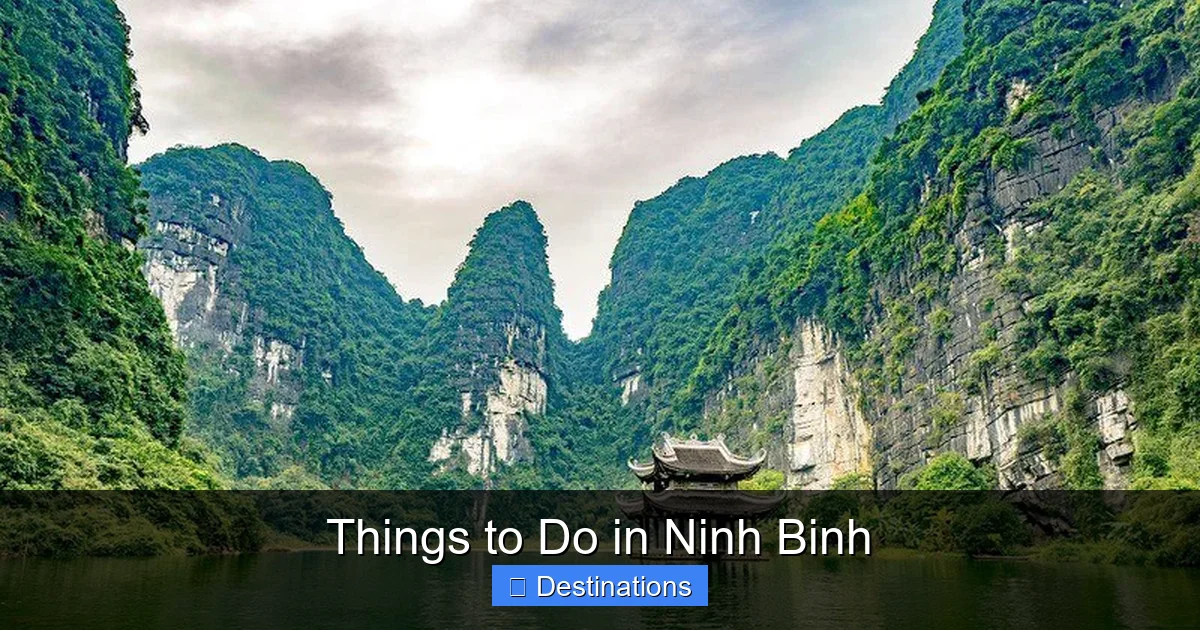
No visit to Ninh Binh is complete without a boat ride through the Trang An Grottoes. This UNESCO World Heritage Site spans over 12 kilometers of winding waterways surrounded by towering limestone cliffs. As you glide through the misty waters, you’ll pass through caves like Hang Ca, Hang Suốt, and Hang Dau Go, each with its own legend and beauty.
Find the Best Accommodation Deals
Compare prices from multiple booking platforms and find the best option for your stay.
Compare Hotel PricesOne of the highlights is Thung Cave (Hang Dau Go), where you can walk through a narrow passage into a vast chamber filled with stalactites. Another favorite is Hang Ca, the largest cave in the complex, where sunlight filters through the entrance, creating a golden glow. The boat ride usually takes 1.5 to 2 hours, and guides often share stories about the area’s history, including its use during the Vietnam War.
Tip: Book a private boat for a more personalized experience, or join a group tour for shared costs. Bring a light jacket—the morning mist can make the water feel chilly, even in summer.
Find the Best Accommodation Deals
Compare prices from multiple booking platforms and discover the best stay options available.
⭐ Trusted by thousands of travelers
💰 Budget to luxury options available
Best Time to Visit Trang An
The early morning is ideal, especially during sunrise. The light dances across the water, and the mist lifts just enough to reveal the karsts without blocking your view. Weekends can be busy, so consider visiting on a weekday for fewer tourists.
2. Trek to Hang Múa Cave
For adventure seekers, a trek to Hang Múa Cave is a must. This hidden gem lies deep in the mountains, accessible via a 30–45 minute hike through dense forest and rice paddies. The trail isn’t paved, so wear sturdy shoes and bring water—there are no facilities along the way.
Best Stay Deals Available
Compare prices across top booking platforms and find the best deal for your stay.
Check Available RoomsVisual guide about Things to Do in Ninh Binh
Image source: letheatrecruises.com
Once you reach the cave entrance, you’ll find a turquoise lagoon perfect for swimming. The water is cool and refreshing, and the surrounding cliffs create a secluded, almost secret-like atmosphere. Locals often call it the “Emerald Lagoon.” After swimming, you can climb to the top of the cave for panoramic views of the valley below.
Tip: Start your hike early to avoid the midday heat. You can rent bikes to get closer to the trailhead, but be prepared for a steep climb once you leave the road.
What to Bring for Hang Múa
- Swimwear and towel
- Sturdy hiking shoes
- Plenty of water (at least 2 liters)
- Sunscreen and hat
- Snacks (the hike back can take up to an hour)
3. Explore Bái Đính Temple
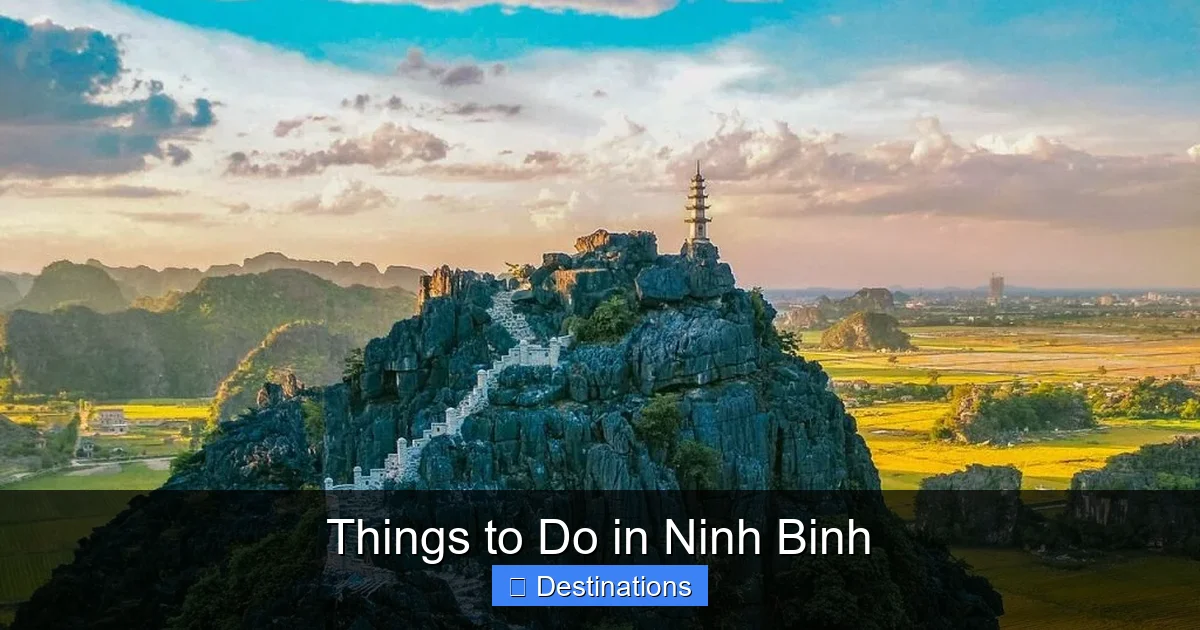
Just 10 kilometers from the town center, Bái Đính Temple is one of Vietnam’s largest Buddhist complexes. Built in the 17th century and restored in the 2000s, the temple features over 1,000 statues, golden pagodas, and a towering 12-story pagoda that dominates the skyline.
Visual guide about Things to Do in Ninh Binh
Image source: letheatrecruises.com
As you walk through the temple grounds, you’ll pass intricate carvings, peaceful courtyards, and monks chanting in the morning. The highlight is the Great Buddha Hall, where a 30-meter-tall bronze Buddha statue sits under a canopy of lotus flowers. Don’t miss the Kwan Im Pagoda and the Thien Van Lake, where you can rent a small boat to paddle around the lotus ponds.
Tip: Visit during the morning for the most serene atmosphere. Photography is allowed, but be respectful—especially during prayer times.
Bái Đính Temple Events
The temple hosts special festivals throughout the year, including the New Year celebration (Tết) and Buddha’s Birthday (Vesak). During these times, the temple is filled with lanterns, incense smoke, and devout visitors. Check the temple’s schedule if you want to experience a cultural event.
4. Cycle Through the Rice Paddies
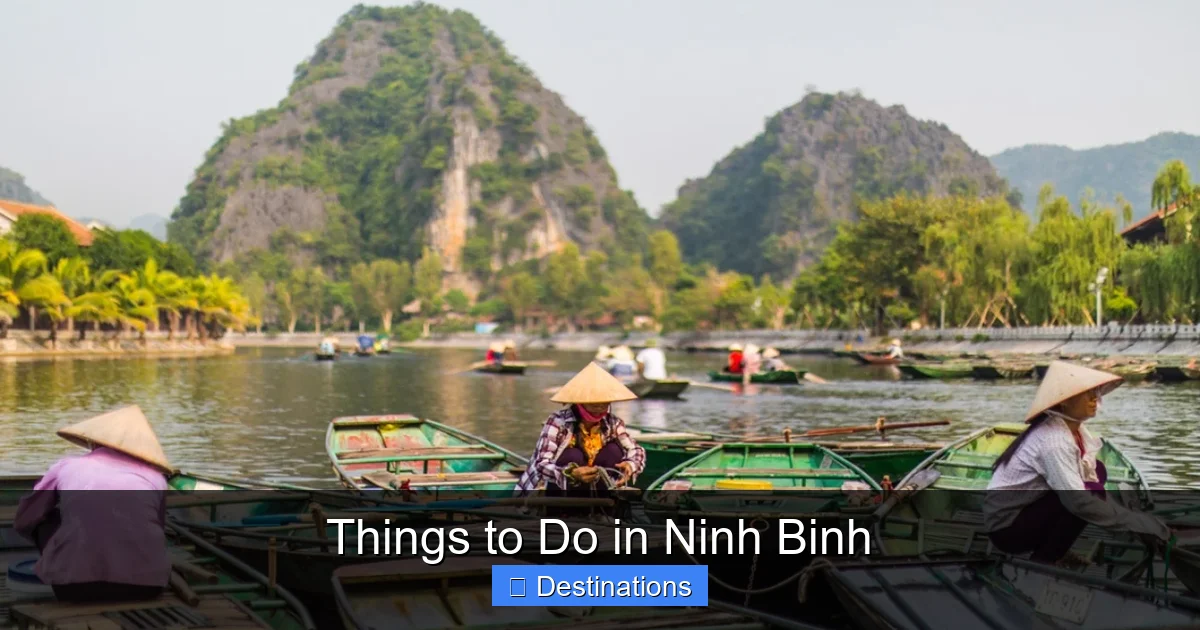
One of the most relaxing ways to experience Ninh Binh is by bicycle. Rent a bike from your hotel or a local shop and pedal along quiet country roads lined with rice paddies, fruit orchards, and traditional stilt houses.
Visual guide about Things to Do in Ninh Binh
Image source: vietnamtravelbug.com
Popular cycling routes include the path from Ninh Binh Town to Cúc Phương National Park and the loop around Tam Cốc Village. Along the way, you’ll pass farmers working in the fields, children riding bicycles to school, and villagers selling fresh coconuts or rice wine.
Tip: Start early in the morning when the air is cool and the rice fields are still dewy. Bring a camera—the reflections on the water are stunning at sunrise.
Best Cycling Routes
- Tam Cốc Loop: A 20 km route through villages and riverside paths.
- Cúc Phương Circuit: Passes through dense forest and rural hamlets.
- Hoa Lu Ancient Capital: A shorter ride with historical sites along the way.
5. Visit the Ancient Capital of Hoa Lu
Hoa Lu was Vietnam’s first capital during the early 10th century, established by the Dinh and Le dynasties. Today, the Hoa Lu Ancient Capital is a peaceful archaeological site where you can explore the ruins of two temples: Dinh and Le.
The Dinh Temple is the larger of the two, built on a hill overlooking the river. Inside, you’ll find stone inscriptions and statues of the first two kings of Vietnam. The Le Temple is smaller but equally historic, with a peaceful garden and a view of the surrounding mountains.
Tip: Combine your visit with a stop at Tich Dien Cave, a limestone cave near the temples where the kings once worshipped. It’s a short walk from the main site.
History Behind Hoa Lu
The name “Hoa Lu” means “Flower Slope,” referring to the lush landscape that attracted the early rulers. The site was abandoned in the 11th century when the capital moved to Thang Long (now Hanoi), but it remains a symbol of Vietnam’s unification under the Dinh and Le dynasties.
6. Enjoy Local Cuisine
Ninh Binh’s food scene is simple, fresh, and deeply rooted in rural traditions. The most famous dish is bún chả cá, a tangy fish-based noodle soup served with herbs and rice vermicelli. It’s a specialty you won’t find anywhere else in Vietnam.
Another must-try is bánh bèo, a delicate steamed rice cake topped with shrimp, crispy pork belly, and a drizzle of sweet and savory sauce. For dessert, try chè trôi nước, a translucent jelly dessert with beans and coconut milk.
Tip: Eat at Koto Restaurant in Ninh Binh Town or Hoa Lu Restaurant near the ancient capital. Both offer authentic flavors and a cozy atmosphere.
Best Local Snacks
- Banh chung (sticky rice cake with mung beans and pork)
- Thang co (a sweet dessert made from yam and palm sugar)
- Nem chua (fermented pork rolls)
7. Stay in an Eco-Lodge
Many travelers choose to stay in eco-friendly lodges along the riverside. These accommodations blend modern comfort with sustainable practices, using solar power, local materials, and organic gardens.
Popular options include Sandalwood Eco Lodge and Tam Coc Eco Resort, both offering kayaking, cooking classes, and guided nature walks. Staying here supports the local community and gives you a deeper connection to the region’s environment.
Tip: Book in advance, especially during peak season (March to May). Some lodges offer sunrise boat rides as part of your stay.
What Makes an Eco-Lodge Special?
Beyond sustainability, eco-lodges often provide unique experiences like night fishing, organic cooking classes, and village homestays. You’ll learn how locals live, work, and preserve their traditions.
8. Attend a Traditional Water Puppet Show
While water puppetry is more famous in Hanoi, Ninh Binh also offers intimate shows at local cultural centers. These performances tell stories of rural life, farming, and folklore using puppets that glide across a water stage.
Shows usually last 30–45 minutes and are held in village halls or resort lobbies. They’re especially popular with families and first-time visitors.
Tip: Check with your hotel or tour operator for show times. Some lodges include the performance as part of a cultural package.
9. Explore Cúc Phương National Park
A short drive from Ninh Binh, Cúc Phương National Park is Vietnam’s oldest and largest national park. It’s home to rare wildlife, including the Delacour’s langur (an endangered monkey species), and features lush forests, waterfalls, and birdwatching trails.
You can hike to Thác Bạc (Silver Falls) or take a guided birdwatching tour. The park also offers night safaris to spot nocturnal animals like civets and slow lorises.
Tip: Hire a local guide—they know the best trails and can help spot hidden wildlife. Bring insect repellent and wear long sleeves.
Wildlife to Spot
- Delacour’s langur
- Red-shanked douc
- Truong Son muntjac
- Various bird species like the grey-headed fish eagle
10. Watch the Sunrise at Tam Coc
Tam Coc, meaning “Bach Thuy Tien” (“Halong Bay of the River”), is one of Ninh Binh’s most photographed spots. Watching the sunrise here is a spiritual experience—the first light hits the karsts, turning the sky into shades of pink and gold.
Most visitors start with a boat ride through the three caves of Tam Coc, but the real magic happens at dawn. Bring a thermos of coffee, a blanket, and a camera.
Tip: Arrive at least 30 minutes before sunrise. The best viewing spots are from the riverbank or a nearby hill.
Tips for Visiting Ninh Binh
- Best Time to Visit: March to May and September to November offer dry, pleasant weather.
- Getting There: Rent a motorbike or take a private car from Hanoi. Buses are available but less reliable.
- Language: Basic English is spoken in tourist areas, but learning a few Vietnamese phrases helps.
- Safety: Ninh Binh is very safe for tourists. Just be cautious on bike rides and hiking trails.
- What to Pack: Lightweight clothing, sunscreen, a hat, water shoes, and a reusable water bottle.
Conclusion
Ninh Binh is more than just a scenic detour—it’s a destination that invites you to slow down, breathe deeply, and connect with nature and culture. Whether you’re gliding through ancient caves, cycling past rice fields, or sipping coffee at a riverside café, every moment feels intentional and meaningful.
What sets Ninh Binh apart is its balance—between adventure and tranquility, history and modernity, and local life with global appeal. It’s a place where time moves differently, and where the simplest experiences—like watching a farmer plow a field or hearing the call to prayer from a nearby temple—can leave a lasting impression.
If you’re looking for a Vietnam experience that’s off the beaten path but still rich in beauty and authenticity, Ninh Binh should be at the top of your list. Pack your bags, bring your curiosity, and get ready to fall in love with this enchanting province.
Frequently Asked Questions
What is the best time of year to visit Ninh Binh?
Spring (March–May) and autumn (September–November) offer the most pleasant weather with clear skies and mild temperatures. These months are ideal for outdoor activities like hiking, cycling, and boat rides.
How do I get to Ninh Binh from Hanoi?
The most convenient way is by private car or motorbike, which takes about 2 hours. Public buses and shared shuttles are also available but less frequent. Booking a tour from Hanoi is another hassle-free option.
Are there any entry fees for the attractions in Ninh Binh?
Yes, most attractions charge a small entrance fee. Trang An Grottoes cost around $10–15 per person, while Hoa Lu Ancient Capital and Bái Đính Temple have modest fees (around $2–5). Some eco-lodges include these in their packages.
Is Ninh Binh safe for solo travelers?
Yes, Ninh Binh is considered very safe. The locals are friendly and welcoming to tourists. Just use common sense—especially when hiking or riding bikes—and avoid traveling alone at night.
Can I visit Ninh Binh in one day?
It’s possible but rushed. You could see Trang An and Hoa Lu in one day if you start early, but you’ll miss out on cycling, sunset views, and local food experiences. A two-day trip is recommended for a full experience.
What should I wear in Ninh Binh?
Pack lightweight, breathable clothing for warm days. Bring a light jacket or sweater for boat rides and early mornings. Comfortable walking shoes are essential for hiking and temple visits. Modest clothing is appreciated at religious sites.